Started April 4, 2024 · Ended · Based on 1 season, 8 episodes through April 4, 2024 · TV-MA
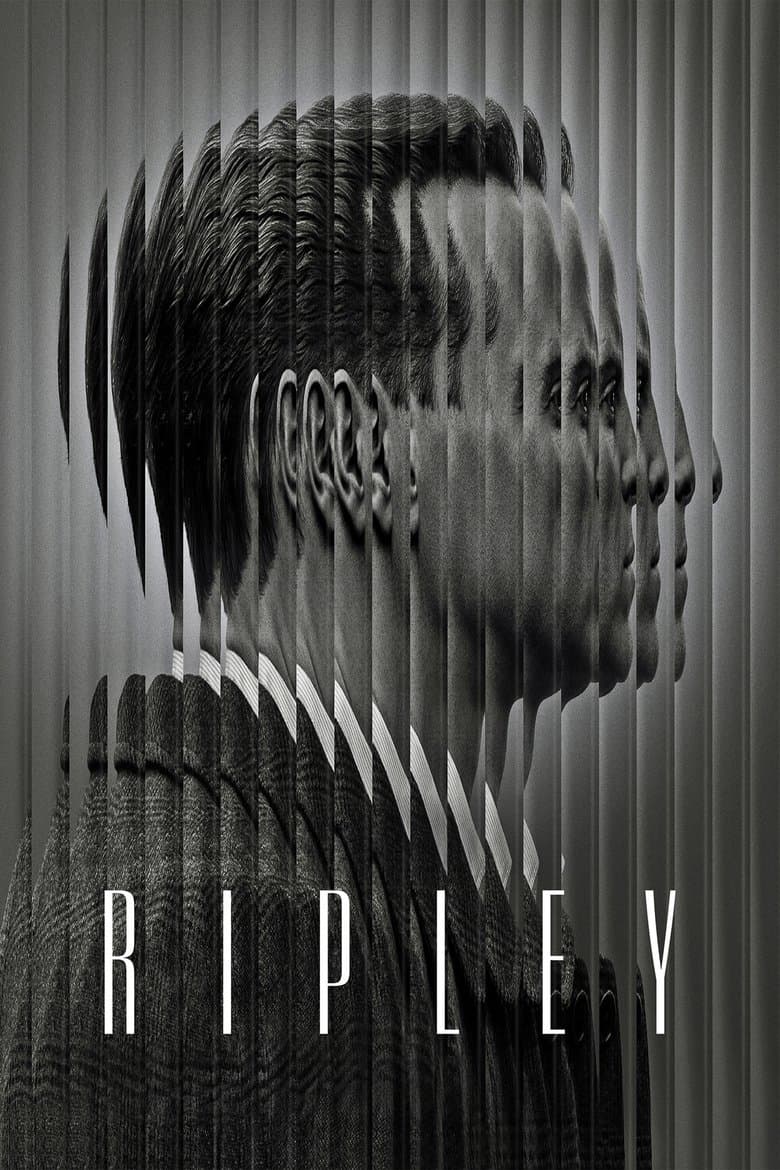
Tom Ripley is a small-time scammer in New York in 1961. A rich ship owner pays him to bring the man's son, Dickie Greenleaf, home from Italy. Tom instead joins Dickie's life on the Amalfi Coast and wants his money, clothes, friends, and name. After Dickie rejects him, Tom kills him and builds a new life through lies, stolen papers, and more murder. The show is slow, cold, and tense, with black-and-white images and long scenes about hiding bodies and fixing mistakes.
Tom's bond with Dickie carries a clear but uncertain queer element. Dickie says he is not queer, Marge thinks Tom may be queer, and Tom later tells the police that Dickie loved him. These moments use the fear and silence around male relationships in the early 1960s, but they do not become a modern rights story or a romance. The main story stays focused on envy, stolen identity, wealth, art, and murder. The queer material shapes how viewers may read Tom's obsession, but it is not the show's main message.
Community feedback
Was our 37% Woke rating accurate?
Breakdown
These are the editorial factors and ratings behind our score for RIPLEY.
Woke representation / casting
Most main roles are white Americans or Italians who fit the period setting. Andrew Scott, a gay actor, plays the queer-coded lead Tom, and non-binary performer Eliot Sumner plays Freddie Miles, whose androgynous look stands out. The show does not turn either role into a modern identity speech or a diversity campaign. This gives the casting a small but real identity signal without making representation the main focus.
20%
Woke political dialogue
Not present. No political speeches, activist lines, or modern social justice talk appear in the narrative.
0%
Identity-driven story themes
Tom's obsession with Dickie carries an uncertain queer meaning. Dickie says he is not queer, while Marge says Tom may be queer and the story shows Tom trying on Dickie's clothes and voice. Tom later tells the police that Dickie loved him, using fear around male relationships to support a false murder story. The show keeps the issue hidden and does not turn it into a modern rights message. The queer reading matters to the central relationship, but crime and stolen identity remain the main story.
45%
Western institutional / cultural critique
Not present. The story presents no critiques of Western institutions, patriarchy, capitalism, or traditional norms as systemic problems; it is a personal tale of moral failure in a historical setting.
0%
Woke character or canon changes
The series makes the Tom and Dickie sexuality question more direct than the 1955 novel by having Dickie say he is not queer and by having Tom claim Dickie loved him. The change makes the queer reading easier for viewers to notice. The show still keeps Tom unlabeled and does not add a modern LGBTQ plot or a new same-sex romance. This is a small identity-focused adaptation change.
18%
Anti-woke backlash and complaints
Not present. No anti-woke or right-leaning public complaints accuse the show of promoting woke, DEI, or identity politics; all debate concerns style and acting.
0%
Creator track record context
Patricia Highsmith, Steven Zaillian, and Enzo Sisti have low recorded scores and no strong activist pattern in the available creator notes. Andrew Scott and Avy Kaufman have higher recorded scores because of LGBTQ-related roles and projects. That background matches the show's queer ambiguity, but the title is not framed as a broad social campaign. The creator context therefore adds a light signal rather than a strong one.
25%
Production
TV Show · 2020
A wary CIA officer investigates a charismatic man who sparks a spiritual movement and stirs political unrest. Who exactly is he? And what does he want?
TV Show · 2024
Fascinated by cars since childhood, Brazilian racer Ayrton Senna became a sports legend — until tragedy struck, changing Formula 1 forever.
TV Show · 2023
The story of Bass Reeves, the legendary lawman of the wild West, is brought to life. Reeves worked in the post-Reconstruction era as a federal peace officer in the Indian…
TV Show · 2026
The Clyburns uproot their comfortable New York City lives to the wild, untamed beauty of Montana's Madison River Valley on a search for connection.
TV Show · 2022
Oscar-winning producer Al Ruddy’s never before revealed experiences of making the iconic 1972 film The Godfather that Francis Ford Coppola directed and adapted with Mario Puzo.
TV Show · 2024
In Japan in the year 1600, at the dawn of a century-defining civil war, Lord Yoshii Toranaga is fighting for his life as his enemies on the Council of Regents unite against him…
TV Show · 2026
Rip Wheeler and Beth Dutton gamble everything on a new life in South Texas, but the promise of building a future far from the ghosts of Yellowstone quickly collides with brutal…
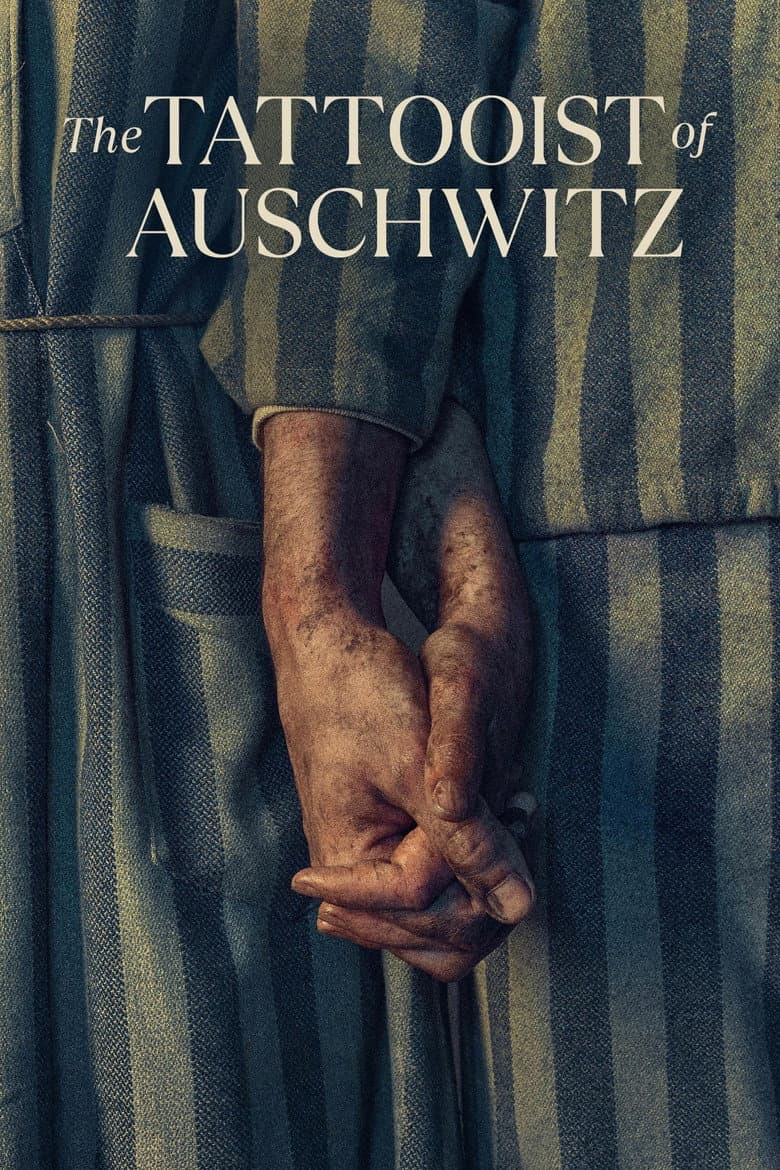
TV Show · 2024
The powerful real-life story of Lali Sokolov, a Jewish prisoner who was tasked with tattooing ID numbers on prisoners' arms in the Auschwitz-Birkenau concentration camp during…
