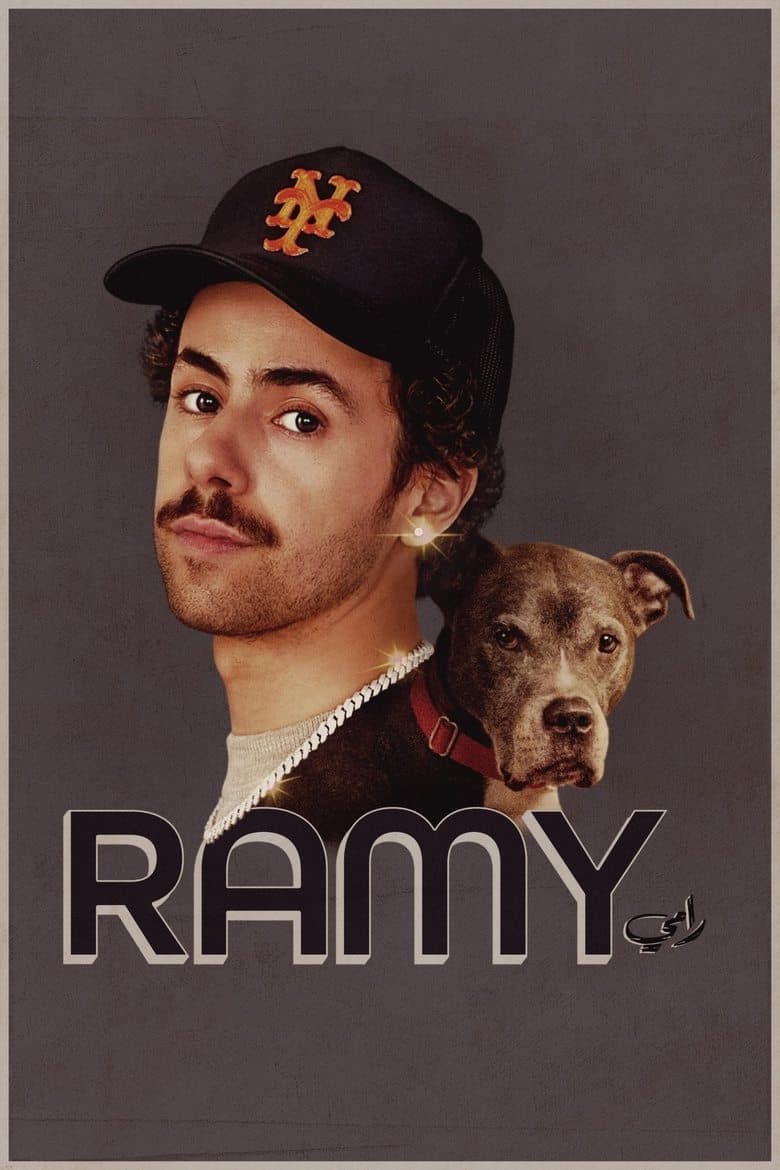
Started April 19, 2019 · Ended · Based on 3 seasons, 30 episodes through September 30, 2022 · TV-MA · 30 min
Ramy is a comedy-drama show set in a modern New Jersey neighborhood. The story follows a first-generation Egyptian-American millennial named Ramy Hassan who is trying to find his way. He struggles to balance his Muslim faith with the secular lifestyle of his American friends, creating a lot of inner conflict as he makes bad choices. Viewers will easily notice several strong social-justice themes throughout the series. It heavily focuses on lessons about anti-black racism within the Arab-American community, especially in the second season. The show also highlights female empowerment and patriarchal struggles through Ramy's sister and mother. Additionally, it features a prominent storyline about a closeted gay relative, pushing queer representation directly into the narrative. These activist themes are highly visible and shape much of the show's later seasons.
Community feedback
Was our 89% Woke rating accurate?
Breakdown
These are the editorial factors and ratings behind our score for Ramy.
Woke representation / casting
The series features highly visible diversity, focusing entirely on Arab-American, Muslim, and black characters. While this fits the New Jersey setting, the casting is heavily highlighted in marketing and media as a victory for "intersectional representation". The inclusion of a major closeted gay character (Uncle Naseem) and black Muslim characters like Sheikh Ali specifically serves to highlight racial and sexual diversity within a religious group. This pushes the casting into a more deliberate, identity-signaling territory rather than just an incidental creative choice.
60%
Woke political dialogue
The dialogue frequently dives into modern progressive talking points. Characters directly debate systemic issues like Arab anti-blackness, patriarchal double standards, microaggressions, and geopolitical issues such as the Israeli-Palestinian conflict. For example, Ramy is criticized for working with "Zionists" in the diamond district, and characters openly lecture each other on privilege and progressive political correctness. While some of these debates are framed with comedic nuance, the activist language is highly noticeable and mirrors modern left-wing political discourse.
65%
Identity-driven story themes
Identity politics are the core engine of the narrative. The show is highly focused on how various marginalized identities intersect, specifically looking at what it means to be Muslim, Arab, female, disabled, or gay in modern America. Uncle Naseem's secret struggles with homosexual desires are a major focus in seasons two and three. Additionally, the show dedicates entire episodes to the feminist struggles of Ramy's sister and mother under traditional patriarchal expectations. Because the show heavily prioritizes these intersectional identity conflicts, the theme is dominant.
85%
Western institutional / cultural critique
The series constantly critiques traditional social structures, family expectations, and conservative religious norms, presenting them as highly flawed and restrictive. It takes aim at what it portrays as toxic masculinity and male entitlement within the family unit. The show also takes shots at capitalism, showing Ramy's pursuit of financial success in the diamond district as spiritually corrupting. While it critiques Eastern and Islamic conservative cultures as well, it frames these criticisms through a modern Western social-justice lens, portraying traditional family norms as toxic.
70%
Woke character or canon changes
Not relevant. The series is an original comedy-drama loosely based on the real life and stand-up comedy of its creator, Ramy Youssef. There is no established canon, source material, or historical text to change.
0%
Anti-woke backlash and complaints
Conservative and religious viewers have criticized the show for pushing progressive propaganda. These complaints argue that the series uses its Muslim characters to promote left-wing social values, such as gender fluidity, sexual liberation, and LGBT acceptance, while ignoring or sanitizing traditional religious teachings. Online critics have accused the show of serving as a Trojan horse for secular, woke ideals. However, this backlash is mostly confined to traditionalist and religious online forums rather than broad mainstream media campaigns.
45%
Creator track record context
The creative team behind the show has a strong track record of progressive and activist-led projects. Writer and social impact advisor Maytha Alhassen is a prominent social-justice organizer with a woke score of 95, while director Desiree Akhavan (84) frequently focuses on queer narratives. Producers Bridget Bedard (75) and Jerrod Carmichael (65) also have extensive histories of backing identity-driven and representation-first content. While the core creators maintain slightly lower profiles, the writing and directing team is heavily populated by social-justice advocates.
60%
Production

TV Show · 2019
A paragliding mishap drops a South Korean heiress in North Korea -- and into the life of an army officer, who decides he will help her hide.
TV Show · 2023
The lives of a realtor, a plumber and a former tennis star unexpectedly collide, exposing America’s obsession with true crime, murder and the slow-close toilet seat.
TV Show · 2018
A hit man from the Midwest moves to Los Angeles and gets caught up in the city's theatre arts scene.
TV Show · 2024
The life of an American woman living in Kyoto, Japan, is upended when her husband and son disappear in a mysterious plane crash.
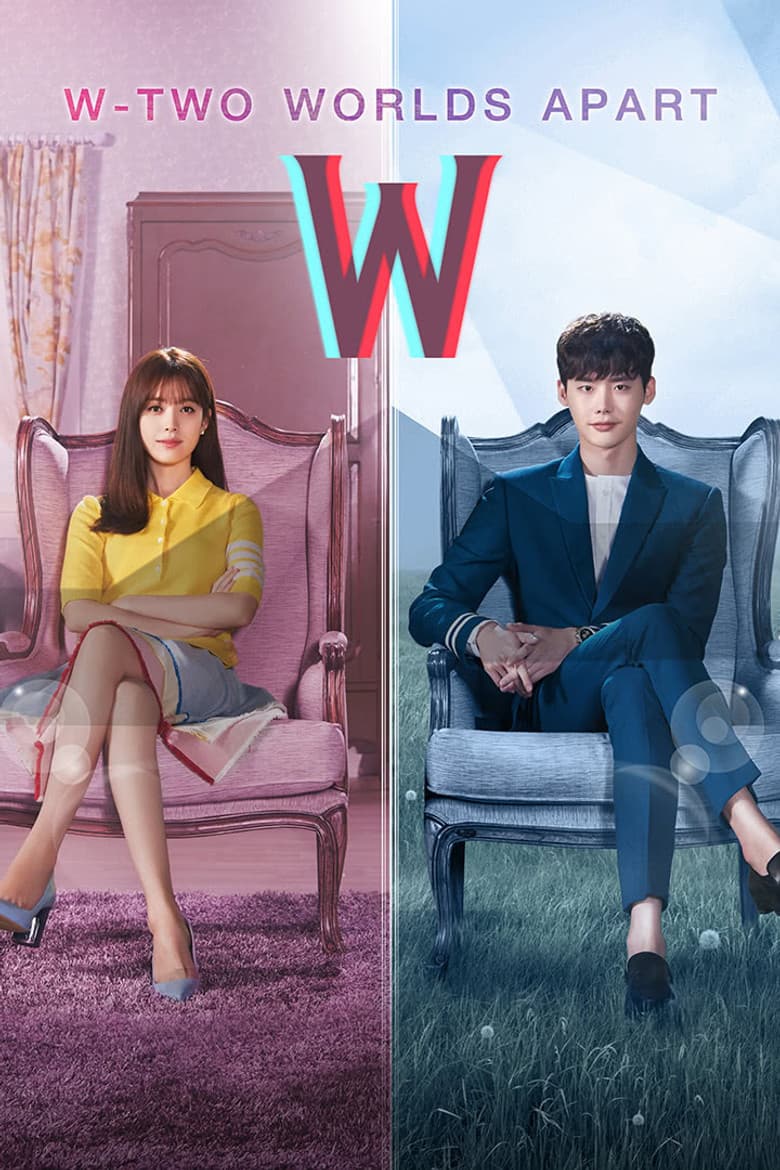
TV Show · 2016
After being pulled into the webtoon world created by her father, a surgical resident gets entangled in a murder mystery involving the story's hero.
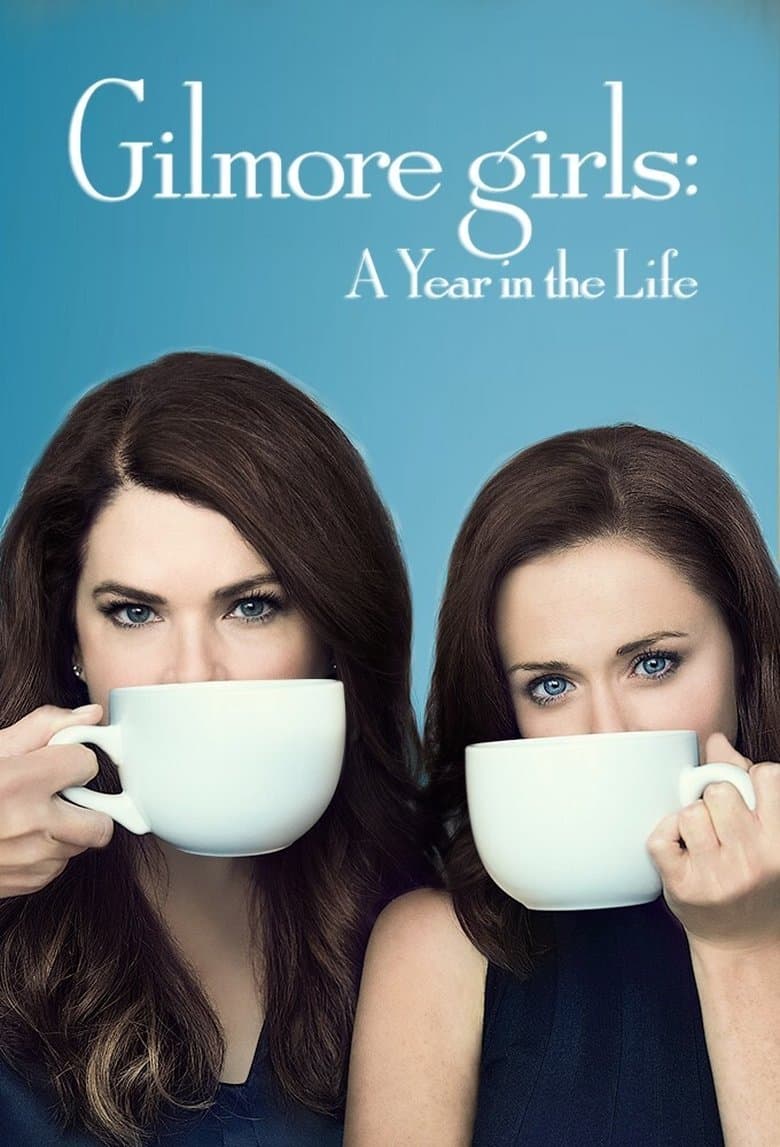
TV Show · 2016
Set nearly a decade after the finale of the original series, this revival follows Lorelai, Rory and Emily Gilmore through four seasons of change.
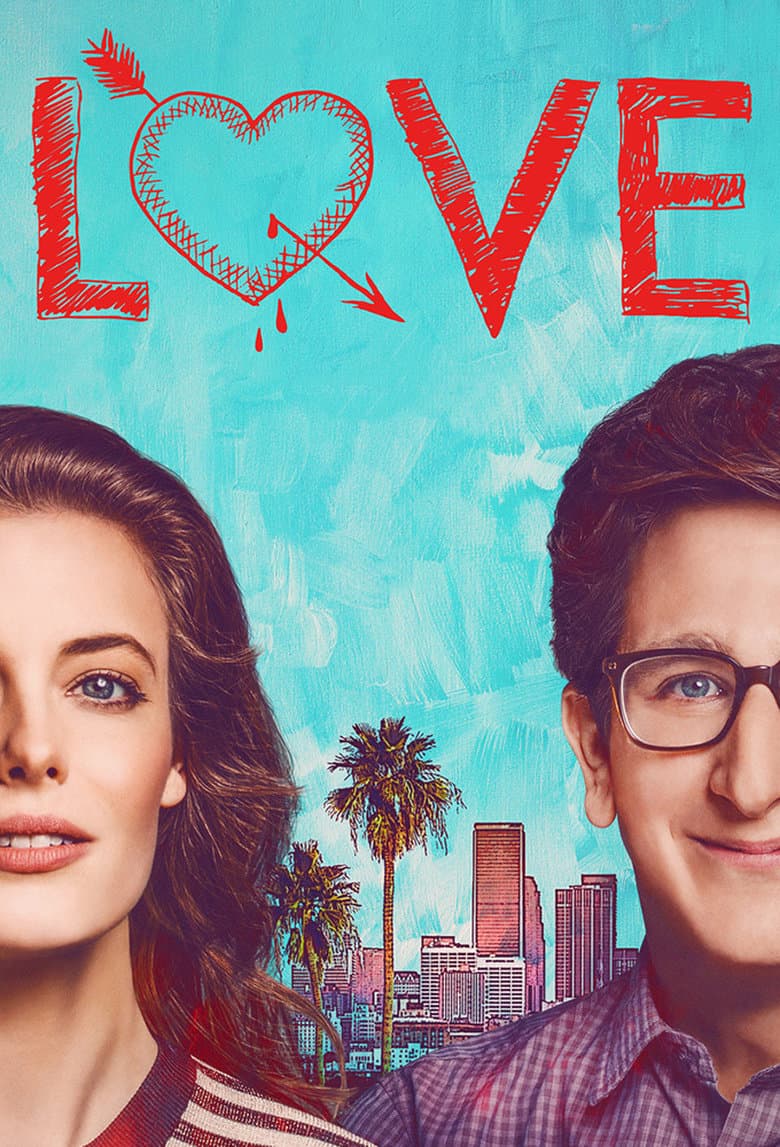
TV Show · 2016
Rebellious Mickey and good-natured Gus navigate the thrills and agonies of modern relationships.
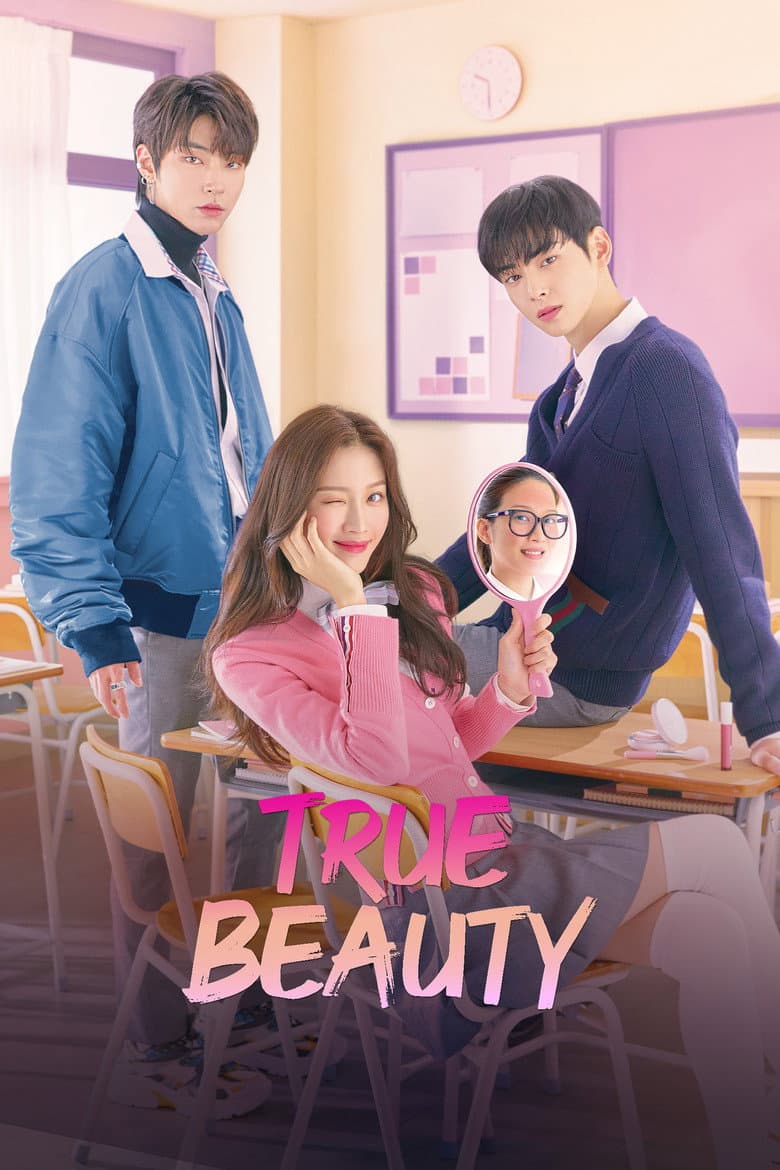
TV Show · 2020
After being bullied and discriminated because of her ugly looks, a high school girl transforms herself into a gorgeous "goddess" and quickly rises to fame after mastering the art…
