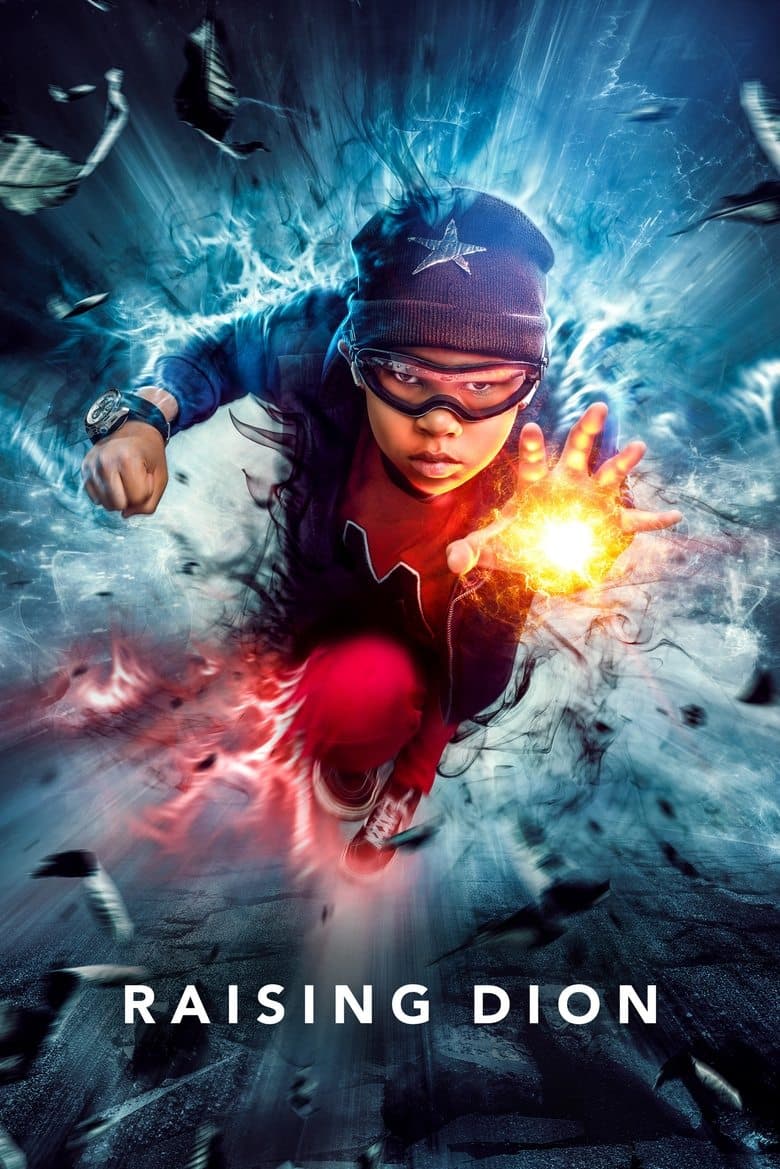
Started October 4, 2019 · Canceled · Based on 2 seasons, 17 episodes through February 1, 2022 · TV-PG
Raising Dion is a sci-fi drama about a widowed black mother named Nicole who raises her young son in Atlanta. Their lives change when Dion starts showing superpowers like telekinesis. Nicole must keep his gifts a secret to protect him from a dangerous corporation and a dark entity called the Crooked Man. She gets help from her sister, friends, and her late husband's best friend. The show heavily weaves modern social themes and representation into the story. A key episode focuses on Dion facing a racially biased school principal, leading to a serious talk about being a black boy in America. The series also highlights visible diversity with a main character who uses a wheelchair. Additionally, Nicole's sister is a lesbian who has a secret girlfriend. These identity-focused storylines are clear throughout both seasons.
Community feedback
Was our 87% Woke rating accurate?
Breakdown
These are the editorial factors and ratings behind our score for Raising Dion.
Woke representation / casting
The series puts representation front and center. The main hero is a young black boy raised by a single mother. It also includes visible diversity in secondary characters. Dion's best friend is a disabled girl in a wheelchair, and his aunt Kat is openly lesbian. Because she is a lesbian, this adds LGBTQ+ representation to the mix, which carries extra weight. The cast choices are explicitly designed to promote modern diversity.
68%
Woke political dialogue
The show features explicit dialogue about racial prejudice and modern social issues. In one key episode, Nicole sits her seven-year-old son down for "the talk" about being black in America after a school conflict. The conversation directly addresses systemic racism and tells Dion that the world will view him differently. Other parts of the dialogue critique the American healthcare system when Nicole struggles to pay for asthma medicine.
58%
Identity-driven story themes
The story is deeply rooted in identity. It focuses on a black single mother raising a child while navigating systemic hurdles. Racial identity is a major plot point, specifically when Dion faces unfair treatment from a white school principal. The inclusion of a lesbian aunt and her relationship struggles adds clear queer representation to the narrative themes, which increases the overall identity weight.
62%
Western institutional / cultural critique
The show targets Western institutions like the education system, portraying a white school principal as racially biased. It also critiques the capitalist healthcare system. Additionally, the main white male character, Pat, starts as a helpful friend but is revealed to be a manipulative, entitled villain. This twist plays into modern critiques of male behavior hidden behind a "nice guy" facade.
55%
Woke character or canon changes
The original 24-page comic was very brief and focused almost entirely on Dion and Nicole. The television adaptation expanded this world significantly. In doing so, the writers added several new supporting characters to emphasize modern diversity. This includes Dion's wheelchair-using best friend, Esperanza, and his aunt Kat, who was given a lesbian relationship subplot not found in the original source material.
35%
Anti-woke backlash and complaints
The show faced noticeable backlash from viewers who criticized its heavy emphasis on social justice. Many online complaints on platforms like Reddit and GameFAQs labeled the series as preachy. Critics pointed specifically to the episode featuring "the talk" about racism, arguing that the plotline about a cartoonishly biased school principal felt forced and served as political propaganda.
40%
Creator track record context
The creators have a strong track record of integrating social-justice themes into their work. Showrunner Carol Barbee and writers like Leigh Dana Jackson, Dennis Liu, and Kimberly Ndombe actively champion diversity and racial equity. Writers like Joshua Sternin, Jennifer Ventimilia, and Michael Poisson have a history of creating and promoting prominent LGBTQ+ stories in Hollywood.
56%
Production
TV Show · 2025
Two outlaws must navigate the galaxy's dangerous underworld as they chart their destinies.
TV Show · 2021
The 'Bad Batch' of elite and experimental clones make their way through an ever-changing galaxy in the immediate aftermath of the Clone Wars.
TV Show · 2022
Journey into the lives of two distinctly different Jedi from the prequel era – Ahsoka Tano and Count Dooku. Each will be put to the test as they make choices that will define…
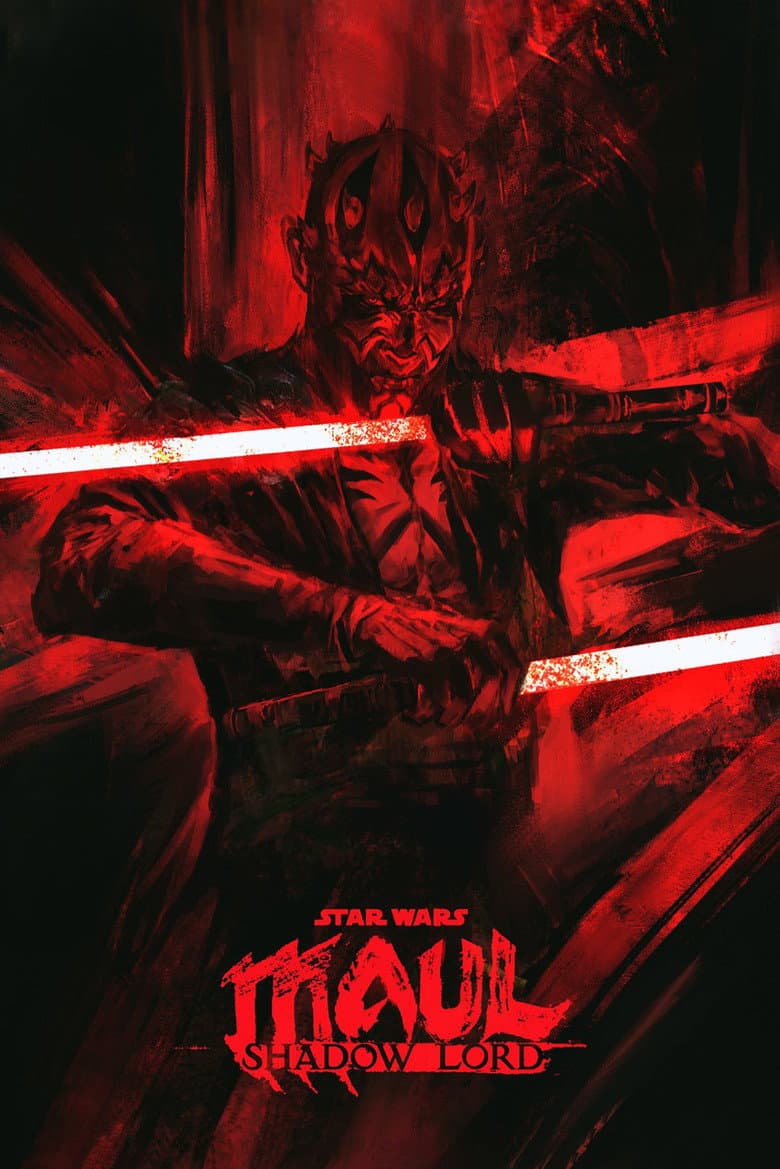
TV Show · 2026
After the Clone Wars, Maul plots to rebuild his criminal syndicate on a planet untouched by the Empire.
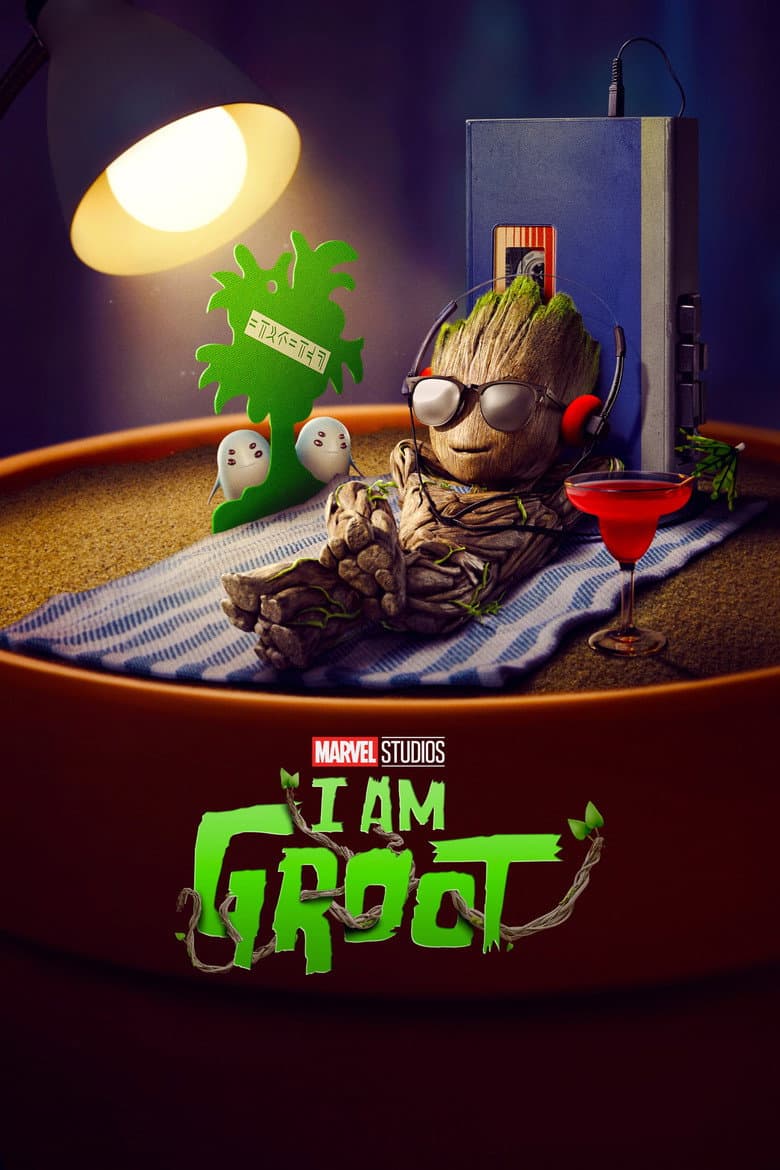
TV Show · 2022
There's no guarding the galaxy from this mischievous toddler! Get ready as Baby Groot takes center stage in his very own collection of shorts, exploring his glory days growing up…
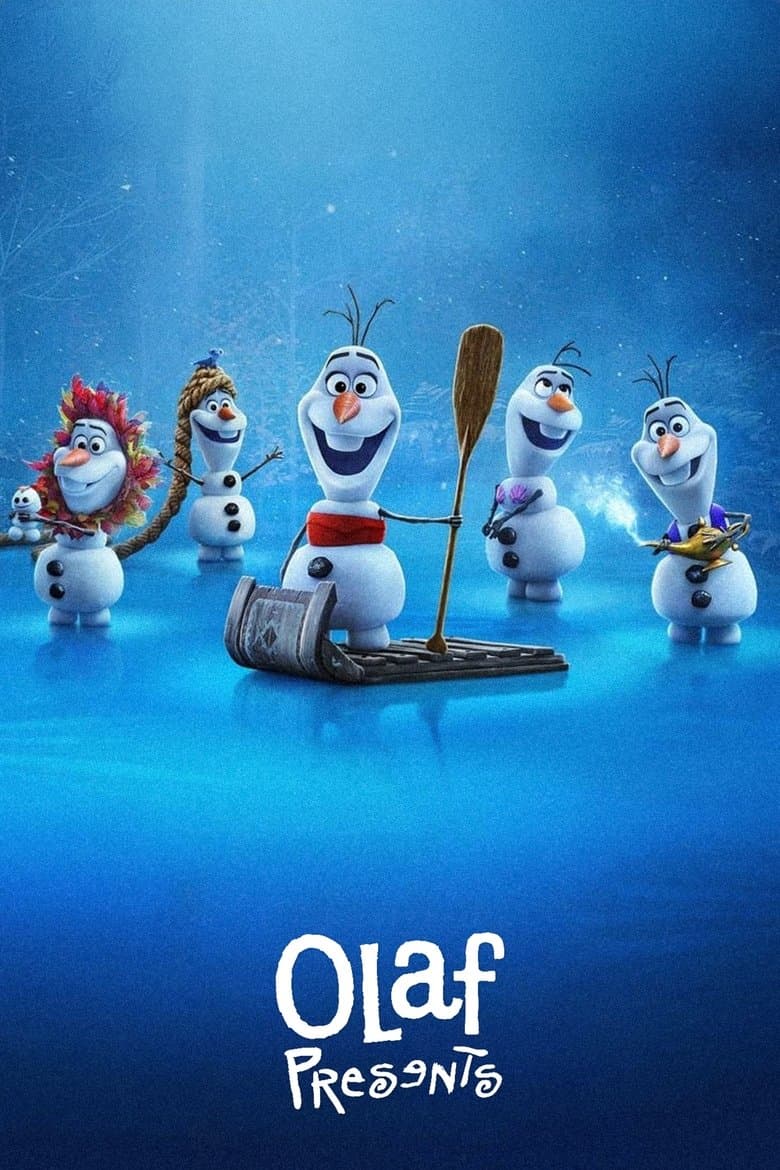
TV Show · 2021
Frozen’s beloved snowman retelling several classic Disney tales as only he can.
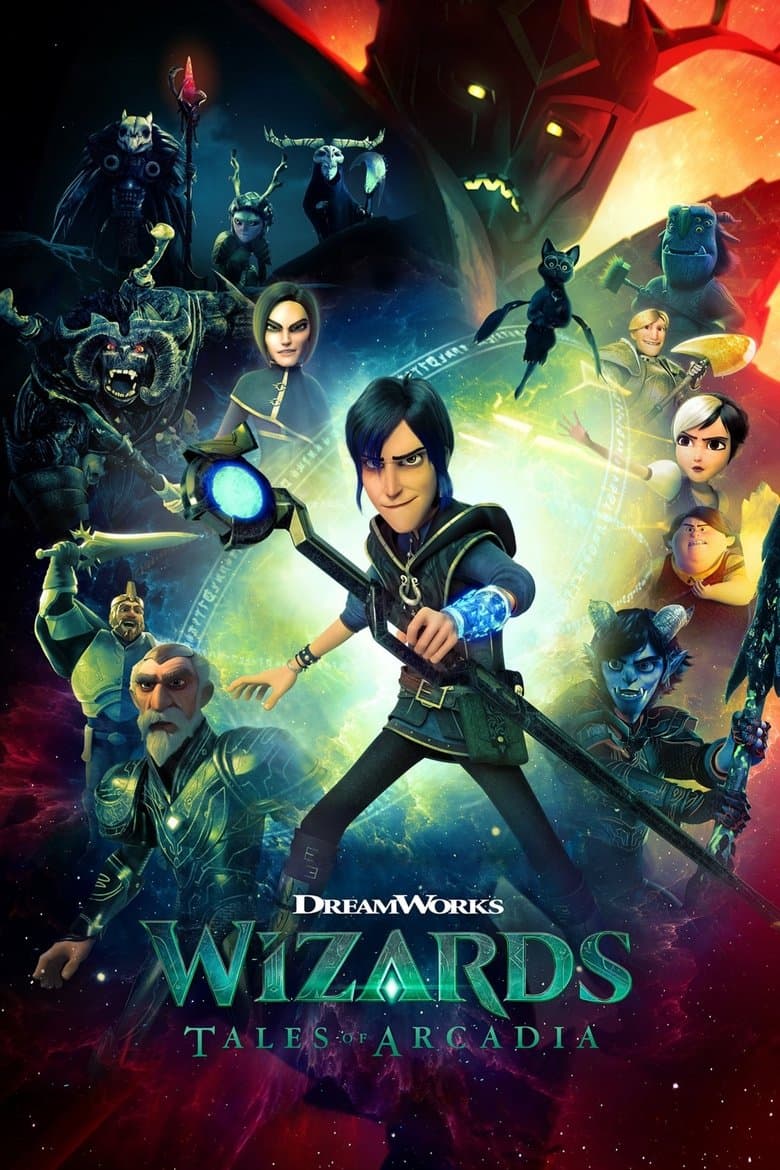
TV Show · 2020
Merlin’s apprentice joins Arcadia’s heroes on a time-bending adventure in Camelot, where conflict is brewing between the human, troll and magical worlds.
TV Show · 2022
When an explosive battle with Dr. Eggman shatters the universe, Sonic races through parallel dimensions to reconnect with his friends and save the world.
