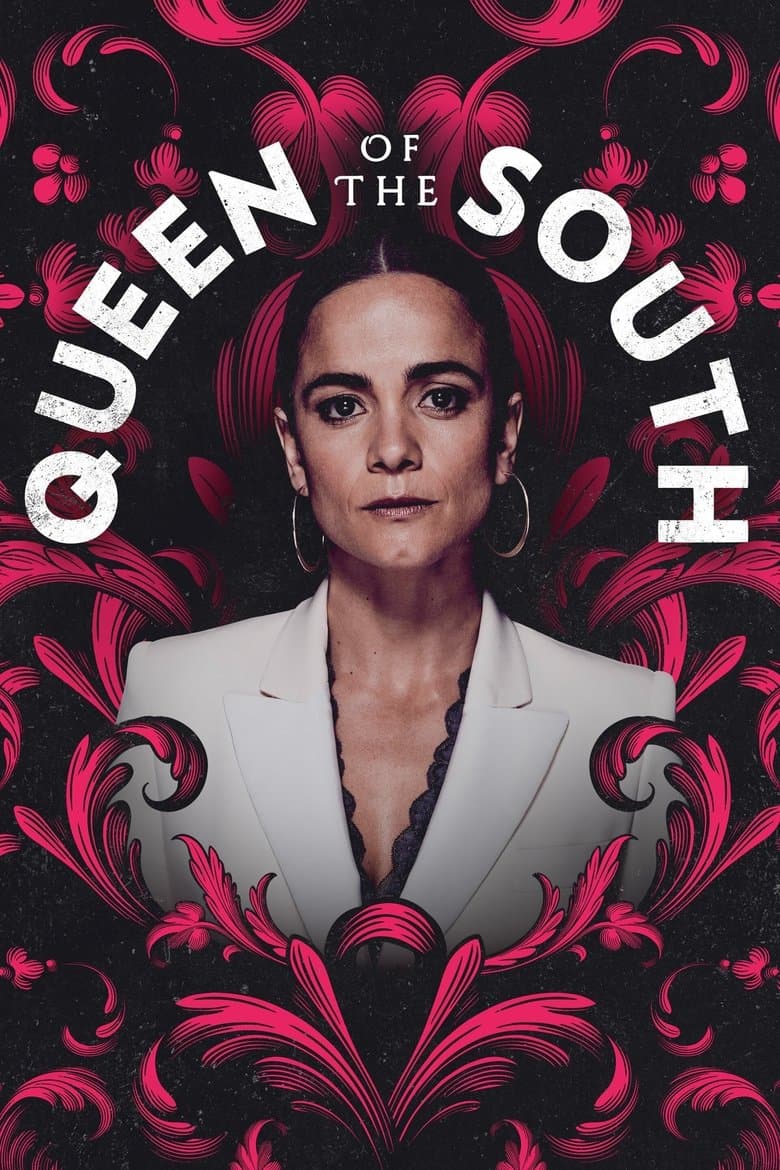
Started June 23, 2016 · Based on 5 seasons, 62 episodes · TV-MA · 42 min
Teresa Mendoza flees Mexico after her drug-running boyfriend is murdered. She reaches Dallas and joins the cartel led by Camila Vargas, a powerful woman who sees Teresa’s talent. Teresa slowly builds her own drug empire while she fights rivals, corrupt officials, betrayal, and the cost of violence. The five seasons move through Mexico, Texas, Arizona, New Orleans, and other countries, and the tone stays dark, tense, and violent.
The show puts Latina women at the center of power in a world usually led by men. Teresa and Camila become feared cartel leaders, and their rivalry is often framed as a fight against male control and as female empowerment. Later seasons add stories about racism against outsiders, poverty, and racism within Latino communities. King George also has a suggested romantic bond with his male partner Bilal, but the queer material stays small beside the crime story.
Community feedback
Was our 53% Woke rating accurate?
Breakdown
These are the editorial factors and ratings behind our score for Queen of the South.
Woke representation / casting
The cast is mostly Latino because the story centers on Mexico, Texas, and Latin American drug networks. The show also puts Teresa and Camila, two Latina women, in its most important power roles. Interviews and final-season coverage present the series as a rare Latina-led story and a statement about women in power. King George’s implied relationship with Bilal adds a smaller LGBTQ representation point. The identity emphasis is clear, but the casting largely fits the story world.
38%
Woke political dialogue
Season 4 gives one group the name People of Color Chamber of Commerce and uses it in a business scene. The later story discusses racism against outsiders and racism within Latino communities. The showrunner also tied the New Orleans plot to a president calling Mexicans rapists and to the need to explore racism built into institutions. Most dialogue still covers cartel deals, revenge, and survival, so the political language is limited.
24%
Identity-driven story themes
Teresa’s rise centers on a woman taking power in a cartel world that expects women to obey men. Camila trains her, and the series treats their rivalry as a challenge to male control. The writers describe the story as exploring misogyny, rape, motherhood, and women of color in power. King George has an implied relationship with Bilal and openly flirts with a man, adding a smaller queer thread. Crime, revenge, family, and survival remain the main goals, so the identity message is clear but not dominant.
56%
Western institutional / cultural critique
Season 4 uses New Orleans to connect crime with racism and poverty. The showrunner said the story was meant to explore racism built into institutions and poverty, and described Judge Lafayette as a man who keeps minorities down. Season 5 adds scenes about everyday racism and racism within Latino communities. The wider series also shows corrupt politicians, judges, police, and the CIA, but those parts still work as standard crime drama.
42%
Woke character or canon changes
Not relevant. adaptation changes (U.S. setting vs. novel’s Europe) were made for American audience appeal, not ideological reasons.
0%
Anti-woke backlash and complaints
Not present in this title.
0%
Creator track record context
Most listed directors and producers have standard television careers with little public activism. Dailyn Rodriguez has supported more Latino stories and later ran the show. Fernanda Coppel often writes about Latina identity, and her other work includes a queer-themed project. Title-related interviews use language about misogyny, racism, and women of color in power. This gives the creator context a clear but limited woke signal.
29%
Production
TV Show · 2019
Erica Shepherd is a brilliant former CIA operative, now known as the most notorious traitor in American history serving life in a Supermax prison.
TV Show · 2022
Bosch is now making a living as a private investigator two years after he quit the LAPD and finds himself working with one time enemy and top-notch attorney Honey “Money”…

TV Show · 2021
Facing an existential threat that could bring down the Crime Lab, a brilliant team of forensic investigators must welcome back old friends and deploy new techniques to preserve…

TV Show · 2018
The stranger-than-fiction account of a prison break in upstate New York in the summer of 2015, which spawned a massive manhunt for two convicted murderers who were aided in their…
TV Show · 2017
Detective John Cardinal attempts to uncover the mystery of what happened to the missing 13-year-old girl whose body is discovered in the shaft-head of an abandoned mine.

TV Show · 2025
In the working-class suburbs of Philadelphia, an FBI agent heads a task force assembled to put an end to a string of violent robberies led by an unsuspecting family man.
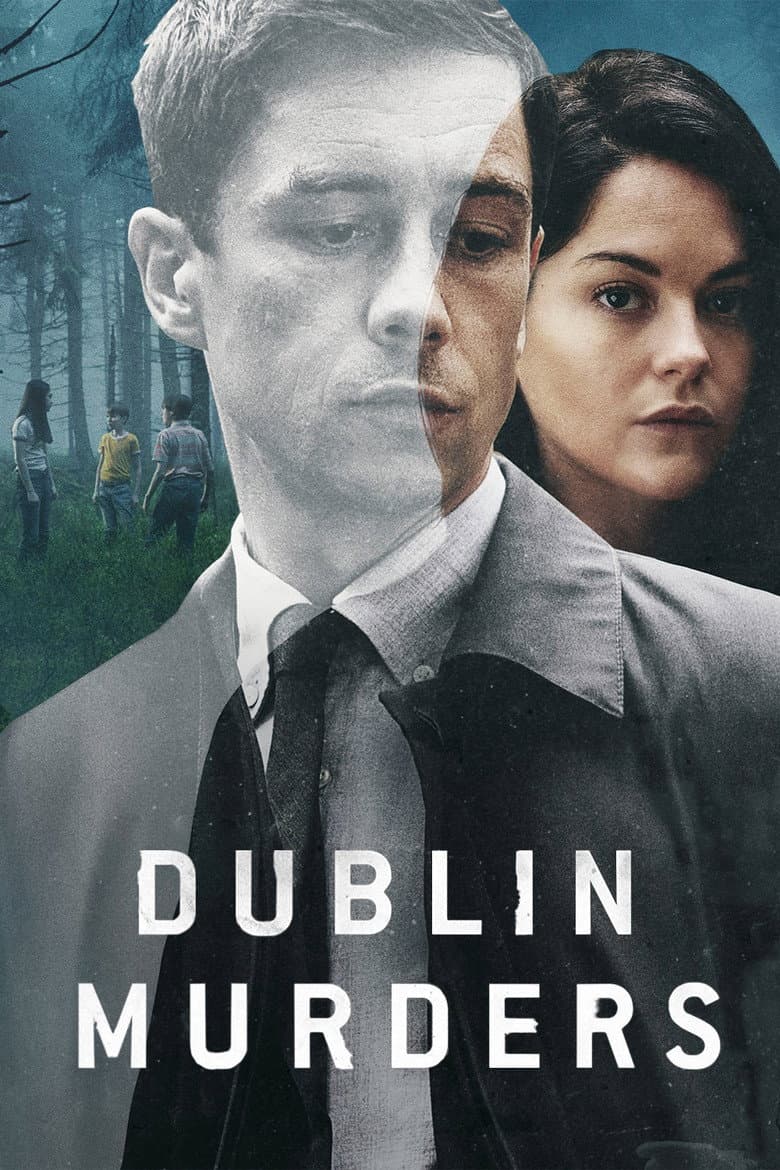
TV Show · 2019
Two detectives are dispatched to investigate the murder of a young girl on the outskirts of Dublin, but as the case of the missing children intensifies, both are forced to…
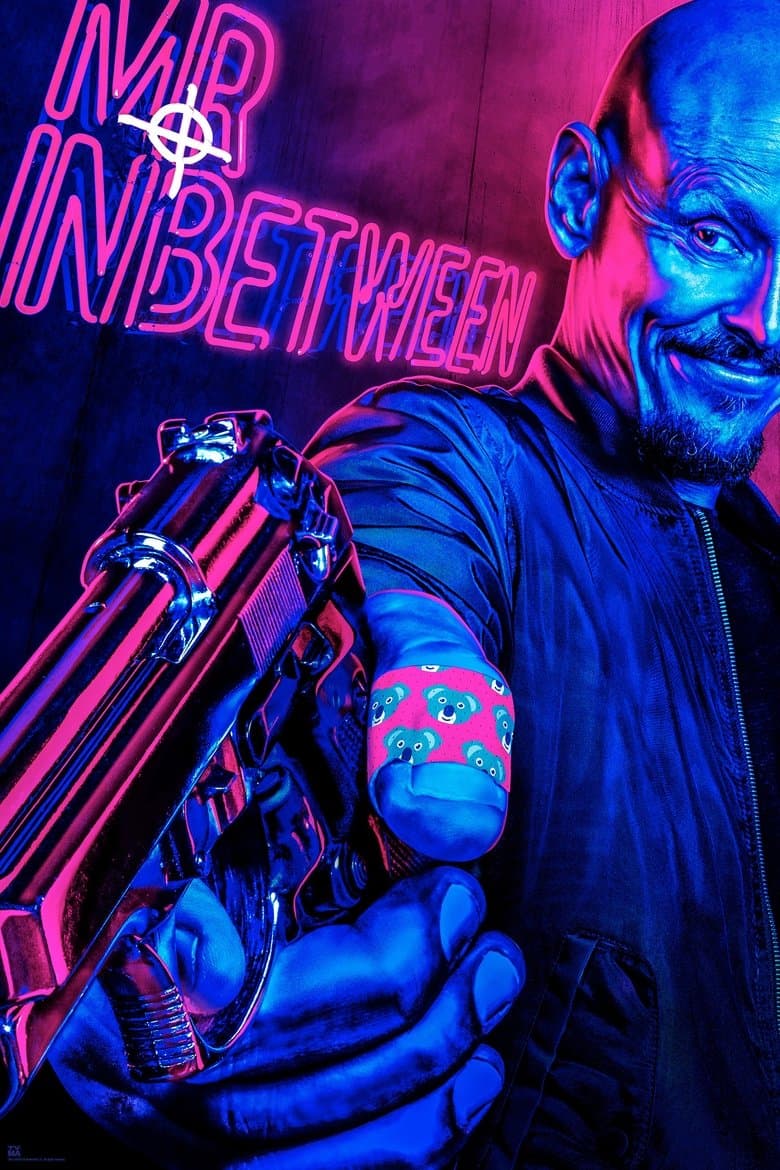
TV Show · 2018
Ray Shoesmith is a father, ex-husband, boyfriend and best friend: tough roles to juggle in the modern age. Even harder when you’re a criminal for hire.
