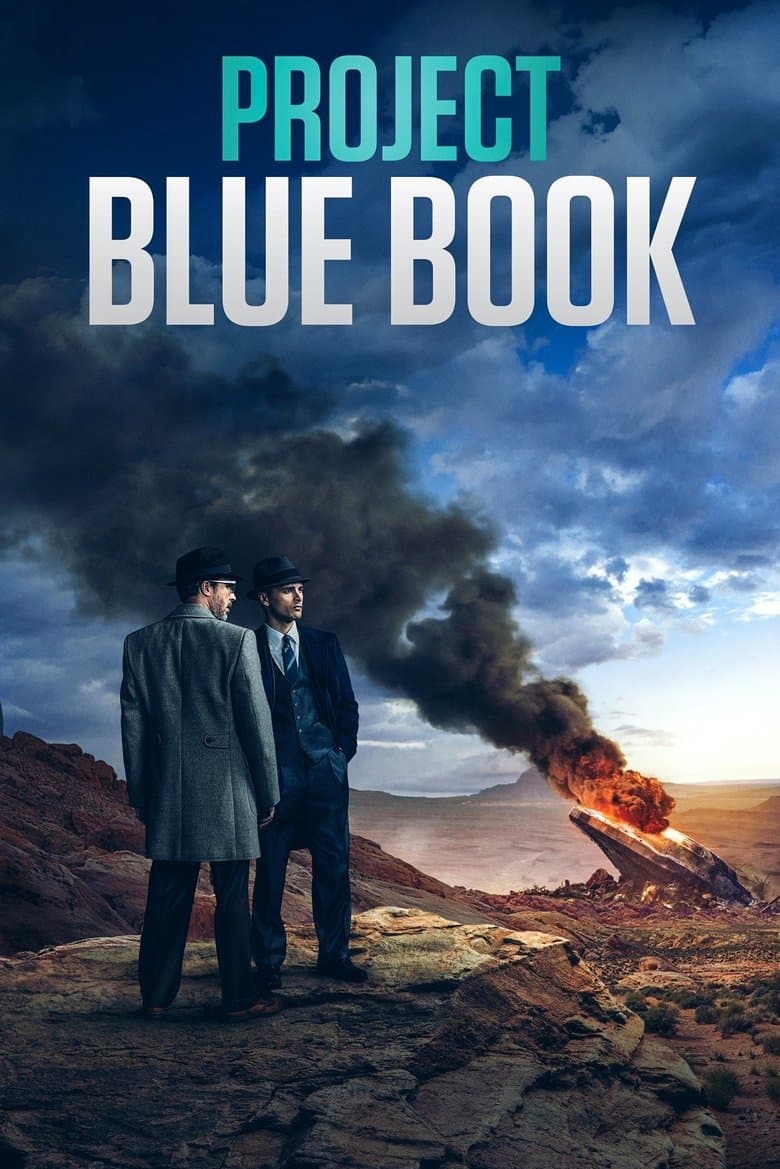
Started January 8, 2019 · Canceled · Based on 2 seasons, 20 episodes through March 24, 2020 · TV-14 · 44 min
Project Blue Book is a Cold War mystery drama set in the 1950s following the Air Force's real-life investigations into UFOs. The series centers on Dr. J. Allen Hynek, a brilliant astrophysicist, and Captain Michael Quinn, a tough military pilot. Together, they travel the country to debunk strange sightings while struggling to balance scientific truth with military cover-ups. The tone is highly suspenseful, capturing the paranoia of the red scare era. Viewers will notice some modern progressive themes mixed into the historical drama. Dr. Hynek's wife, Mimi, goes on a prominent female empowerment arc where she rebels against her traditional housewife role. This storyline includes a romantic relationship with a female Russian spy, featuring physically intimate lessons and a same-sex kiss. Additionally, later episodes highlight 1950s segregation and racial prejudice through a black CIA partner and an interracial couple.
Community feedback
Was our 53% Woke rating accurate?
Breakdown
These are the editorial factors and ratings behind our score for Project Blue Book.
Woke representation / casting
The show features a moderate level of representation. The most prominent example is the sapphic relationship between Mimi Hynek and Susie Miller, which introduces a clear LGBTQ dynamic. Season two also introduces a black CIA partner, Agent Banks, and portrays the historical interracial couple Betty and Barney Hill, highlighting their experiences with racial prejudice. Because queer representation receives extra weight under our system, this factor is scored slightly higher.
32%
Woke political dialogue
The dialogue is mostly focused on sci-fi mysteries and military procedures. However, there are occasional modern progressive conversations about female independence, the struggles of being a 1950s housewife, and some dialogue calling out historical racism and segregation when characters face prejudice in public spaces.
24%
Identity-driven story themes
The show features notable identity-driven themes. Mimi Hynek's character arc centers on seeking personal independence beyond being a housewife, leading to a physically intimate, romantic relationship with Susie Miller that includes a same-sex kiss. This prominent LGBTQ narrative, combined with themes of 1950s racial discrimination and segregation faced by minority characters, gives the story noticeable identity-focused elements.
43%
Western institutional / cultural critique
The series portrays the U.S. military, the CIA, and government officials as highly corrupt and deceitful. While this is a standard trope of the conspiracy-thriller genre, the narrative also includes minor critiques of traditional 1950s gender roles and nuclear-family dynamics through Mimi's unhappiness as a traditional housewife.
25%
Woke character or canon changes
The show deviates significantly from the real historical records of the people involved. The real Mimi Hynek did not have a romantic, sapphic relationship with a female Soviet spy. Fabricating this romantic subplot for a real historical figure represents a clear identity-driven change designed to insert a modern queer narrative into historical events.
36%
Anti-woke backlash and complaints
There was no massive public backlash, but some conservative and family-focused reviewers complained that the show incorporated modern left-leaning political narratives about systemic racism. Others disliked the extremely cynical portrayal of the U.S. military and government.
18%
Creator track record context
The creative team has a mixed track record. While creator David O'Leary has no activist history, some of the key writers have a notable progressive background, such as feminist writer Linda Burstyn and industry activist Thania St. John, while other producers and directors have moderate to low scores.
33%
Production
TV Show · 2016
A disgraced, 75-year-old ex-sheriff, whose life ends at the hands of corrupt cops, is brought back to life and given a second chance by a pair of young tech scientists, as a…
TV Show · 2016
In the near future a family must make difficult decisions as they balance staying together with trying to survive.
TV Show · 2016
Detective Raimy Sullivan is stunned when a voice suddenly crackles through her father’s old, long-broken ham radio – it’s Frank Sullivan, somehow transmitting over the airwaves…
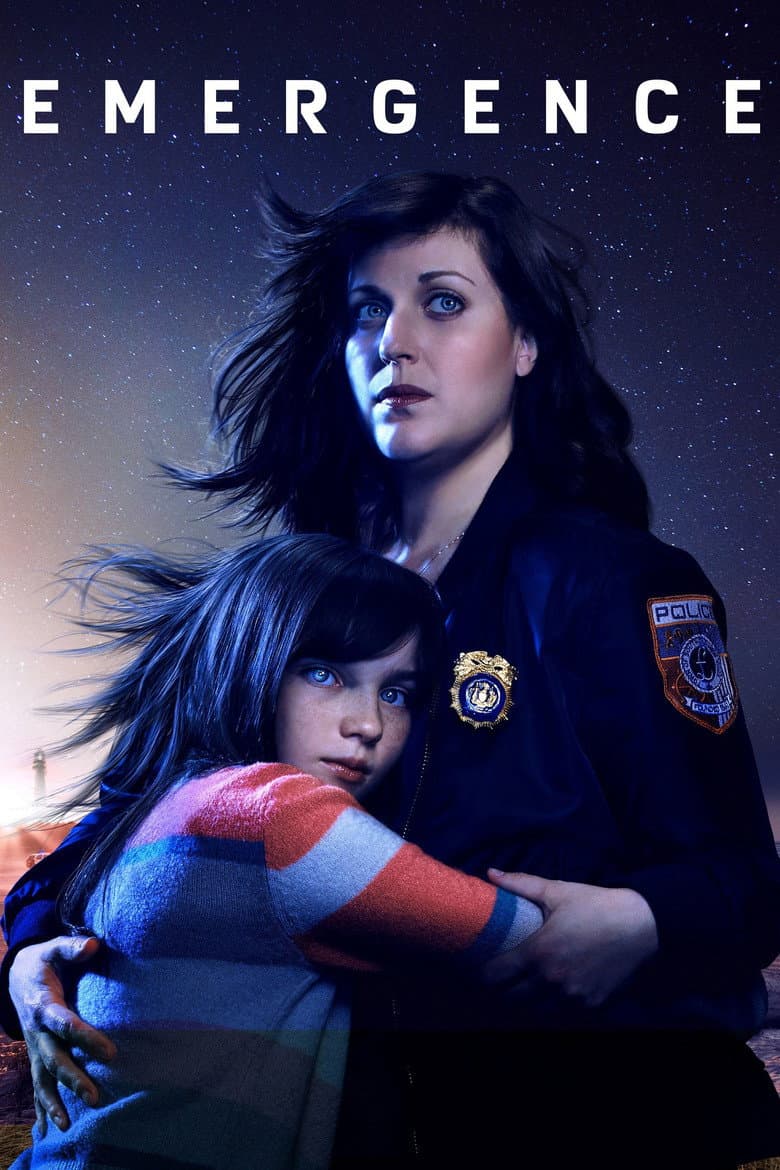
TV Show · 2019
A police chief takes in a young child she finds near the site of a mysterious accident who has no memory of what has happened.
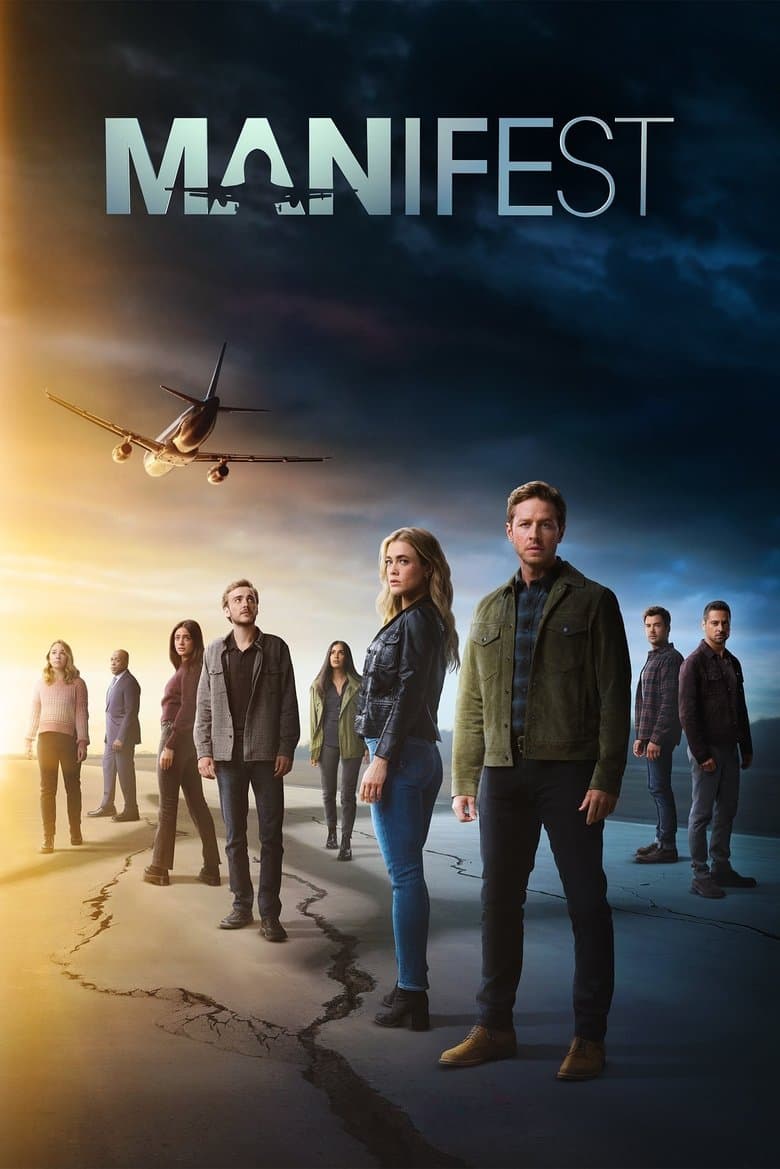
TV Show · 2018
After landing from a turbulent but routine flight, the crew and passengers of Montego Air Flight 828 discover five years have passed in what seemed like a few hours.
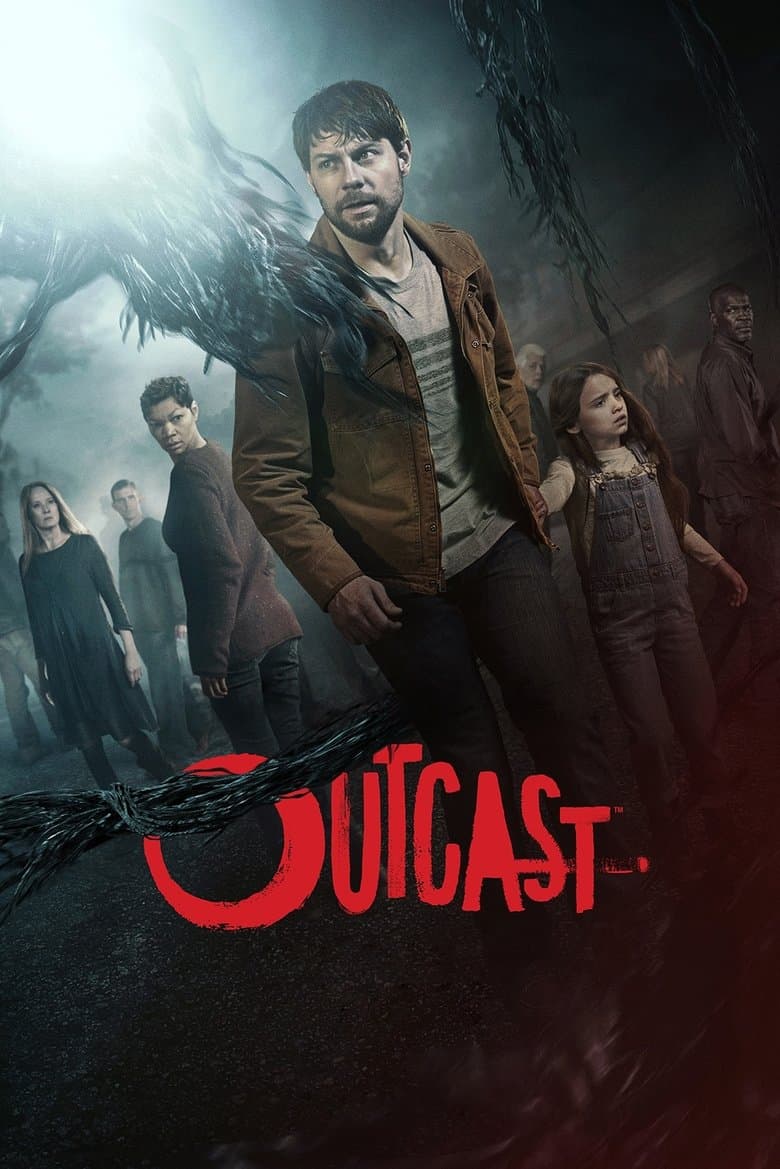
TV Show · 2016
Kyle Barnes has been plagued by possession since he was a child. Now an adult, he embarks on a spiritual journey to find answers, but what he uncovers could mean the end of life…
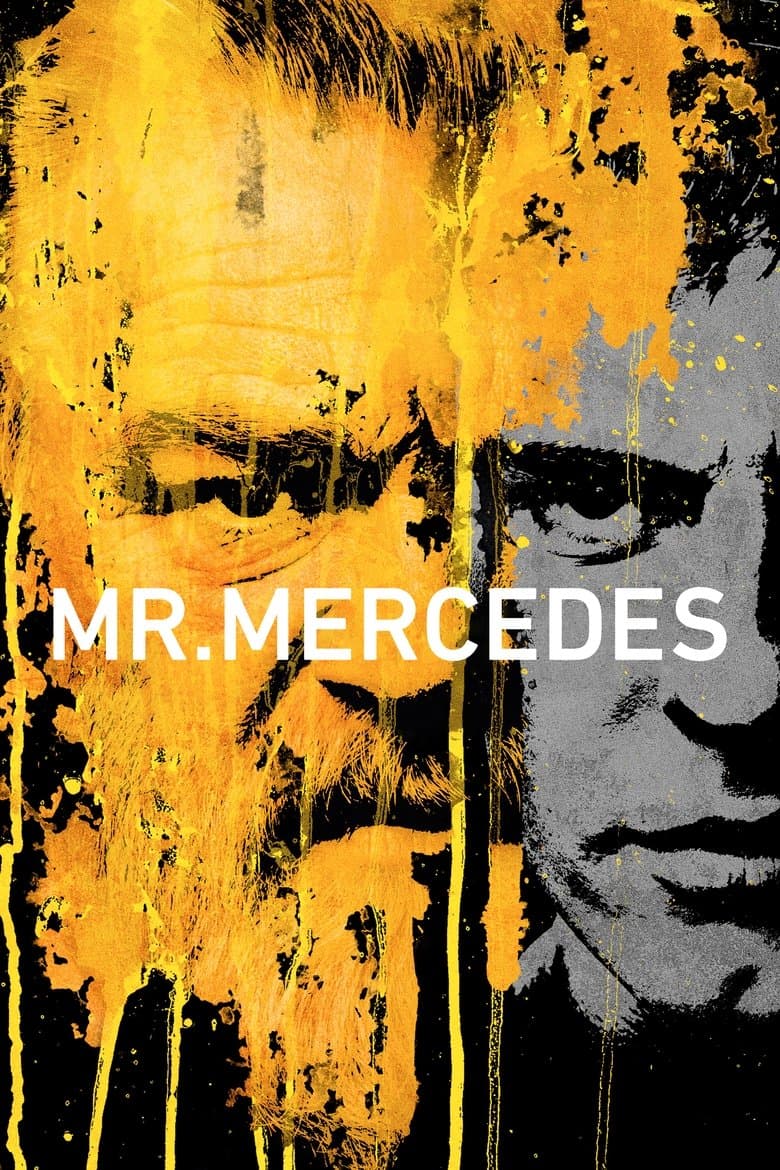
TV Show · 2017
A demented serial killer taunts a retired police detective with a series of lurid letters and emails, forcing the ex-cop to undertake a private, and potentially felonious, crusade…
TV Show · 2018
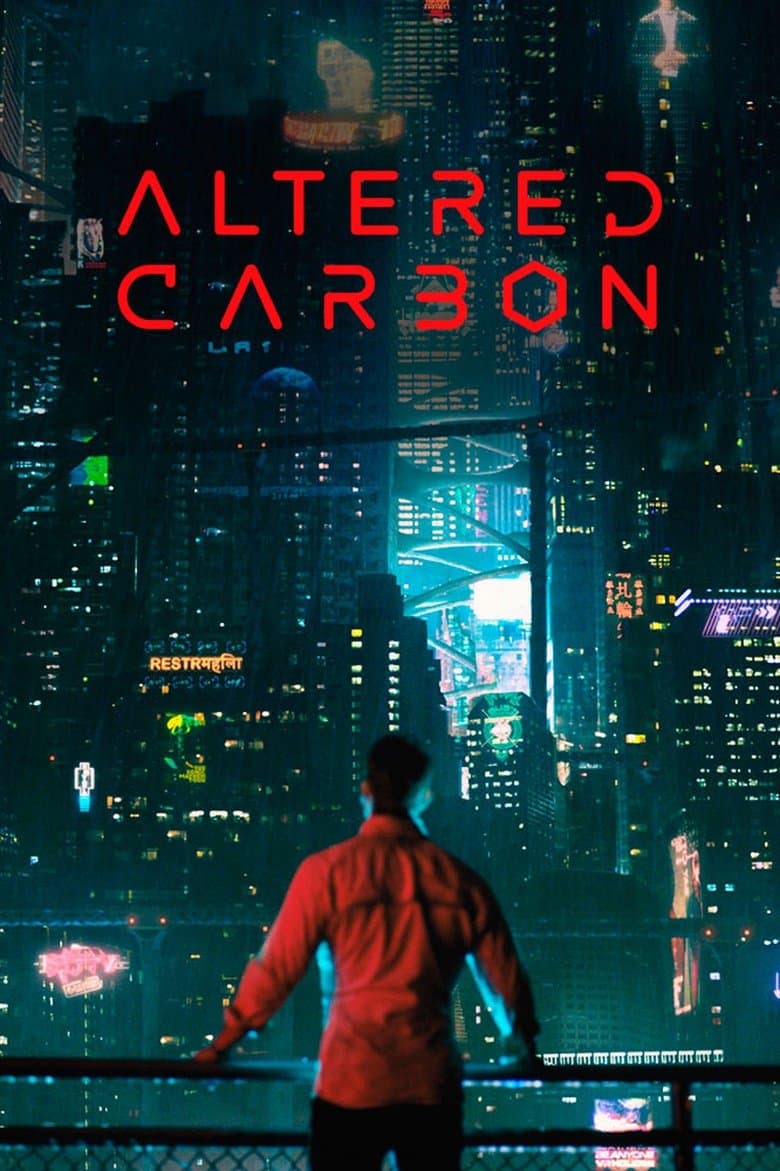
After 250 years on ice, a prisoner returns to life in a new body with one chance to win his freedom: by solving a mind-bending murder.
