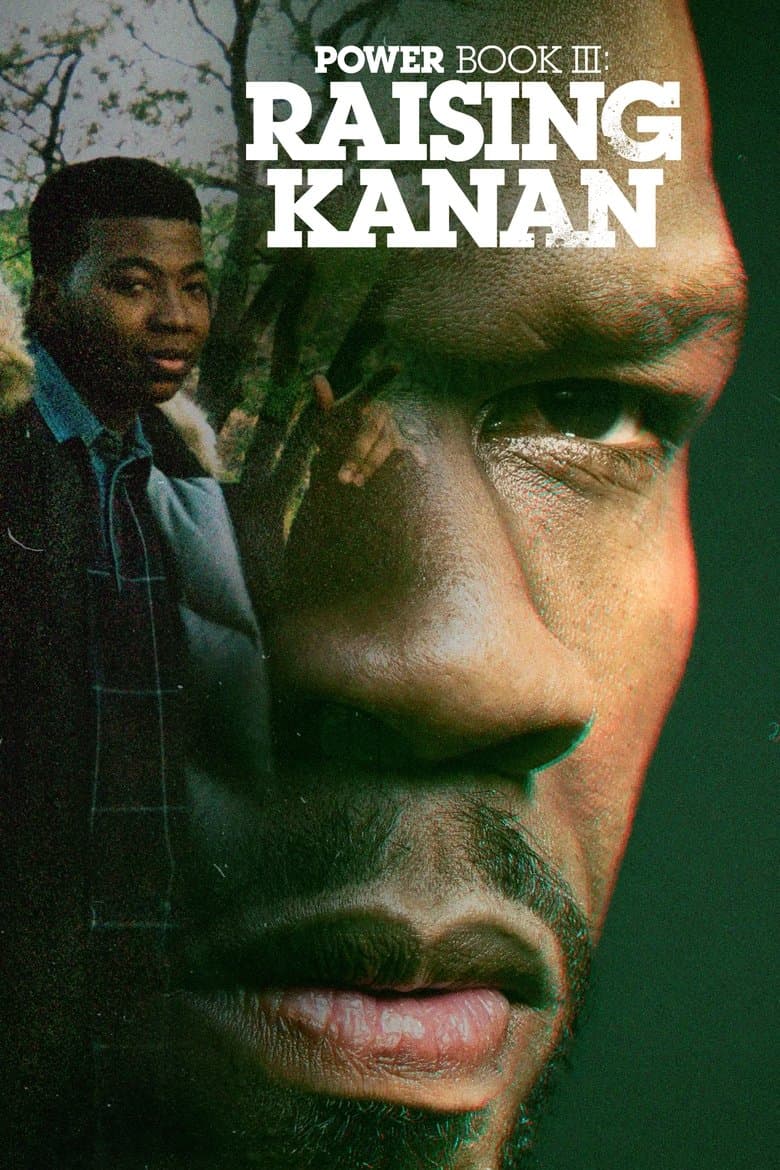
Started July 18, 2021 · Returning Series · Based on 5 seasons, 42 episodes through June 19, 2026 · TV-MA · 60 min
Power Book III: Raising Kanan is a crime drama series. It tells the story of how Kanan Stark grew up in Queens, New York during the 1990s. The show focuses on family struggles and the dangerous drug trade. Viewers will notice prominent girl power themes with a female drug lord ruling over her male relatives. The show also features a major storyline about a young lesbian character dealing with her sexuality, romantic relationships, and homophobia.
Community feedback
Was our 71% Woke rating accurate?
Breakdown
These are the editorial factors and ratings behind our score for Power Book III: Raising Kanan.
Woke representation / casting
The show features a prominent lesbian main character, Jukebox, who has multiple on-screen romantic relationships with other girls. The show also stars Raquel "Raq" Thomas as a highly competent female drug lord who runs the family business and exerts total control over her male brothers and rivals. While the show's mostly black cast is historically accurate to its 1990s Queens setting, the casting choices and role dynamics place a heavy emphasis on identity representation, particularly regarding queer identity and female empowerment in a male-dominated crime world.
60%
Woke political dialogue
The dialogue is mostly focused on period-accurate street politics, crime, and family loyalty. However, the show occasionally includes light dialogue criticizing corrupt police officers, systemic racial profiling, and homophobic religious teachings.
21%
Identity-driven story themes
A major storyline throughout the seasons focuses on Jukebox navigating her identity as a young lesbian. Her journey includes exploring her sexuality, experiencing violent rejection from her father, and surviving a traumatic forced gay conversion therapy program. Raquel's storyline also heavily emphasizes themes of female empowerment and rising above male dominance in the hyper-masculine criminal underworld.
68%
Western institutional / cultural critique
The series presents a highly negative critique of traditional religious institutions. This is seen when a Christian church forces Jukebox into a traumatic and abusive conversion therapy intervention. The show also depicts the local police force as deeply corrupt and racially biased, while framing traditional masculine roles in the street game as toxic and destructive.
52%
Woke character or canon changes
Not relevant. The show is a prequel series that stays consistent with the established canon of the original Power series, where Jukebox was already written as a lesbian character.
0%
Anti-woke backlash and complaints
There is no organized anti-woke campaign or boycott against the series. Most viewers enjoy it as a gritty crime drama. However, a small number of social media users have complained that the prominent focus on lesbian subplots and a female kingpin feels forced.
15%
Creator track record context
The primary show creators, 50 Cent and Sascha Penn, have low scores and focus on commercial entertainment. However, several episodic writers and directors, like Stacey Muhammad and Natasha Tash Gray, have strong activist profiles and focus their work on identity, race, and progressive themes.
45%
Production

TV Show · 2018
The stranger-than-fiction account of a prison break in upstate New York in the summer of 2015, which spawned a massive manhunt for two convicted murderers who were aided in their…
TV Show · 2020
Picking up just days after the “Power” finale, this sequel series follows Tariq navigating his new life, in which his desire to shed his father’s legacy comes up against the…
TV Show · 2021
In a small Michigan town where the business of incarceration is the only thriving industry, the McClusky family are the power brokers between the police, criminals, inmates…
TV Show · 2019
Two detectives are dispatched to investigate the murder of a young girl on the outskirts of Dublin, but as the case of the missing children intensifies, both are forced to…
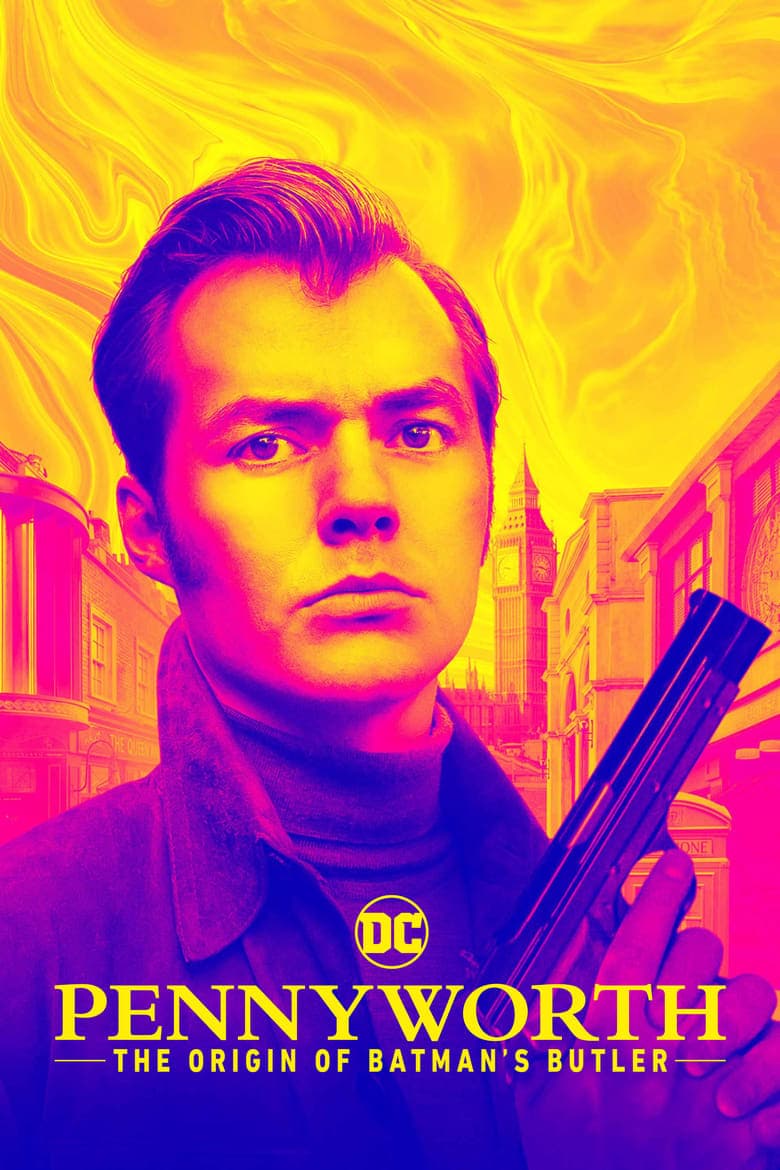
TV Show · 2019
The origin story of Bruce Wayne's legendary butler, Alfred Pennyworth, a former British SAS soldier who forms a security company in 1960s London and goes to work with young…
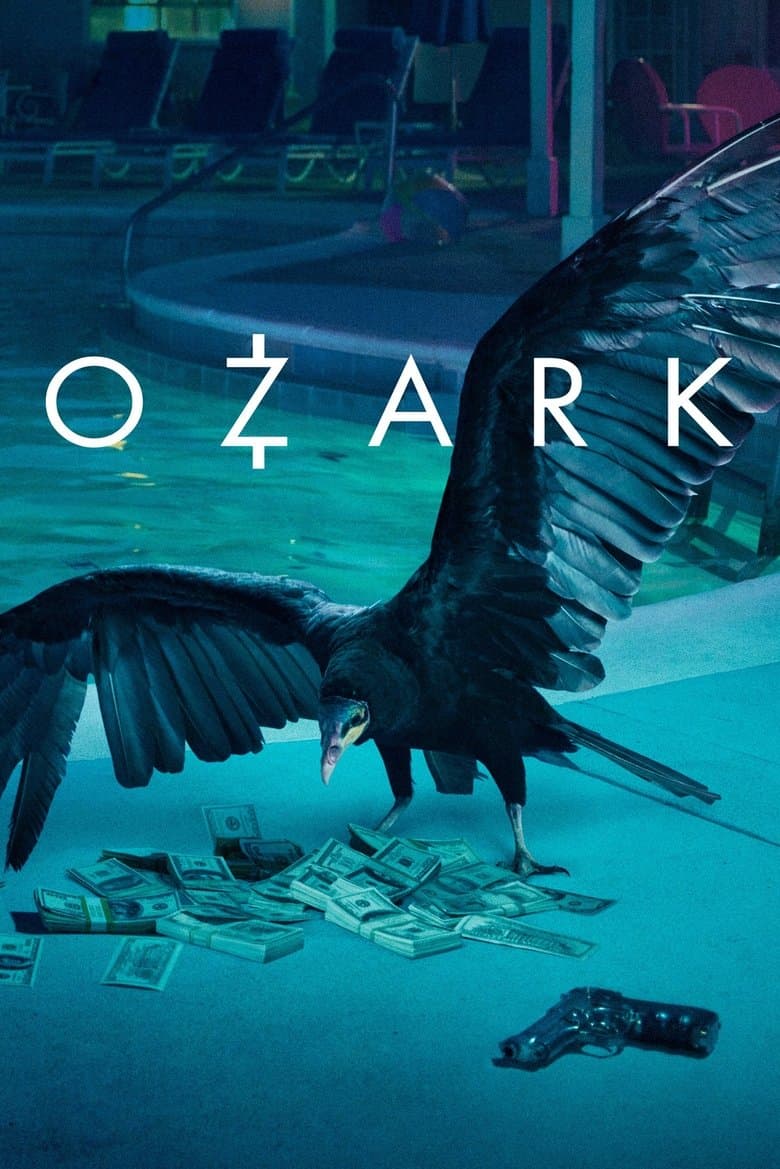
TV Show · 2017
A financial adviser drags his family from Chicago to the Missouri Ozarks, where he must launder $500 million in five years to appease a drug boss.
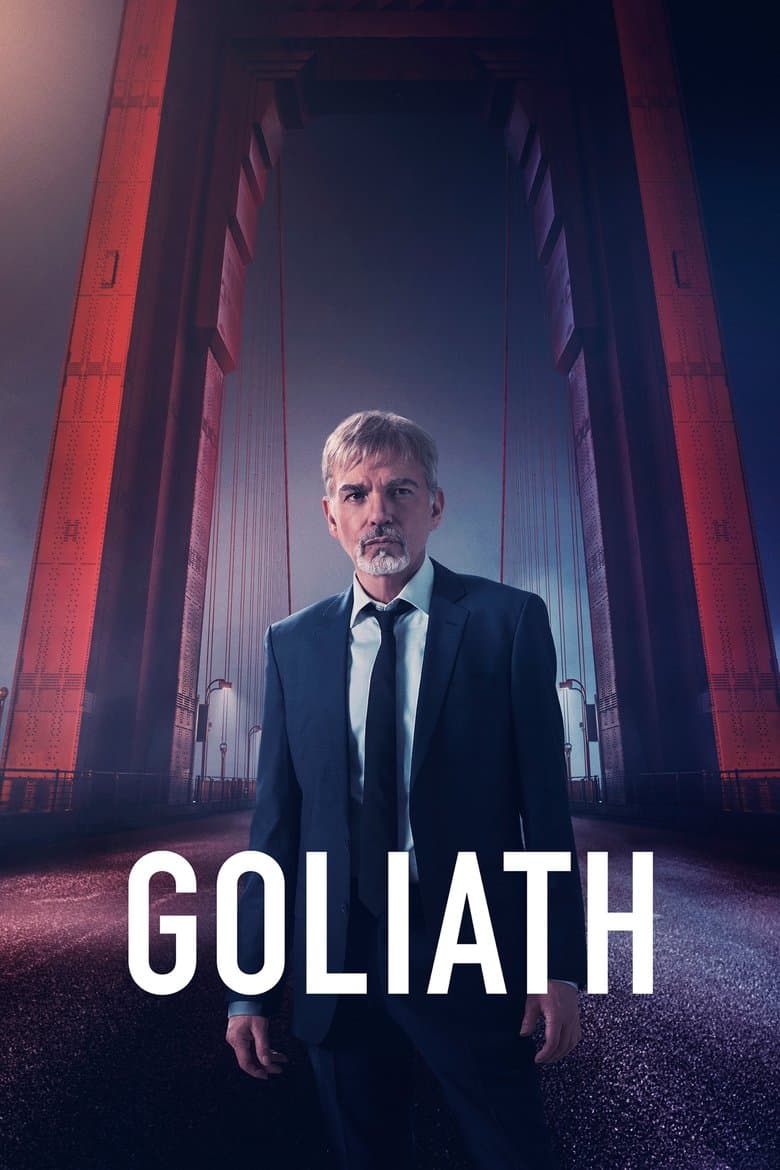
TV Show · 2016
Once a powerful lawyer, Billy McBride is now burned out and washed up, spending more time in a bar than a courtroom.
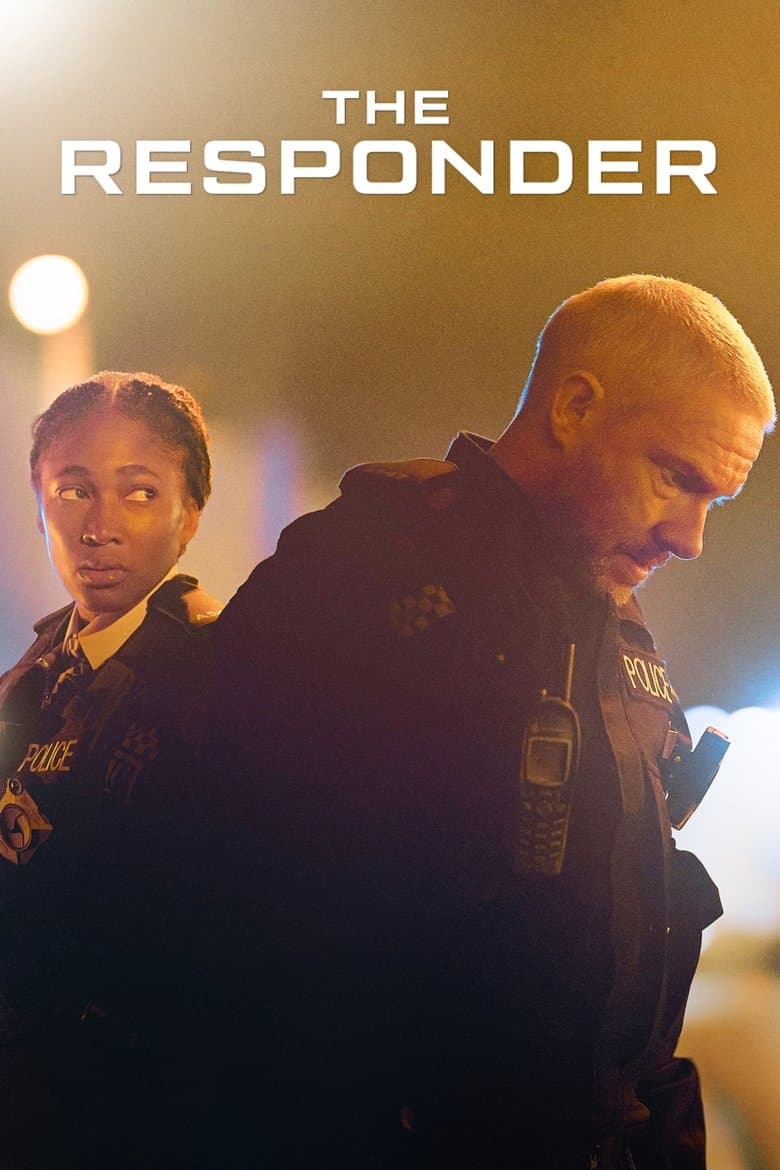
TV Show · 2022
Under pressure, fraying at the edges. In relentless night-time Liverpool, copper Chris is paired with a rookie. Will they save or destroy each other?
