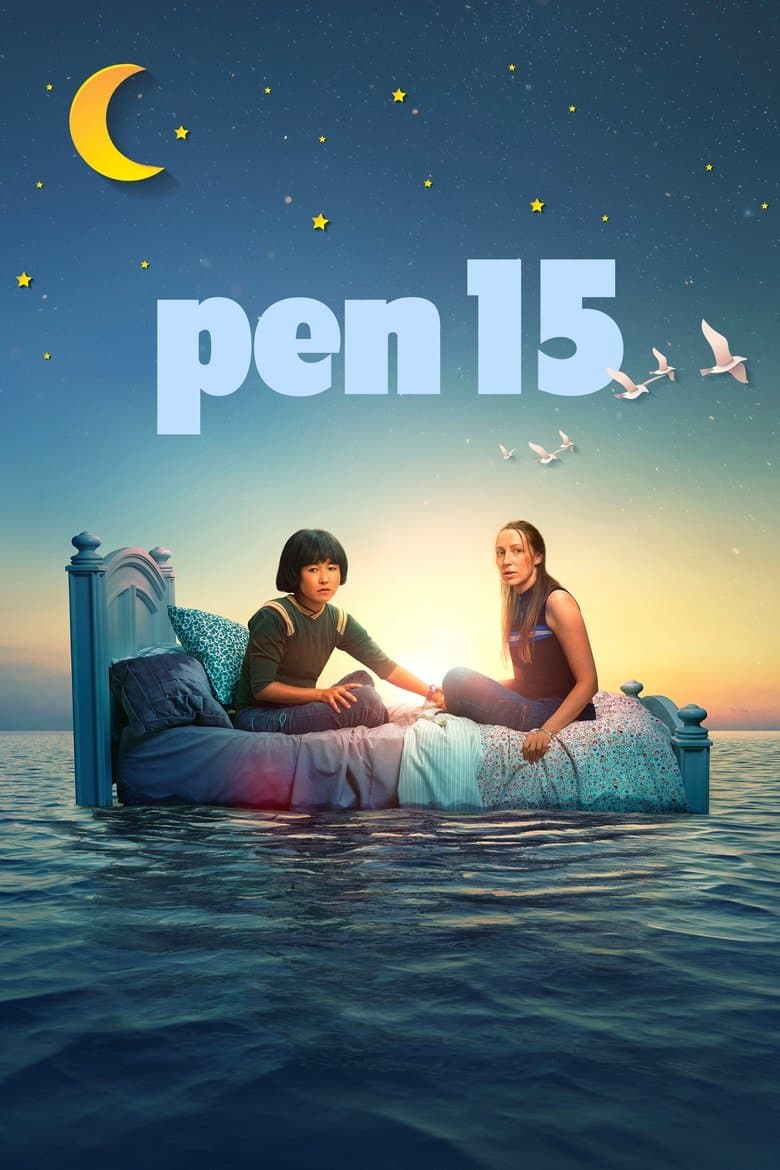
Started February 8, 2019 · Ended · Based on 2 seasons, 25 episodes through December 3, 2021 · TV-MA
PEN15 is a cringe comedy show about two best friends, Maya and Anna, navigating middle school in the Y2K era. The twist is that the adult creators play their 13-year-old selves while surrounded by real teenagers. The show highlights adolescent awkwardness, body changes, and teenage friendships. The series also features clear social-justice themes, including episodes about racial microaggressions, biracial identity, and a closeted boy's queer coming-of-age journey. These themes are very visible and central to several character storylines.
Community feedback
Was our 61% Woke rating accurate?
Breakdown
These are the editorial factors and ratings behind our score for PEN15.
Woke representation / casting
The show features prominent identity casting, with co-creator Maya Erskine playing a fictionalized, mixed-race version of herself alongside her real Japanese mother, Mutsuko. It also includes Dylan Gage as Gabe, a core secondary character who undergoes a slow-burn queer discovery arc, struggling with his attraction to a male friend. Because of this confirmed queer representation, the score receives a mandated boost under our system, bringing the representation metric to a moderately strong level, though the show generally prioritizes relatable coming-of-age cringe over strict political quotas.
45%
Woke political dialogue
The dialogue occasionally incorporates modern social justice concepts, notably in the Season 1 episode 'Posh,' which directly addresses racial microaggressions and tokenization. In this episode, characters debate racism, and Anna attempts a misguided activist crusade. The series also depicts Y2K-era homophobic language, such as slurs and casual insults, to highlight Gabe's sexual struggles and the hostile social environment. While much of this is written with satirical nuance rather than direct lecturing, the underlying themes are clearly framed through a progressive lens.
32%
Identity-driven story themes
The narrative frequently pivots to identity politics, notably Maya's struggles with her biracial heritage, internalized racism, and othering in a predominantly white school. These themes are central to her character development. Additionally, a major sub-narrative in Season 2 focuses on Gabe's closeted sexuality, exploring his internalized homophobia and attraction to his male best friend. This explicit queer subplot receives a strong weighting boost, ensuring the show's overall thematic profile reflects a clear emphasis on modern identity politics.
60%
Western institutional / cultural critique
The series takes aim at traditional Western suburban culture, depicting the early 2000s nuclear family as fractured and unstable, particularly through Anna's parents' painful divorce. It also criticizes Y2K social norms, highlighting teenage toxic masculinity, peer-enforced conformity, and casual homophobia. However, these elements are generally framed as realistic reflections of the era's teenage social dynamics rather than a full-scale activist deconstruction of Western institutions.
35%
Woke character or canon changes
Not present in this title.
0%
Anti-woke backlash and complaints
There is almost no anti-woke backlash or political controversy surrounding this series. Most viewer complaints and online debates instead focus on the show's central gimmick, with some finding it creepy or uncomfortable that adult actresses play 13-year-olds alongside actual minors while dealing with highly sexualized adolescent themes. Left-leaning viewers praised its approach to race and queer identity, but right-leaning political backlash has been virtually nonexistent.
5%
Creator track record context
The creative team features several prominent figures with established progressive credentials. Co-creators Anna Konkle (65) and Maya Erskine (63) frequently champion identity-driven, feminist, and queer themes in their work, while writer Gabe Liedman (64) and director Daniel Gray Longino (70) are known for queer-focused and satirical social-justice projects. However, this is balanced by co-creator Sam Zvibleman (15) and several producers who focus primarily on neutral, irreverent comedy.
50%
Production
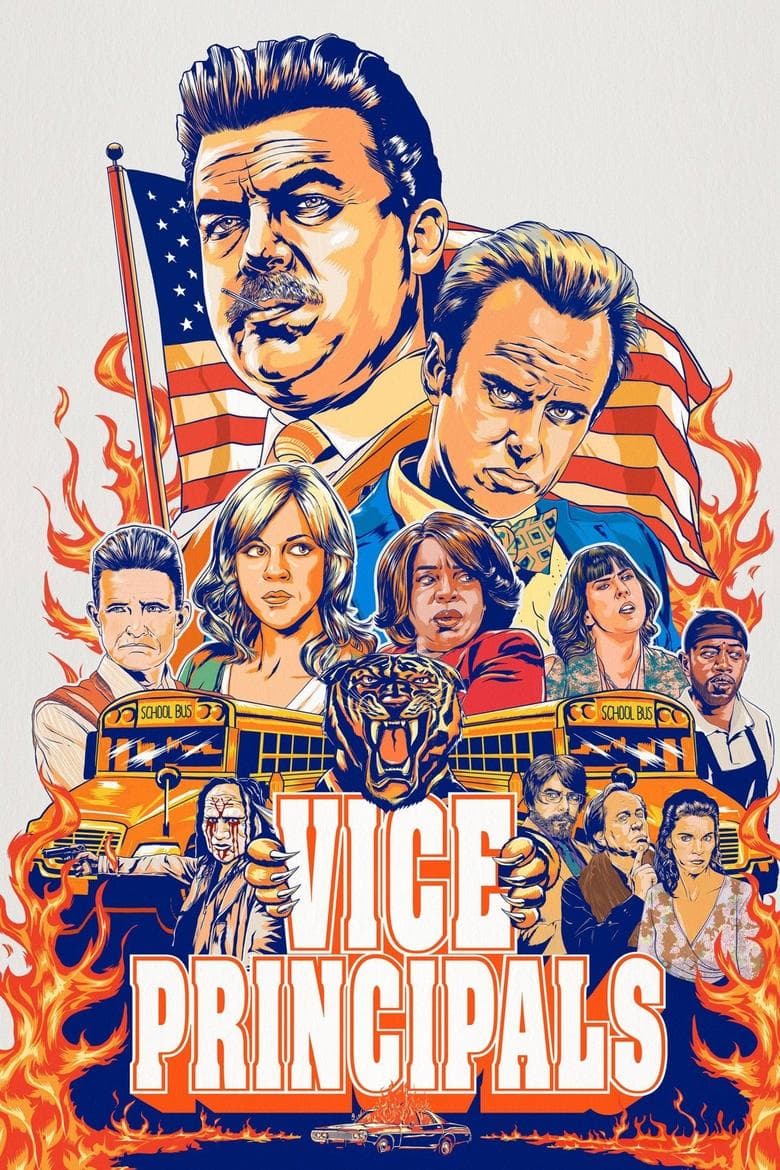
TV Show · 2016
After North Jackson High's long-time principal steps down to tend to his ailing wife, Neal Gamby and Lee Russell, the school's vice principals, are forced to put their mutual…

TV Show · 2016
Jeremy Clarkson, Richard Hammond and James May are back with a show about adventure, excitement and friendship...
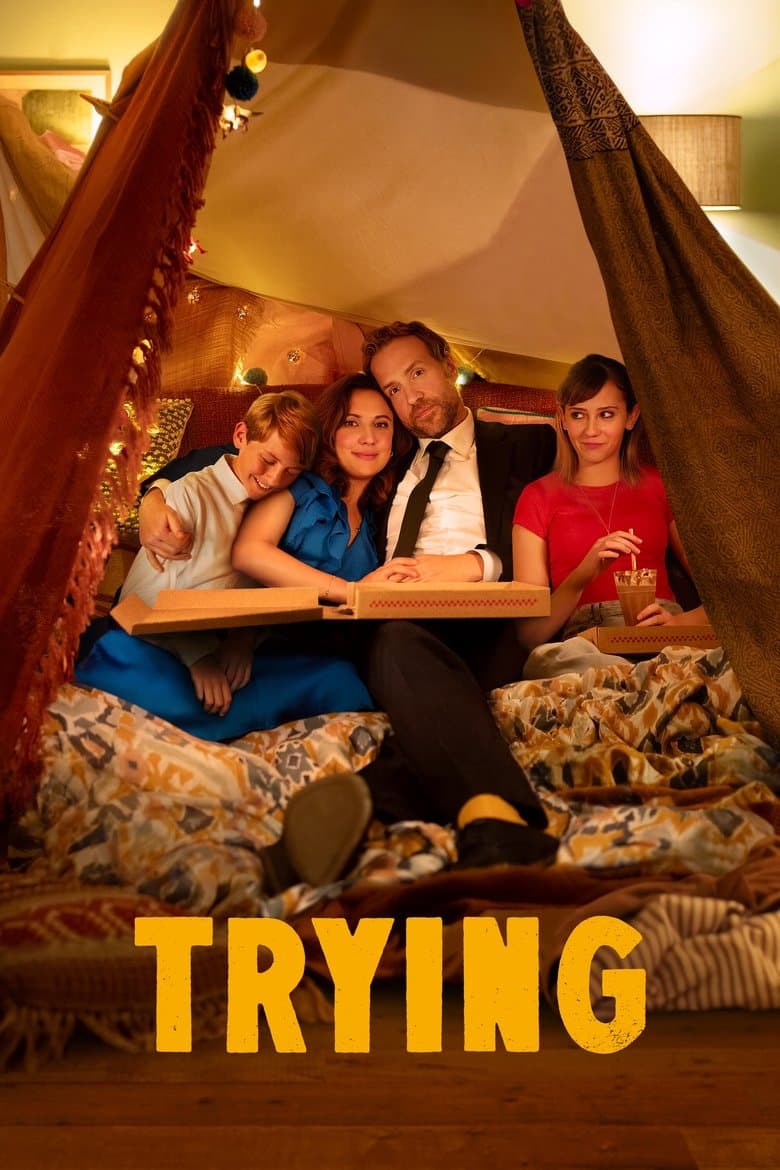
TV Show · 2020
All Nikki and Jason want is a baby—the one thing they can't have. So they decide to adopt. With their dysfunctional friends, screwball families, and chaotic lives, will the…
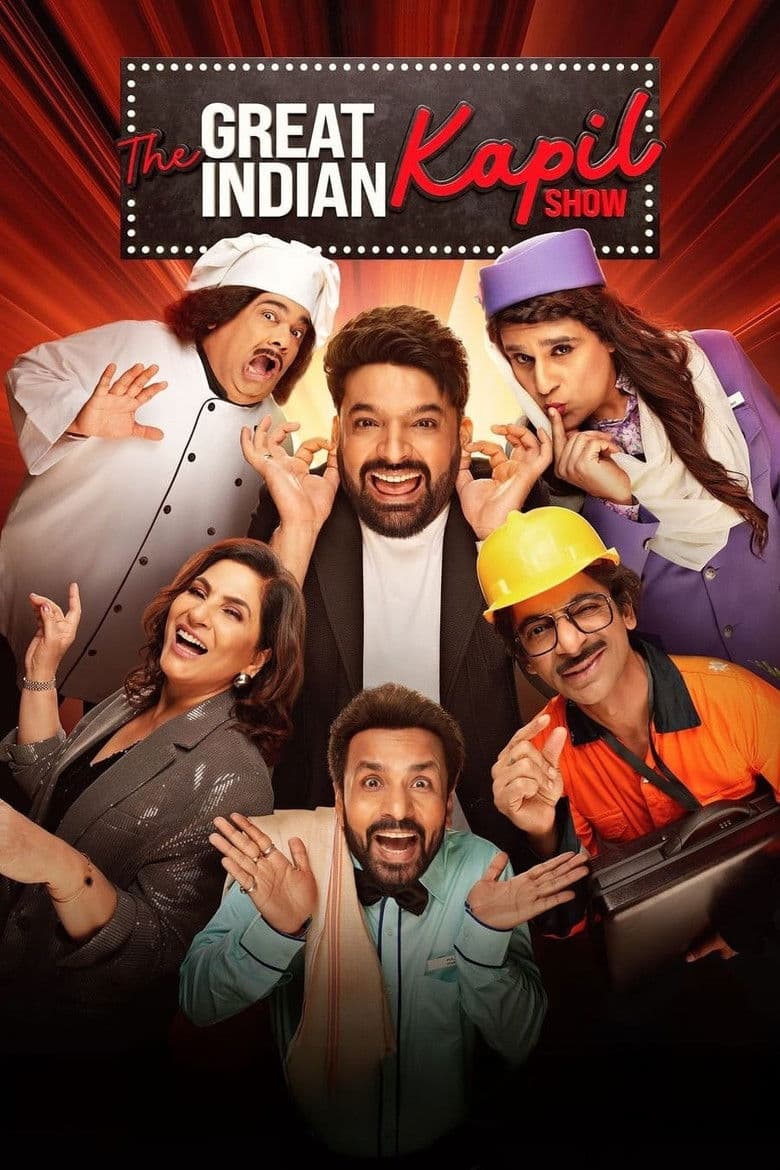
TV Show · 2024
Comedian Kapil Sharma hosts this laugh-out-loud variety talk show with celebrity guests, hilarious antics and his signature supporting cast.
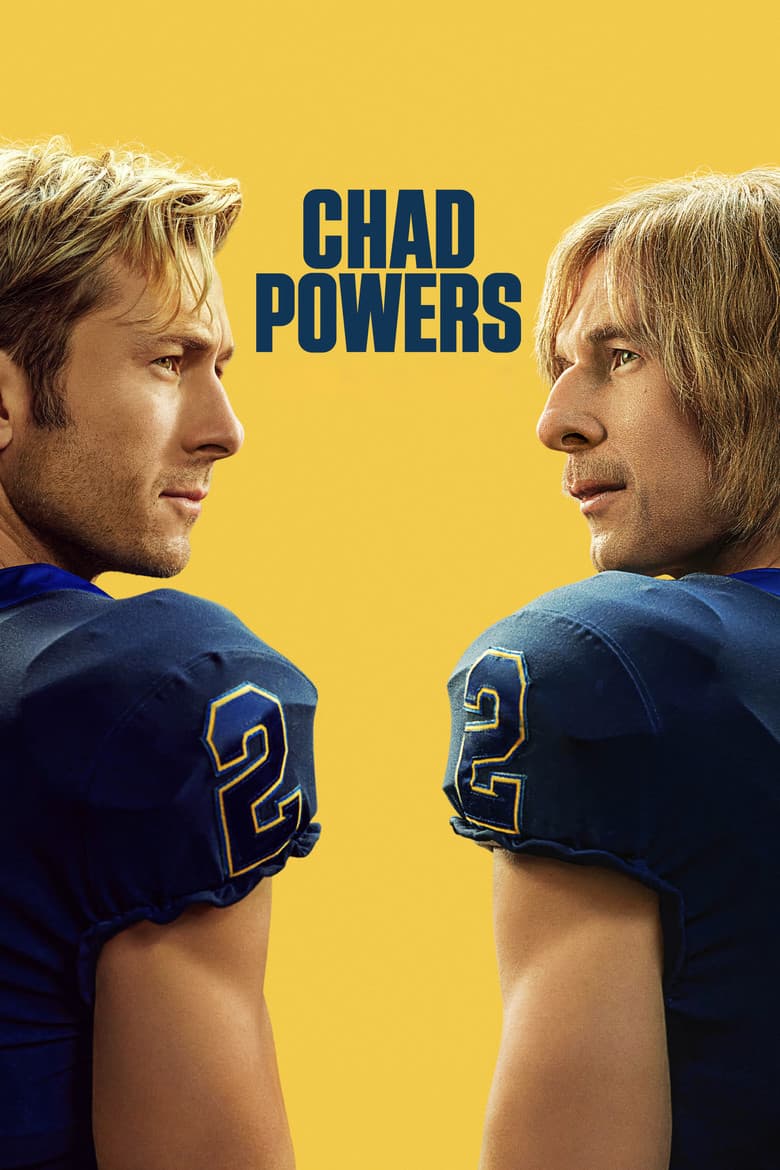
TV Show · 2025
Eight years after an unforgivable mistake nukes his promising college football career, hotshot quarterback Russ Holliday tries to resurrect his dreams by disguising himself as…
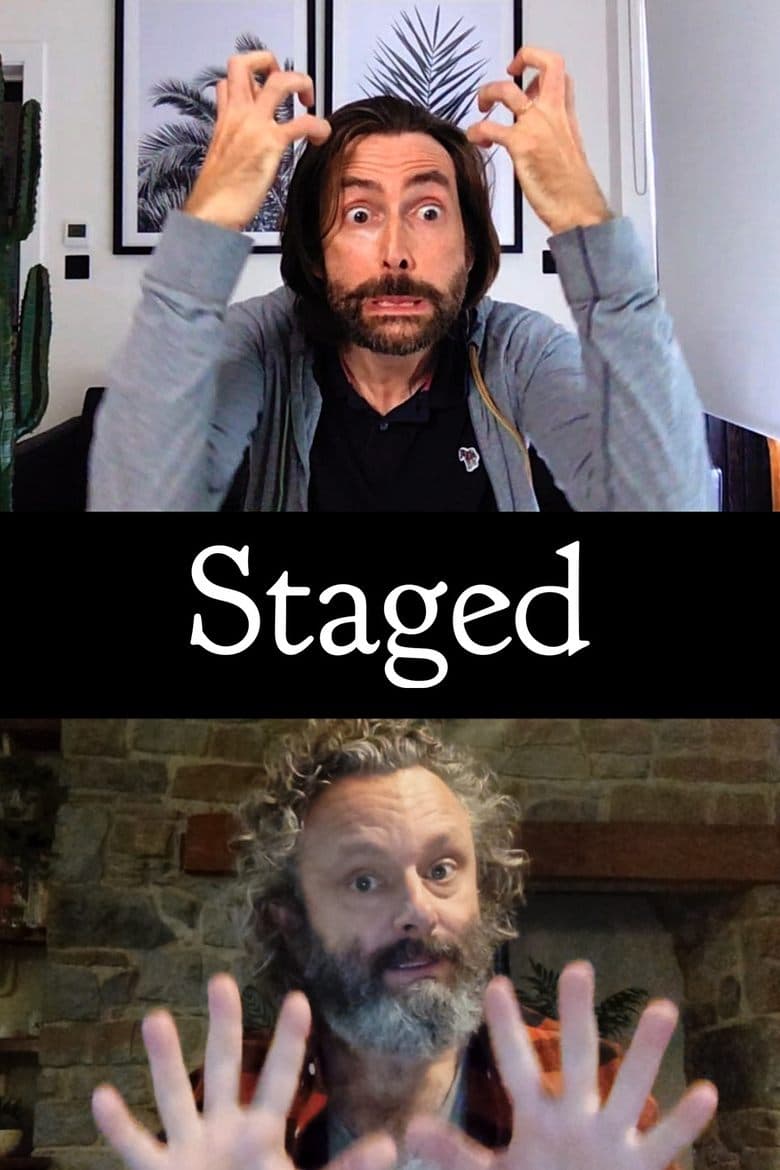
TV Show · 2020
David Tennant and Michael Sheen (playing themselves) were due to star in a production of 'Six Characters in Search of an Author' in the West End.
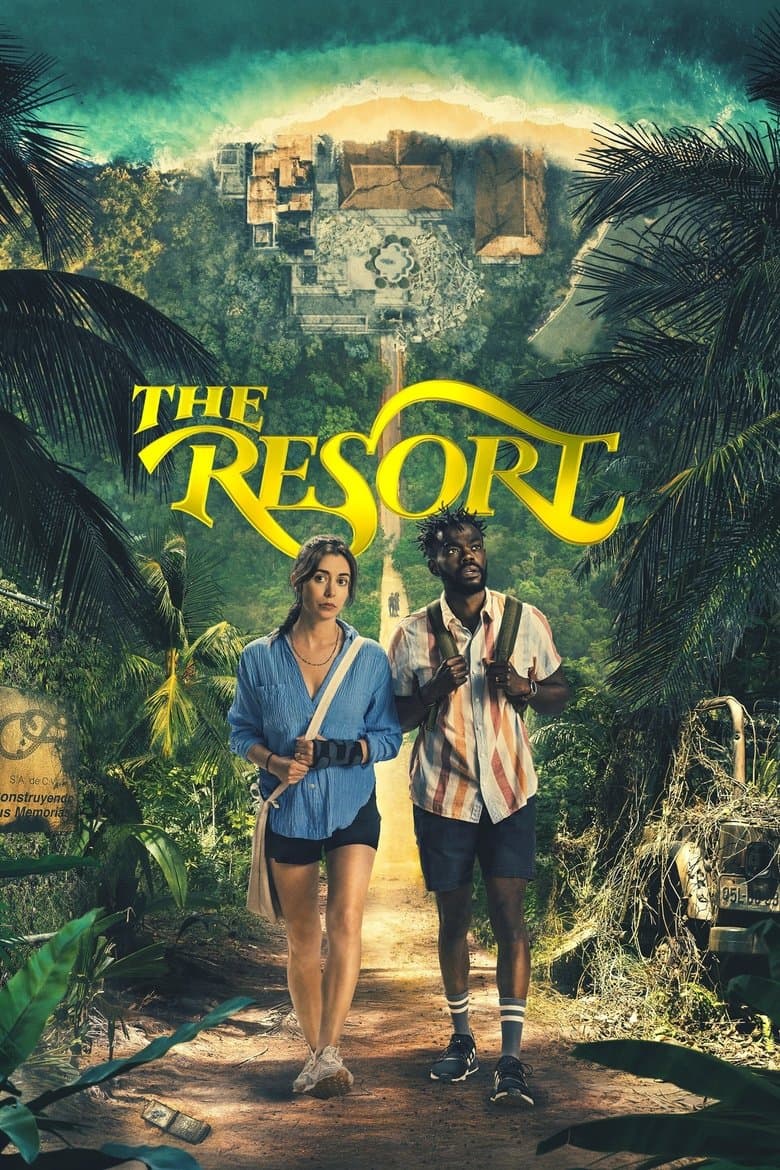
TV Show · 2022
An anniversary trip puts a marriage to the test when a couple finds themselves embroiled in one of Yucatan's most bizarre unsolved mysteries.
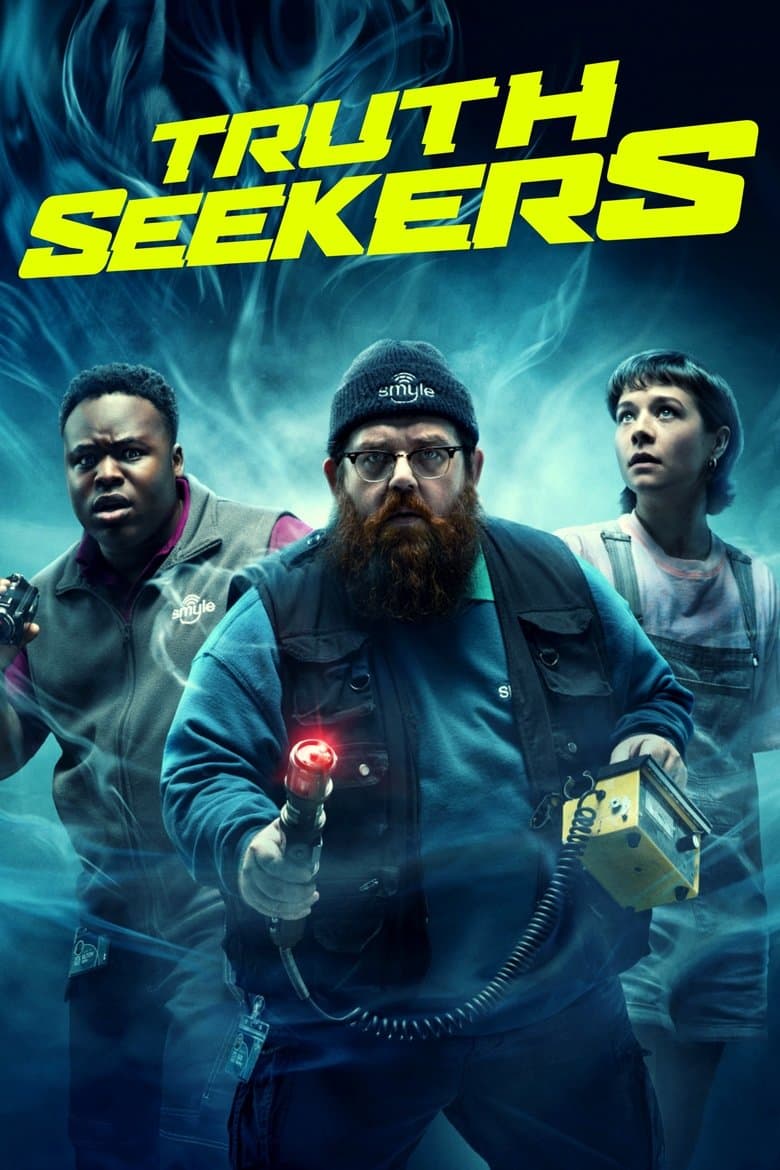
TV Show · 2020
A ghost-hunting duo team up to uncover and film paranormal sightings across the U.K. and share their adventures on an online channel.
