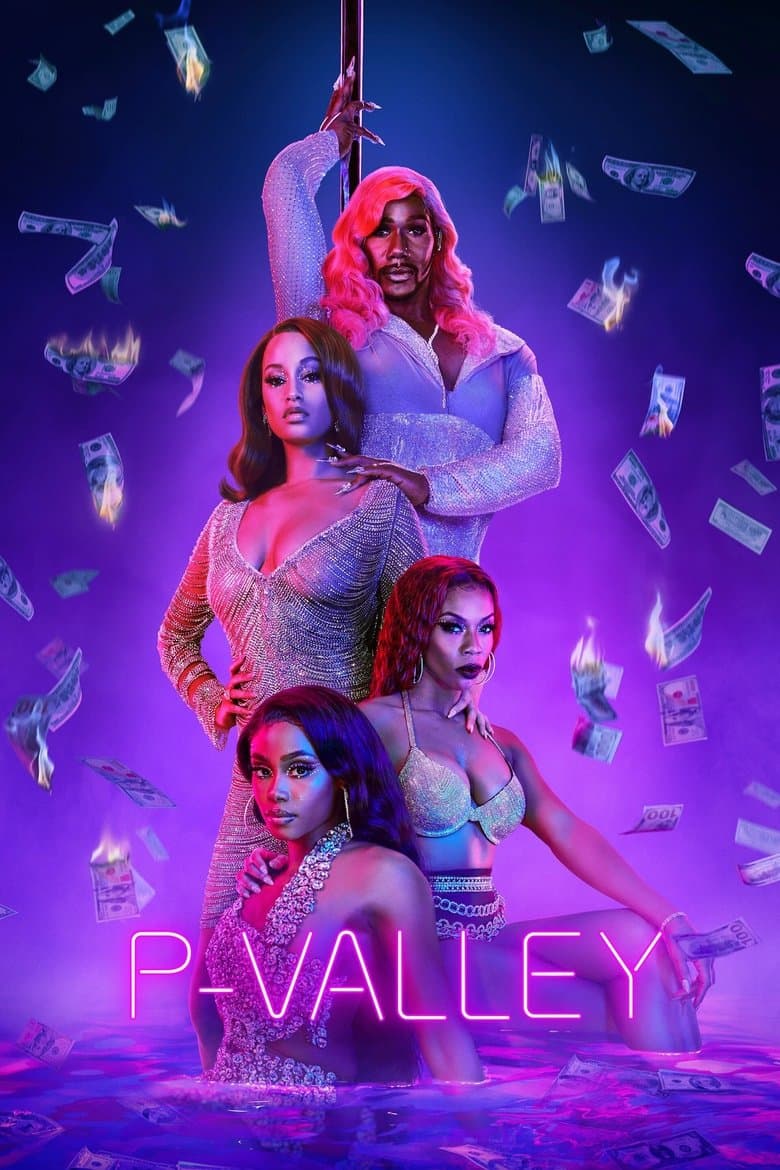
Started July 12, 2020 · Returning Series · Based on 2 seasons, 18 episodes through August 14, 2022 · TV-MA · 60 min
P-Valley is a drama about black dancers and staff at a strip club called The Pynk in the Mississippi Delta. The story follows their fights for money, love, safety, and dreams across two seasons set in a poor Southern town. A non-binary black owner runs the club and shares a central romance with a masculine rapper. The show puts black queer characters and their lives at the center of many stories.
Community feedback
Was our 84% Woke rating accurate?
Breakdown
These are the editorial factors and ratings behind our score for P-Valley.
Woke representation / casting
Prominent non-binary black club owner and central gay romance between the non-binary character and a masculine black rapper are highly visible. Black women hold key dancer and influencer roles. The emphasis on queer identity and marginalized voices stands out to viewers.
77%
Woke political dialogue
Season 2 uses the 2020 pandemic and racial protests as background. Characters discuss club survival and personal struggles more than activist talking points.
28%
Production
Identity-driven story themes
Black queer Southern lives, non-binary identity, and acceptance in a conservative setting form a core focus alongside dancer stories. Queer elements receive repeated screen time and narrative weight.
71%
Western institutional / cultural critique
The show shows local politics, church power plays by an ambitious pastor, and class pressures in the black community. It does not center broad systemic attacks on capitalism or traditional institutions.
33%
Woke character or canon changes
Not present in this title.
0%
Anti-woke backlash and complaints
Social media users complained about explicit gay scenes, called out a "gay agenda," and trended #CancelPValley. Comedian Lil Duval publicly said the show lost him over the content.
37%
Creator track record context
Katori Hall has made LGBTQ inclusion a stated mission and hired all women directors. Patrik-Ian Polk has a long record centering black gay stories. Several directors have public records of pushing representation for women or minorities.
73%
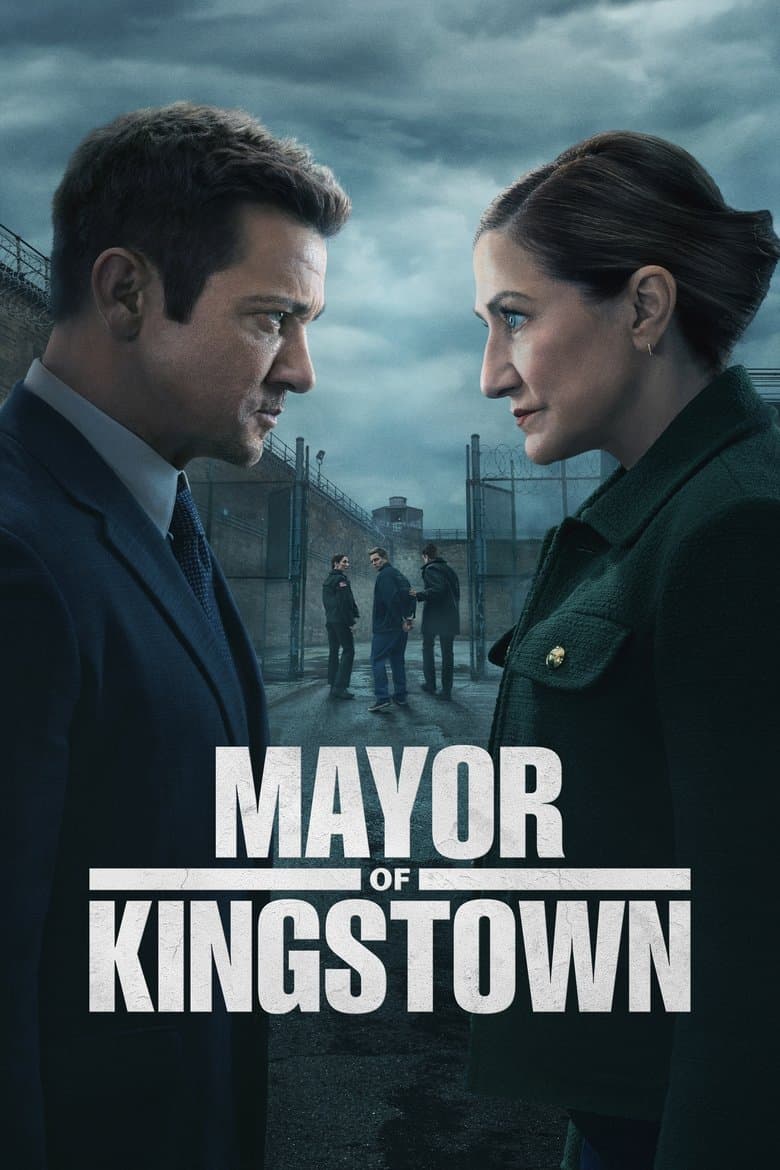
TV Show · 2021
In a small Michigan town where the business of incarceration is the only thriving industry, the McClusky family are the power brokers between the police, criminals, inmates…
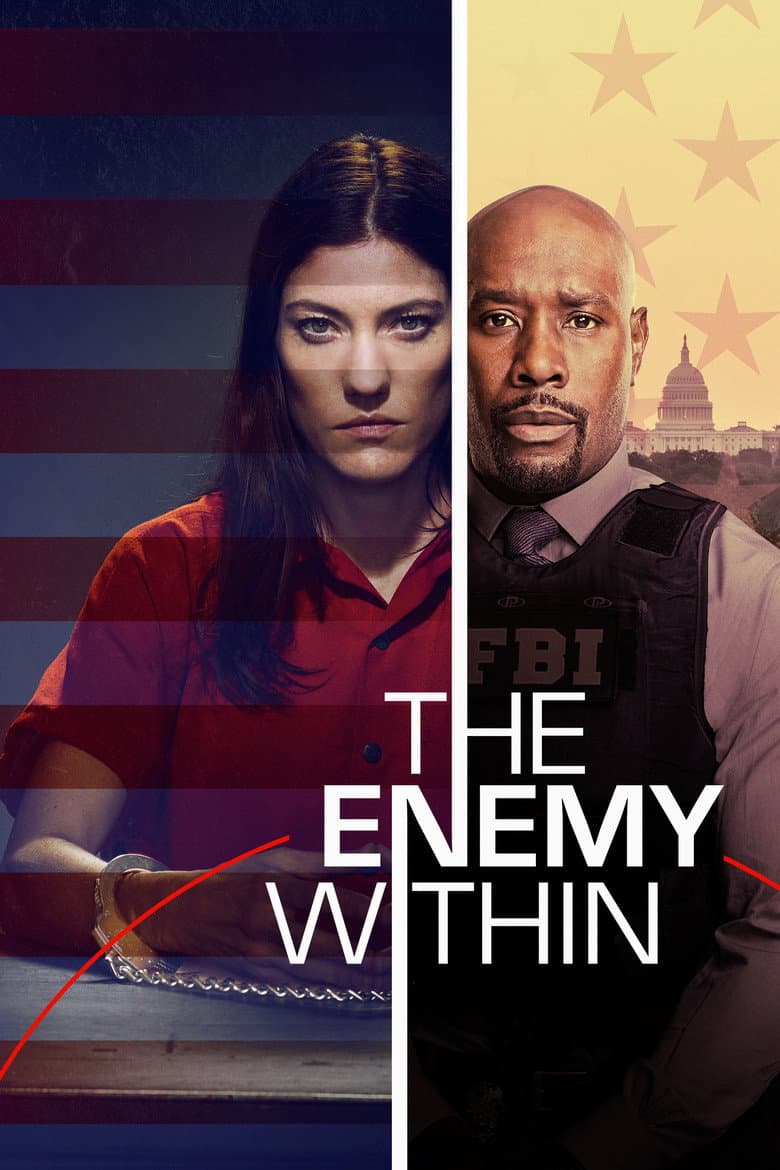
TV Show · 2019
Erica Shepherd is a brilliant former CIA operative, now known as the most notorious traitor in American history serving life in a Supermax prison.
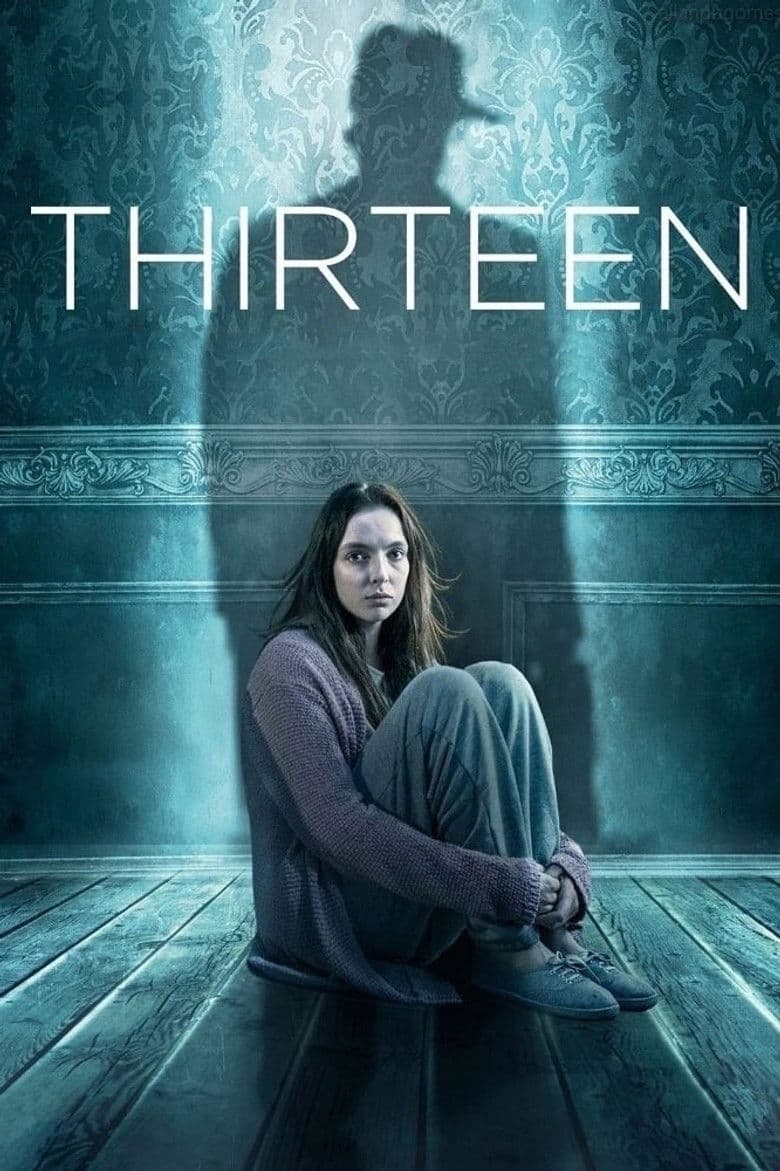
TV Show · 2016
A 26-year-old woman learns to live again after 13 years in captivity.
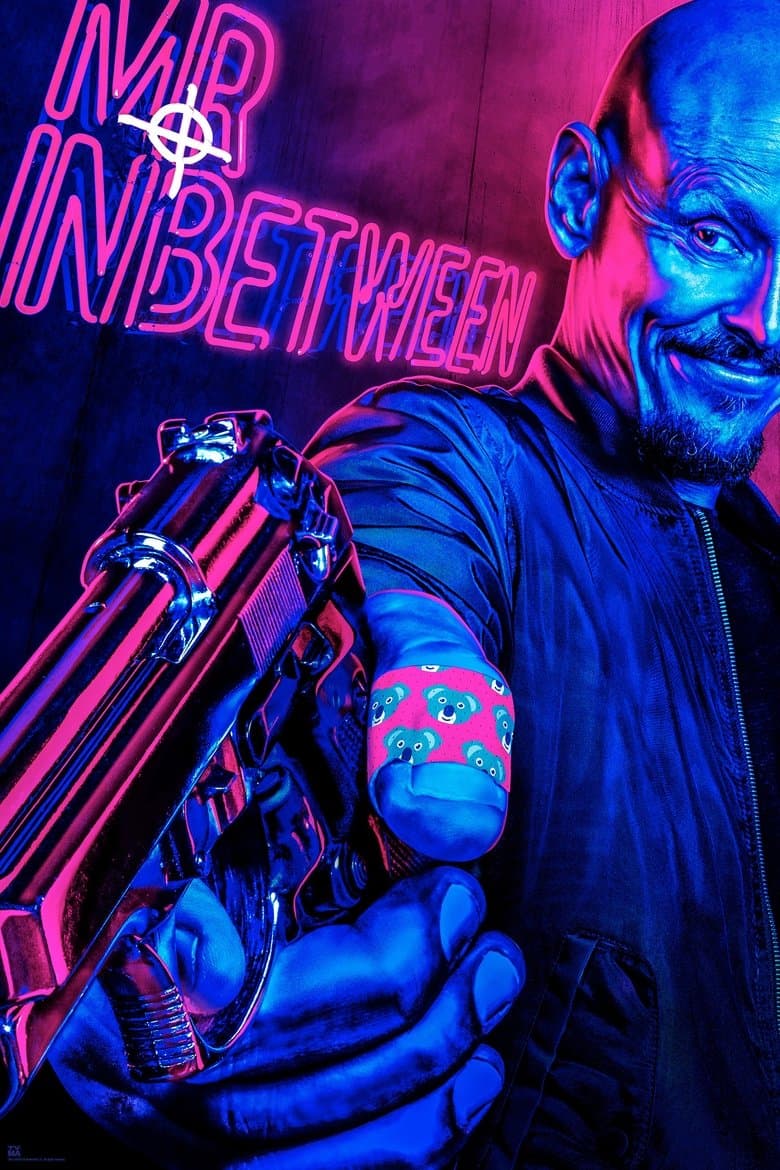
TV Show · 2018
Ray Shoesmith is a father, ex-husband, boyfriend and best friend: tough roles to juggle in the modern age. Even harder when you’re a criminal for hire.
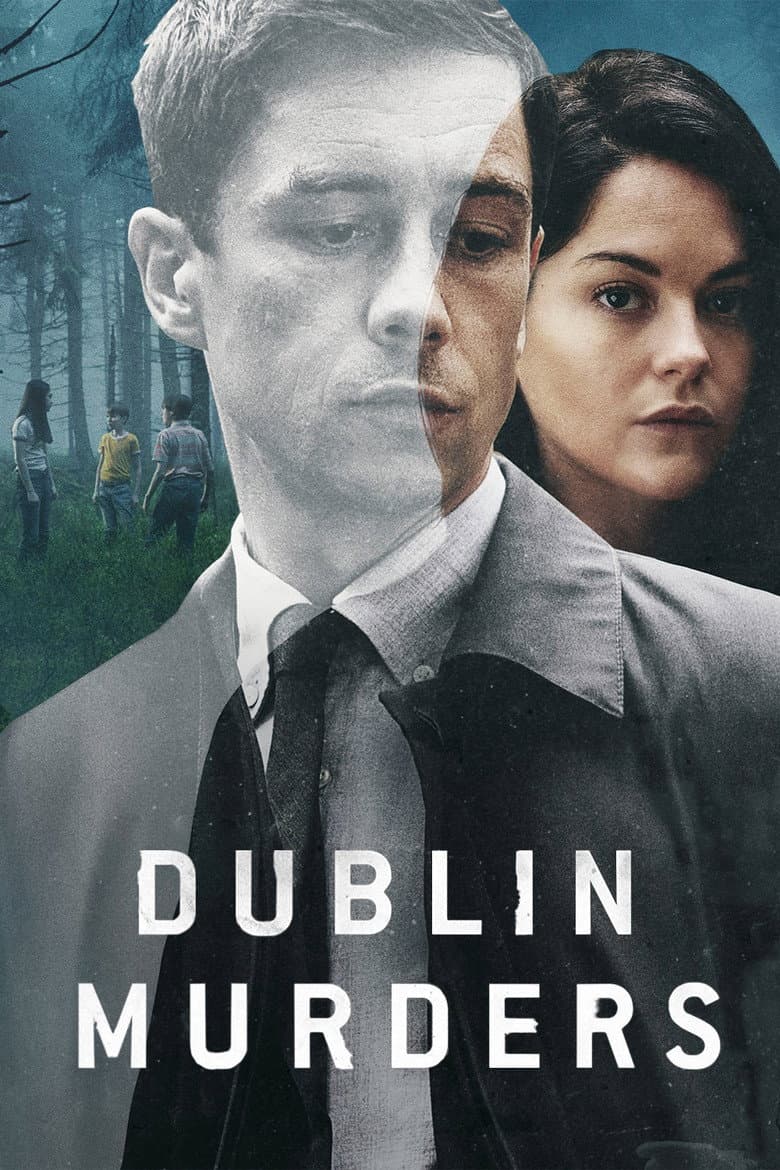
TV Show · 2019
Two detectives are dispatched to investigate the murder of a young girl on the outskirts of Dublin, but as the case of the missing children intensifies, both are forced to…
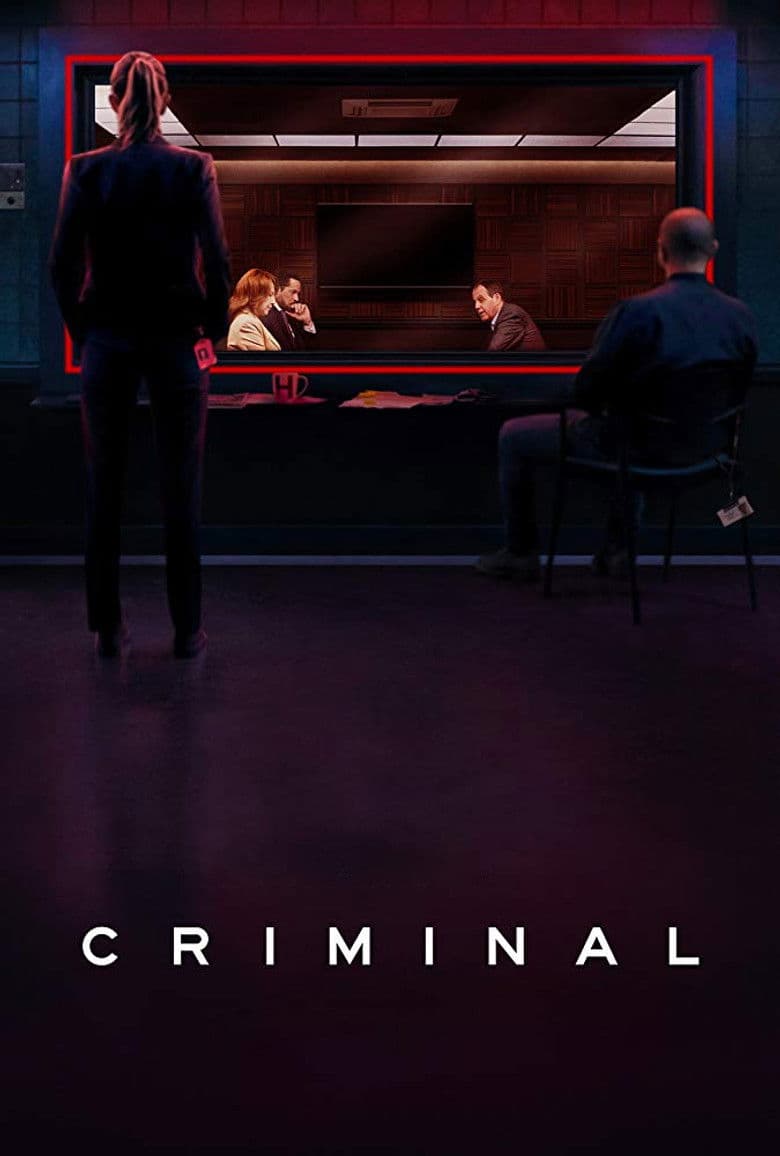
TV Show · 2019
Within the walls of an interrogation room, London investigators question suspects accused of grievous crimes until the truth comes to light.
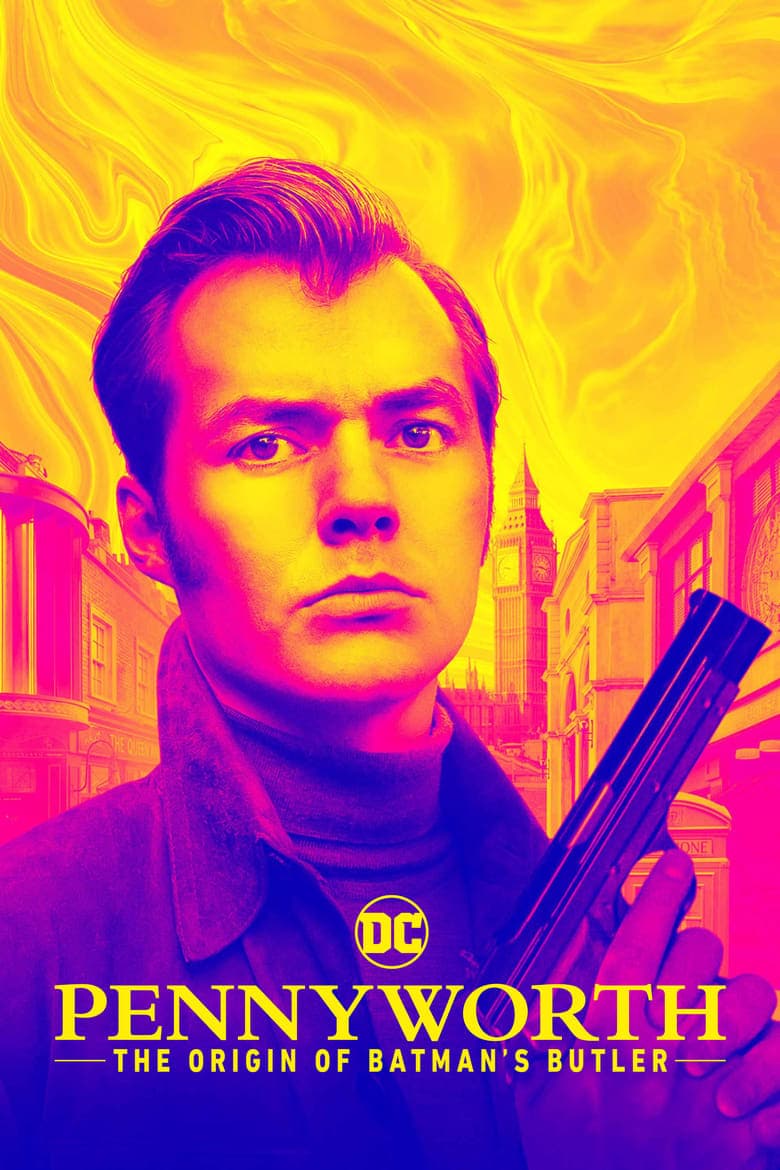
TV Show · 2019
The origin story of Bruce Wayne's legendary butler, Alfred Pennyworth, a former British SAS soldier who forms a security company in 1960s London and goes to work with young…
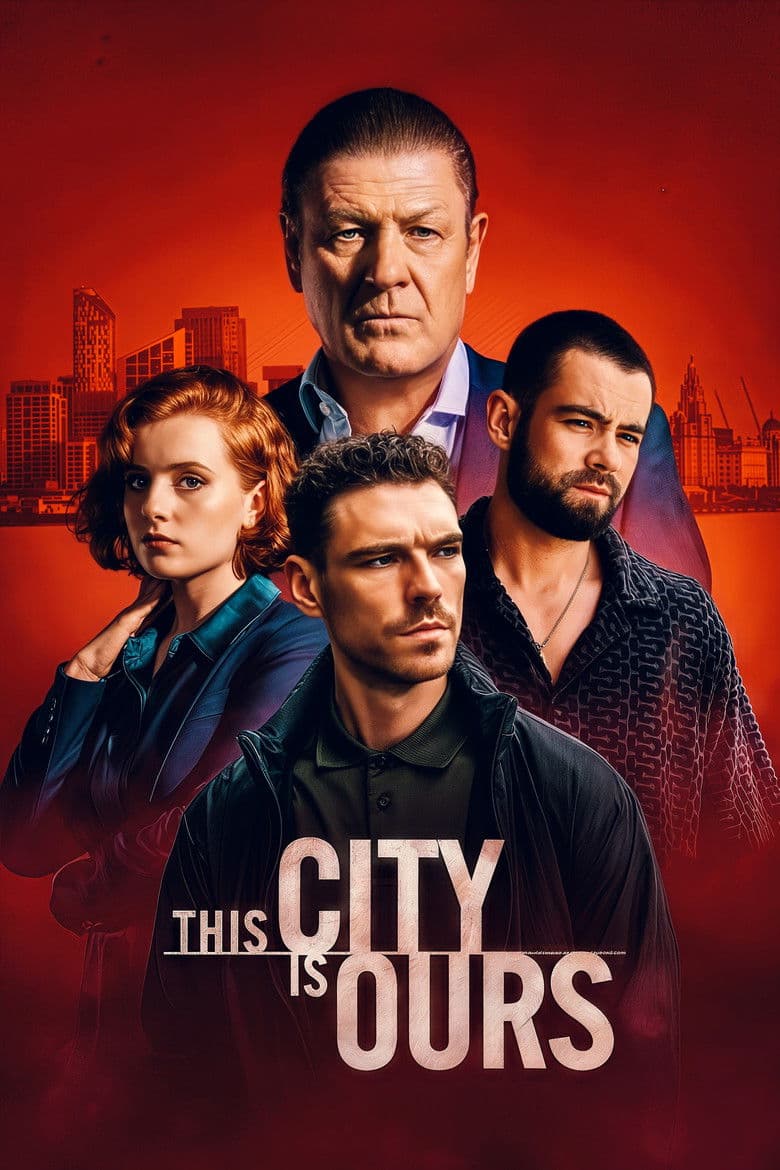
TV Show · 2025
Notorious gang boss Ronnie (Sean Bean) steps back from his criminal empire, triggering a violent power struggle between his volatile son Jamie (Jack McMullen) and trusted…
