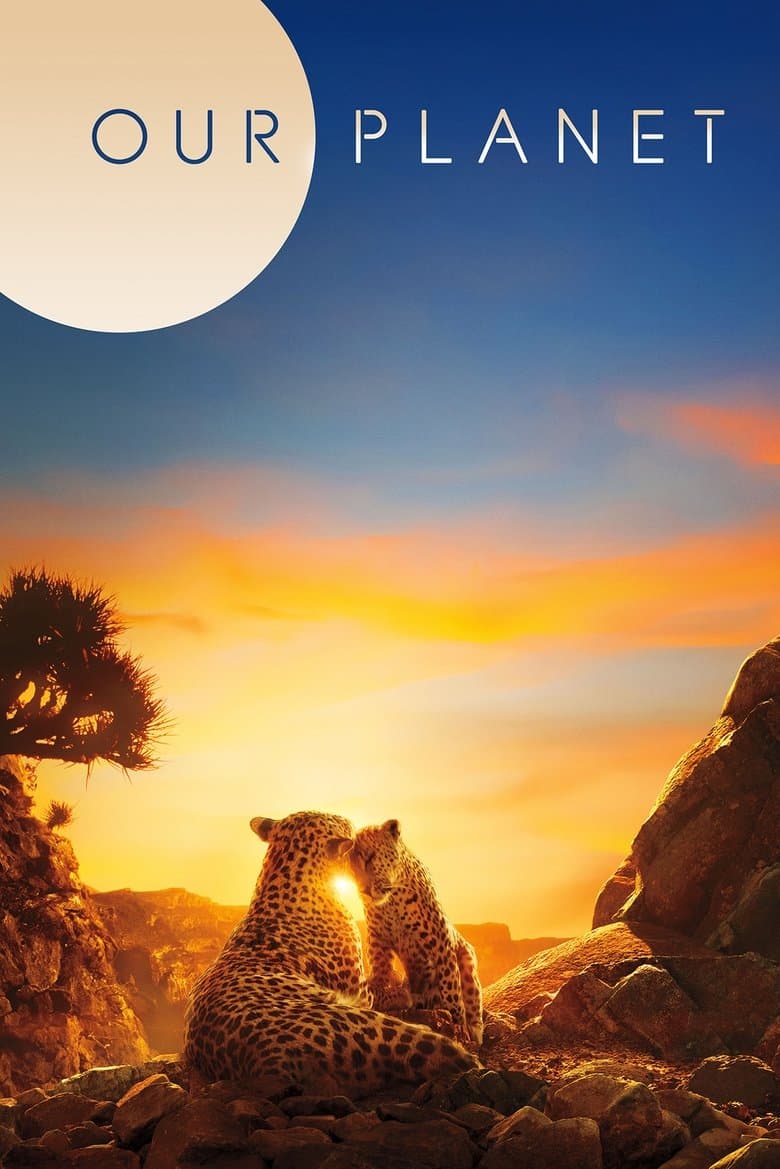
Started April 5, 2019 · Ended · Based on 2 seasons, 12 episodes through June 14, 2023 · TV-PG
David Attenborough guides the viewer through a living world filled with animals, plants, oceans, forests, rivers, and ice. The animals act as the main characters as they hunt, mate, raise young, travel, and try to survive. The main conflict comes from hunger, weather, predators, and the growing damage caused by people. The tone shifts between wonder, danger, grief, and hope as each episode moves across a different part of Earth.
The show's clearest woke element is its repeated climate and conservation message. Attenborough links melting ice, pollution, overfishing, deforestation, farming, roads, and other human activity to the animals' problems. The first season often shows habitats under pressure, while the second season follows migrations made harder by warming, industry, fences, and traffic. The series asks people to change their behavior and protect nature, but it does not build its stories around race, gender, sexuality, or human identity.
Community feedback
Was our 32% Woke rating accurate?
Breakdown
These are the editorial factors and ratings behind our score for Our Planet.
Woke representation / casting
Not present. No human casting, performers, or roles exist. Content consists of real wildlife and habitat footage plus Attenborough narration. No audience-visible diversity signaling, identity emphasis, or representation priorities in prominent positions.
0%
Woke political dialogue
The narration repeatedly links climate change, habitat loss, pollution, overfishing, and deforestation to human choices. The narration urges people to protect nature and act responsibly. Season 2 returns to warming, plastic waste, roads, fences, and industry disrupting migration. The message is environmental and global, not about race, gender, sexuality, or party politics.
42%
Identity-driven story themes
Not present in this title.
0%
Western institutional / cultural critique
Damage is attributed to human practices including overfishing, deforestation, carbon emissions, and habitat conversion, with calls for global action and changed behavior. Framing stays general and practice-oriented; it does not target Western institutions, capitalism as ideology, patriarchy, traditional norms, or cultural identities in activist style.
10%
Woke character or canon changes
Not relevant. This is original documentary material on current wildlife and environments, not adaptations or reinterpretations of established characters, source material, or historical figures involving identity or DEI-driven changes.
0%
Anti-woke backlash and complaints
Climate skeptics and right-leaning commentators attacked the walrus sequence and the show's climate message as alarmist or propaganda. They argued that the footage gave a weak or misleading cause for the deaths and used emotion to push climate politics. News outlets reported the dispute, but broader viewer reaction focused on shock, sadness, and praise for the wildlife filming. The backlash stayed narrow and did not center on identity or DEI issues.
24%
Creator track record context
The cached creator context shows long careers in wildlife filmmaking. The team has a mild environmental advocacy pattern through climate and conservation stories, including WWF-linked work. The notes show no repeated pattern of identity politics, queer activism, or representation-first projects.
15%
Production
TV Show · 2016
David Attenborough presents a documentary series exploring how animals meet the challenges of surviving in the most iconic habitats on earth.
TV Show · 2023
Life's extraordinary journey to conquer, adapt and survive on Earth across billions of years comes alive in this groundbreaking nature docuseries.
TV Show · 2020
Applying the laws of life on Earth to the rest of the galaxy, this series blends science fact and fiction to imagine alien life on other planets.
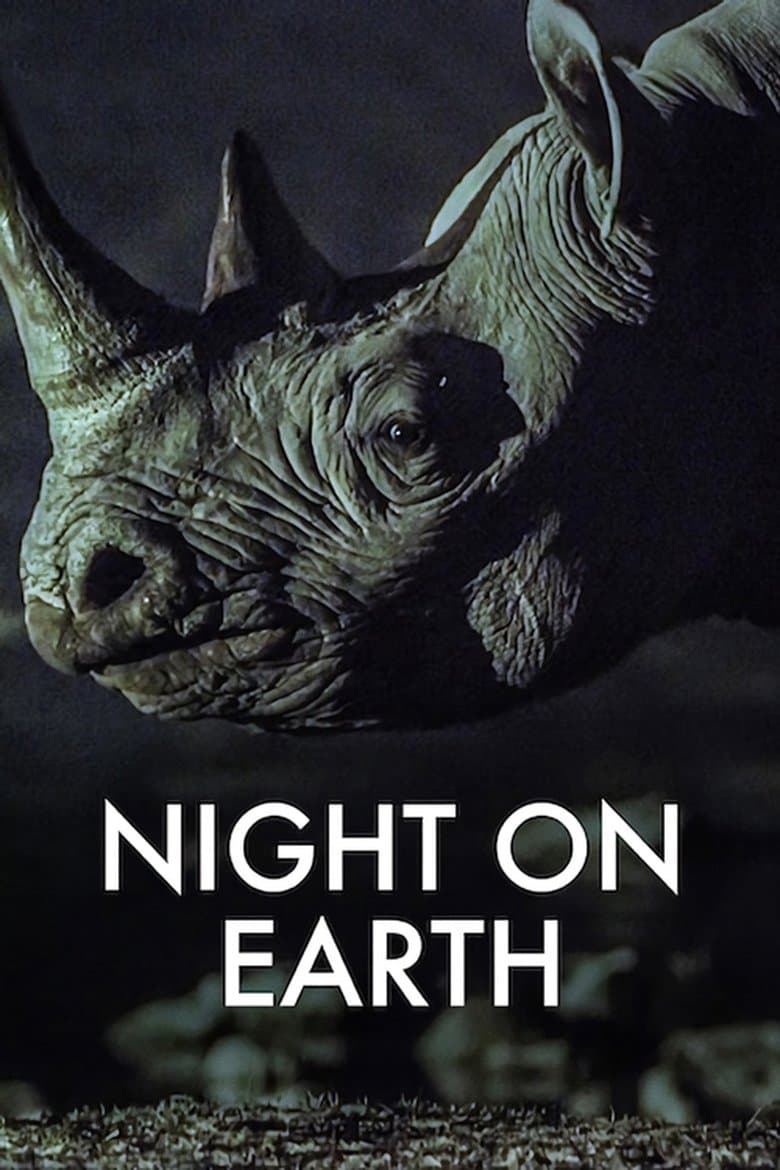
TV Show · 2020
This nature series’ new technology lifts night’s veil to reveal the hidden lives of the world’s creatures, from lions on the hunt to bats on the wing.
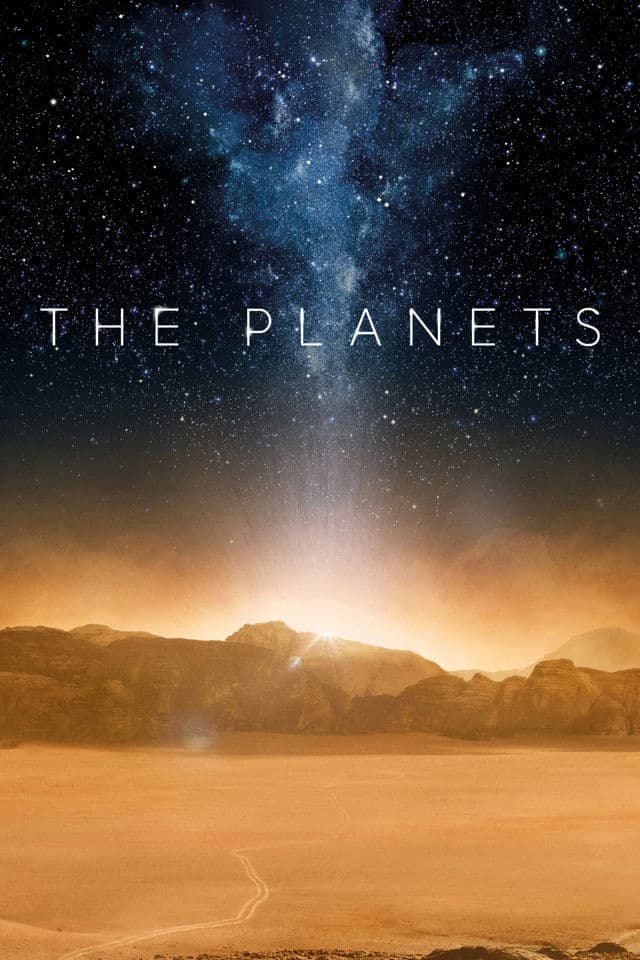
TV Show · 2019
Professor Brian Cox explores the dramatic lives of the eight majestic planets/worlds that make up our solar system.
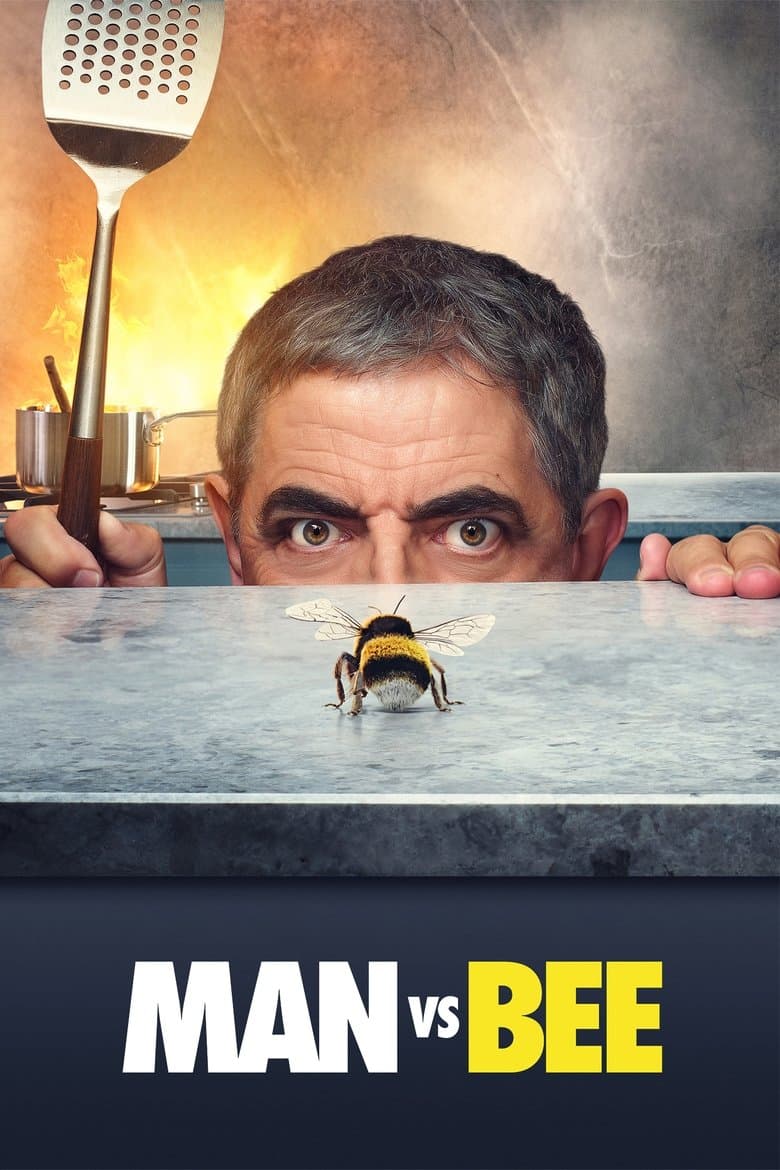
TV Show · 2022
Bumbling dad Trevor tries to get the best of a cunning bee while house-sitting a posh mansion — but only unleashes more chaos in this comedy series.

TV Show · 2019
Celebrities compete in a singing competition with one major twist: each singer is shrouded from head to toe in an elaborate costume, complete with full face mask to conceal his or…
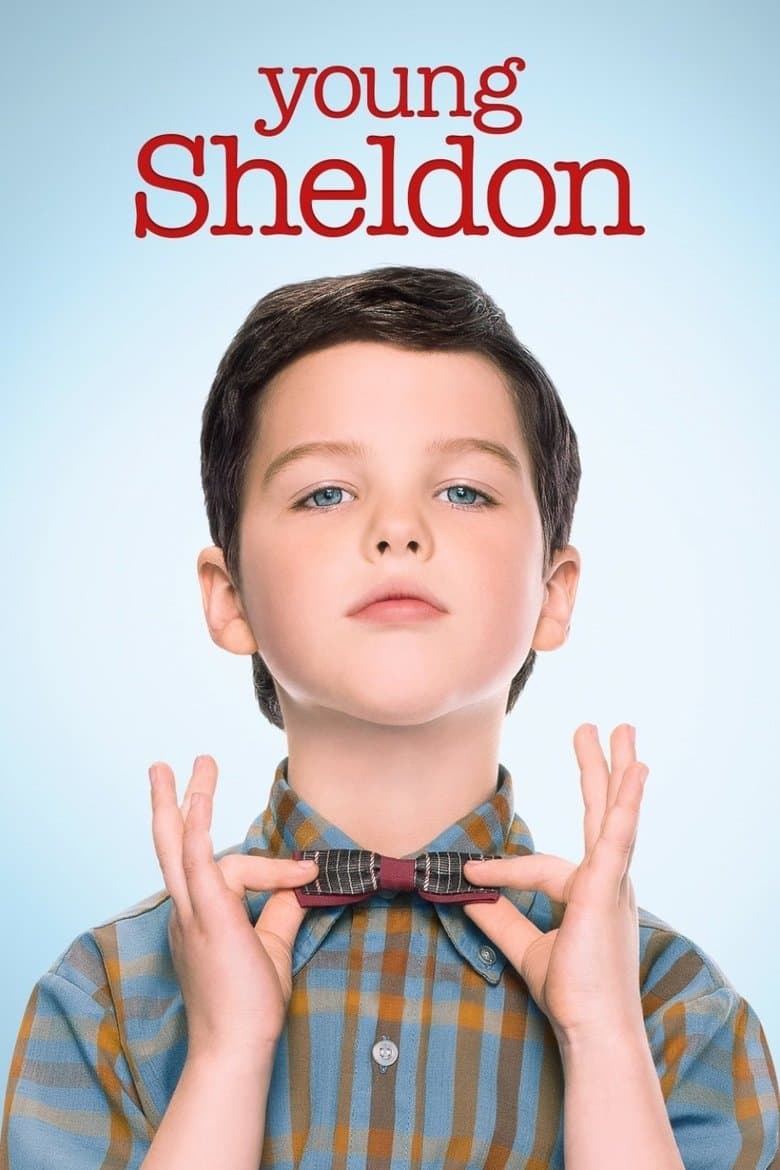
TV Show · 2017
The early life of child genius Sheldon Cooper, later seen in The Big Bang Theory.
