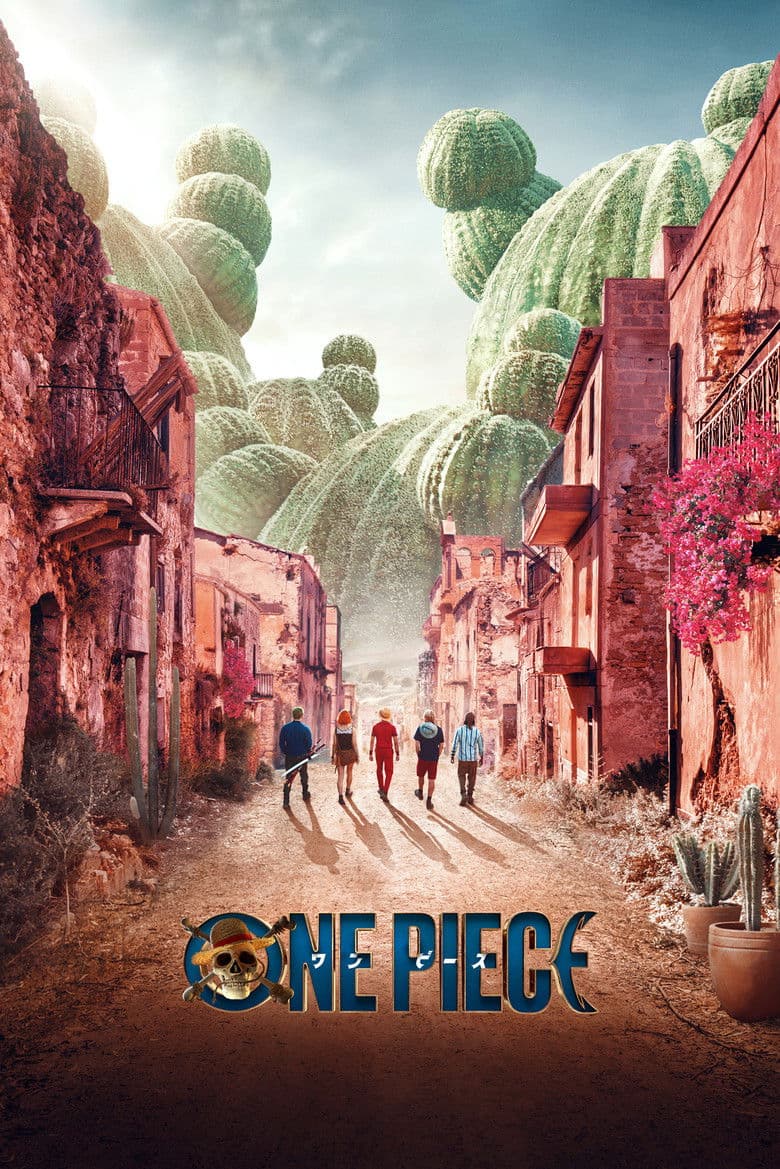
Started August 31, 2023 · Returning Series · Based on 2 seasons, 16 episodes through March 10, 2026 · TV-14
Monkey D. Luffy sets sail to find the legendary treasure One Piece and become King of the Pirates. He gathers a ragtag crew that includes Zoro, Nami, Usopp, Sanji, and later Chopper. Together they clash with pirates, Marines, and secret organizations across strange islands. Netflix’s live-action version stays largely faithful to Oda’s core of dreams, freedom, found family, and resistance to tyranny. Season one covers the East Blue through Arlong Park, and season two continues into the Grand Line with rubber-man hijinks, crew bonding, and island-hopping action.
Viewers who want to avoid heavy modern identity messaging mostly find source-faithful adventure with a multiracial ensemble. A few identity-adjacent production choices still show up, including casting patterns, a softened Sanji, and public non-binary framing of Bon Clay for season three. Oppression and resistance appear through stories such as Nami’s village under Arlong’s rule and racial and species hatred between fishmen and humans that already existed in the manga. Corrupt authority from the Marines and World Government works as adventure stakes rather than a modern culture-war sermon. The series is not a lecture show, but it is not a blank slate either.
Community feedback
Was our 46% Woke rating accurate?
Breakdown
These are the editorial factors and ratings behind our score for ONE PIECE.
Woke representation / casting
The cast is multiracial across the Straw Hats and major supporting roles in a multi-island fantasy world. Some of that fits Oda’s mixed cartoon look better than a strict period Europe story. Clearer identity signals still show up, including a trans actor as expanded Koby and a non-binary actor cast as Bon Clay for season three. Vivi’s casting also drew lasting race and fidelity complaints.
40%
Woke political dialogue
Talk on screen centers on freedom, dreams, crew loyalty, and fighting slavers and tyrants. It follows the source more than modern slogans about privilege or Western identity labels. Racism and slavery still appear as spoken moral stakes in Arlong-related scenes.
12%
Identity-driven story themes
Main arcs still treat oppression as adventure-world tyranny rather than a present-day identity lesson plan. Nami’s trauma and liberation are strong and female-led, but they stay character-driven. Classical anti-slavery and anti-racism ideas from the manga do appear and are easy to notice.
26%
Western institutional / cultural critique
World Government and Marine corruption are long-running franchise stakes, not focused attacks on Christianity, capitalism as whiteness, or Western family norms. Anti-tyranny by itself is not treated as woke here.
12%
Woke character or canon changes
Ordinary compression and Oda-approved structure moves are not ideological on their own. Clearer identity-adjacent changes include a much softer Sanji womanizer gag and Bon Clay publicly labeled non-binary for season three. Race casting of ambiguous manga designs is debated, but it is still fantasy adaptation casting more than a hard historical swap.
34%
Anti-woke backlash and complaints
Complaints are real but secondary, with race-casting anger especially around Vivi and earlier talk about Luffy, Usopp, and Nojiko. Online posts also call the show a Netflix DEI project and attacked the Bon Clay casting as a gay agenda. It is not a full mainstream culture-war firestorm, and many anti-woke viewers still praise the show for avoiding a Netflix mess.
28%
Creator track record context
Cached crew and writer scores cluster low, and public creative talk stresses fidelity and entertainment. There is no clear pattern of activist or identity-first showrunners driving the series. Oda’s consultant role further lowers pure studio-rewrite risk.
16%
Production
TV Show · 2023
After washing ashore in France, Daryl struggles to piece together how he got there and why, as he navigates a fractured, walker-infested landscape to find his way home.
TV Show · 2024
They say whatever doesn’t kill you makes you stronger, but that’s not the case for the world’s weakest hunter Sung Jinwoo.
TV Show · 2021
Legendary bounty hunter Boba Fett and mercenary Fennec Shand must navigate the galaxy’s underworld when they return to the sands of Tatooine to stake their claim on the territory…
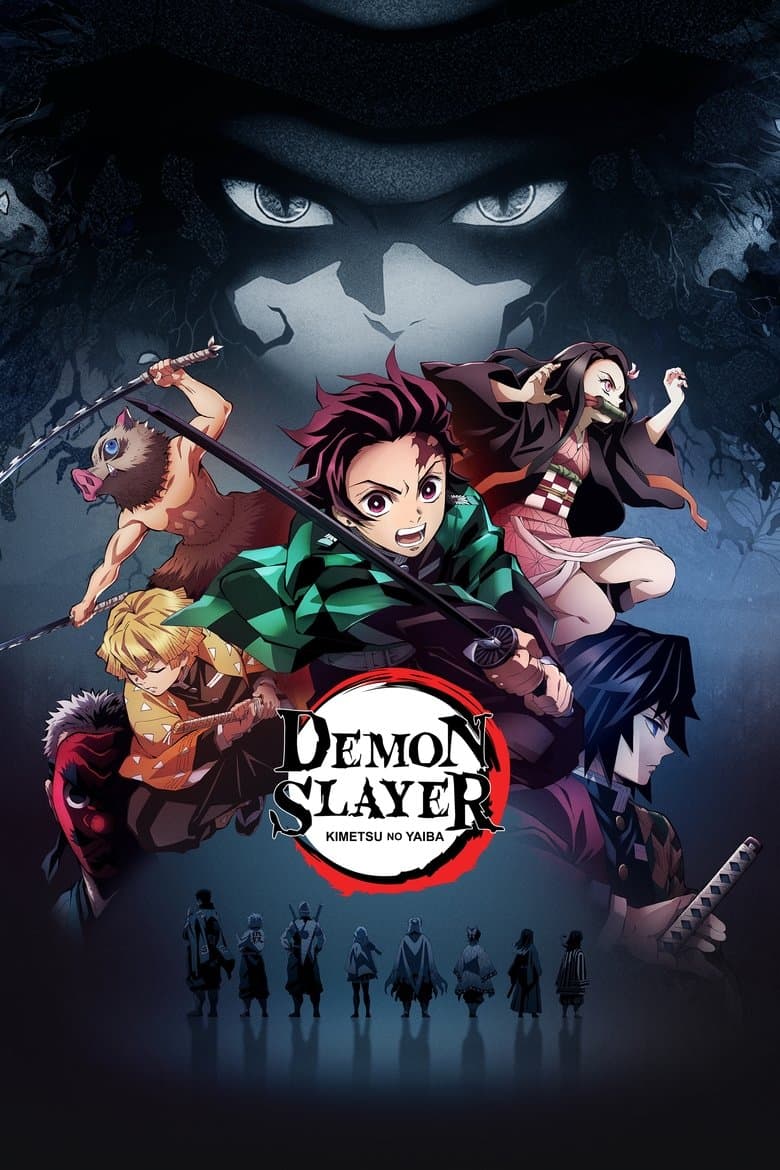
TV Show · 2019
After a demon attack leaves his family slain and his sister cursed, Tanjiro embarks upon a perilous journey to find a cure and avenge those he's lost.
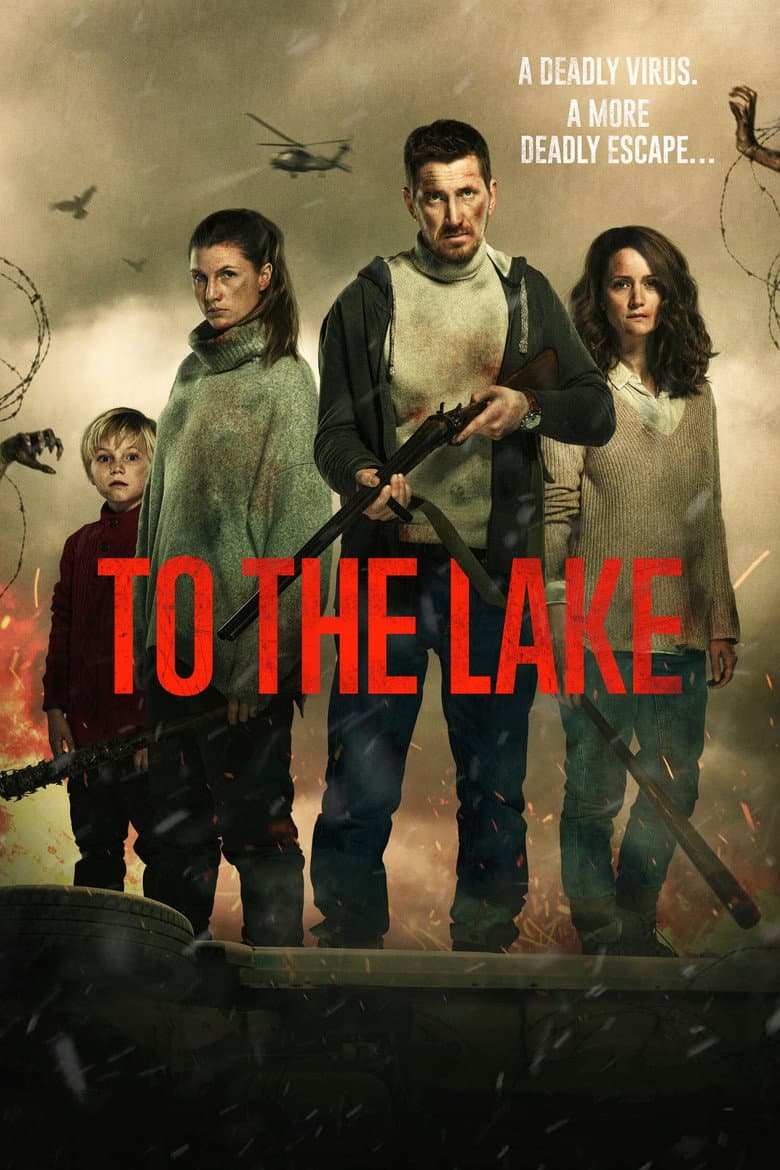
TV Show · 2019
A grim drama that unfolds against the backdrop of a global catastrophe. An unknown new virus turns Moscow into a city of the dead.
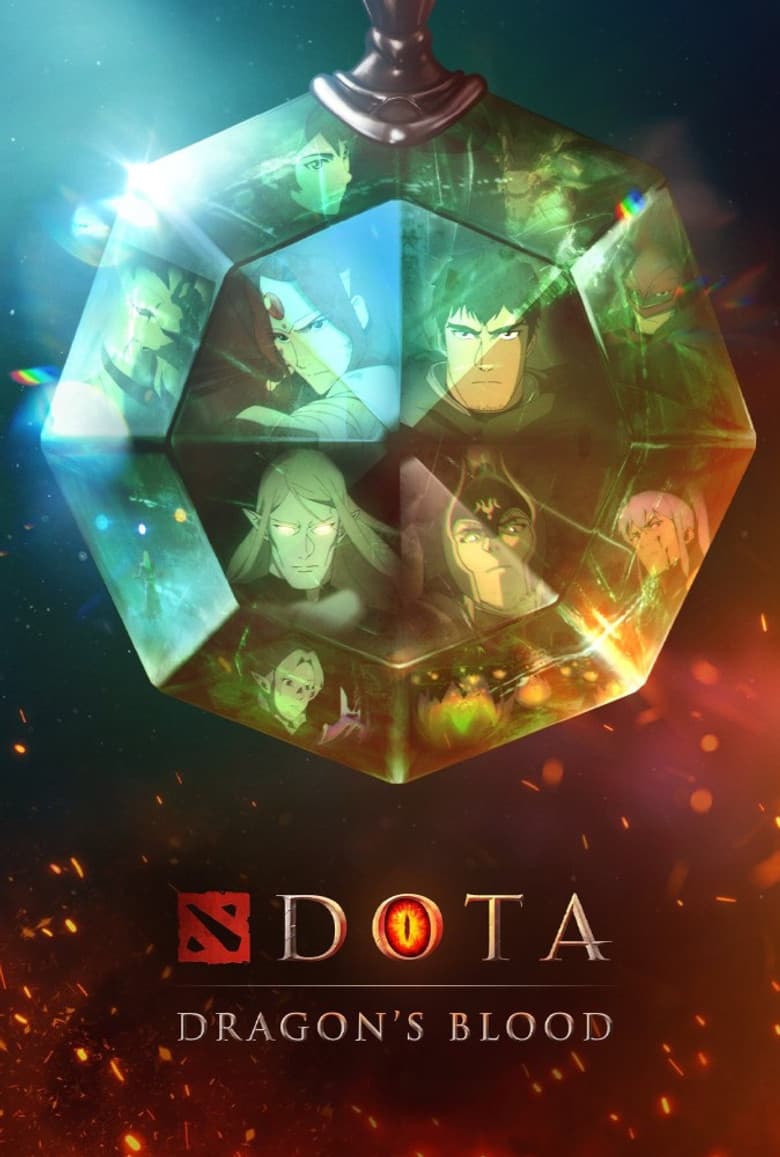
TV Show · 2021
After encounters with a dragon and a princess on her own mission, a Dragon Knight becomes embroiled in events larger than he could have ever imagined.
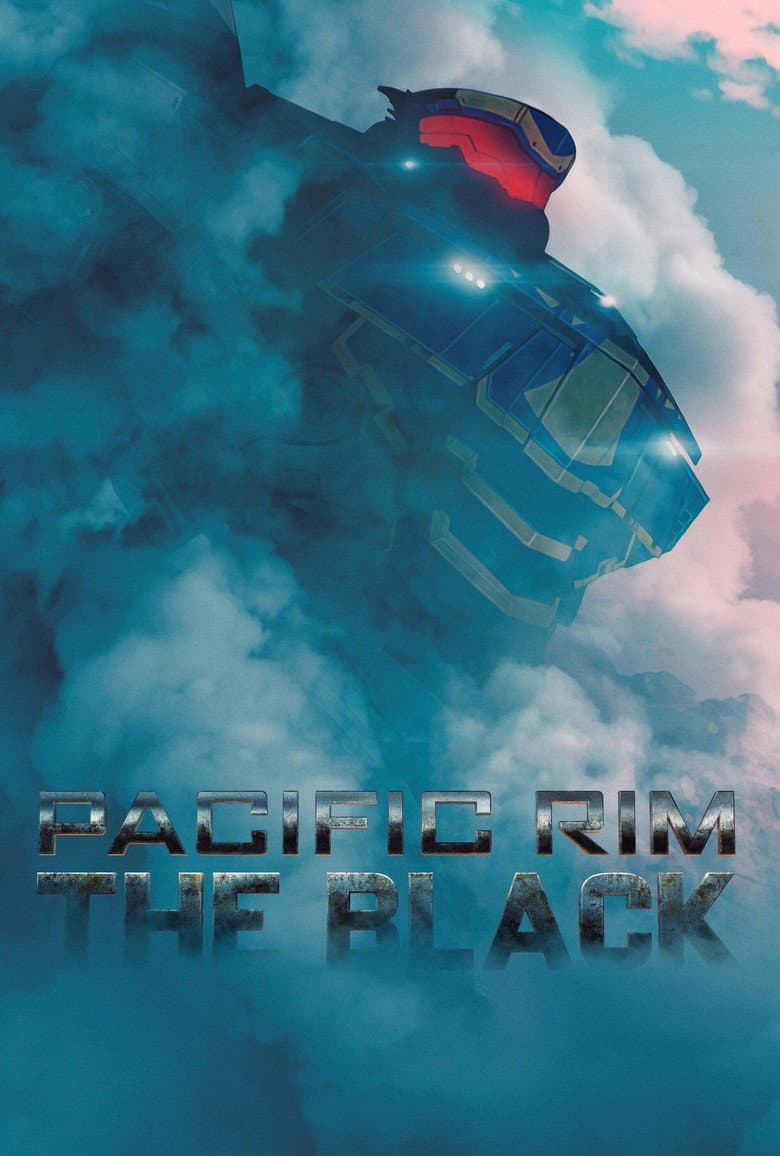
TV Show · 2021
Two siblings - an idealistic teenage boy and his naive younger sister - are forced to pilot an abandoned Jaeger across a hostile landscape in a desperate attempt to find their…
TV Show · 2016
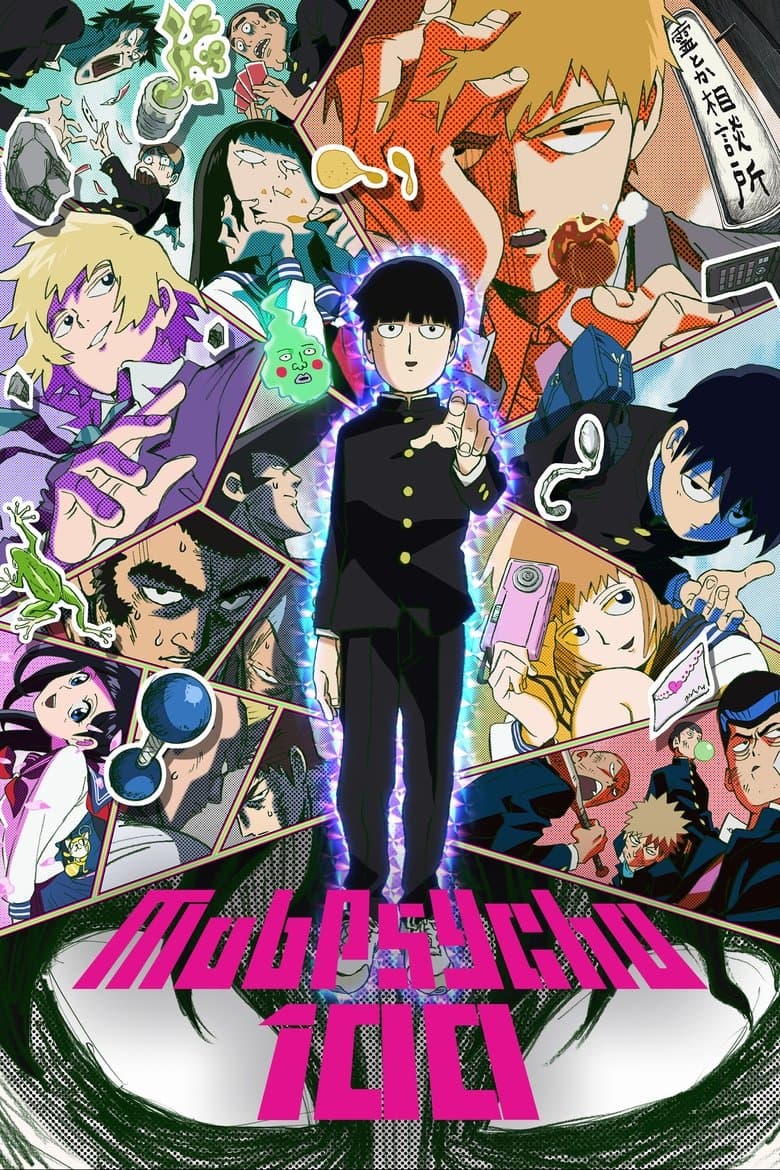
Shigeo Kageyama, a.k.a. "Mob," is a boy who has trouble expressing himself, but who happens to be a powerful esper.
