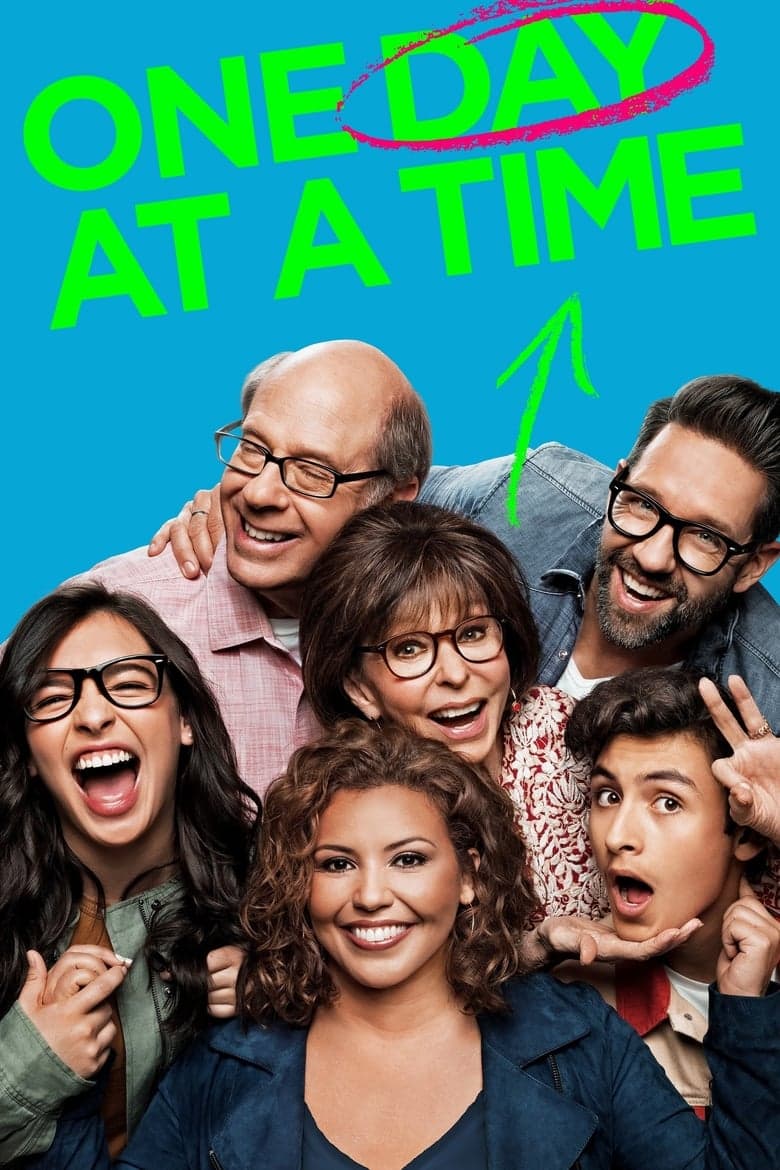
Started January 6, 2017 · Canceled · Based on 4 seasons, 46 episodes through June 16, 2020 · TV-PG · 30 min
One Day at a Time is a modern sitcom about a Cuban-American family living in Los Angeles. The story follows a single mother, Penelope, who is an Army veteran raising her two kids with help from her traditional mother. The show features a teenage daughter who comes out as a lesbian and dates a non-binary partner. These identity themes and LGBTQ+ elements are highly visible throughout all four seasons. Characters also frequently deal with immigration politics and modern feminist activism.
Community feedback
Was our 98% Woke rating accurate?
Breakdown
These are the editorial factors and ratings behind our score for One Day at a Time.
Woke representation / casting
The show features an all-Latino main cast and highlights diversity as a major priority. A core character is a young lesbian daughter who dates a non-binary partner, bringing queer identity to the center of the story. Another episode introduces characters using ze/zir pronouns. This strong focus on LGBTQ+ and identity-driven casting significantly increases the score.
88%
Woke political dialogue
Characters frequently engage in deep, lesson-style conversations about social justice. The dialogue includes debates over they/them pronouns, descriptions of toxic masculinity, and lectures on systemic racism and the gender pay gap. The teenage daughter often acts as an activist, explaining modern terms like white privilege and microaggressions directly to other characters.
85%
Identity-driven story themes
The narrative revolves heavily around identity and representation. Major storylines focus on a teenager's coming-out journey, navigating queer relationships, and dealing with undocumented immigration. The show also explores the struggles of being a queer Latina and highlights activist themes in almost every episode, making these elements central to the plot.
90%
Western institutional / cultural critique
The series regularly critiques traditional Western and Catholic cultural norms, particularly regarding gender roles and sexuality. It attacks the U.S. immigration system, features debates about the census and Latino representation, and portrays traditional masculinity as flawed. The landlord is explicitly referred to as a rich, white, cisgender male ally.
78%
Woke character or canon changes
The show is a direct reboot of the classic 1970s sitcom. The creators replaced the original white family with a Cuban-American family to push for Latino representation. Additionally, they altered the daughter character to be a lesbian feminist activist, inserting modern identity politics into the established concept.
82%
Anti-woke backlash and complaints
The show faced noticeable criticism from conservative viewers and anti-woke commentators. Audiences complained that the sitcom was too preachy and relied heavily on identity politics. Many viewers disliked the focus on non-binary characters and pronoun usage, arguing that the show felt more like a political lecture than a comedy.
65%
Creator track record context
The key creative team has a strong, documented history of progressive activism. Co-creator Gloria Calderón Kellett and producers Norman Lear and Brent Miller have consistently prioritized progressive, Latino, and queer storytelling. Several writers on the staff also have extensive backgrounds in LGBTQ+ and diversity advocacy.
70%
Production

TV Show · 2018
Lifelong best friends Alexa and Katie are eagerly anticipating the start of their freshman year of high school.

TV Show · 2016
A dad finds out that parenting is harder than he thought after his wife goes back to work and he's left at home to take care of the kids.

TV Show · 2021
Follow Jeremy Clarkson as he embarks on his latest adventure, farming. The man who on several occasions claims to be allergic to manual labour takes on the most manually labour…

TV Show · 2025
As Christmas approaches, a blundering-all-the-way dad juggles housesitting a posh London penthouse with an unexpected pickle: caring for a lost baby.
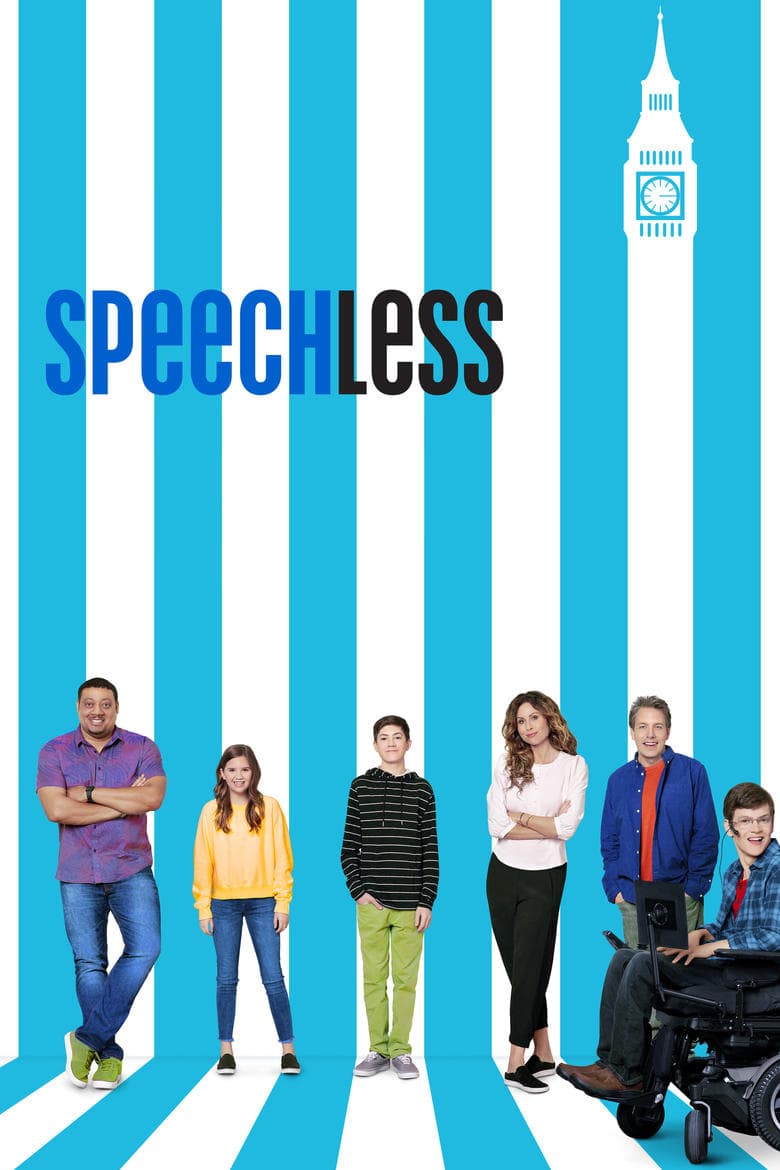
TV Show · 2016
Maya DiMeo is a mom on a mission who will do anything for her husband, Jimmy, and kids Ray, Dylan, and JJ, her eldest son with special needs.
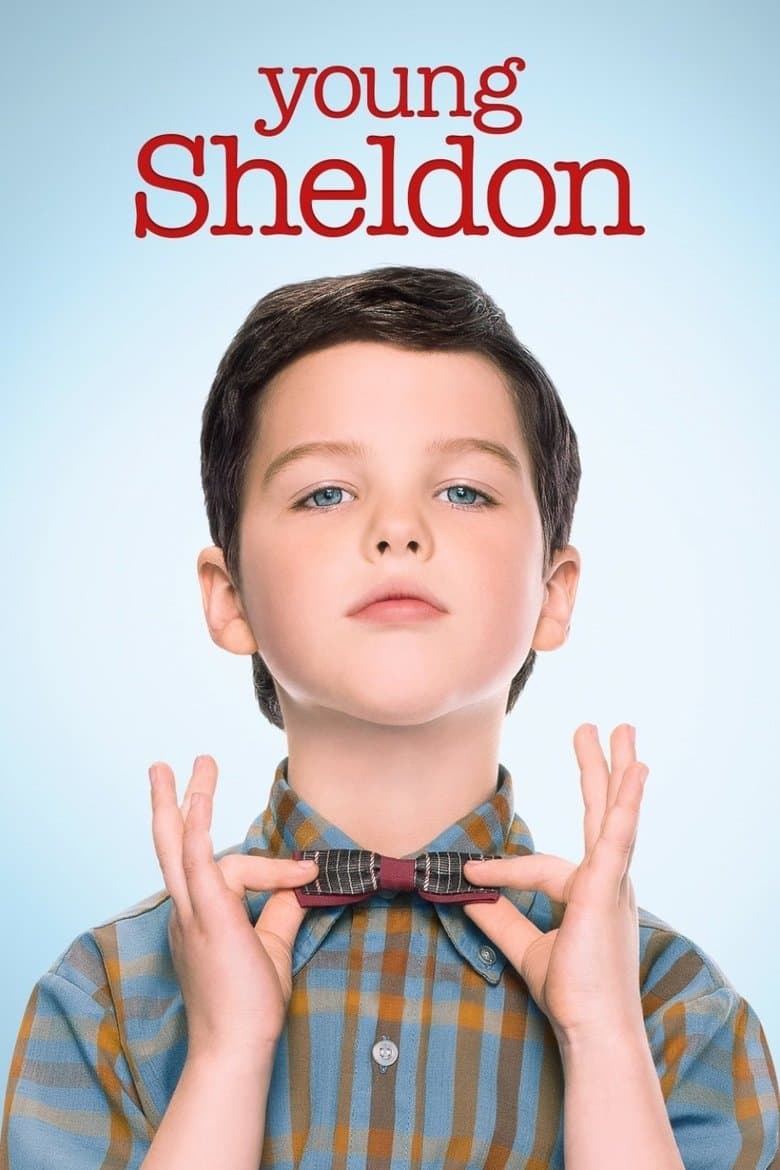
TV Show · 2017
The early life of child genius Sheldon Cooper, later seen in The Big Bang Theory.
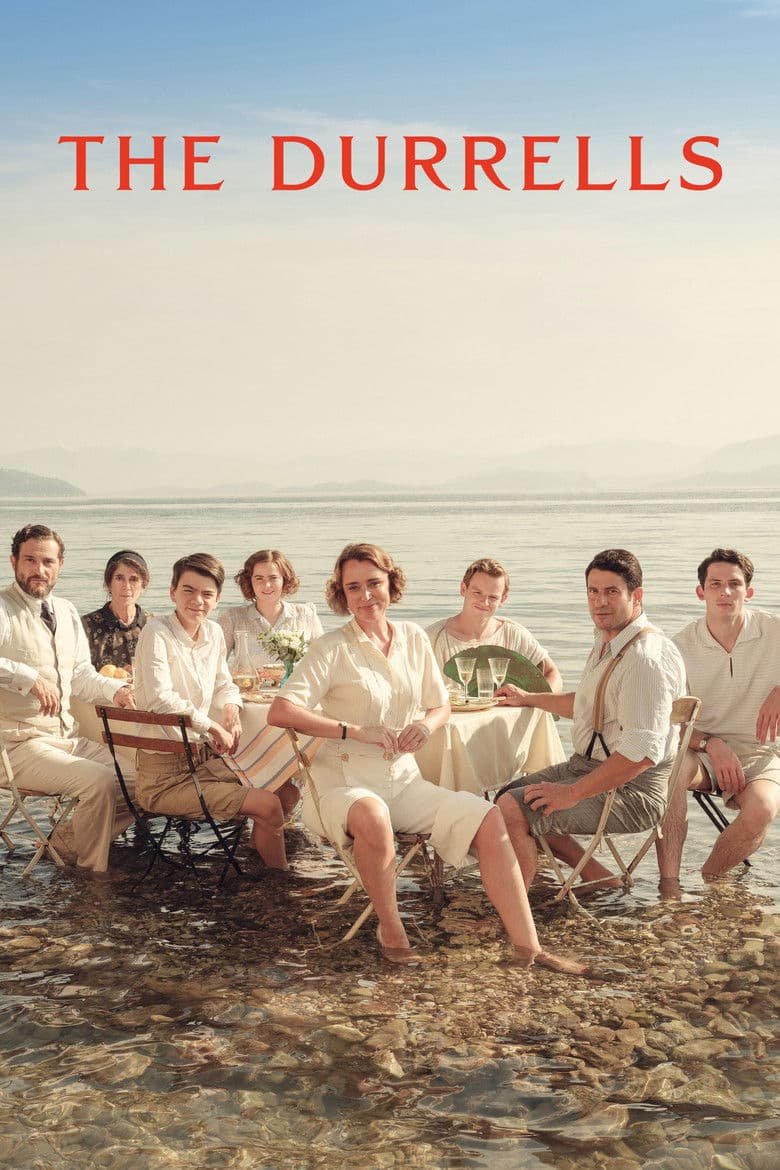
TV Show · 2016
In 1935, financially strapped widow Louisa Durrell, whose life has fallen apart, decides to move from England, with her four children (three sons, one daughter), to the island of…
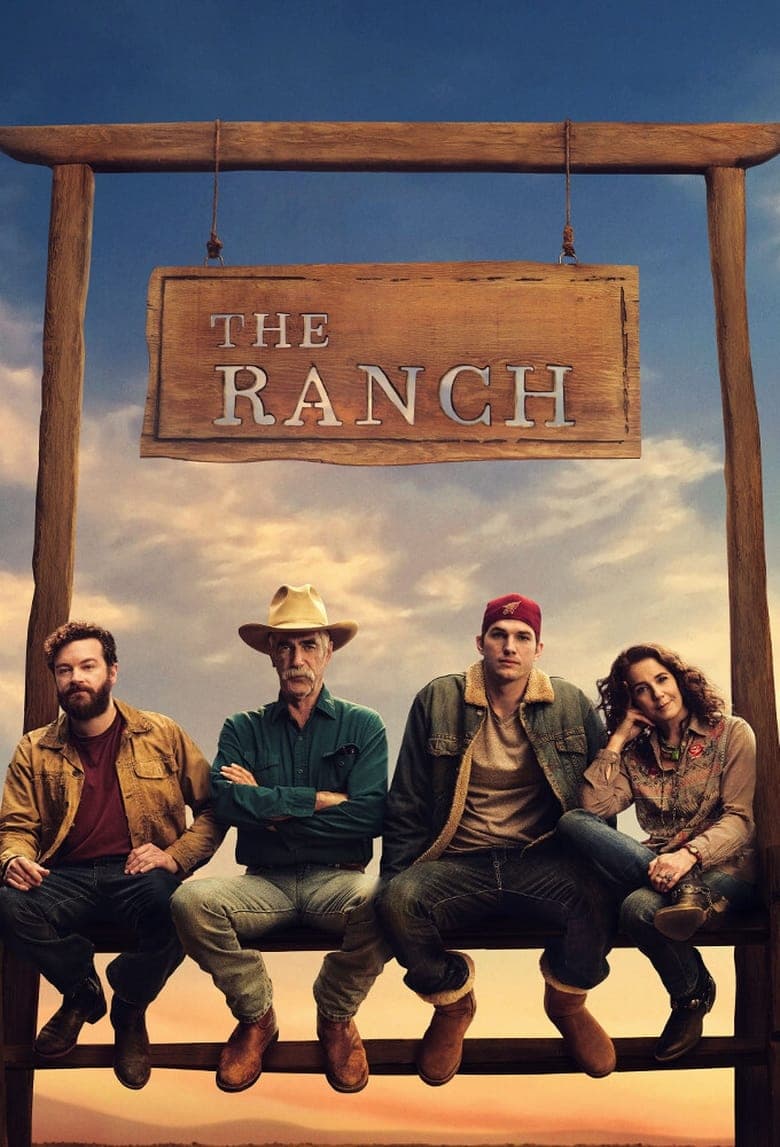
TV Show · 2016
Being a pro athlete didn't pan out for Colt. Now he's helping his dad and brother keep the ranch afloat, and figuring out how he fits into the family.
