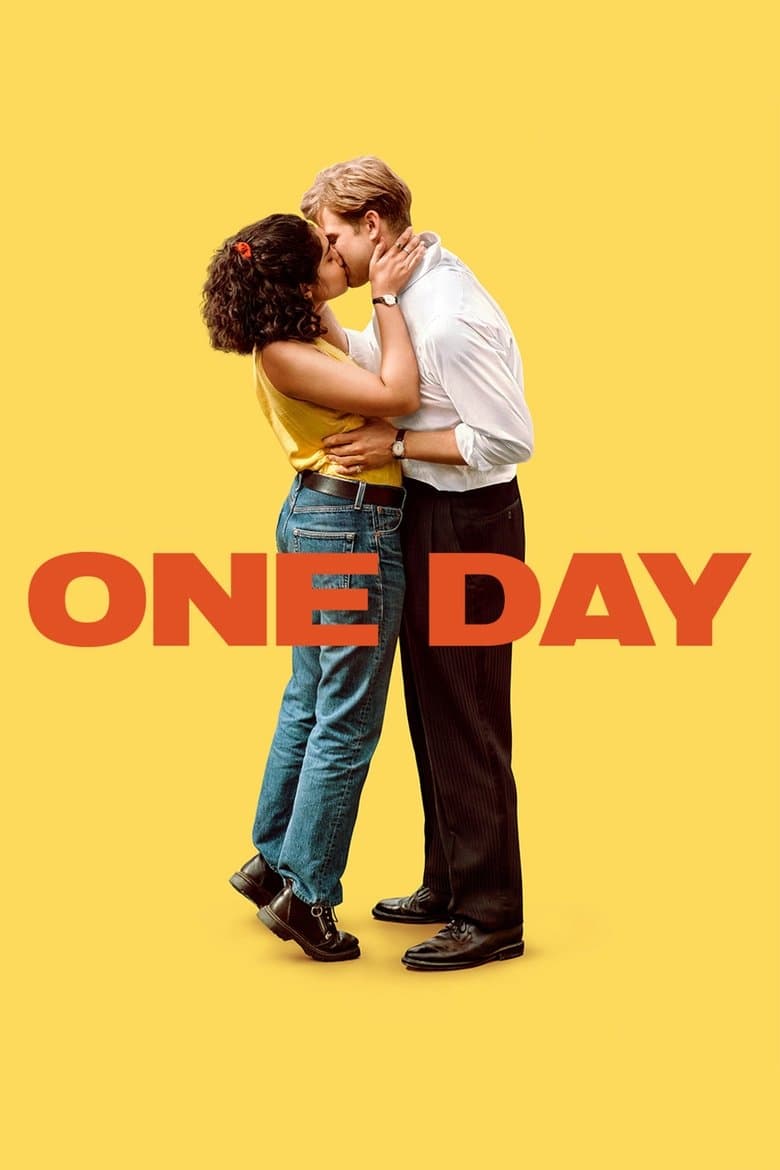
Started February 8, 2024 · Ended · Based on 1 season, 14 episodes through February 8, 2024 · TV-MA
Emma Morley and Dexter Mayhew meet after graduation in Edinburgh in 1988. They return to each other every July 15 as they move through jobs, friendships, romances, marriage, and loss. Emma is serious, funny, and working class, while Dexter is rich, charming, and often careless. The show moves from warm comedy and romance to grief, and its tone is tender, nostalgic, and sad.
The clearest woke element is Ambika Mod’s casting as Emma, a South Asian British woman in a role that readers and the 2011 film had long treated as white. Interviews around the show present the casting as meaningful South Asian representation, while the series gives Emma a small family background with a Hindu mother and a lapsed Catholic father. Emma also speaks about changing her corner of the world and performs a play about women’s voting rights, but those moments fit her student and writer life and do not control the plot. The main story stays focused on a straight romance, class differences, personal growth, and tragedy rather than identity politics.
Community feedback
Was our 49% Woke rating accurate?
Breakdown
These are the editorial factors and ratings behind our score for One Day.
Woke representation / casting
Ambika Mod, a South Asian British actor, plays Emma, while the novel and 2011 film presented the character as white. Mod and entertainment coverage described the role as a major South Asian romantic lead and noted that her heritage was discussed when the backstory was shaped. The main signal comes from recasting the central heroine, not from a repeated identity-based cast pattern.
44%
Woke political dialogue
Emma says she wants to change her small corner of the world. She performs a school play about Emmeline Pankhurst and women’s right to vote. Emma talks about the welfare state and the miners’ strike. She calls Dexter’s father a bourgeois fascist. The show keeps these left-leaning ideas mostly in early, period-based character details instead of repeated modern activist speeches.
28%
Identity-driven story themes
Emma is a South Asian British heroine whose mother is Hindu and whose father is a lapsed Catholic. The show gives that family background a few small details without making race the main conflict. Emma’s larger arc follows work, confidence, friendship, and love, so the identity signal stays limited.
15%
Western institutional / cultural critique
Emma repeatedly challenges Dexter’s inherited money, easy travel, and careless attitude. Dexter’s father and Sylvie’s family represent old wealth and social privilege. The show treats Dexter’s flirting, entitlement, and sexist behavior as personal flaws that hurt people. These ideas recur across the season, but the story stays focused on relationships and class differences rather than a modern attack on Western institutions.
24%
Woke character or canon changes
Emma is usually read as white in the novel, and the 2011 film cast a white actor. Netflix cast South Asian British actor Ambika Mod and worked out a small family backstory for this version. Mod and coverage discussed the choice as meaningful South Asian representation. The change affects identity and audience expectations, but it leaves the main plot and character arc intact.
40%
Anti-woke backlash and complaints
Not present in this title.
0%
Creator track record context
Cached context rates most of the team low. Luke Snellin has prior work about fluid sexuality and queer identity. Vinay Patel has a stronger record of writing about race, power, and minority life, with public comments about power being dismantled. The team shows some progressive context, but its overall pattern is not strongly activist.
34%
Production

TV Show · 2024
Fascinated by cars since childhood, Brazilian racer Ayrton Senna became a sports legend — until tragedy struck, changing Formula 1 forever.
TV Show · 2019
In the 1960s, Israeli clerk-turned-secret agent Eli Cohen goes deep undercover inside Syria on a perilous, years-long mission to spy for Mossad.
TV Show · 2020
A wary CIA officer investigates a charismatic man who sparks a spiritual movement and stirs political unrest. Who exactly is he? And what does he want?
TV Show · 2026
Rip Wheeler and Beth Dutton gamble everything on a new life in South Texas, but the promise of building a future far from the ghosts of Yellowstone quickly collides with brutal…
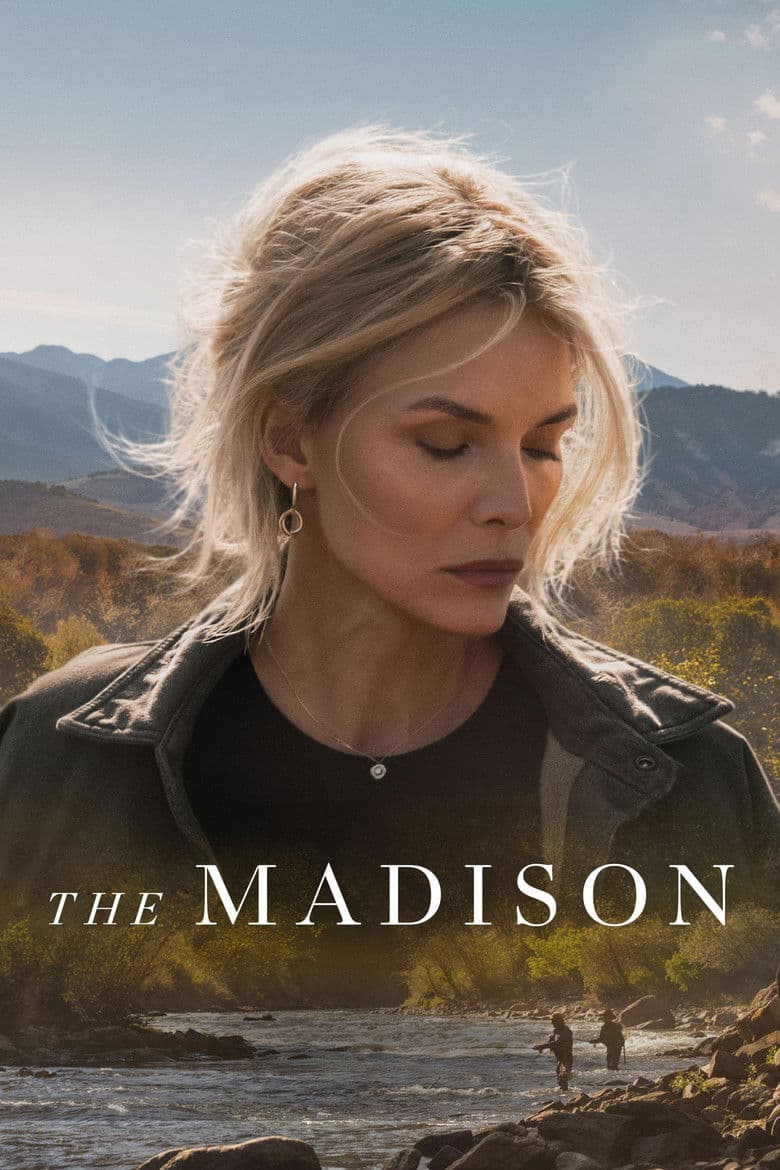
TV Show · 2026
The Clyburns uproot their comfortable New York City lives to the wild, untamed beauty of Montana's Madison River Valley on a search for connection.
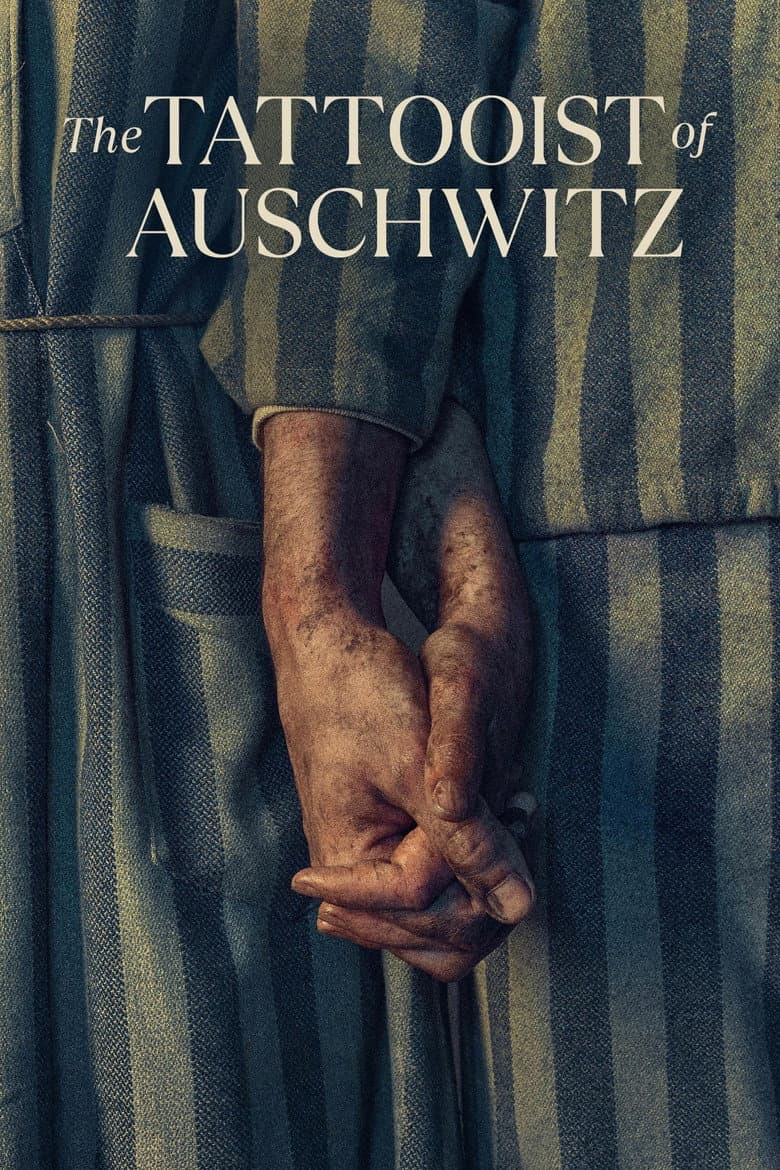
TV Show · 2024
The powerful real-life story of Lali Sokolov, a Jewish prisoner who was tasked with tattooing ID numbers on prisoners' arms in the Auschwitz-Birkenau concentration camp during…
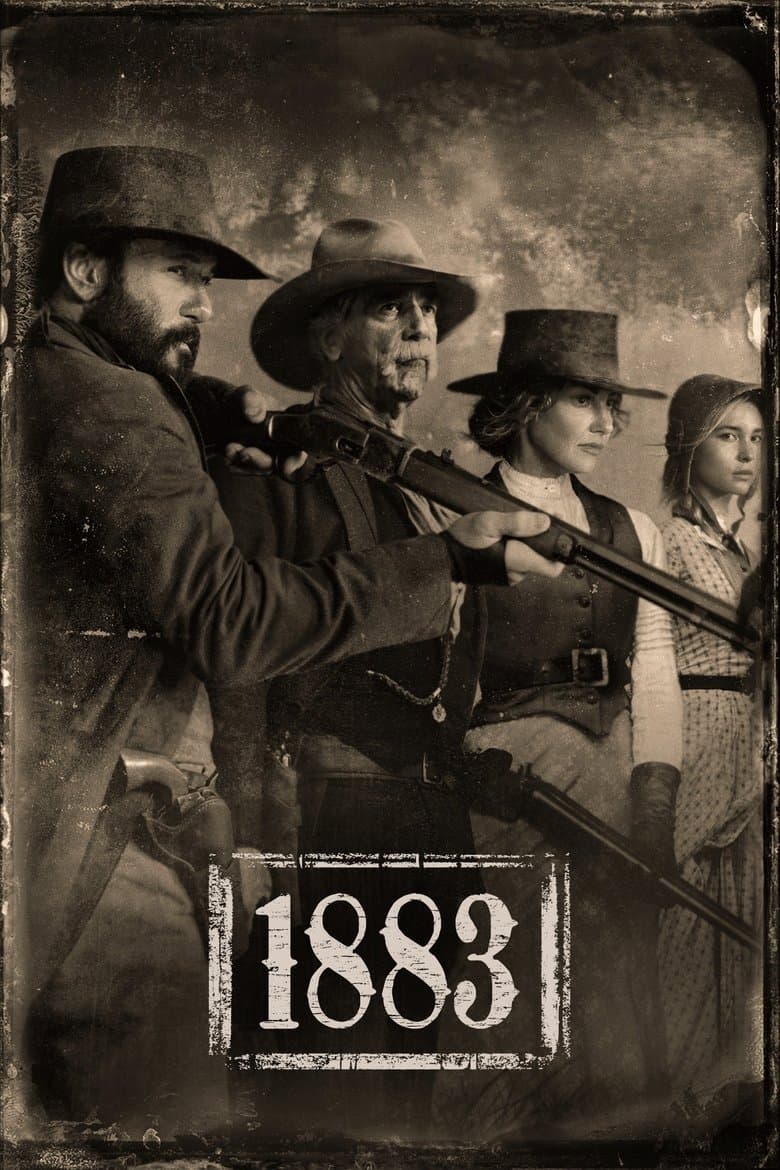
TV Show · 2021
Follow the Dutton family as they embark on a journey west through the Great Plains toward the last bastion of untamed America.
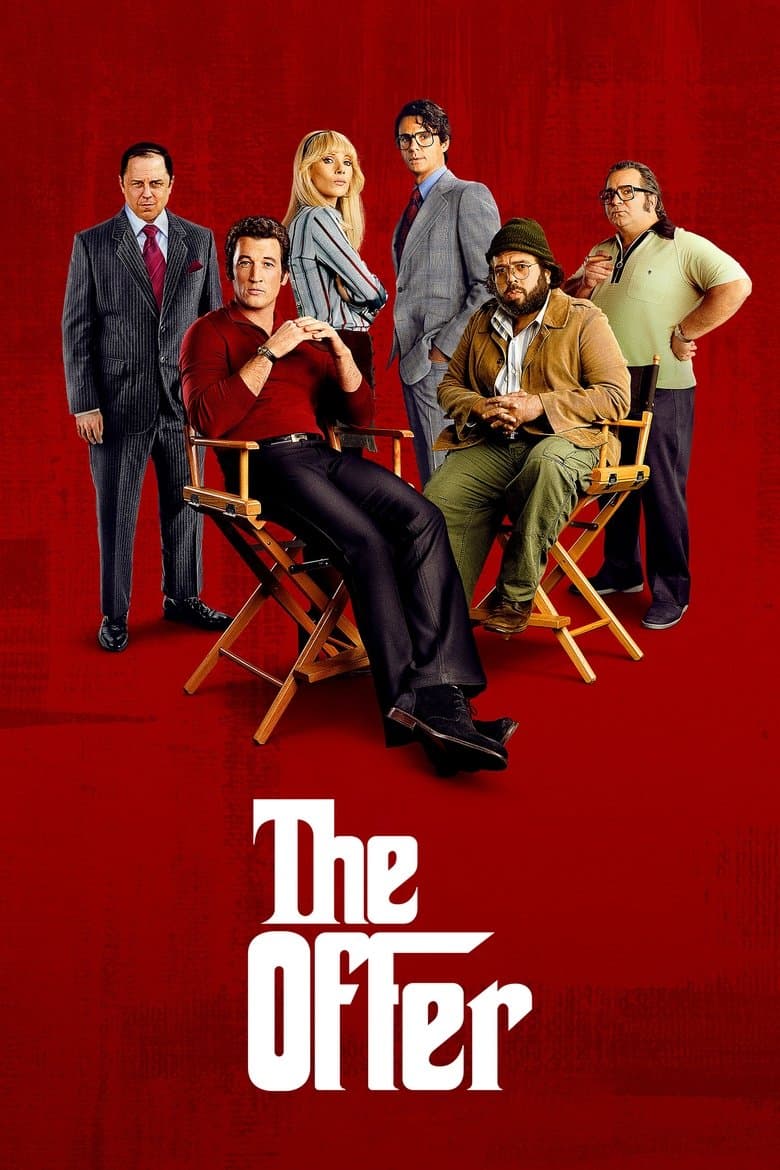
TV Show · 2022
Oscar-winning producer Al Ruddy’s never before revealed experiences of making the iconic 1972 film The Godfather that Francis Ford Coppola directed and adapted with Mario Puzo.
