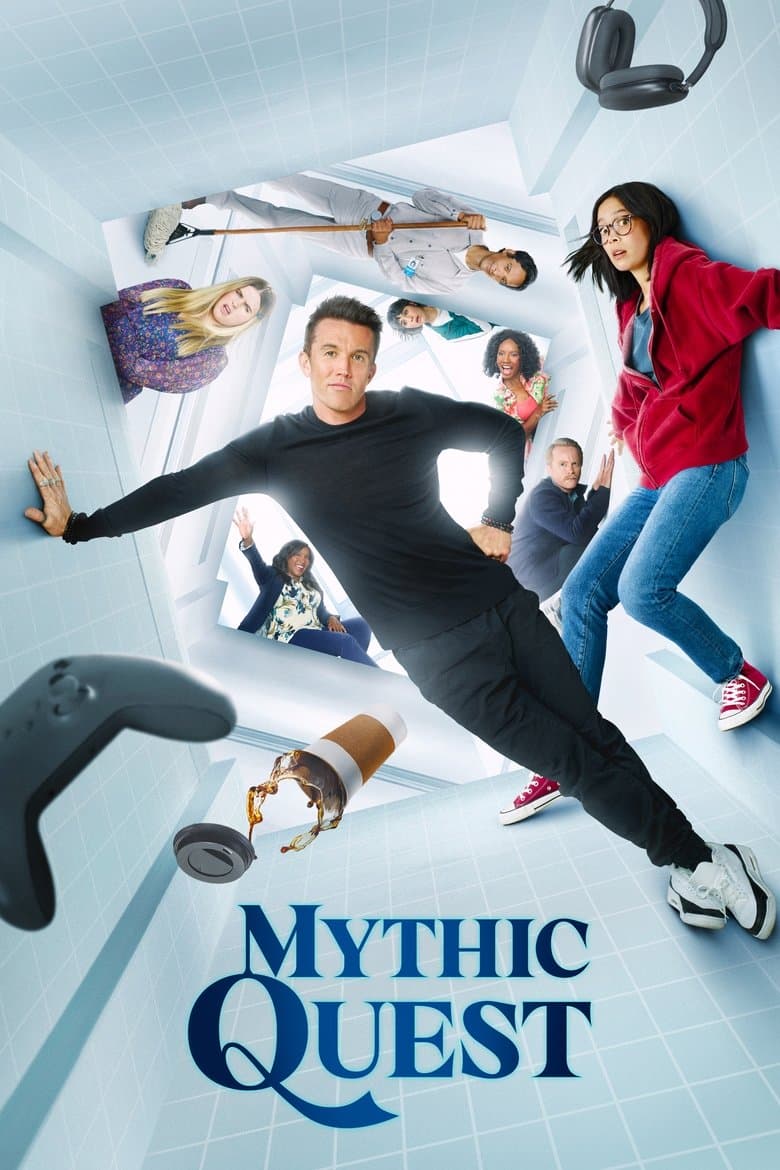
Started February 7, 2020 · Canceled · Based on 4 seasons, 40 episodes through March 25, 2025 · TV-MA
Mythic Quest is a comedy show about a team of people who make a very popular online video game. It follows their daily fights, ego clashes, and chaotic office lives as they try to keep the game successful. The show features a very clear focus on progressive themes, including a long-running romantic relationship between two lesbian characters. It also includes visible storylines about female empowerment in the tech industry and conversations about modern diversity and workplace inclusion.
Community feedback
Was our 74% Woke rating accurate?
Breakdown
These are the editorial factors and ratings behind our score for Mythic Quest.
Woke representation / casting
The show has many women and minority actors in big roles, including a Filipino-Australian co-lead. Most importantly, the main cast features a major lesbian couple played by Ashly Burch and Imani Hakim. This prominent queer romance is a central part of the show across all four seasons. Because of the clear focus on LGBTQ+ representation, this score is higher.
55%
Woke political dialogue
The characters often talk about social issues using modern activist language. A character named Rachel frequently lectures others about male privilege, capitalism, and sexism in the gaming industry. The show also has many conversations about corporate diversity, equity, and inclusion (DEI) policies, which are often discussed by the head of human resources.
55%
Identity-driven story themes
Major parts of the story focus on identity. The ongoing romance and engagement between Rachel and Dana is a main plot point. The show also focuses on female empowerment, showing how a female programmer succeeds despite her self-centered male coworker. It also explores themes of sexism and inclusivity in the gaming world.
60%
Western institutional / cultural critique
The show critiques modern office culture and traditional male behavior. It portrays the male creator as extremely self-absorbed and entitled. It shows the corporate power structures in the tech world as silly and dysfunctional. The series also makes fun of corporate virtue signaling, showing how big companies try to profit from progressive causes.
50%
Woke character or canon changes
Not present in this title.
0%
Anti-woke backlash and complaints
Some viewers complained that the show became too preachy in its later seasons. On social media and review sites, many complaints focus on the heavy presence of DEI themes, especially in Season 3 and Season 4. Some viewers also criticize Rachel as an annoying activist character whose stories get in the way of the comedy.
45%
Creator track record context
The creators have a mixed track record with progressive themes. Rob McElhenney has a history of adding queer stories to his shows, and Megan Ganz often writes about feminist workplace topics. Ashly Burch is openly queer and supports representation. These progressive writers are balanced by apolitical creators like Charlie Day.
42%
Production
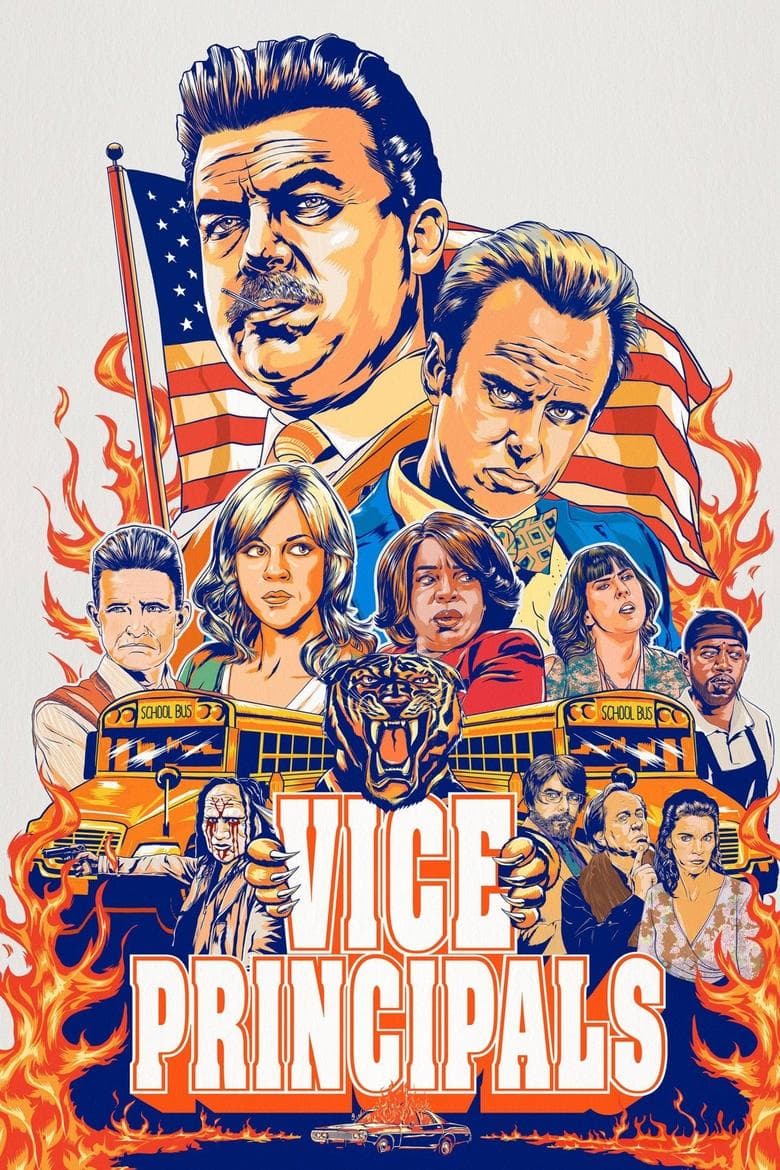
TV Show · 2016
After North Jackson High's long-time principal steps down to tend to his ailing wife, Neal Gamby and Lee Russell, the school's vice principals, are forced to put their mutual…
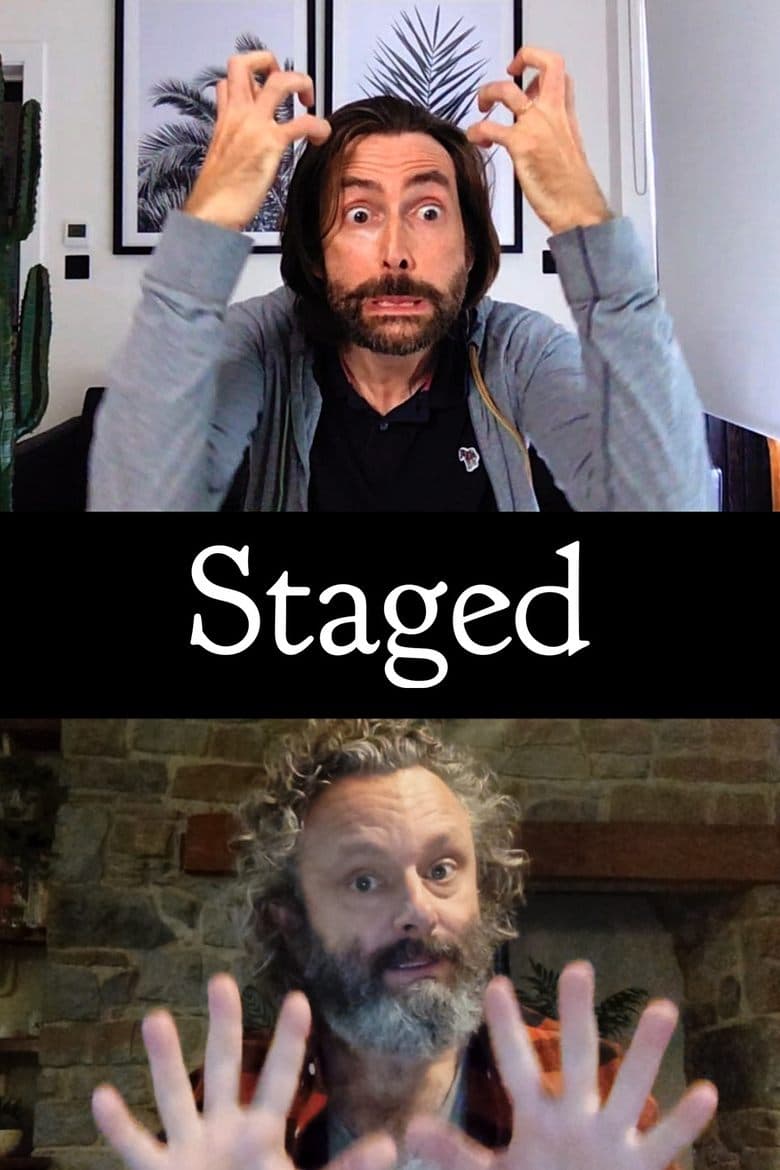
TV Show · 2020
David Tennant and Michael Sheen (playing themselves) were due to star in a production of 'Six Characters in Search of an Author' in the West End.
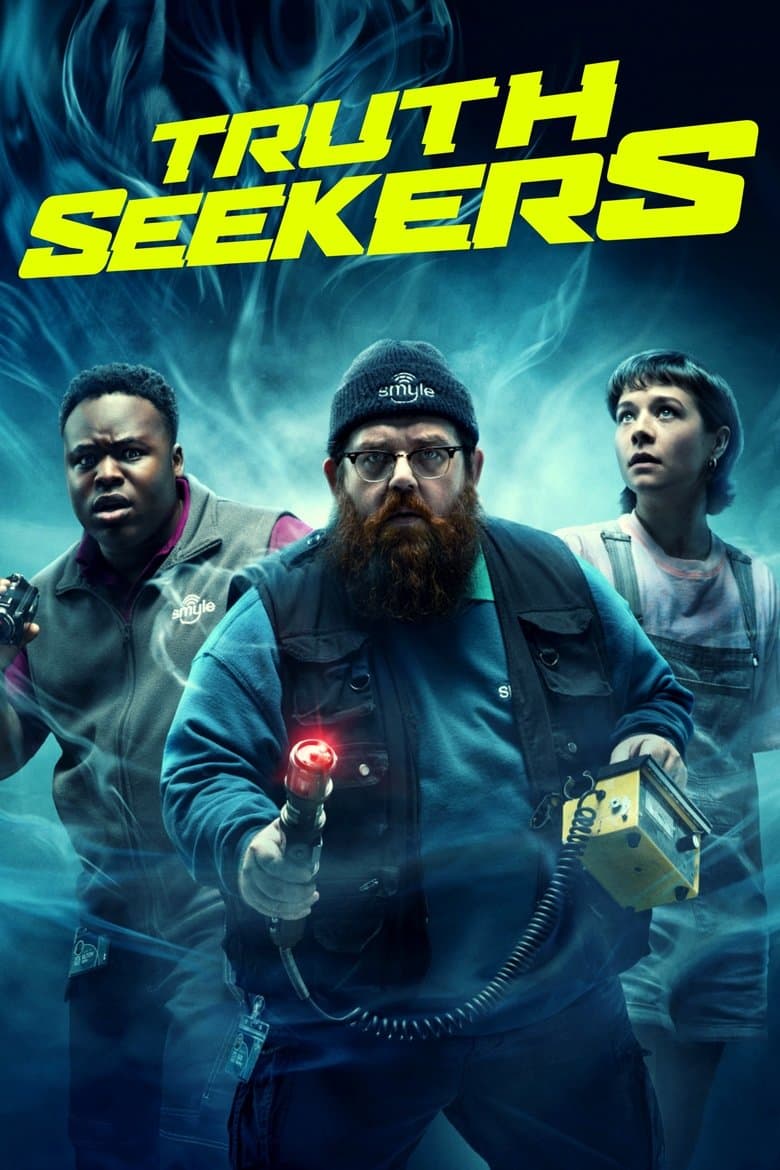
TV Show · 2020
A ghost-hunting duo team up to uncover and film paranormal sightings across the U.K. and share their adventures on an online channel.
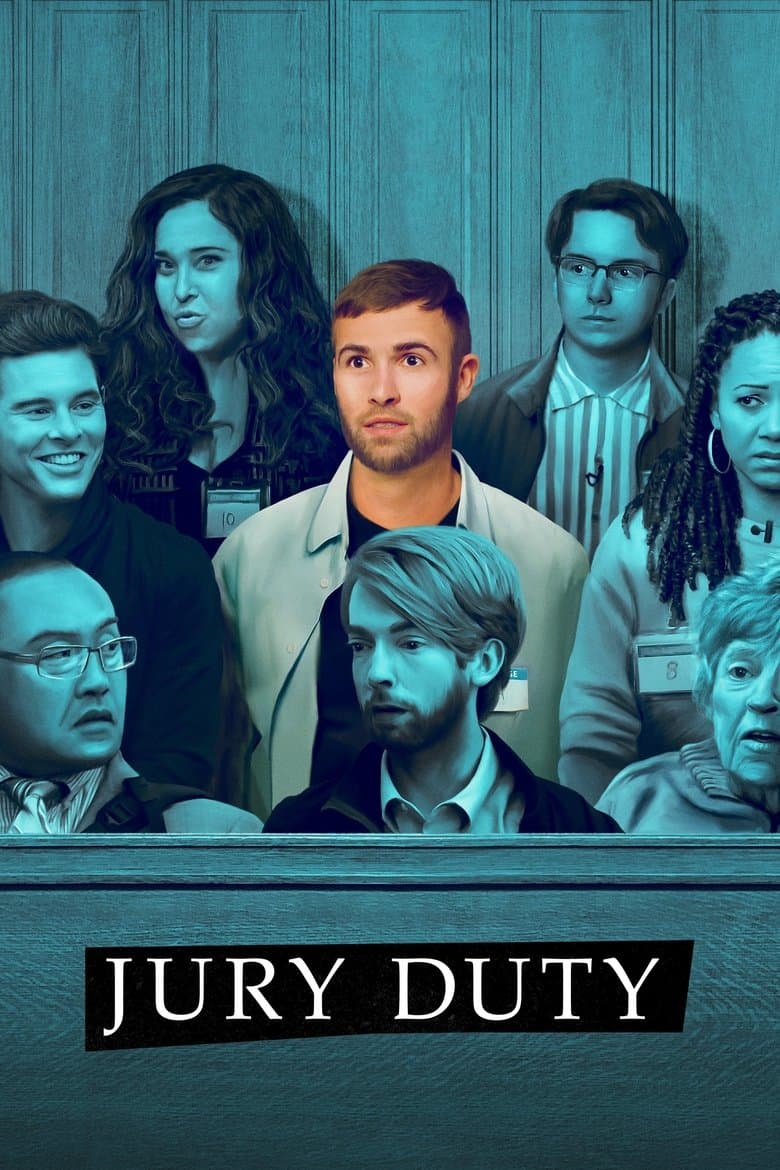
TV Show · 2023
The inner workings of an American jury trial through the eyes of one particular juror, Ronald Gladden. Gladden is unaware the entire case is fake, everyone except him is an actor…
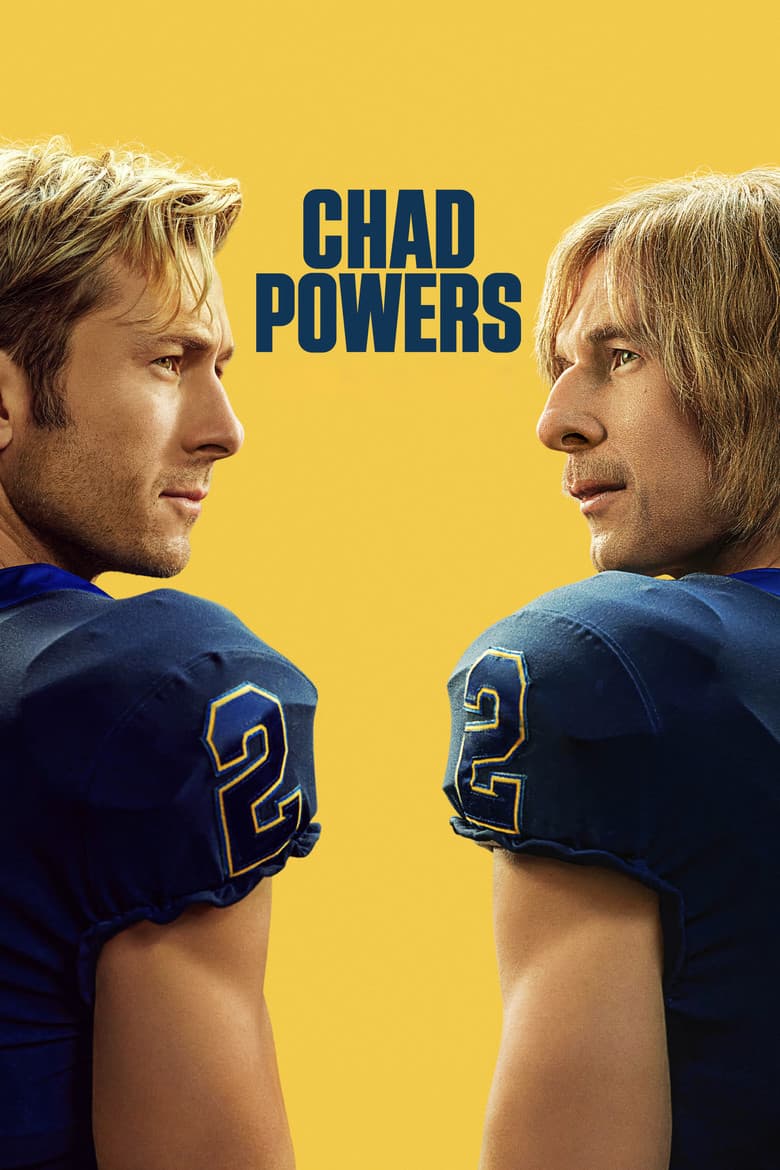
TV Show · 2025
Eight years after an unforgivable mistake nukes his promising college football career, hotshot quarterback Russ Holliday tries to resurrect his dreams by disguising himself as…
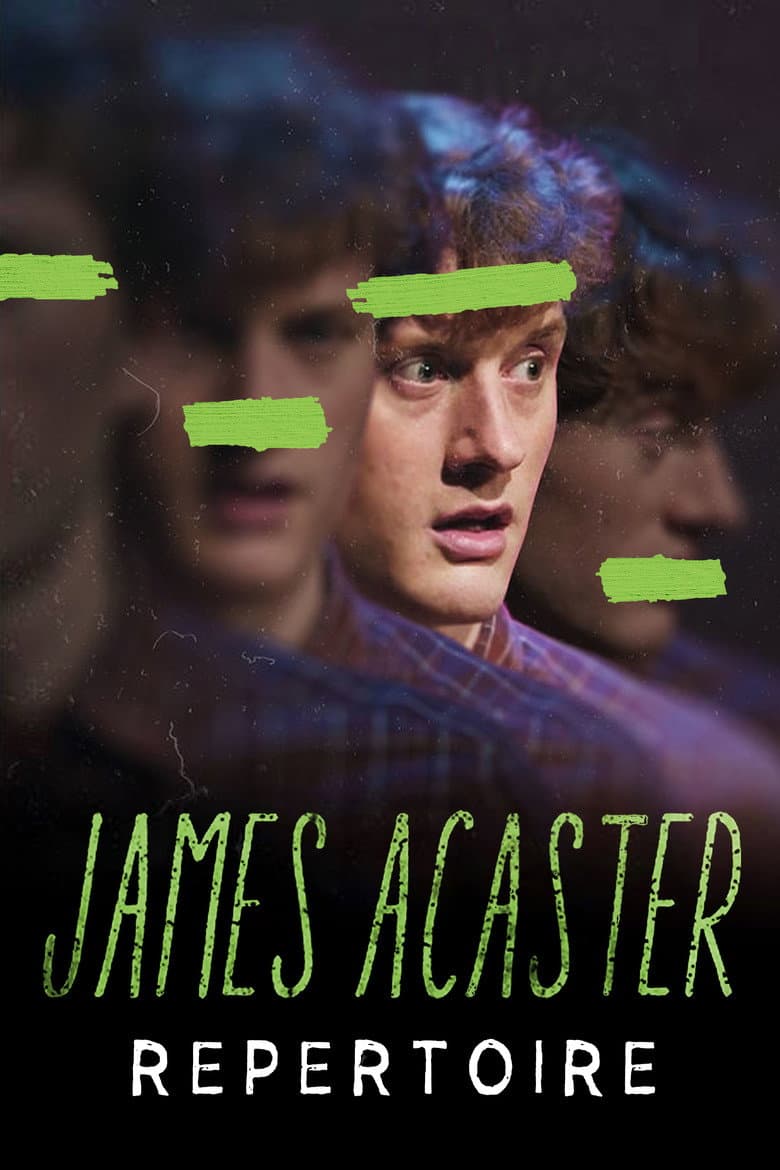
TV Show · 2018
Offbeat comic James Acaster covers the strange, the mundane and everything in between in this collection of four wide-ranging stand-up specials.
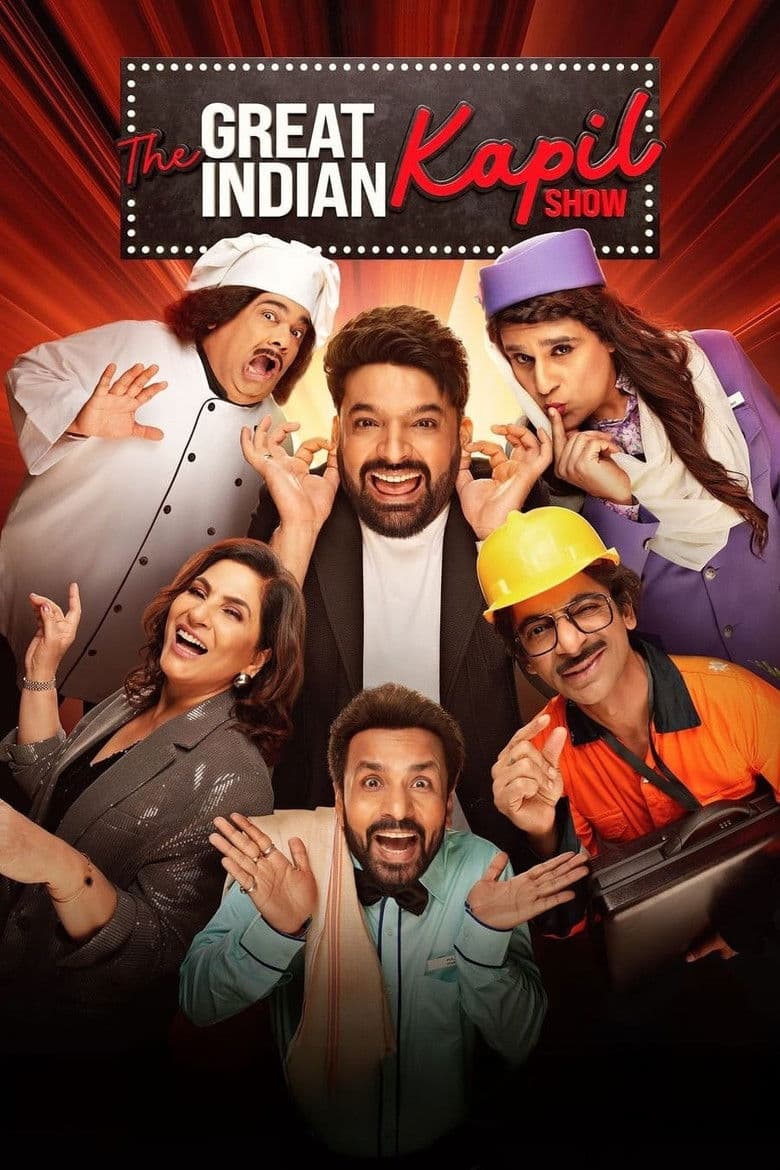
TV Show · 2024
Comedian Kapil Sharma hosts this laugh-out-loud variety talk show with celebrity guests, hilarious antics and his signature supporting cast.

TV Show · 2016
Jeremy Clarkson, Richard Hammond and James May are back with a show about adventure, excitement and friendship...
