Started June 8, 2022 · Ended · Based on 1 season, 6 episodes through July 13, 2022 · TV-14
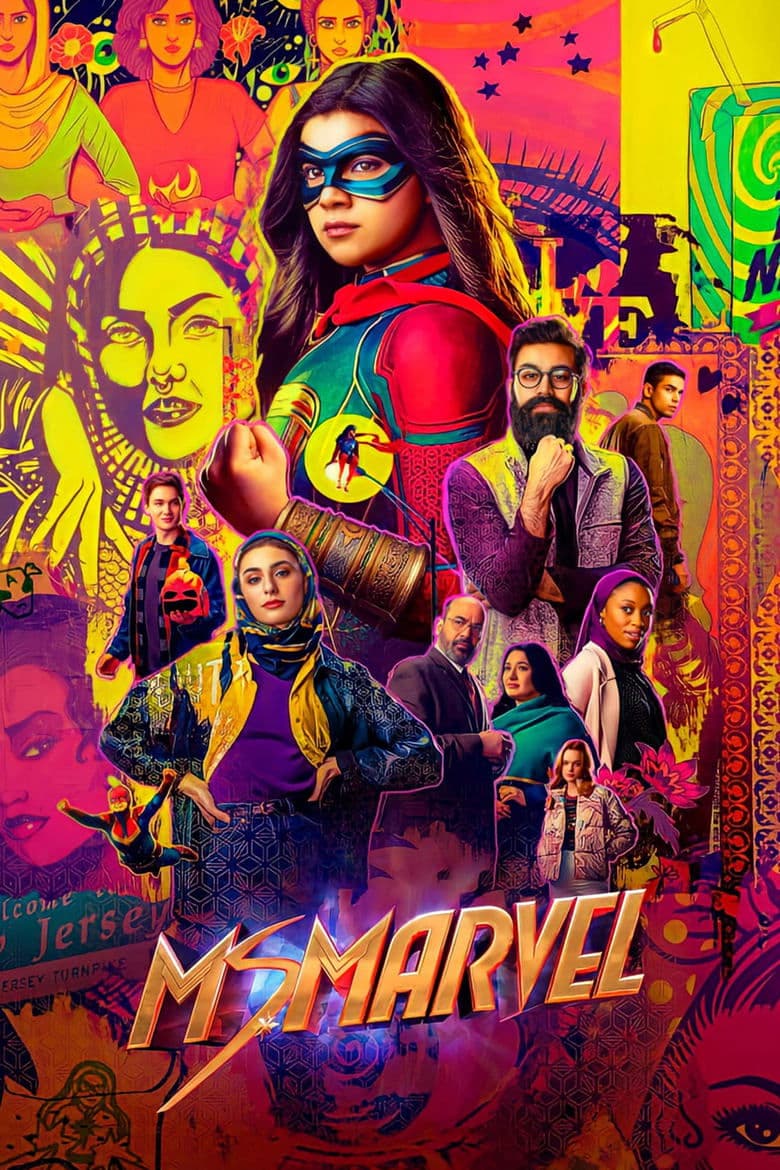
Ms. Marvel follows Kamala Khan, a Pakistani Muslim teen in Jersey City who loves superheroes and lives with her immigrant family. She belongs to a local mosque community and struggles with fitting in as a minority fangirl. When she gains powers, she becomes a hero while learning about her family past. The story includes Partition trauma passed down through the women in her line and an ancestral bangle that shapes her powers. The series is a six episode Disney Plus origin story about that journey.
The show builds its plot around Muslim and South Asian American girlhood rather than treating those details as background. Casting presents a Muslim lead and a multi ethnic Muslim supporting cast, including a Lebanese American friend and a black convert sister in law. Dialogue covers mosque board politics, hijab as chosen empowerment, and agents who order sweeps of temples and mosques. Damage Control works as a present day critique of security culture that interrogates teens and targets brown and Muslim youth. The power origin shift from Inhuman mist to ancestral lineage expands matrilineal cultural heritage on screen beyond the comics.
Community feedback
Was our 91% Woke rating accurate?
Breakdown
These are the editorial factors and ratings behind our score for Ms. Marvel.
Woke representation / casting
The show casts the MCU’s first Muslim lead and treats that identity as a main selling point. The Jersey City Pakistani-American family largely fits the setting. Production still leans on multi-ethnic Muslim supporting roles and diversity-first casting leadership. Identity is not background. It is part of how the series is sold.
68%
Woke political dialogue
Some lines land close to activist speech and are hard to miss. Agents order sweeps of temples, community centers, and mosques. Nakia runs for the mosque board and frames hijab as chosen empowerment against stereotypes. Gender rules at the mosque and profiling beats also appear, though the show is not nonstop sermons.
52%
Identity-driven story themes
The core story is dual identity for a Pakistani Muslim teen in an immigrant family. Mosque life, Partition trauma, ancestral heritage, and minority belonging drive the plot. Becoming a hero grows out of that girlhood experience. Representation is the spine of the narrative, not a side quest.
78%
Western institutional / cultural critique
Damage Control works like a modern post-9/11 security machine. It interrogates teens, raids and watches mosques, and targets brown and Muslim youth. Agent Deever plays the hardline bigoted enforcer. This is present-day critique of U.S. security culture, not generic anti-tyrant fantasy.
62%
Woke character or canon changes
Kamala was already a Pakistani Muslim Ms. Marvel in the comics, not a race or gender swap of Carol Danvers. The big change moves her powers from Inhuman Terrigen mist to ancestral bangle and Partition lineage, with a late mutant reveal. That expands matrilineal cultural heritage beyond the comics. It is not a full ideological rewrite of a legacy white hero.
34%
Anti-woke backlash and complaints
Launch brought documented review bombing and one-star campaigns calling the show too woke or cringe. Creators and critics reported diversity-hostile attacks. Sana Amanat publicly answered woke complaints. The series was regularly lumped into M-She-U and forced-diversity talk online and in mainstream coverage.
76%
Creator track record context
Head writer Bisha K. Ali and writers Sabir Pirzada and Fatimah Asghar lean into identity and representation. A.C. Bradley and casting director Sarah Halley Finn fit DEI-adjacent industry patterns. Comic creator G. Willow Wilson built the character around Muslim faith and identity. Directors and many staff writers sit lower, so the weighted center is mid-range.
51%
Production
TV Show · 2016
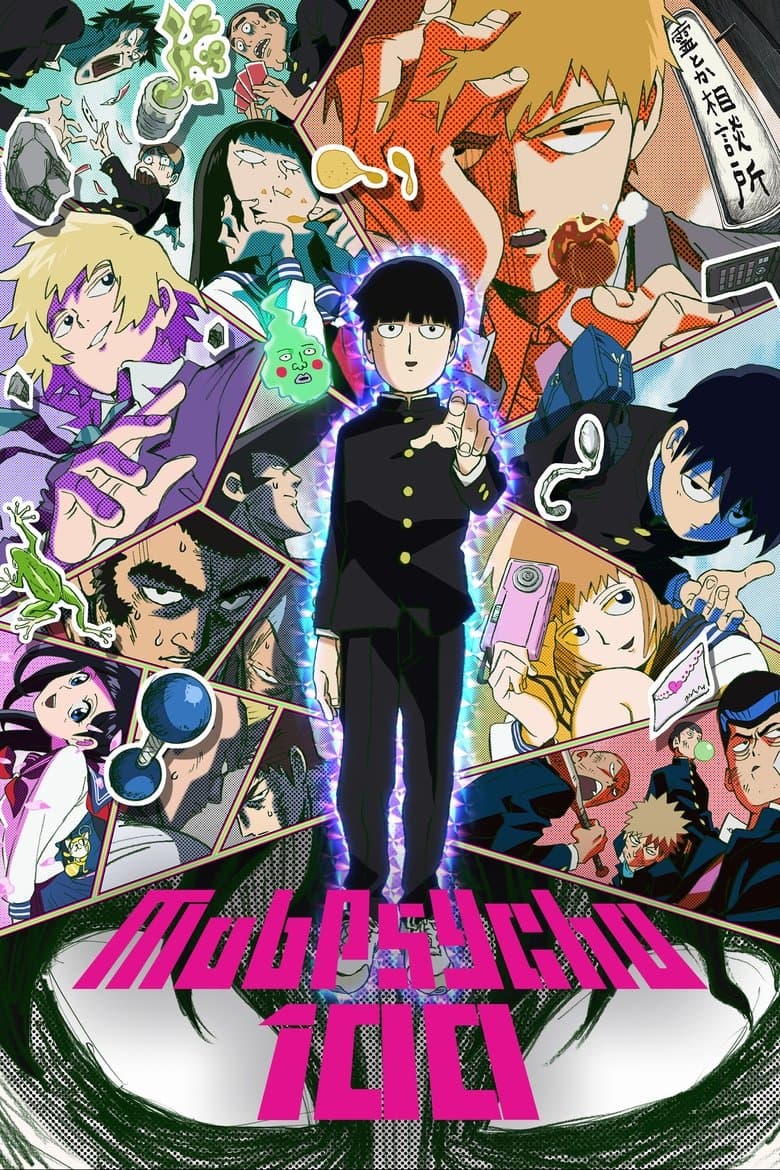
Shigeo Kageyama, a.k.a. "Mob," is a boy who has trouble expressing himself, but who happens to be a powerful esper.
TV Show · 2024
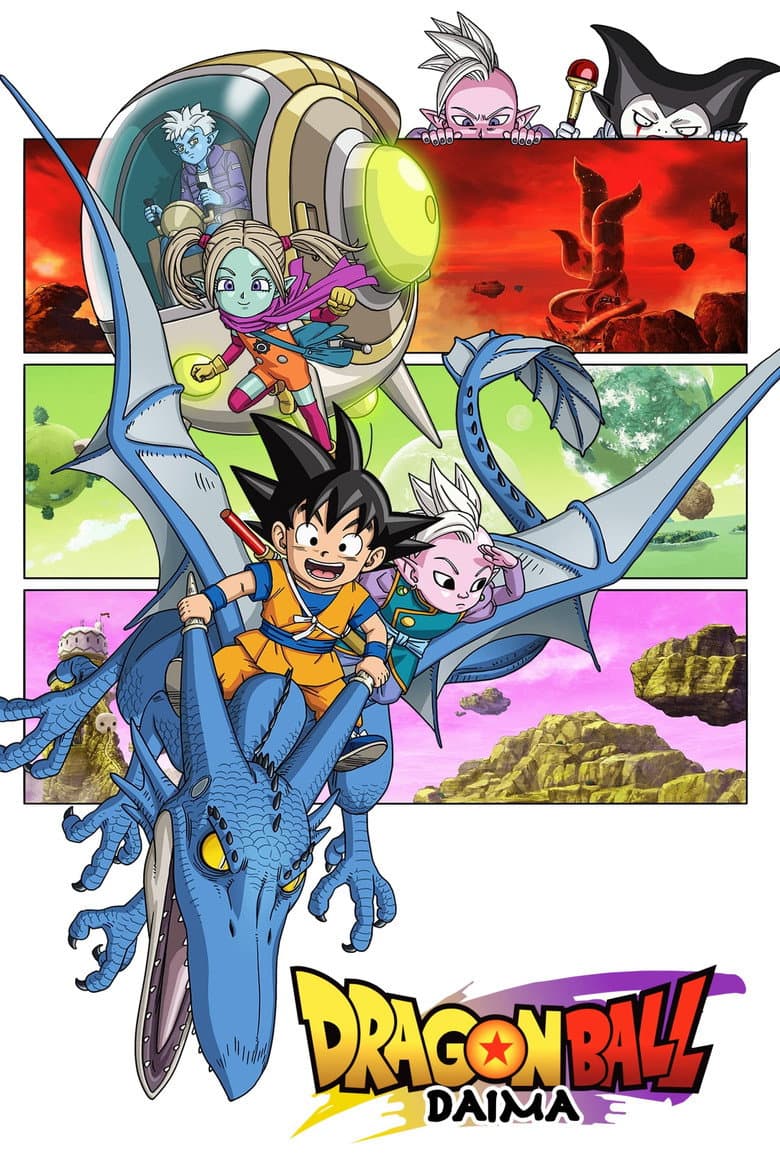
Mysteriously transformed into mini versions of themselves, Goku and his friends travel to the Demon Realm to uncover the truth and find a cure.
TV Show · 2021
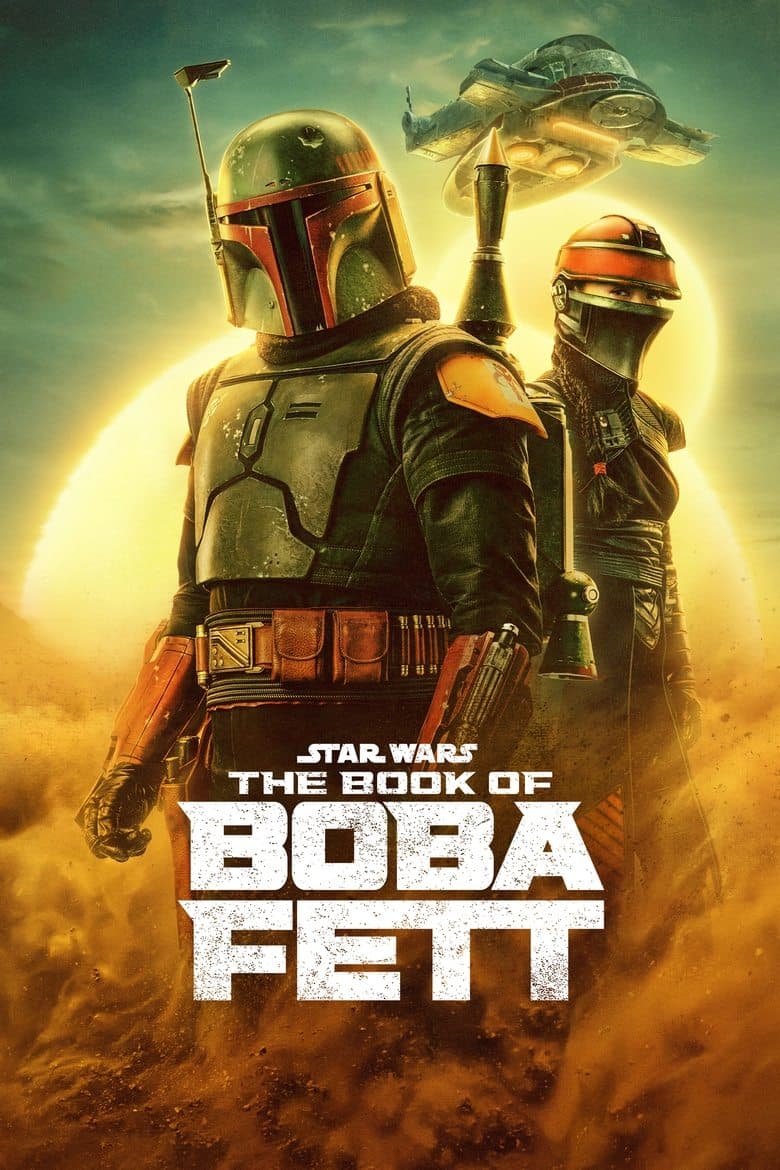
Legendary bounty hunter Boba Fett and mercenary Fennec Shand must navigate the galaxy’s underworld when they return to the sands of Tatooine to stake their claim on the territory…
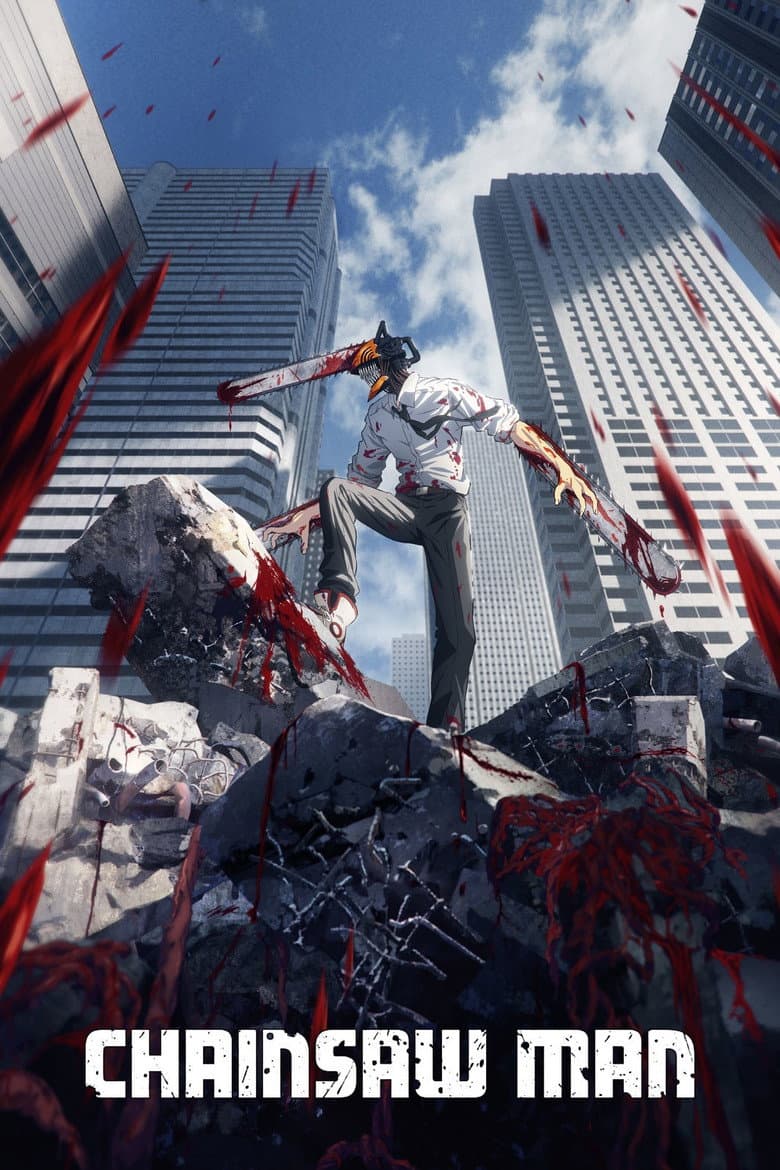
TV Show · 2022
Denji has a simple dream—to live a happy and peaceful life, spending time with a girl he likes. This is a far cry from reality, however, as Denji is forced by the yakuza into…
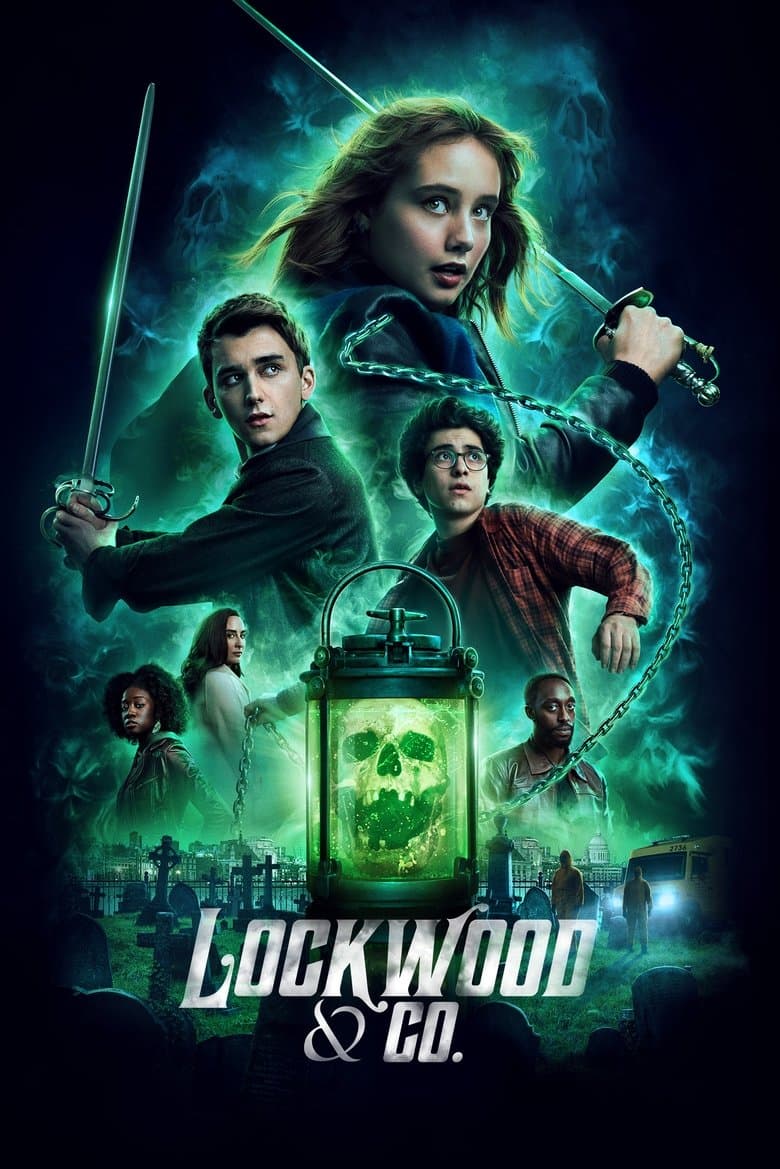
TV Show · 2023
A girl with extraordinary psychic abilities joins two gifted teen boys at a small ghost-hunting agency to fight the many deadly spirits haunting London.
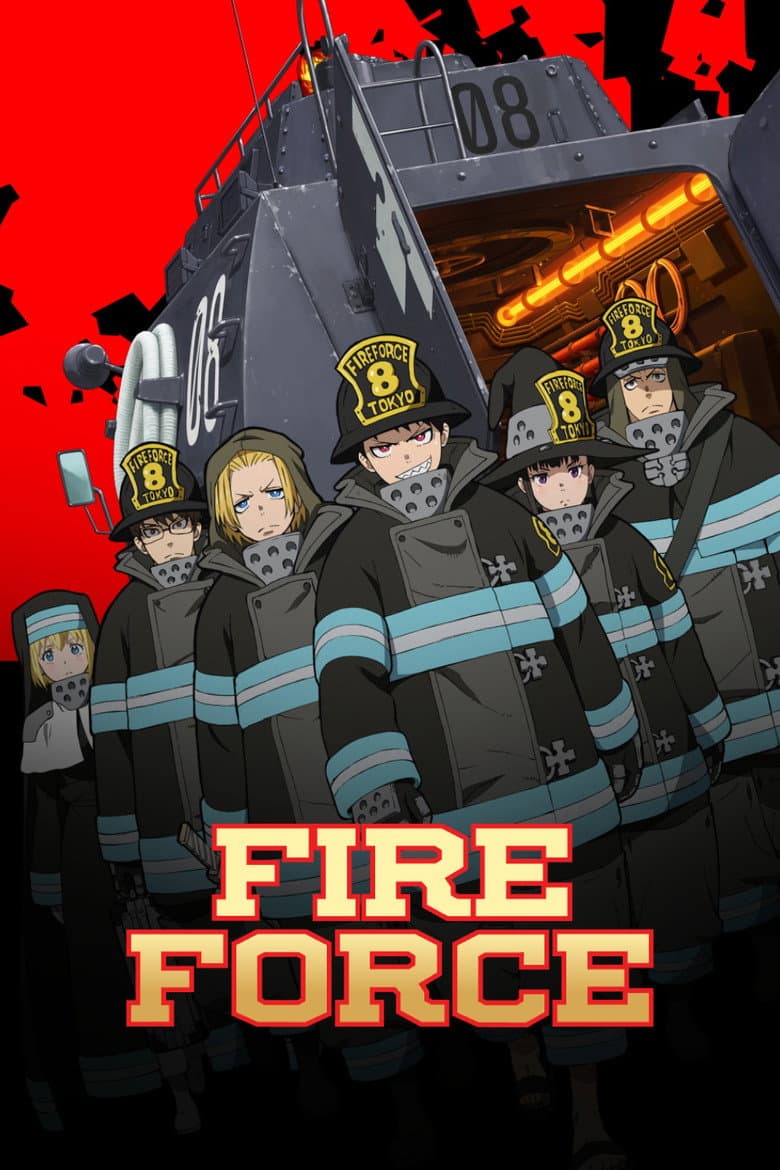
TV Show · 2019
Year 198 of the Solar Era in Tokyo, special fire brigades are fighting against a phenomenon called spontaneous human combustion where humans beings are turned into living infernos…
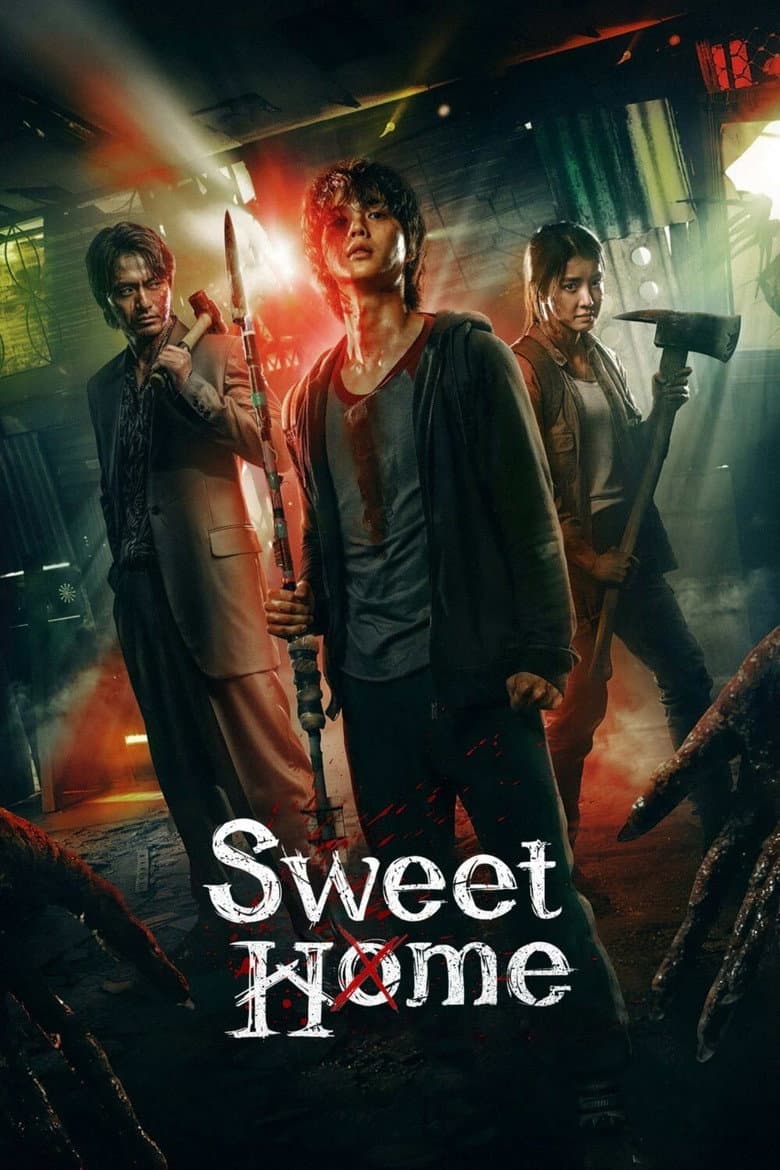
TV Show · 2020
As humans turn into savage monsters and the world plunges into terror, a handful of survivors fight for their lives — and to hold on to their humanity.
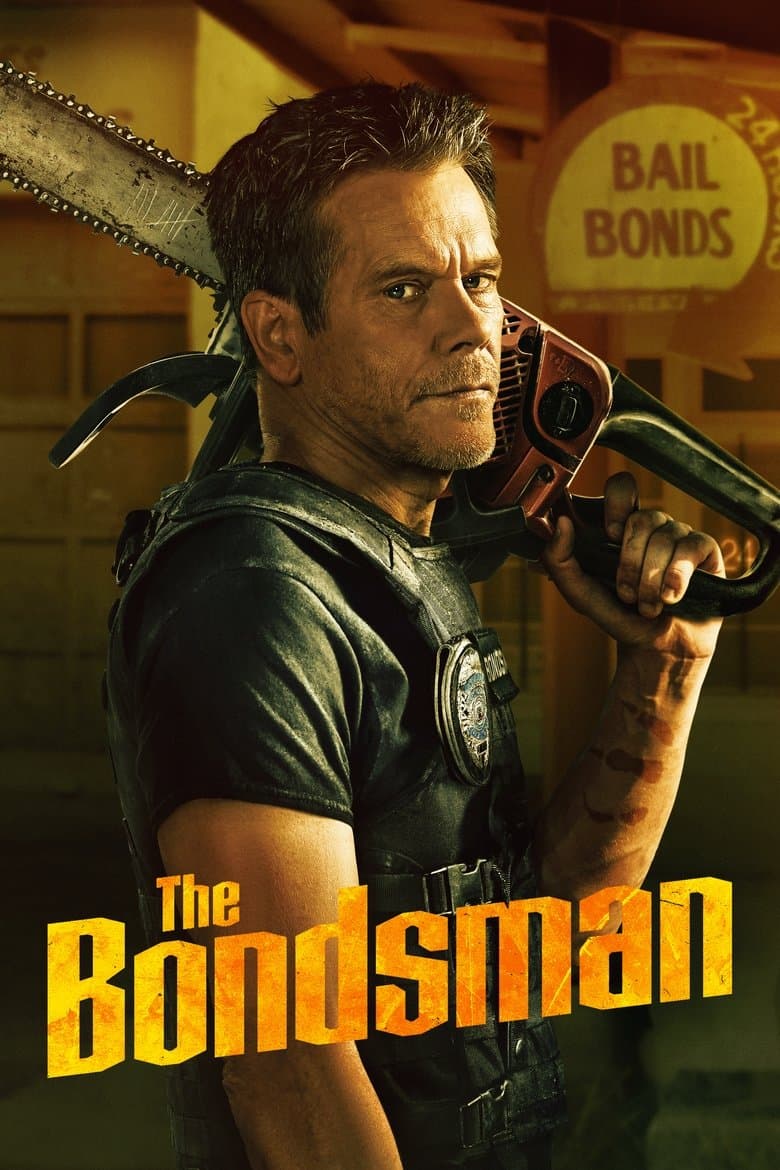
TV Show · 2025
Backwoods bounty hunter Hub Halloran comes back from the dead with an unexpected second chance at life, love, and a nearly-forgotten musical career — only to find that his old job…
