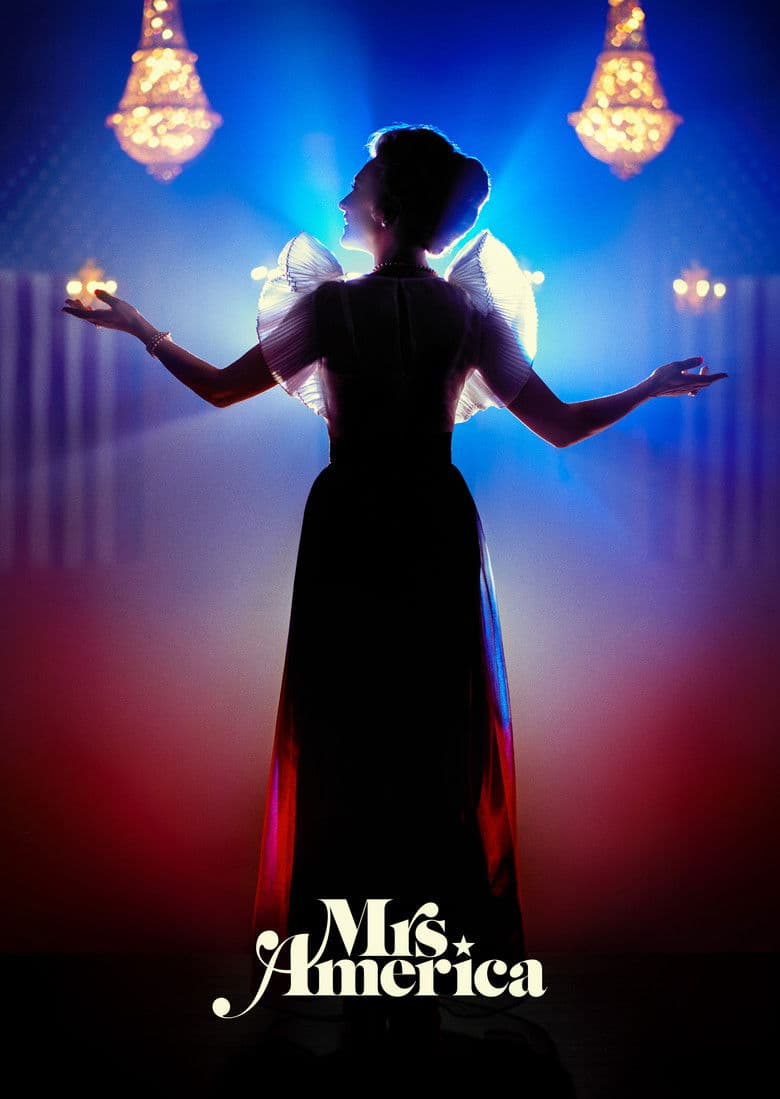
Started April 15, 2020 · Ended · Based on 1 season, 9 episodes through May 27, 2020 · TV-MA
Mrs. America is a dramatic TV show about the historical fight over the Equal Rights Amendment in the 1970s. The story follows a conservative woman named Phyllis Schlafly who leads a massive campaign to stop the amendment from being passed. On the other side, famous feminist leaders like Gloria Steinem and Bella Abzug work hard to fight for women's rights. The show has a serious and political tone as it explores the deep division between these two groups of women. Viewers will easily notice a very strong emphasis on modern social-justice ideas and identity politics. The episodes focus heavily on themes like systemic sexism, racism, intersectional feminism, and gay rights. Feminist characters are shown as noble, while traditional family structures are presented as harmful. Strong feminist speeches and debates are a major part of almost every episode, making the political messages hard to miss.
Community feedback
Was our 95% Woke rating accurate?
Breakdown
These are the editorial factors and ratings behind our score for Mrs. America.
Woke representation / casting
The series uses a diverse cast to match historical figures, but it structures the story to highlight modern representation priorities. It places a major focus on the struggles of black and lesbian activists, such as Shirley Chisholm and Margaret Sloan. Underrepresented groups are kept front and center to highlight their competence and historical struggles within the political movement.
55%
Woke political dialogue
The script is packed with intense political debates, speeches, and lectures about feminist theory. Characters frequently deliver monologues addressing structural oppression, systemic racism, abortion rights, and the patriarchy. The dialogue uses modern social-justice terms that feel more like today's progressive politics than the actual 1970s.
78%
Identity-driven story themes
The entire narrative is built on identity politics. Every episode focuses heavily on women's liberation, abortion rights, and LGBTQ+ issues. It uses a modern intersectional lens to critique how different identity groups were treated, emphasizing the unique struggles of queer women and women of color within political movements.
82%
Western institutional / cultural critique
Traditional Western institutions like marriage, the nuclear family, and conservative political groups are heavily critiqued. Traditional housewives are often shown as naive or deeply unhappy. The show frames conservative family values as restrictive and paints traditional men as patronizing, controlling, or dismissive.
74%
Woke character or canon changes
The show makes major changes to real-life figures for ideological purposes. Phyllis Schlafly is depicted as highly hypocritical and secretly miserable under the patriarchal system she defends, which her real family strongly disputed. The show also invents a fictional conservative character, Alice, who undergoes a progressive awakening to show the errors of conservative views.
68%
Anti-woke backlash and complaints
There was significant backlash from conservative viewers, traditionalists, and Phyllis Schlafly's surviving family. They complained that the series was a biased piece of feminist propaganda that painted conservative women as hypocrites, distorted history to favor the left, and forced modern woke ideology onto historical events.
65%
Creator track record context
The show's key creative team has a very strong history of promoting feminist and progressive themes. This includes creator Dahvi Waller, who has an 82 score, and multiple writers and directors with high scores who are known for their advocacy of diversity, intersectionality, and female-centered stories.
72%
Production
TV Show · 2023
The story of Bass Reeves, the legendary lawman of the wild West, is brought to life. Reeves worked in the post-Reconstruction era as a federal peace officer in the Indian…
TV Show · 2019
Gypsy Blanchard struggles to deal with the toxic relationship with her overprotective mother, but her attempts to free herself lead to murder.
TV Show · 2019
The true story of one of the worst man-made catastrophes in history: the catastrophic nuclear accident at Chernobyl.
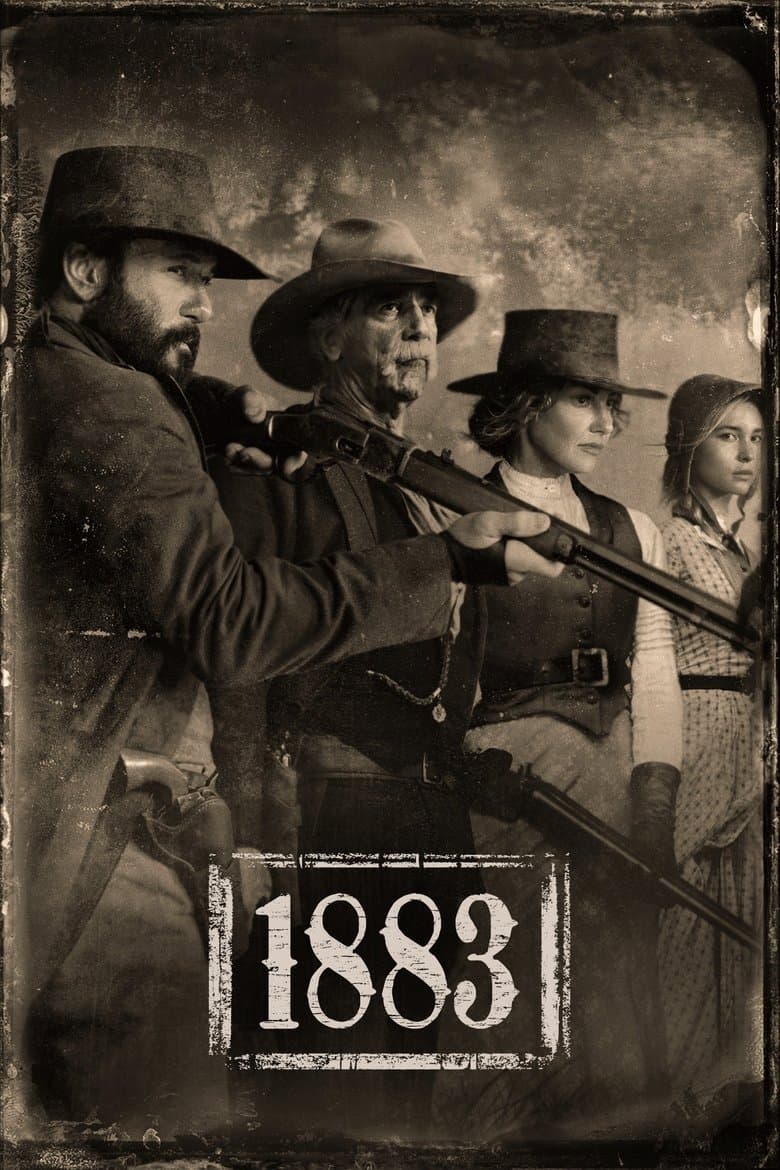
TV Show · 2021
Follow the Dutton family as they embark on a journey west through the Great Plains toward the last bastion of untamed America.
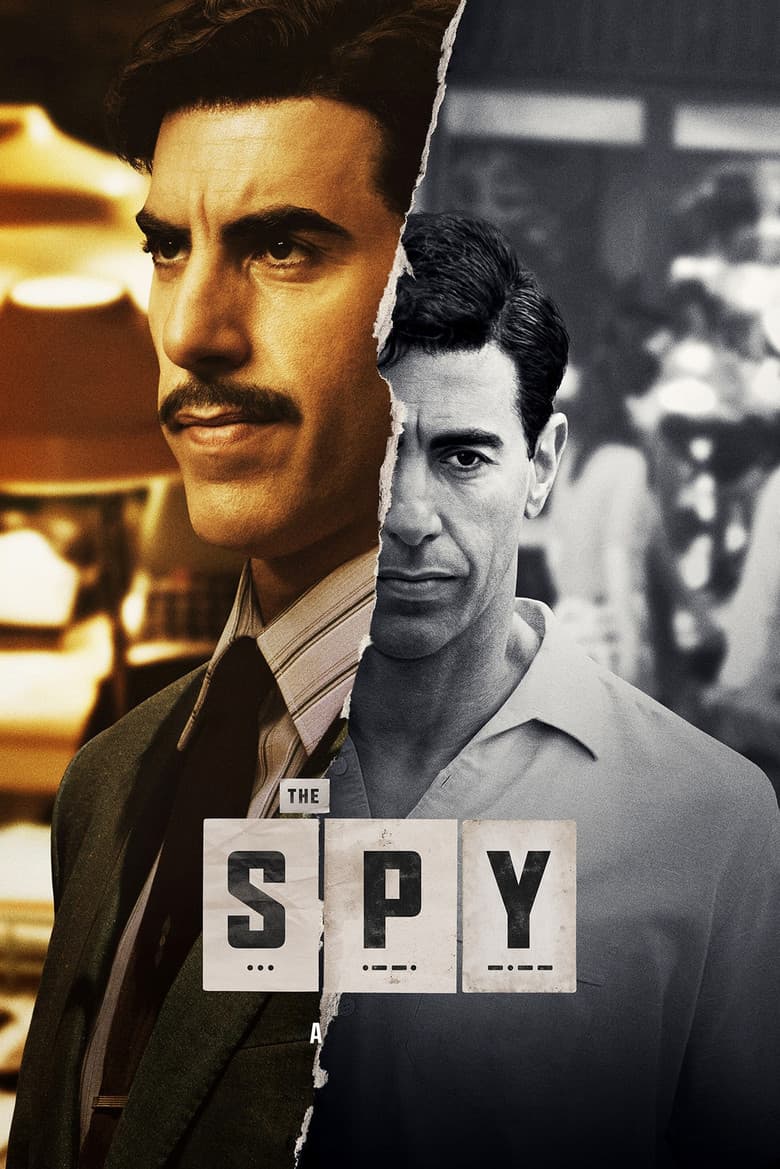
TV Show · 2019
In the 1960s, Israeli clerk-turned-secret agent Eli Cohen goes deep undercover inside Syria on a perilous, years-long mission to spy for Mossad.

TV Show · 2026
The Clyburns uproot their comfortable New York City lives to the wild, untamed beauty of Montana's Madison River Valley on a search for connection.

TV Show · 2024
Fascinated by cars since childhood, Brazilian racer Ayrton Senna became a sports legend — until tragedy struck, changing Formula 1 forever.

TV Show · 2022
This sweeping saga chronicles the hopes and dreams of a Korean immigrant family across four generations as they leave their homeland in an indomitable quest to survive and thrive.
