Started March 18, 2020 · Ended · Based on 3 seasons, 30 episodes through August 23, 2022 · TV-14 · 45 min
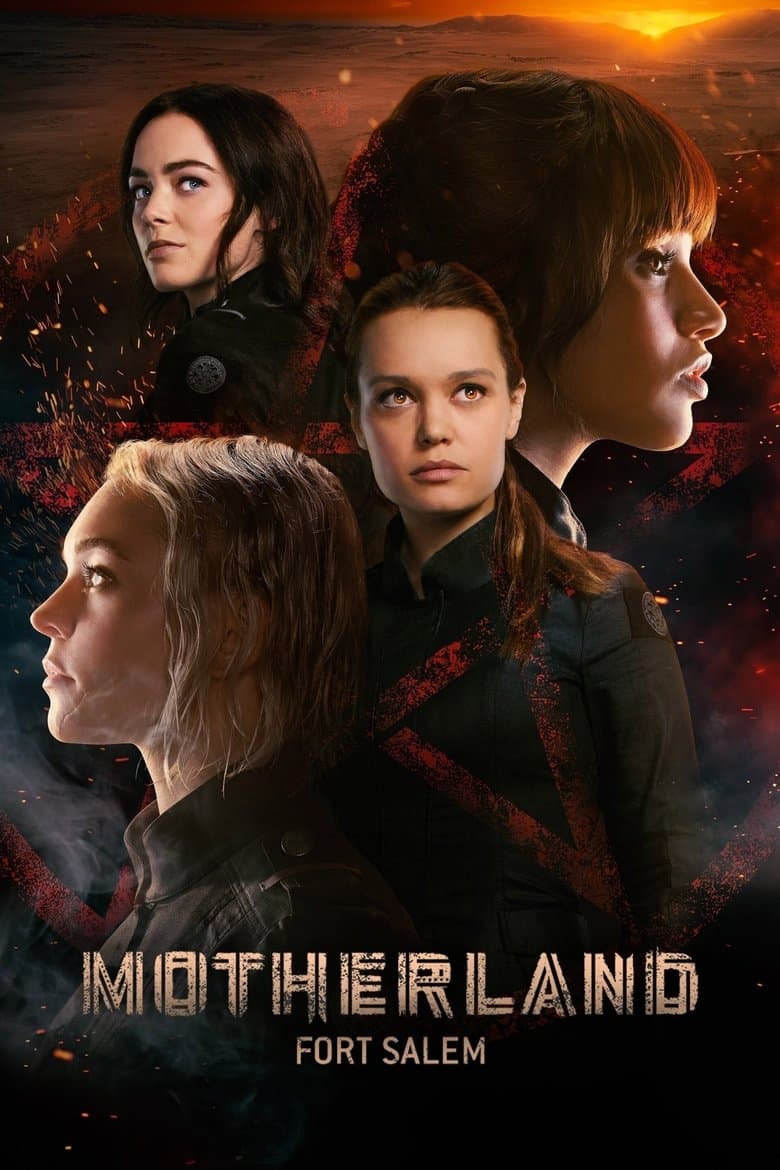
Raelle Collar, Abigail Bellweather, and Tally Craven are young witches drafted into the U.S. Army in a different America. Long ago, witches made a deal to fight for the country so they would stop being hunted. The show follows their combat training at Fort Salem, their fight against a terror group called the Spree, and later against the Camarilla, an old enemy that wants witches gone. The tone mixes military action, magic, romance, and dark secrets about power and duty.
The story is built around women in charge of the army and much of public life. Raelle’s love story with Scylla is open, sexual, and central from the first episodes, and later seasons add a nonbinary soldier and more queer life on screen. The plot keeps pushing ideas about women’s power, forced service, who counts as an outsider, and what a woman-led world looks like. Those identity and gender themes sit at the heart of the show, not on the side.
Breakdown
These are the editorial factors and ratings behind our score for Motherland: Fort Salem.
Woke representation / casting
The show builds a woman-run military and puts women in almost every top combat and command role. Abigail is a black elite legacy leader, Anacostia is a black drill sergeant, and the president is a black woman. Raelle’s lesbian romance is front and center, and later seasons feature a nonbinary officer. Cast and marketing talk about diversity, female power, and queer visibility as core draws, not side notes.
74%
Woke political dialogue
Characters talk about forced service as a kind of slavery, loyalty to a corrupt army, and what power costs. Leaders argue about war, truth, and control of witches. Empowerment and feminist framing show up in dialogue and interviews about the show. The talk is clear at times, but the series is still mainly a plot-driven magic war story.
52%
Identity-driven story themes
The whole world is a gender power flip where women fight, lead, and set the rules. Raelle and Scylla’s lesbian love story is a main arc from the pilot through the end. Season 2 and 3 add nonbinary presence and keep queer romance central while the plot becomes a fight for witches’ right to exist. Feminist and queer identity are not background color. They shape the premise, romance, and final seasons.
88%
Western institutional / cultural critique
Traditional male-led military and family power are flipped on purpose. Men are few in combat and often secondary. The army is shown as glorious and also cruel and dishonest. Later seasons push hard against witch hunters and leaders who want witches erased. The show treats old gender norms and harsh institutions as things to question, not honor.
64%
Woke character or canon changes
Not present in this title.
0%
Anti-woke backlash and complaints
There was no big national campaign calling the show propaganda. Most loud reaction was fan love for the queer and female-led setup. A few online voices label it woke or feminist fantasy, but coverage is sparse. Even a major anti-woke YouTuber declined to attack it. Complaints exist only at a low, scattered level.
10%
Creator track record context
Creator Eliot Laurence openly builds work around queer and feminist storytelling and scored 65 in cached context. Producer Maria Maggenti and writer Cherie Dimaline add strong queer and identity-driven records. Director MJ Bassett’s public identity story is moderate support. Other producers and directors on the show have lower scores and pull the average down only a little.
62%
Production