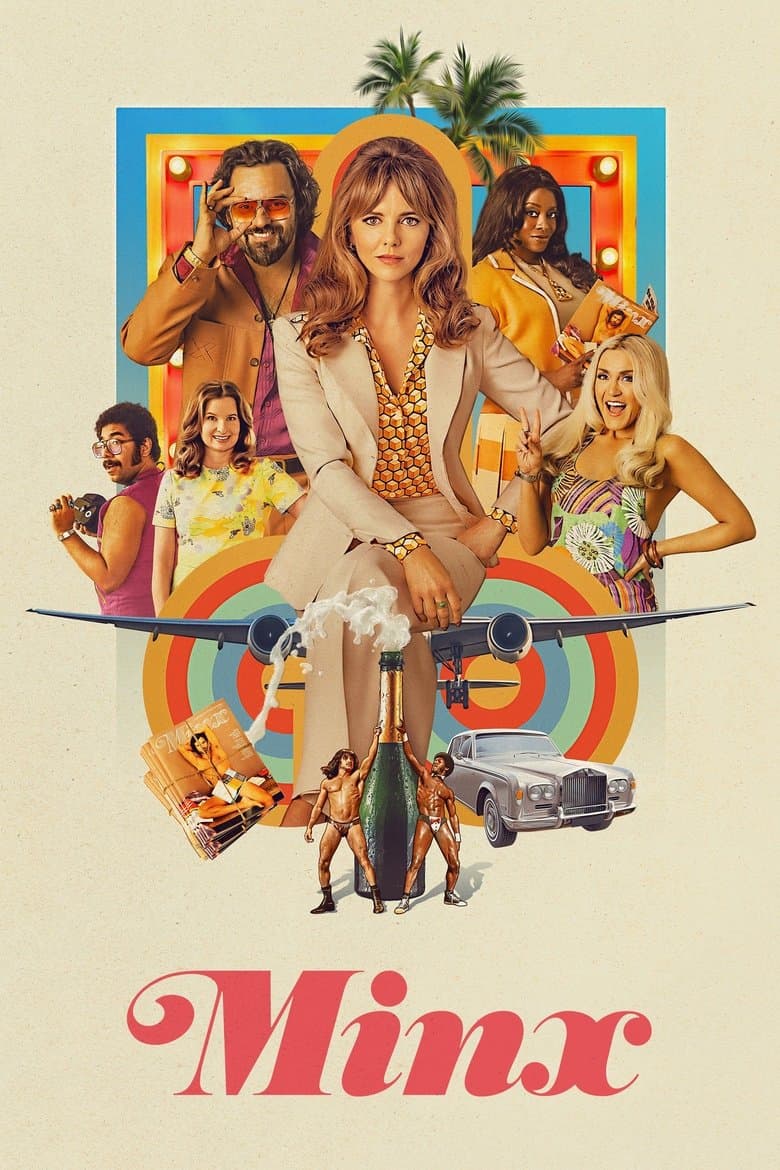
Started March 17, 2022 · Canceled · Based on 2 seasons, 18 episodes through September 8, 2023 · TV-MA
Minx is a comedy show set in 1970s Los Angeles. It follows an earnest young feminist who teams up with a low-rent publisher to create the first erotic magazine for women. The show heavily features feminist activism, speeches about the patriarchy, and female empowerment. It also includes prominent storylines about gay and lesbian identity, showing a strong focus on progressive social themes.
Community feedback
Was our 89% Woke rating accurate?
Breakdown
These are the editorial factors and ratings behind our score for Minx.
Woke representation / casting
The show features prominent, highly visible representation that aligns with modern diversity goals. Tina is a highly capable black female manager who keeps the company running. Richie is a gay Latino photographer who gets major screen time and his own storylines. Bambi is a queer cover model, and Shelly is a housewife who discovers she is a lesbian. The casting prioritizes strong female and diverse characters in positions of competence, making it a very visible element. The queer characters add a strong, positive focus on LGBTQ+ identities.
65%
Woke political dialogue
The show is filled with explicit feminist and political talk. The main character frequently gives speeches about the patriarchy, systemic sexism, reproductive rights, and gender equality. Other characters debate female pleasure, capitalism, and social justice. In the second season, the show also includes heavy talk about gay rights and the struggles of queer people in the 1970s. The dialogue uses modern activist talking points disguised as 1970s conversations, making the progressive messaging hard to miss.
Production
75%
Identity-driven story themes
The entire story is driven by identity politics, specifically second-wave feminism and LGBTQ+ liberation. Joyce's main goal is to educate women and tear down male power through her magazine. Meanwhile, multiple major subplots focus on queer identity. Shelly goes on a journey to accept her late-in-life lesbianism, and Richie fights to include gay male representation in a magazine meant for straight women. The narrative centers on marginalized groups finding their voices and fighting against a straight, male-dominated society.
85%
Western institutional / cultural critique
The show heavily critiques traditional Western institutions and cultural norms. It portrays 1970s corporate boards, politicians, and the publishing industry as deeply sexist and corrupt. Traditional marriage and suburban family life are depicted as trapping women, as seen through Shelly's unhappy marriage. Conservative and religious groups are shown as hypocritical and narrow-minded antagonists who try to shut down the magazine. The series uses its historical setting to deliver a modern, activist-style critique of male entitlement and the patriarchy.
78%
Woke character or canon changes
Not relevant. The show is an original creation and not an adaptation of existing characters, canon, or specific historical figures.
0%
Anti-woke backlash and complaints
There was minimal widespread mainstream anti-woke backlash because the show remained a niche comedy. However, some viewers on social media and online forums complained about the preachy, modern feminist writing. These critics pointed out that the dialogue felt contrived and that the male characters were often written as cartoonish, sexist stereotypes.
25%
Creator track record context
The creative team has a strong history of making progressive and identity-focused content. Creator Ellen Rapoport has a history of writing sex-positive feminist works. Several staff writers, such as Annabel Oakes, Joel Church-Cooper, and Lara Spotts, have spent their careers focusing on queer history, female empowerment, and progressive social issues. Executive producer Paul Feig is also well-known for prioritizing female-led projects and defending them against online backlash.
62%
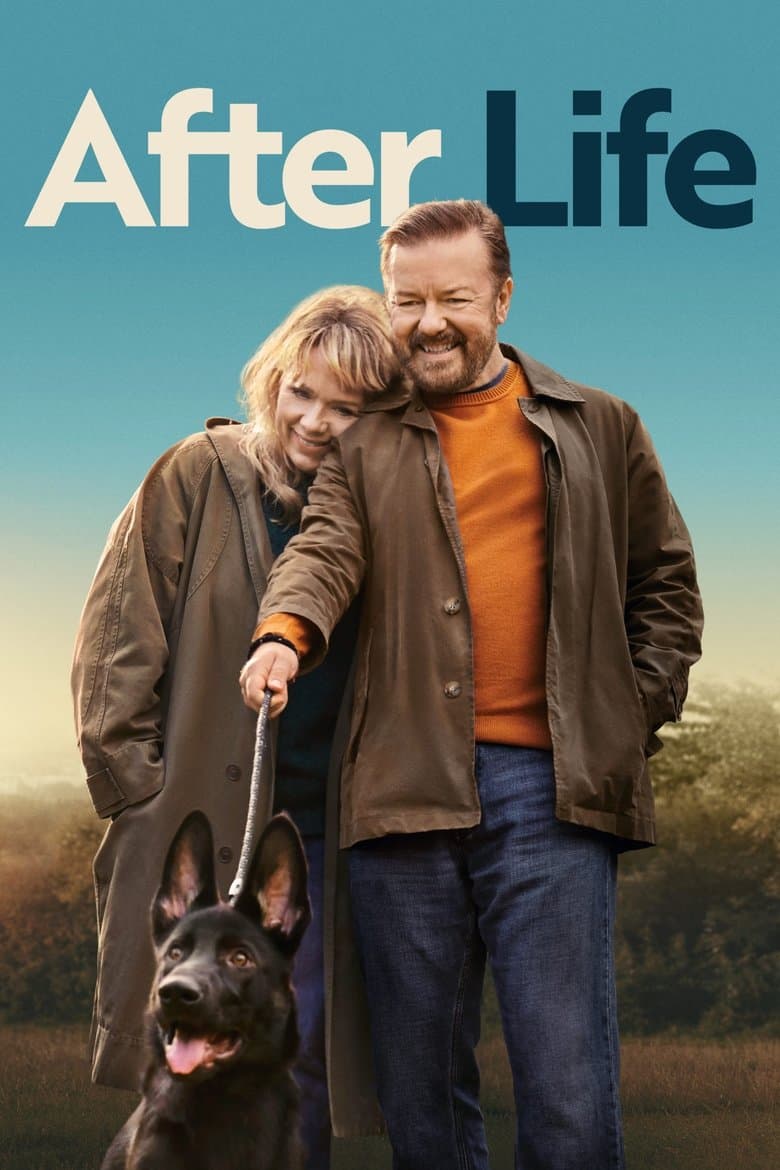
TV Show · 2019
Tony had a perfect life. But after his wife Lisa suddenly dies, Tony changes. After contemplating taking his own life, he decides instead to live long enough to punish the world…
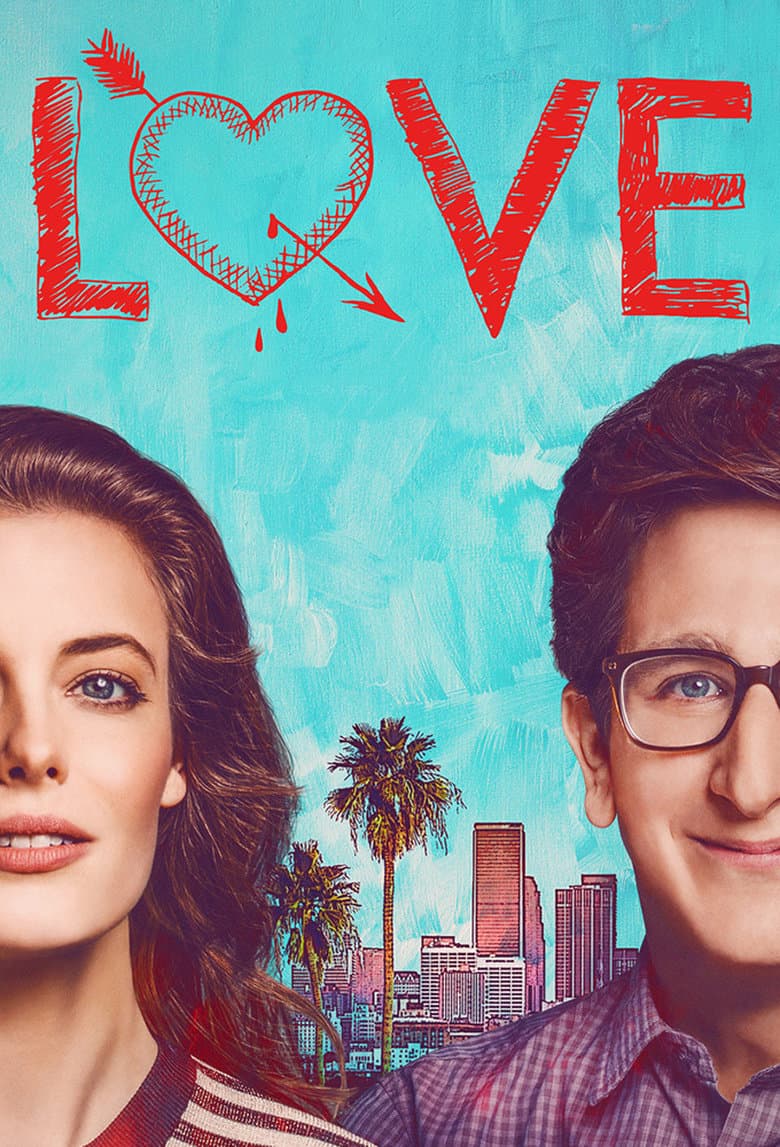
TV Show · 2016
Rebellious Mickey and good-natured Gus navigate the thrills and agonies of modern relationships.

TV Show · 2020
New passions. New fashions. New Emily? A plucky American marketing whiz spreads her wings in life and love after landing her dream job in Paris.

TV Show · 2016
In his funky California beach enclave, Chip's the go-to guy for personal insights. But he isn't quite as enlightened when it comes to his own baggage.
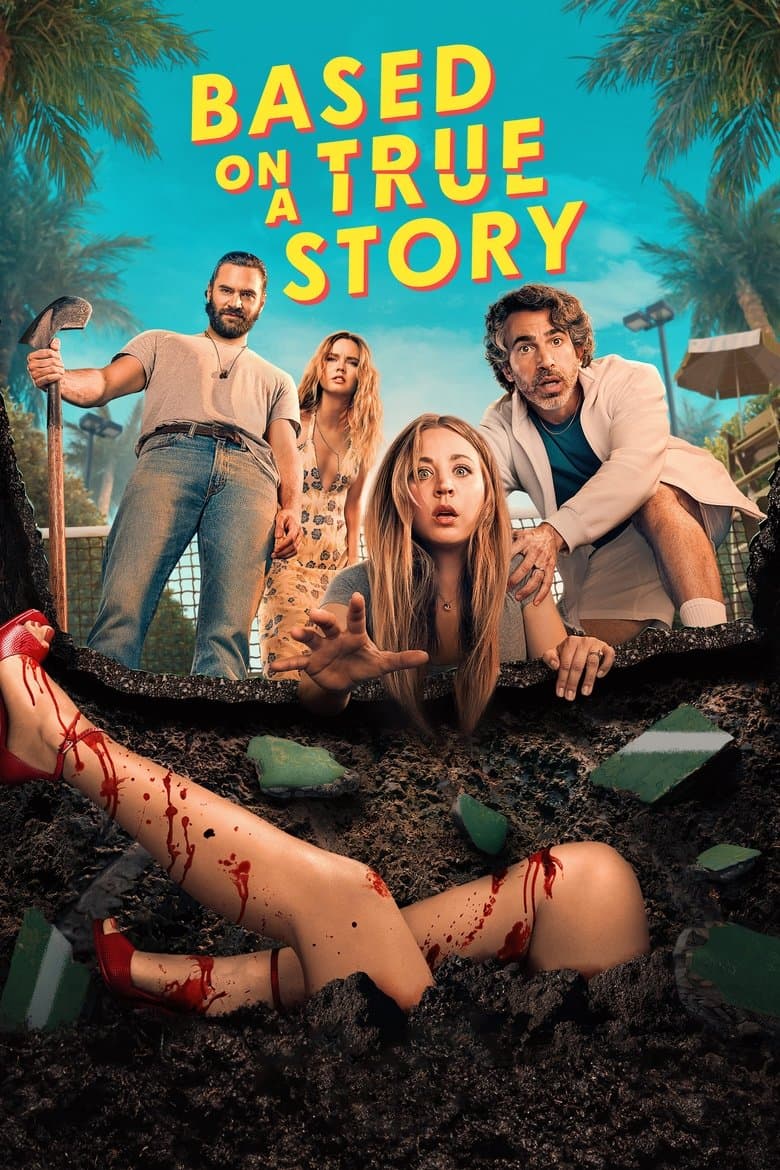
TV Show · 2023
The lives of a realtor, a plumber and a former tennis star unexpectedly collide, exposing America’s obsession with true crime, murder and the slow-close toilet seat.

TV Show · 2019
A paragliding mishap drops a South Korean heiress in North Korea -- and into the life of an army officer, who decides he will help her hide.
TV Show · 2019
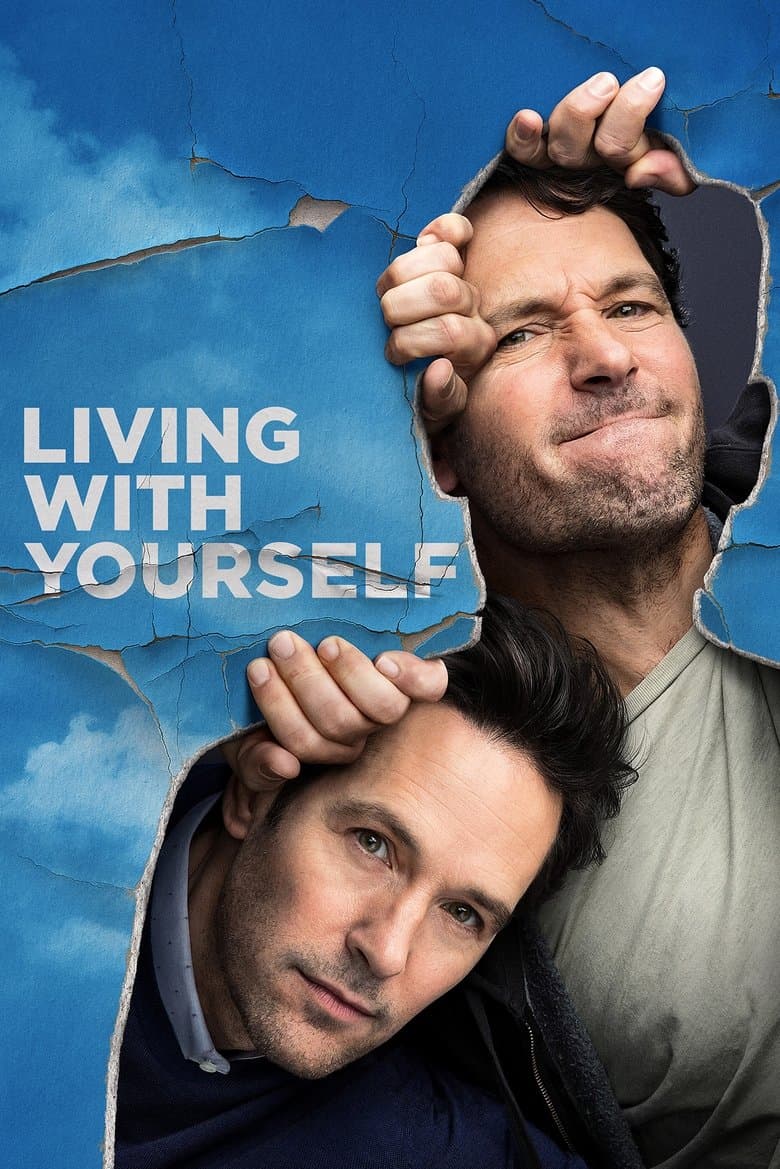
Burned out on life, Miles undergoes a strange procedure at a strip mall spa -- and wakes to find he's been replaced by a better version of himself.

TV Show · 2024
The life of an American woman living in Kyoto, Japan, is upended when her husband and son disappear in a mysterious plane crash.
