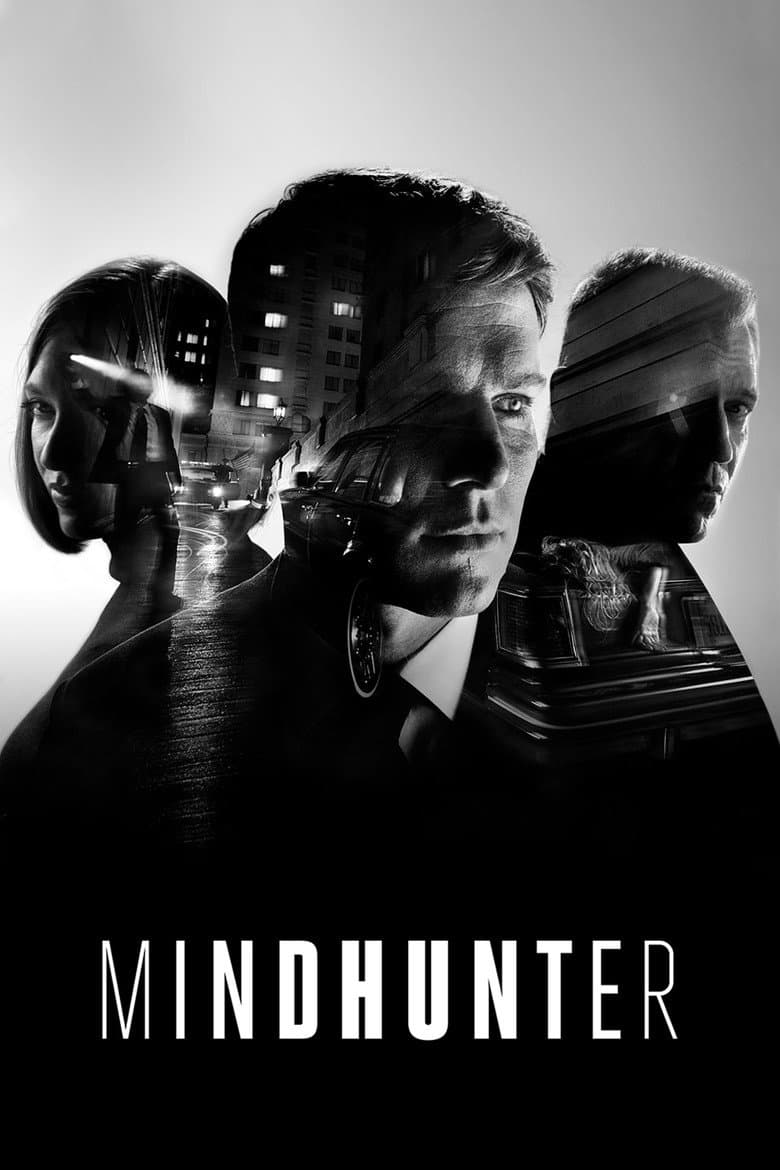
Started October 13, 2017 · Canceled · Based on 2 seasons, 19 episodes through August 16, 2019 · TV-MA
Mindhunter is a Netflix crime drama created by Joe Penhall and executive produced by David Fincher. It follows FBI agents Holden Ford and Bill Tench, joined by psychologist Wendy Carr, as they interview serial killers in the late 1970s and early 1980s to build criminal profiling methods at the new Behavioral Science Unit. The two seasons stay mostly faithful to the real events and book by John Douglas, with accurate period details on law enforcement work. A visible lesbian romance subplot for Wendy Carr stands out as the main identity element, added beyond the source material, while season 2 includes the Atlanta Child Murders case that shows era-specific racial tensions through character actions rather than modern lectures.
Community feedback
Was our 46% Woke rating accurate?
Breakdown
These are the editorial factors and ratings behind our score for MINDHUNTER.
Woke representation / casting
Main cast accurately matches 1970s FBI demographics with white male leads; the lesbian psychologist subplot for Wendy Carr adds visible LGBTQ+ representation that was not in the core source material.
28%
Woke political dialogue
Occasional talks about race in hiring or era sexism occur naturally in scenes and serve character logic or plot without modern activist speeches or reframing.
18%
Identity-driven story themes
Wendy Carr’s lesbian relationships form a recurring background subplot in an otherwise male-focused procedural about criminal minds; male violence is examined clinically through killer interviews rather than as systemic gender or identity critique.
38%
Western institutional / cultural critique
The series shows FBI red tape, historical workplace barriers for women, and case-specific racial frictions in period context; it presents these as practical obstacles of the time, not broad modern indictments of patriarchy, capitalism, or Western institutions.
22%
Woke character or canon changes
The psychologist character, drawn from real straight married women, was reimagined as lesbian with on-screen romantic storylines; this is the clearest identity-driven alteration in an otherwise faithful adaptation of documented events.
42%
Anti-woke backlash and complaints
Scattered viewer comments, especially after season 2, accused the show of injecting subtle woke elements in personal stories or race handling; these remained fringe and did not drive significant debate or affect overall positive reception.
16%
Creator track record context
David Fincher maintains a non-activist public image centered on cinematic craft; Joe Penhall has explored mental health and power in theater with some topical timing, while other writers and directors show little documented pattern of identity-driven or left-activist work.
17%
Production
TV Show · 2021
The remarkable story of how murderer Charles Sobhraj was captured. As the chief suspect in unsolved murders of young Western travellers across India, Thailand and Nepal’s ‘Hippie…
TV Show · 2018
Ray Shoesmith is a father, ex-husband, boyfriend and best friend: tough roles to juggle in the modern age. Even harder when you’re a criminal for hire.
TV Show · 2017
Detective John Cardinal attempts to uncover the mystery of what happened to the missing 13-year-old girl whose body is discovered in the shaft-head of an abandoned mine.

TV Show · 2018
The stranger-than-fiction account of a prison break in upstate New York in the summer of 2015, which spawned a massive manhunt for two convicted murderers who were aided in their…

TV Show · 2016
17-year-old Joshua "J" Cody moves in with his freewheeling relatives in their Southern California beach town after his mother dies of a heroin overdose.
TV Show · 2019
Within the walls of an interrogation room, London investigators question suspects accused of grievous crimes until the truth comes to light.
TV Show · 2020
Picking up just days after the “Power” finale, this sequel series follows Tariq navigating his new life, in which his desire to shed his father’s legacy comes up against the…
TV Show · 2022
A psychotherapist finds himself held prisoner by a serial killer with an unusual request: curb his homicidal urges.
