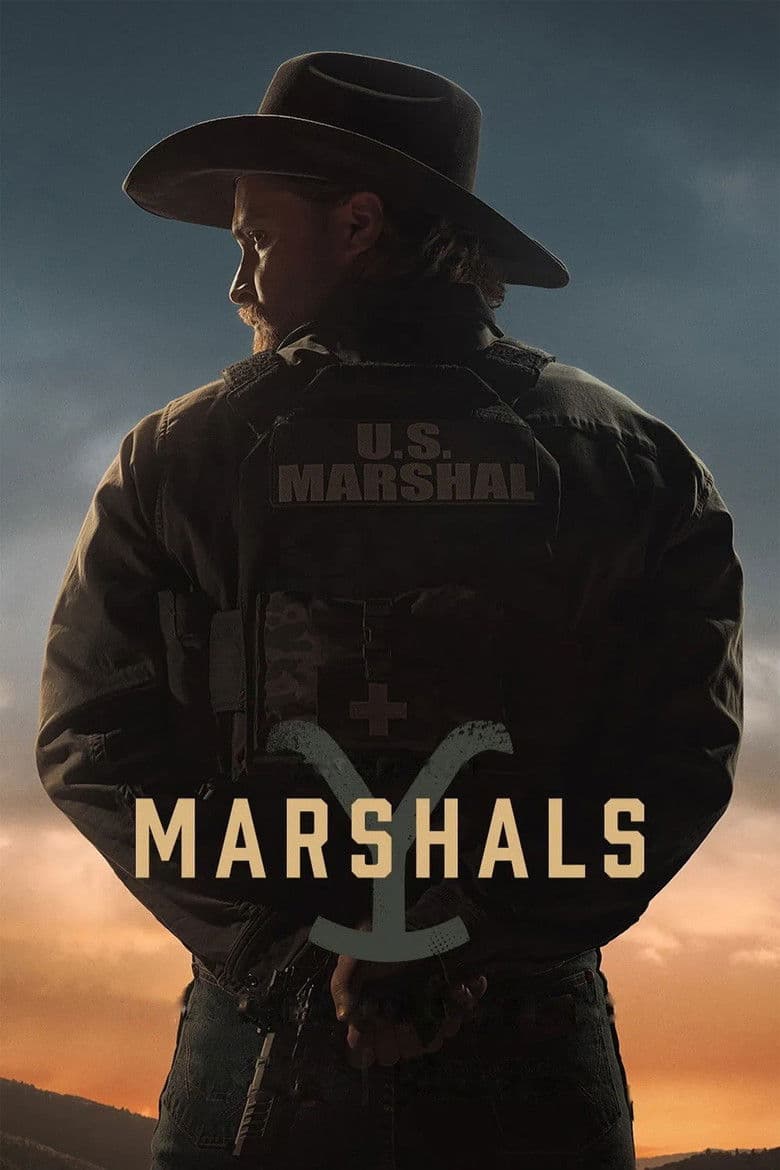
Started March 1, 2026 · Returning Series · Based on 1 season, 13 episodes through May 24, 2026 · TV-14
Marshals is a CBS neo-Western police procedural and Yellowstone spin-off/sequel that follows ex-Navy SEAL and former rancher Kayce Dutton as he joins an elite U.S. Marshals team in Montana after his wife Monica's death. The series shifts the franchise from sprawling family saga to episodic team investigations, raids, and "range justice" against criminals, militias, and threats in the region while Kayce balances single parenthood with his son Tate. Audience-visible elements include a diverse core marshal team featuring prominent female members in tactical roles and a black female character from an urban background, plus dialogue and plots framing harm to the Broken Rock Reservation in terms such as “radioactive colonialism” and repeated focus on protecting native lands and people from external violence.
Community feedback
Was our 50% Woke rating accurate?
Breakdown
These are the editorial factors and ratings behind our score for Marshals.
Woke representation / casting
Core team pairs two white ex-SEAL leads with a black female marshal from urban Bronx background (Andrea Cruz, hard-headed, confronts legacy, manipulates situations) and a white female former ATF specialist (Belle Skinner) in tactical roles, plus native ex-Marine marshal (Miles Kittle). Critics and viewers called out “PC algorithm” or “diversity box checking” selection for a rural Montana unit, with the urban minority woman and smaller-stature female members standing out as audience-visible in action contexts despite story justifications for some diversity via reservation ties.
38%
Woke political dialogue
Rainwater explicitly ties Monica’s cancer to “radioactive colonialism” and states “America’s policies have long dumped a steady flow of poisons on our people.” Episode 1 uses Lakota title “Piya Wiconi” (“new beginning”) in reservation attack context; land/mining conflicts and militia threats repeatedly center indigenous grievances. These appear in key early scenes and set tone but remain secondary to procedural plot and action rather than extended sermons.
28%
Identity-driven story themes
Multiple episodes revolve around threats to Broken Rock Reservation (bombings, violence, land disputes with ranchers/militias); Miles Kittle embodies native/federal tension and reservation perspectives; Kayce’s grief arc links his late native wife’s death directly to environmental harm on tribal land. Overarching focus stays on law enforcement duty and team operations, but reservation protection and identity-tied stakes recur noticeably.
32%
Western institutional / cultural critique
Primary antagonists are anti-government militias and extremists portrayed as targeting vulnerable communities or reservation lands, with some nods to Dutton family history/skeletons and past actions via team comments or Kayce’s past. Marshals depicted as honorable last line of defense and protectors. Fits standard crime drama resistance to lawlessness more than reframed systemic critiques of capitalism, patriarchy, whiteness, or core Western institutions.
28%
Woke character or canon changes
Extends Kayce’s post-Yellowstone story by moving him into federal service (after prior badge rejection in source) and reframes the series as network procedural under new leadership. Monica’s death serves plot/land-framing purposes. These are premise adaptations for episodic format rather than identity-driven rewrites, race/gender swaps, or activist reinterpretations of canon or historical figures.
12%
Anti-woke backlash and complaints
Vocal complaints on X and review sites targeted “girl-boss” female marshals in unrealistic combat roles against violent threats, “diversity box checking” cast (explicit calls of black urban character and small white woman), “radioactive colonialism” phrasing, virtue-signaling titles, and portrayals of white right-wing villains preying on Natives or “White man’s greed.” Some labeled the whole “woke cop show” or corporate liberal influence on Sheridanverse. Present and specific among fans but not a dominant or sustained mainstream controversy.
45%
Creator track record context
Showrunner Spencer Hudnut’s primary background is SEAL Team, a military procedural emphasizing veteran realism and service toll with no activist overlay. Taylor Sheridan (EP) has low cached score and history criticizing woke Hollywood elements. Writer Lyle Mitchell Corbine Jr. brings native identity-focused filmmaking experience. Producers include Democratic donor Ron Burkle and Bob Yari (Crash race drama). Core military-veteran and traditional storytelling staff keep overall moderate; not a strongly activist creative team.
22%
Production
TV Show · 2016
The story of Mac Conway, a Marine who returns home to Memphis from Vietnam in 1972 and finds himself shunned by those he loves and demonized by the public.
TV Show · 2023
What if you lost your memory? What if a spy didn't know they were a spy? Years ago, the top agents of Citadel, Mason Kane and Nadia Sinh, had their minds wiped.
TV Show · 2016
20-something Angus MacGyver creates a clandestine organization where he uses his knack for solving problems in unconventional ways to help prevent disasters from happening.
TV Show · 2016
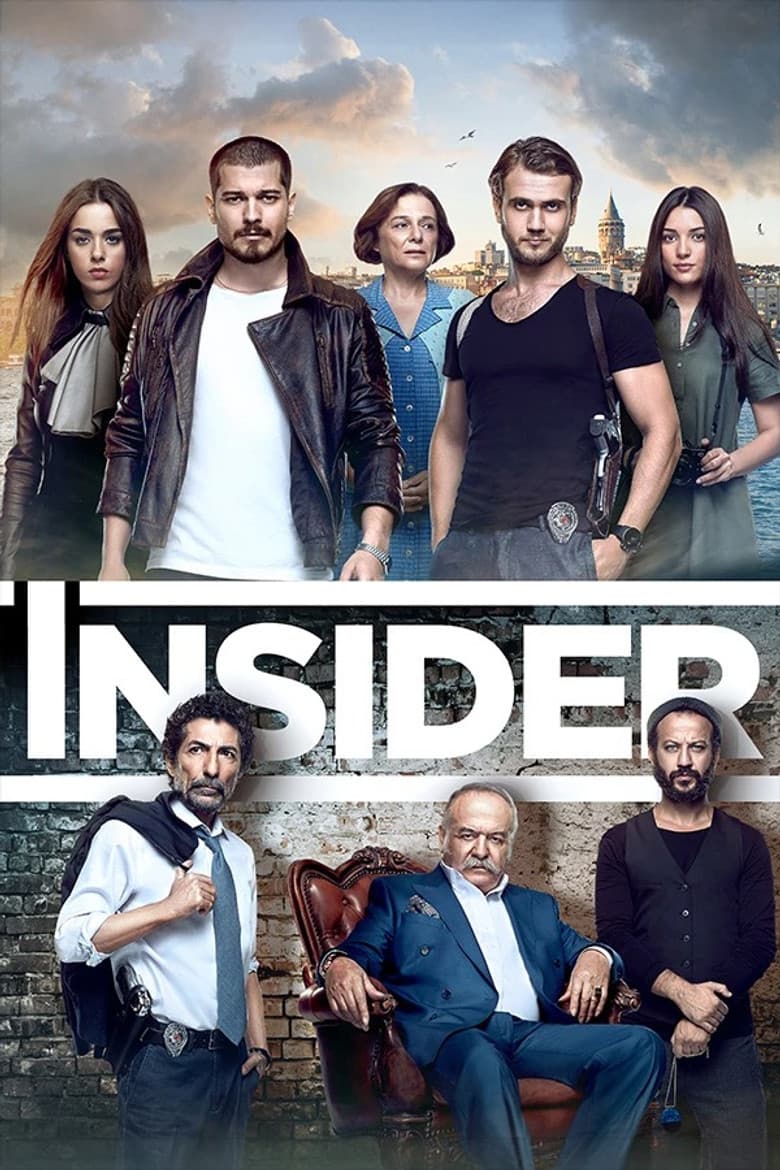
Even though two brothers are completely separated from each other after the imprisoning of their father and the kidnapping of their twin brother, they meet by coincidence years…
TV Show · 2022
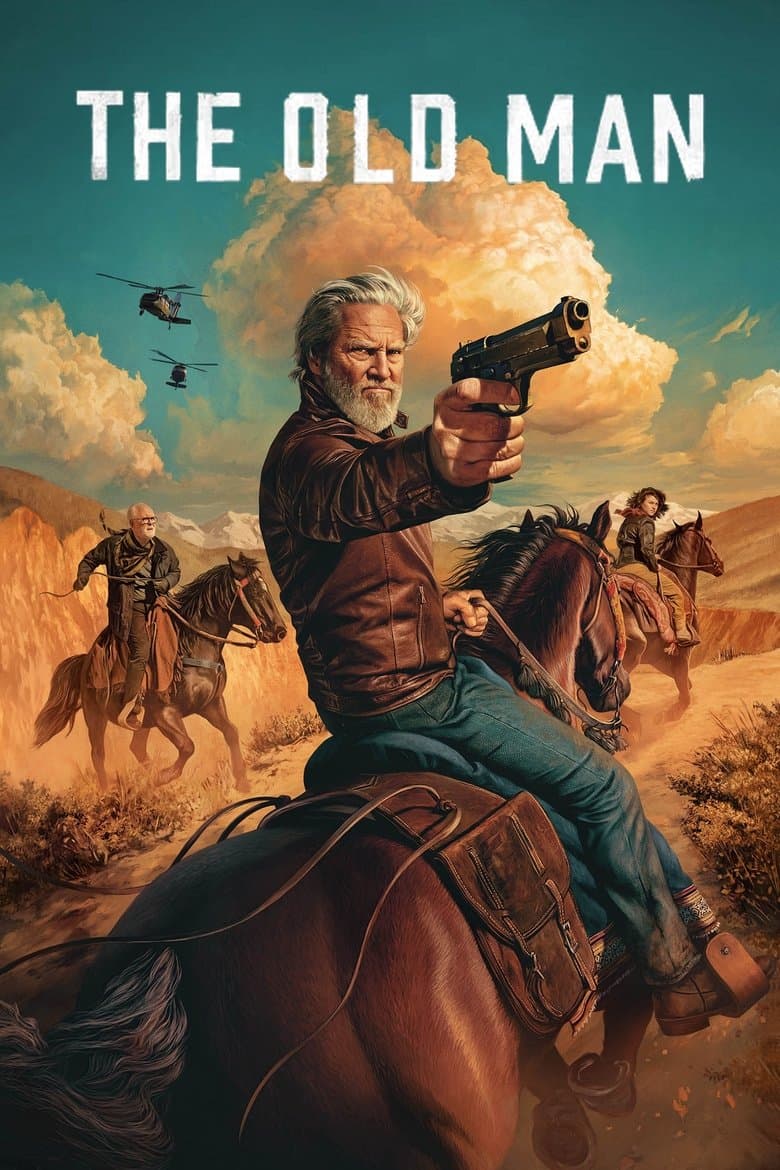
Dan Chase absconded from the CIA decades ago and now lives off the grid. When an assassin arrives and tries to take Chase out, the old operative learns that to ensure his future…
TV Show · 2017
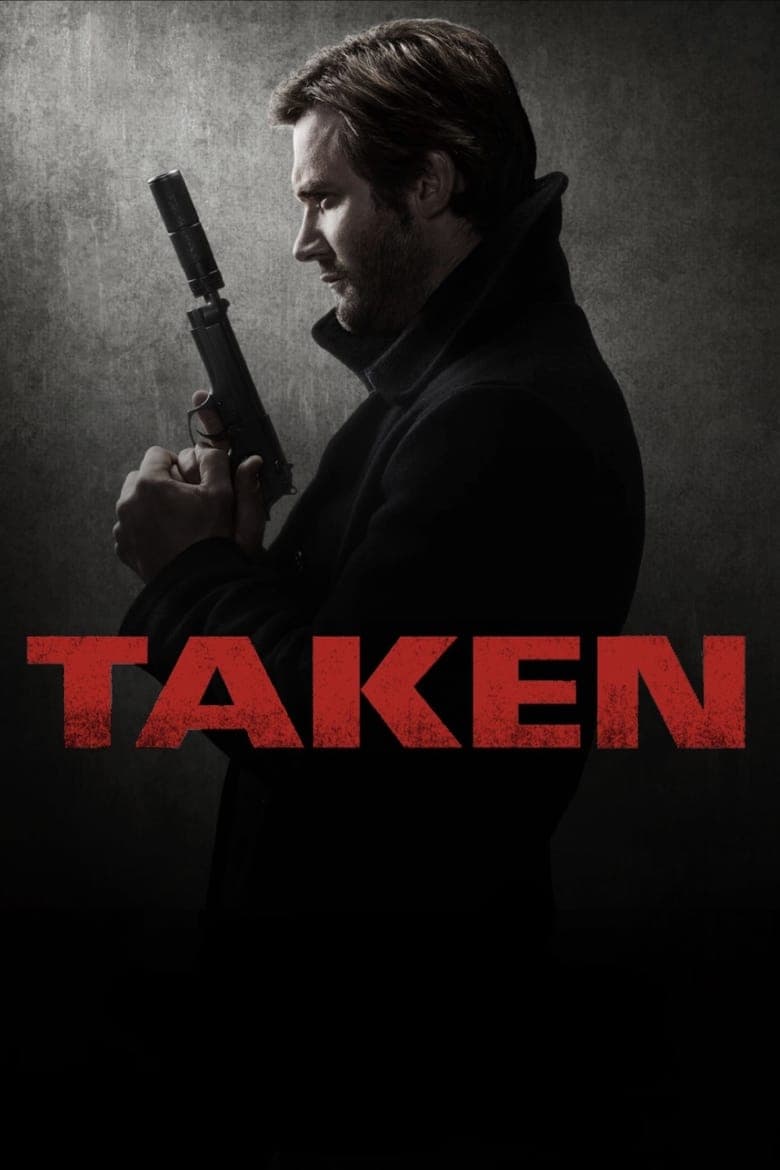
The origin story of younger, hungrier, former Green Beret Bryan Mills as he deals with a personal tragedy that shakes his world.
TV Show · 2016
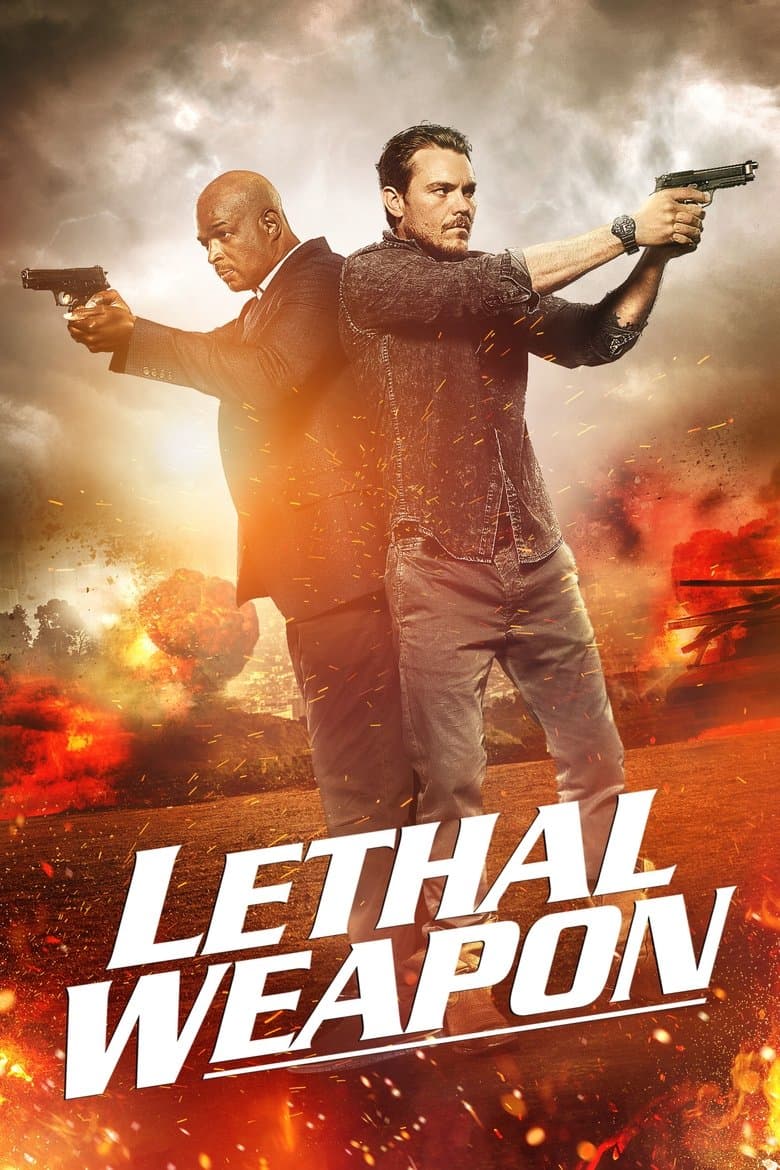
A slightly unhinged former Navy SEAL lands a job as a police officer in Los Angeles where he's partnered with a veteran detective trying to keep maintain a low stress level in his…
TV Show · 2019
An antiquities expert teams up with an art thief to catch a terrorist who funds his attacks using stolen artifacts.
