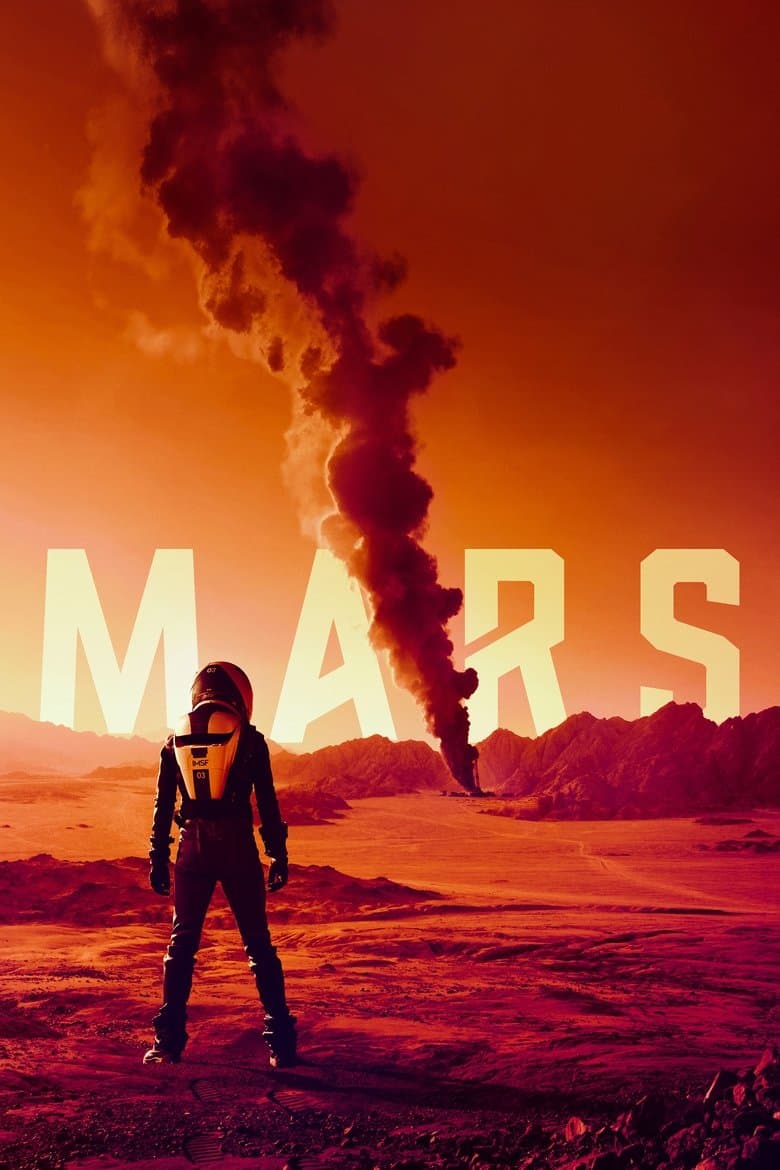
Started November 14, 2016 · Based on 2 seasons, 12 episodes · TV-PG · 50 min
This National Geographic show mixes scripted drama with real expert interviews. It follows an international crew that tries to build a colony on Mars in the 2030s and 2040s. The story covers hard survival, isolation, discovery, and the fight to keep a base running. Season 1 stays close to mission work and space tech. Season 2 shifts toward a clash between the science-focused colony and a private mining company that wants profit.
Viewers can see a multinational cast and several women in core science and leadership roles. The pilot Hana Seung becomes commander after the original male leader dies, and a Nigerian engineer is a major part of the team. The louder political material comes later. Season 2 keeps putting corporate greed, Arctic oil, climate harm, and profit versus the public good on screen. That anti-extraction message is easy to notice and matters more than race or gender speech.
Community feedback
Was our 47% Woke rating accurate?
Breakdown
These are the editorial factors and ratings behind our score for Mars.
Woke representation / casting
The international mission setup supports a multinational crew. The show still puts a Korean-American woman pilot who becomes commander and a Nigerian black engineer at the center. Several women also hold major science jobs. Press treated that diverse cast as a welcome choice rather than pure accident.
32%
Woke political dialogue
Season 1 mostly sticks to mission and tech talk. Season 2 often links the drama and the interviews to corporate greed, Arctic oil, climate harm, and profit versus the public good. That message is green and anti-mining more than race or gender speech. It is still frequent and hard to miss late in the show.
38%
Identity-driven story themes
The main stories are survival, isolation, colonization, finding life, and science fighting mining. Race, gender, and queer identity are not the organizing theme. There is light framing about Earth being unsustainable and about protecting Martian life from industry. Female command follows competence after the first male commander dies, not an identity lecture.
22%
Western institutional / cultural critique
Season 2 aims at for-profit mining and corporate power over governance. Lukrum is greedy and short-sighted, and the show uses Arctic oil and fossil-fuel comparisons. Expert talk backs that corporate critique. There is little toxic-masculinity or anti-Christian framing.
42%
Woke character or canon changes
Not relevant. This is an original scripted show loosely inspired by nonfiction, not a rewrite of old fictional characters for DEI.
0%
Anti-woke backlash and complaints
There was no big culture-war campaign. A few people called the green and anti-corporate parts leftist propaganda. Some Season 2 viewers said the documentary inserts were skippable propaganda. The complaints are real but small and focus more on climate messaging than casting.
18%
Creator track record context
Cached scores put director Everardo Gout higher because of political notes in other work. Writers and producers score lower with less activist history. The overall pattern is mild to moderate. Gout is the main upward pull, not a DEI-first team.
28%
Production
TV Show · 2022
Journey into the lives of two distinctly different Jedi from the prequel era – Ahsoka Tano and Count Dooku. Each will be put to the test as they make choices that will define…
TV Show · 2024
A journey into the fearsome Galactic Empire through the eyes of two warriors on divergent paths.
TV Show · 2021
The 'Bad Batch' of elite and experimental clones make their way through an ever-changing galaxy in the immediate aftermath of the Clone Wars.
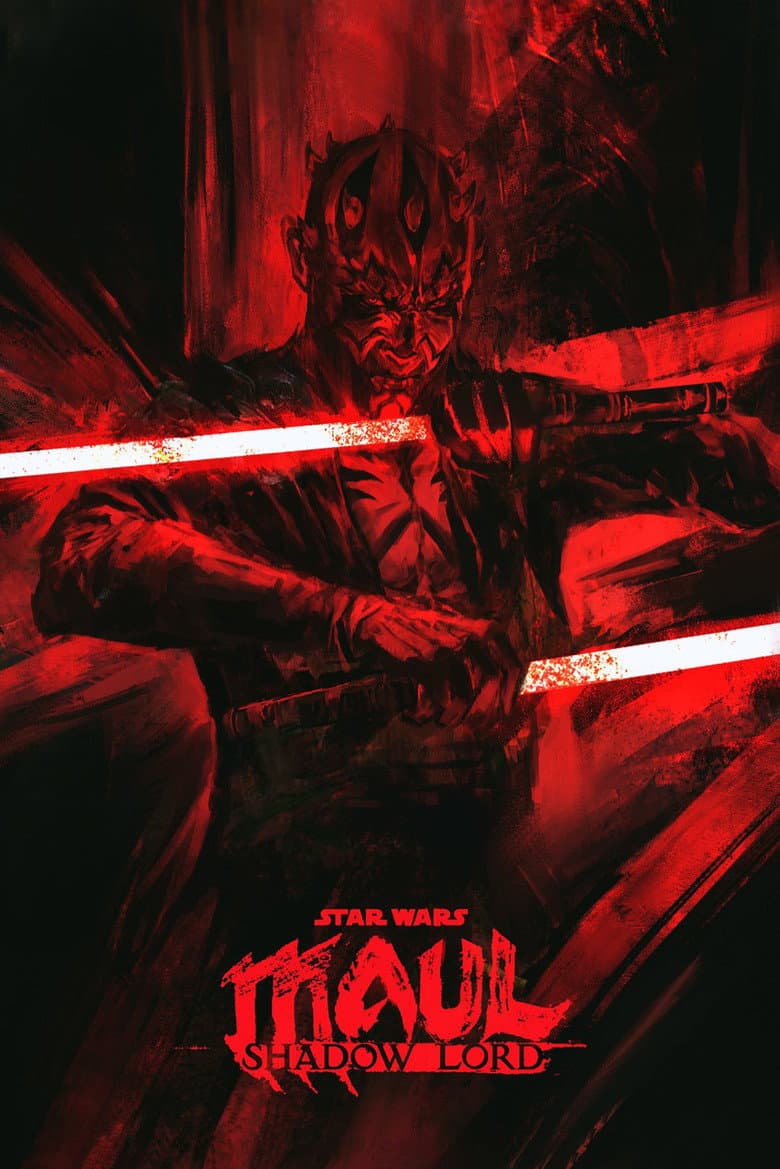
TV Show · 2026
After the Clone Wars, Maul plots to rebuild his criminal syndicate on a planet untouched by the Empire.
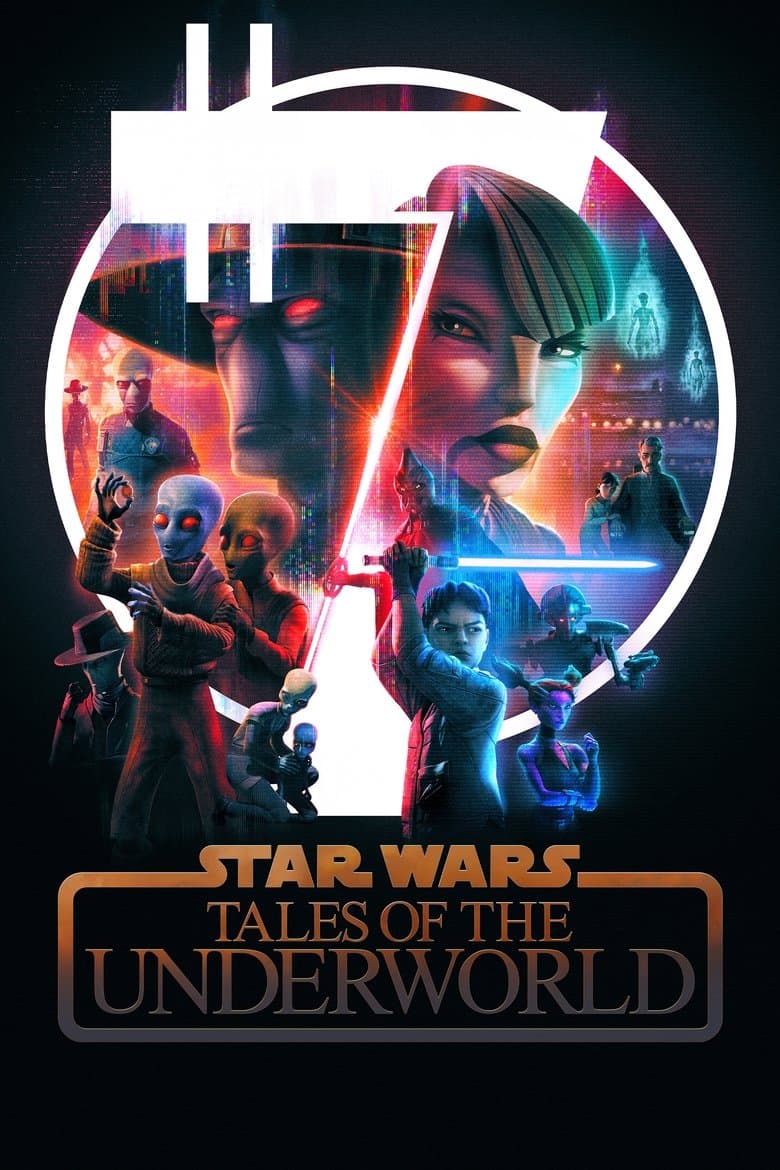
TV Show · 2025
Two outlaws must navigate the galaxy's dangerous underworld as they chart their destinies.
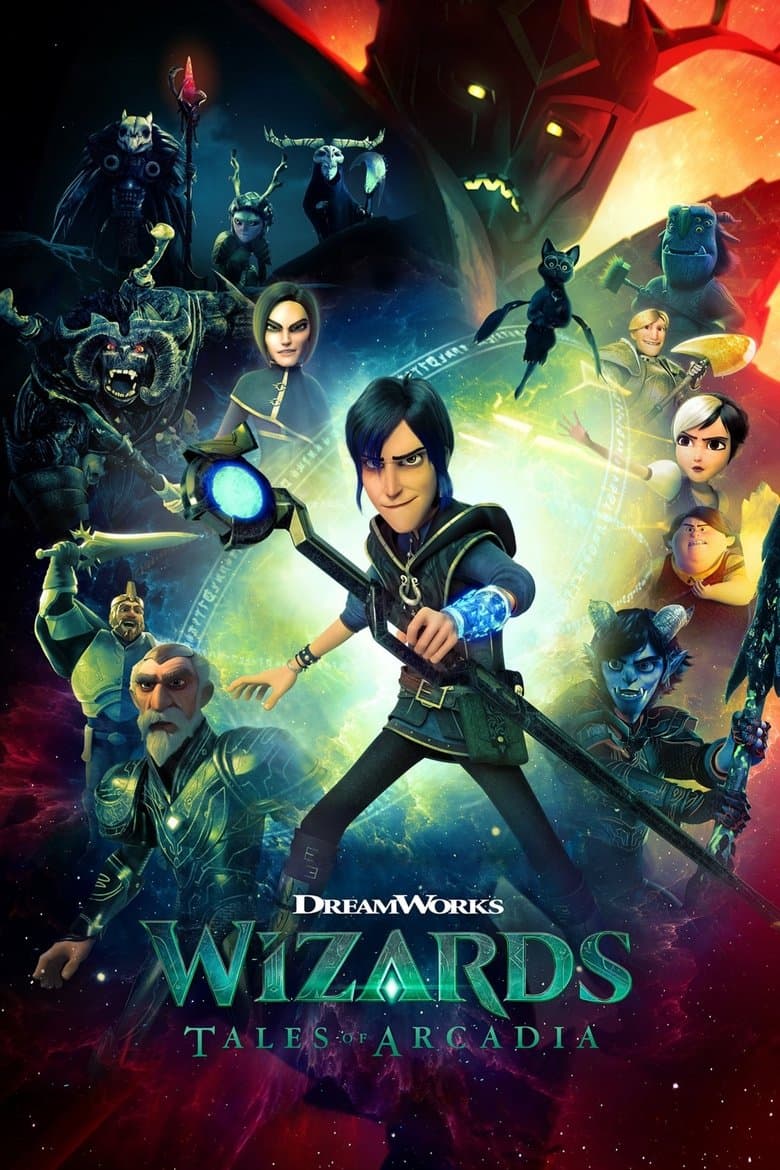
TV Show · 2020
Merlin’s apprentice joins Arcadia’s heroes on a time-bending adventure in Camelot, where conflict is brewing between the human, troll and magical worlds.
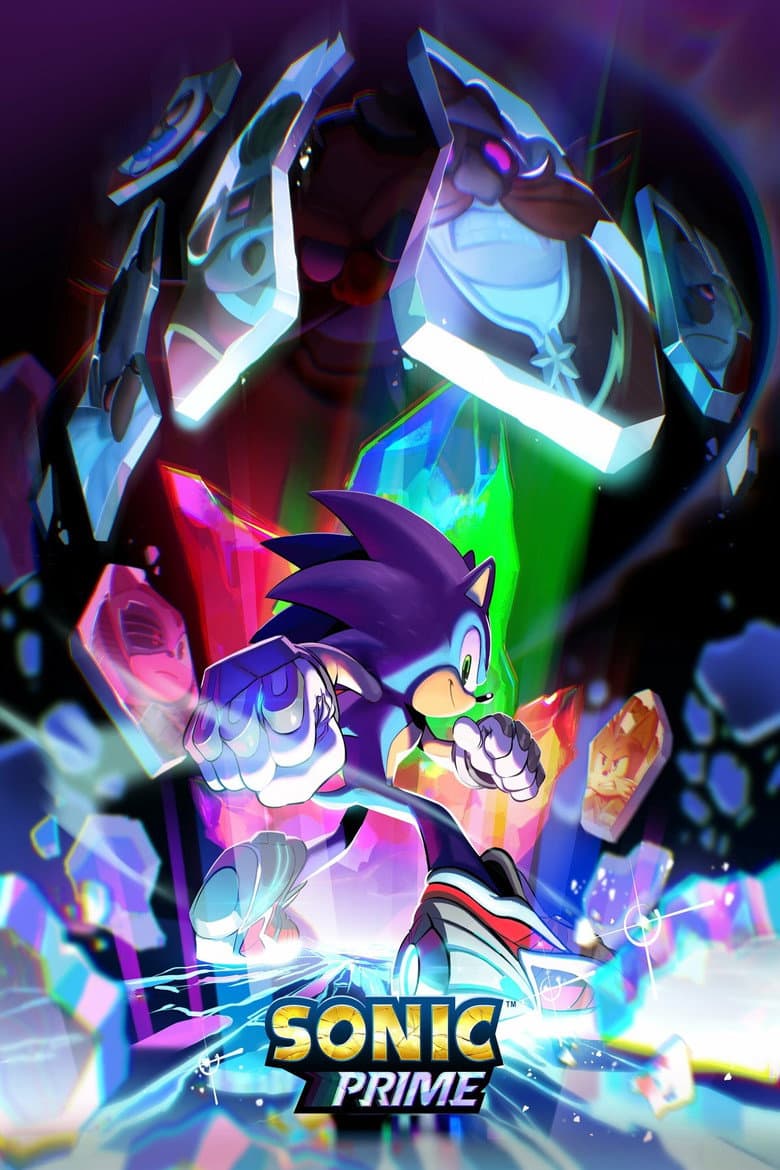
TV Show · 2022
When an explosive battle with Dr. Eggman shatters the universe, Sonic races through parallel dimensions to reconnect with his friends and save the world.
TV Show · 2018
The Boss Baby brings his big brother Tim to the office to teach him the art of business in this animated series sprung from the hit film.
