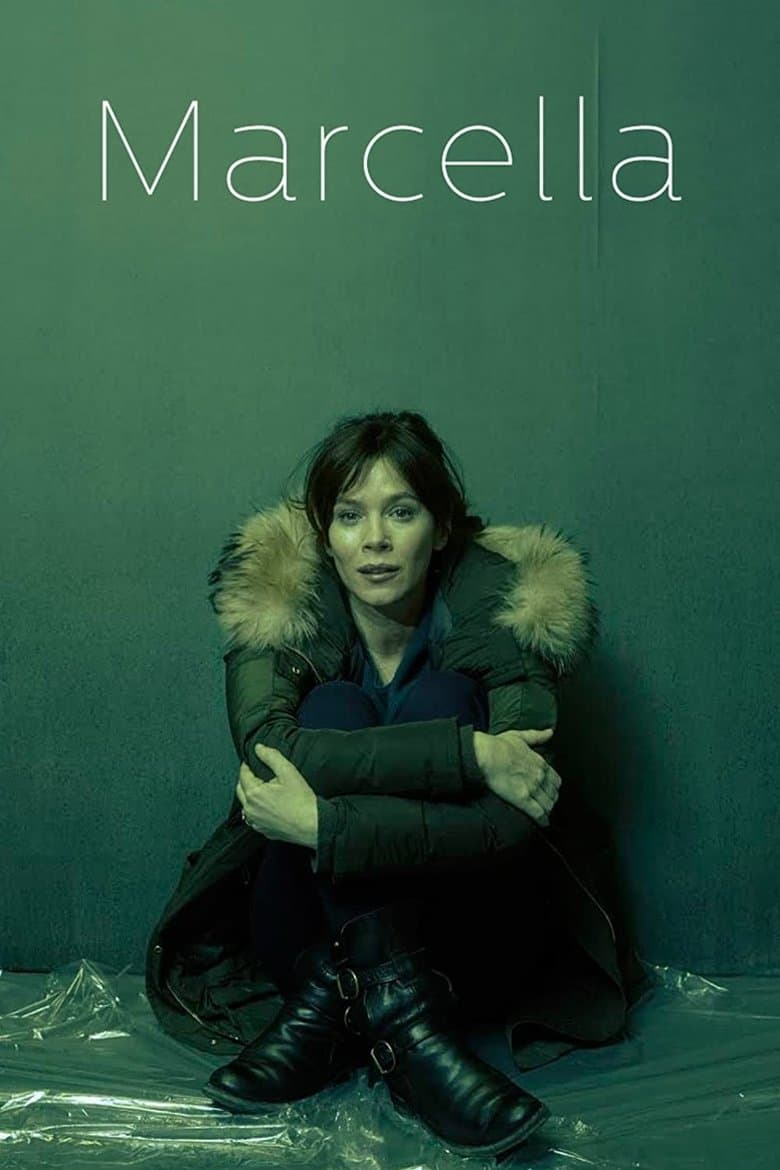
Started April 4, 2016 · Based on 3 seasons, 24 episodes · TV-MA · 45 min
Marcella is a dark psychological crime series about a detective who returns to murder work after her marriage collapses. She suffers blackouts and faces brutal cases across three seasons. The early seasons follow serial killer work, family custody fights, and serious mental health trouble in London. Season three resets the tone as an undercover story with a crime family in Belfast. The show is driven by trauma, violence, investigation, and wild twists rather than by a social justice thesis.
Viewers can notice a multi-ethnic modern police cast and several competent women in authority. Recurring LGBTQ content also appears, including gay male suspects in season one, a sustained lesbian couple and IVF subplot in season two, and a bisexual crime-family figure with a male lover in season three. These elements are visible and raise identity notes a bit, but they are not the center of the series. Core scripts stay Nordic-noir procedural and psychological thriller. Police hassles, corrupt elites, and underworld crime show up as standard genre obstacles, not as a long activist attack on Western culture.
Community feedback
Was our 32% Woke rating accurate?
Breakdown
These are the editorial factors and ratings behind our score for Marcella.
Woke representation / casting
The modern London police world makes a multi-ethnic supporting cast and an interracial marriage feel normal for the setting. The lead stays white. Several capable women hold power, and some LGBTQ-coded roles appear. This is light contemporary casting, not a forced one-of-each hero lineup.
42%
Woke political dialogue
Not present. Core scripts are Nordic-noir procedural and psychological thriller with serial killers, blackouts, undercover work, and family crime. No sustained activist monologues on DEI, systemic racism, patriarchy as ideology, or identity politics.
0%
Identity-driven story themes
The main engine is personal trauma, mental health blackouts, violence, and murder cases, not a social justice thesis. A mild side note is a woman who left work for family and then is left behind, plus a strong damaged female detective in the Nordic crime style. Confirmed LGBTQ material across seasons, especially the season two lesbian couple arc and season three bisexual plot lines, lifts this score without making the series queer-centered.
30%
Western institutional / cultural critique
Police red tape, shaky bosses, developers, and criminal elites show up as normal crime-drama obstacles. Human trafficking and gun or drug empires in season three are underworld plot, not colonial guilt or anti-Western activism. There is no long campaign against toxic masculinity, patriarchy, Christianity, or whiteness.
8%
Woke character or canon changes
Not relevant. This is an original series, not an adaptation of prior characters, canon, or historical figures.
0%
Anti-woke backlash and complaints
Not present. Talk around the show focuses on violence, messy plotting, wild twists, and Anna Friel’s performance. No meaningful organized anti-woke or agenda backlash was found.
0%
Creator track record context
Key creatives have low cached scores and build careers on Nordic crime psychology rather than identity activism. Rosenfeldt likes complex female leads for character reasons. That matches the show but is not a DEI track record.
10%
Production
TV Show · 2023
Follows rookie police officers working in Belfast, a city in which being a frontline response cop comes with unique pressures and dangers.
TV Show · 2022
New York mafia capo Dwight "The General" Manfredi is released from prison after 25 years and exiled by his boss to set up shop in Tulsa, Oklahoma.

TV Show · 2018
The stranger-than-fiction account of a prison break in upstate New York in the summer of 2015, which spawned a massive manhunt for two convicted murderers who were aided in their…
TV Show · 2017
A war veteran turned private detective operates out of a tiny office in London’s Denmark Street. Although wounded both physically and psychologically, his unique insight and…

TV Show · 2016
17-year-old Joshua "J" Cody moves in with his freewheeling relatives in their Southern California beach town after his mother dies of a heroin overdose.
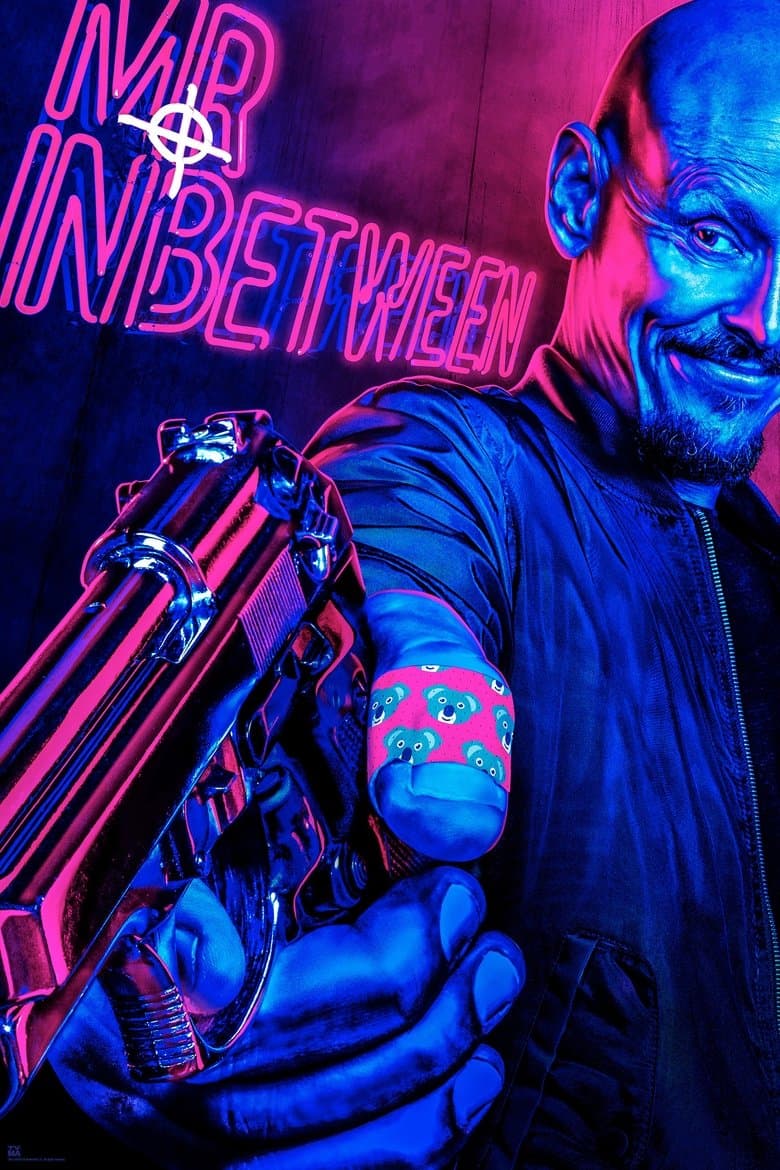
TV Show · 2018
Ray Shoesmith is a father, ex-husband, boyfriend and best friend: tough roles to juggle in the modern age. Even harder when you’re a criminal for hire.
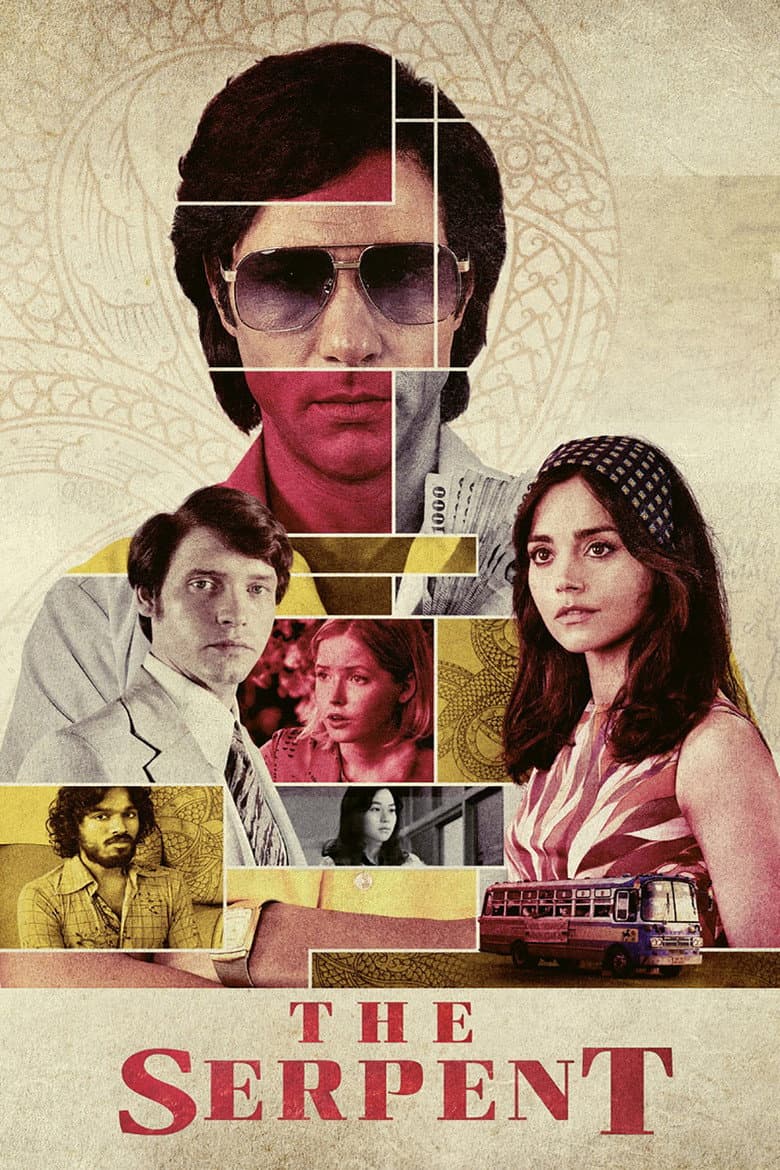
TV Show · 2021
The remarkable story of how murderer Charles Sobhraj was captured. As the chief suspect in unsolved murders of young Western travellers across India, Thailand and Nepal’s ‘Hippie…
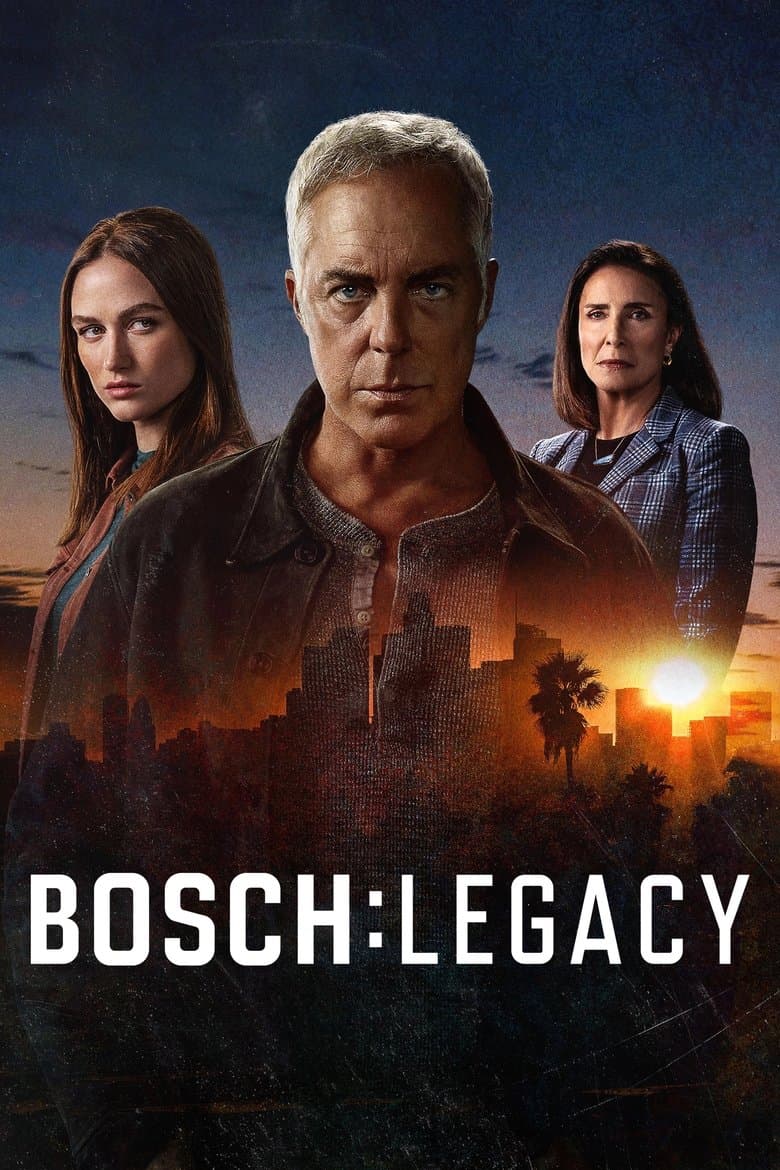
TV Show · 2022
Bosch is now making a living as a private investigator two years after he quit the LAPD and finds himself working with one time enemy and top-notch attorney Honey “Money”…
