Started April 10, 2026 · Ended · Based on 1 season, 4 episodes through April 10, 2026 · TV-14
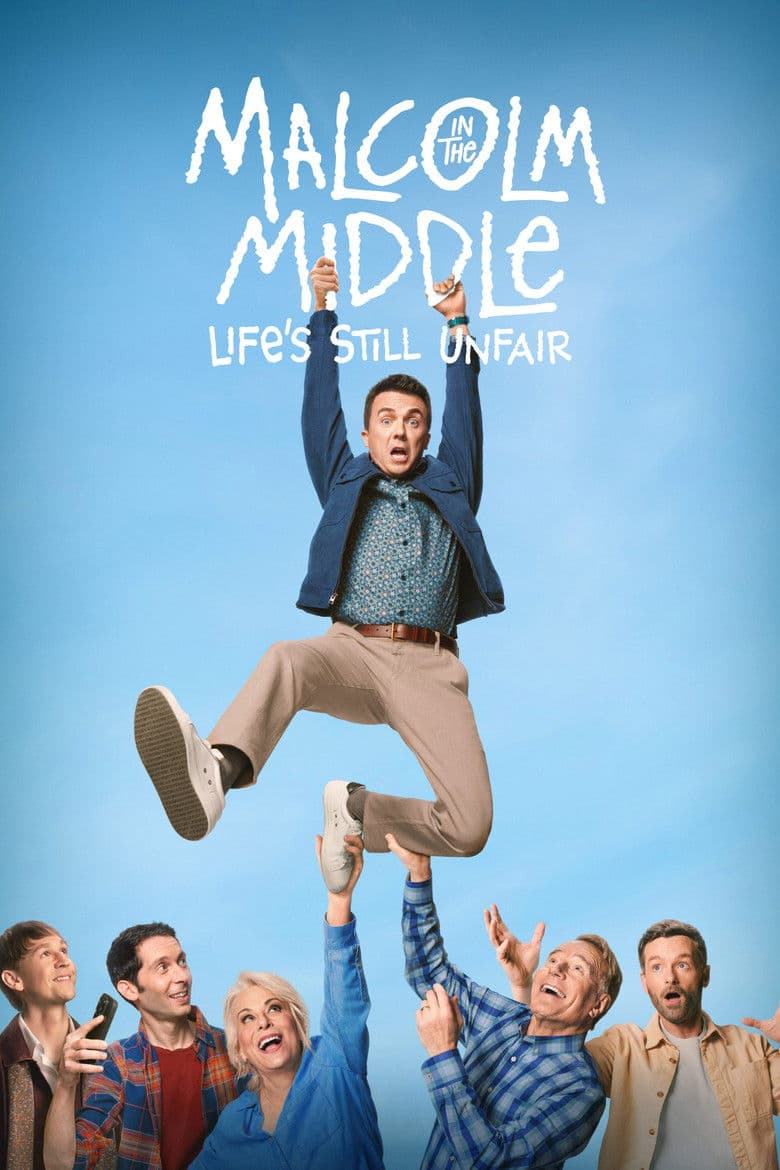
Malcolm in the Middle: Life's Still Unfair is a four-episode limited revival miniseries released in full on April 10, 2026, on Hulu and Disney+. Twenty years after the original, adult Malcolm has shielded his daughter Leah from his chaotic family and lied about their existence; Hal and Lois drag him back for their 40th anniversary party, pulling the whole dysfunctional crew together. The story adds a new non-binary youngest sibling Kelly played by non-binary actor Vaughan Murrae as a main family member and updates supporting character Stevie as gay with a husband and adopted child. Producers publicly tied the non-binary addition to their own family experiences with queer children, and these changes drew clear audience complaints about identity themes.
Community feedback
Was our 87% Woke rating accurate?
Breakdown
These are the editorial factors and ratings behind our score for Malcolm in the Middle: Life's Still Unfair.
Woke representation / casting
Prominent new non-binary family member Kelly (they/them) played by non-binary actor Vaughan Murrae as a core sibling with story presence; producers called it really important and tied to their queer family. Stevie retconned as gay with husband and adopted child. Malcolm's daughter Leah and girlfriend Tristan add female characters in visible roles without heavy identity signaling.
78%
Woke political dialogue
Includes a supportive family scene around Kelly's non-binary identity with emotional delivery and piano music per descriptions and clips. Character updates explicitly show LGBTQ adult lives. Not wall-to-wall lectures, but noticeable enough to fuel complaints about focus on these themes.
38%
Identity-driven story themes
Non-binary sibling and gay updates to canon figures presented as natural modern facets of the family twenty years later. Producers framed the addition as meaningful inclusion reflecting real life rather than pure story necessity. Core remains classic dysfunction and reunion, but identity elements are audience-visible additions.
52%
Western institutional / cultural critique
Retains original show's irreverent, slapstick take on overbearing parents, sibling chaos, and everyday authority figures. Malcolm's food charity work adds mild "giving back" framing. No strong modern activist critiques of capitalism, patriarchy, colonialism, or institutions.
12%
Woke character or canon changes
The original series finale's surprise unborn child (gender mystery running gag) becomes explicitly non-binary Kelly. Stevie (recurring friend with prior opposite-sex interest traits in episodes) is updated as gay with a family. These are identity-driven alterations to established characters and setup rather than neutral modernization.
72%
Anti-woke backlash and complaints
Clear, widespread social media and review backlash treating the non-binary sibling, "they/them" elements, identity speech, and Stevie retcon as forced woke or agenda-driven changes. Posts and articles called it "woke slop," "ruined," or unnecessary identity politics; only anti-woke or right-leaning complaints counted here.
78%
Creator track record context
Linwood Boomer and most returning writers built careers on edgy, character-driven 2000s comedies without heavy political or identity focus. Key producer statements tied the non-binary element to personal family experiences. Some involved parties have mild left-leaning public records per cached summaries (e.g., Bryan Cranston), but overall not a dominant activist pattern across the team.
5%
Production
TV Show · 2020
The heartwarming and humorous adventures of a young country vet in the Yorkshire Dales in the 1930s. A remake of the 1978 series.

TV Show · 2019
Following an emotional breakup, tough but tender FBI super-agent Will Chase (codename: “Whiskey Cavalier”) is assigned to work with badass CIA operative Frankie Trowbridge…
TV Show · 2016
Set nearly a decade after the finale of the original series, this revival follows Lorelai, Rory and Emily Gilmore through four seasons of change.

TV Show · 2018
Puberty Syndrome—a rumored, mysterious syndrome that only affects those in their puberty. For example, a bunny girl suddenly appeared in front of Sakuta Azusagawa.
TV Show · 2019
In a city of coaching centers known to train India’s finest collegiate minds, an earnest but unexceptional student and his friends navigate campus life.

TV Show · 2023
The lives of a realtor, a plumber and a former tennis star unexpectedly collide, exposing America’s obsession with true crime, murder and the slow-close toilet seat.
TV Show · 2019
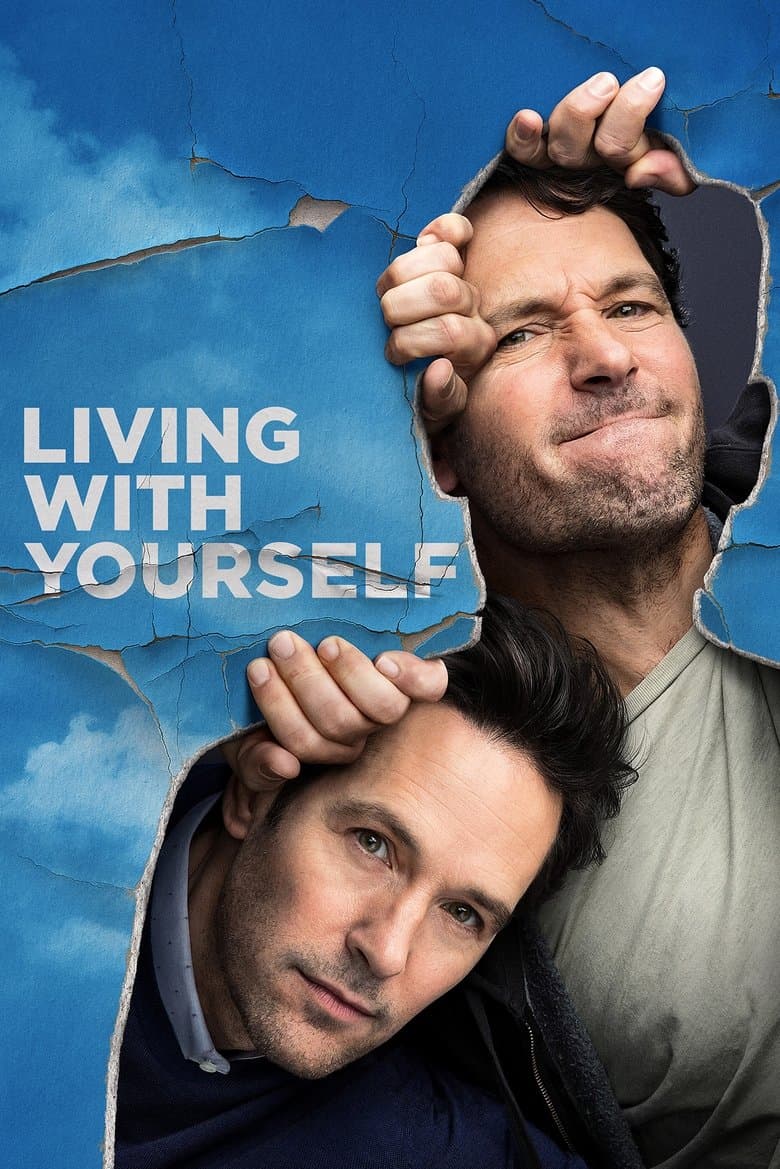
Burned out on life, Miles undergoes a strange procedure at a strip mall spa -- and wakes to find he's been replaced by a better version of himself.

TV Show · 2021
A secret life is the one thing they have in common. At school, Hori is a prim and perfect social butterfly, but the truth is she's a brash homebody.
