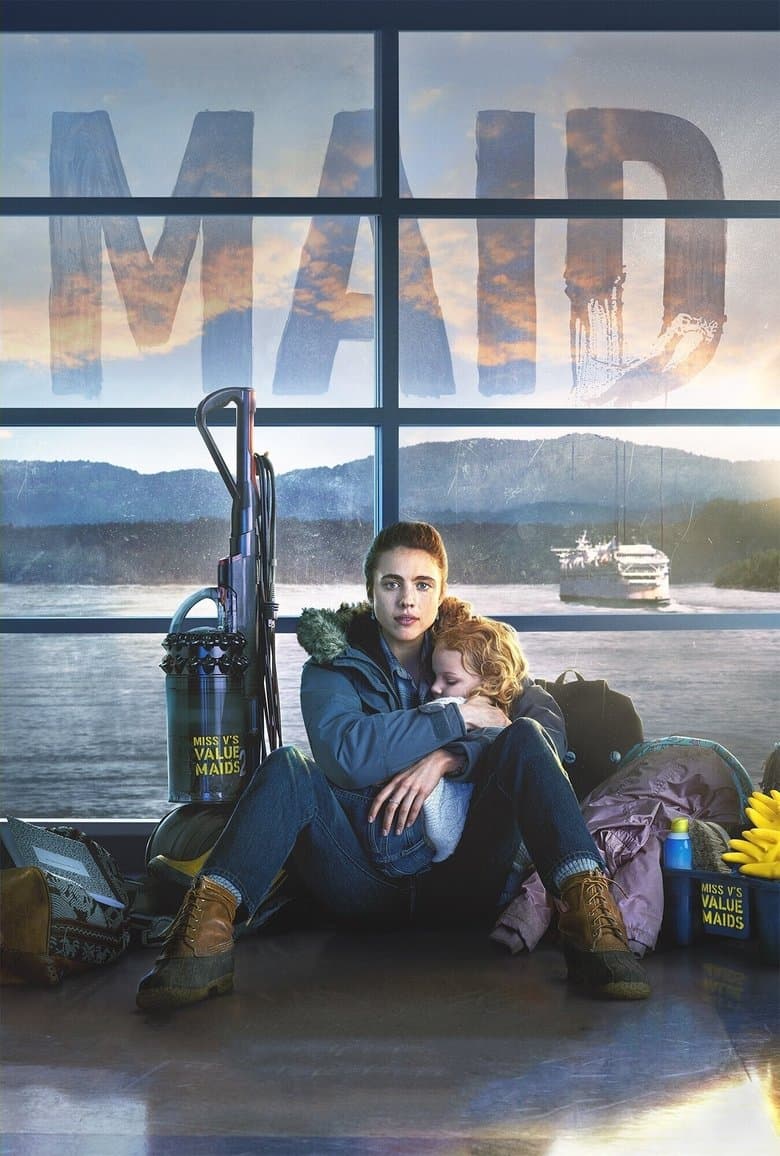
Started September 30, 2021 · Ended · Based on 1 season, 10 episodes through September 30, 2021 · TV-MA
Maid is a 10-episode Netflix miniseries based on Stephanie Land’s memoir. It follows a young single mother who flees an abusive relationship, takes a job cleaning houses, and battles poverty, shelters, welfare red tape, her bipolar mother, and trauma while trying to give her toddler a stable life. The story stresses personal resilience, the emotional cost of domestic violence and generational mental health issues, and the daily grind of low-wage work. Woke elements stay light and background: realistic frustration with broken social services and some natural supporting diversity that fits the service-industry setting, without identity lectures, quotas, or activist framing taking center stage.
Community feedback
Was our 24% Woke rating accurate?
Breakdown
These are the editorial factors and ratings behind our score for Maid.
Woke representation / casting
Lead and core family roles played by white actors matching the real memoir author and story; supporting cast has actors of color in fitting service and community roles without quotas or signaling.
10%
Woke political dialogue
Shows the exhausting Catch-22s and paperwork traps of welfare and abuse services through the main character’s eyes, delivering a grounded liberal critique of inadequate systems rather than speeches or ideology.
18%
Identity-driven story themes
Centers a mother’s fight to escape abuse and poverty for her child plus family mental health cycles; universal personal struggle with little modern group-identity or activist framing.
12%
Western institutional / cultural critique
Highlights how welfare rules, housing aid, and domestic violence support often fail poor single mothers and trap them in cycles; empathetic call for better help, not radical anti-patriarchy or anti-capitalist messaging.
15%
Woke character or canon changes
Not present in this title.
0%
Anti-woke backlash and complaints
No notable right-leaning complaints that the series pushes woke, DEI, or identity politics; limited debate came from progressive voices wanting more racial focus.
0%
Creator track record context
Mix includes higher-identity voices like Marcus Gardley (black activist work) and Michelle Denise Jackson (queer and racial centering) alongside class-focused creators like Stephanie Land and Molly Smith Metzler and lower-profile directors; produces moderate social-issue emphasis overall.
42%
Production
TV Show · 2022
Oscar-winning producer Al Ruddy’s never before revealed experiences of making the iconic 1972 film The Godfather that Francis Ford Coppola directed and adapted with Mario Puzo.
TV Show · 2024
The powerful real-life story of Lali Sokolov, a Jewish prisoner who was tasked with tattooing ID numbers on prisoners' arms in the Auschwitz-Birkenau concentration camp during…

TV Show · 2026
As the Kargil War erupts between India and Pakistan, the Golden Arrows squadron of the Air Force takes flight on a dangerous mission behind enemy lines.

TV Show · 2016
The love story of young Countess Natasha Rostova and Count Pierre Bezukhov is interwoven with the Great Patriotic War of 1812 against Napoleon's invading army.
TV Show · 2021
Inspired by the true story of Marty and the therapist who turned his life around...then took it over. When he first meets Dr. Ike, Marty just wants to get better at boundaries.

TV Show · 2024
In Japan in the year 1600, at the dawn of a century-defining civil war, Lord Yoshii Toranaga is fighting for his life as his enemies on the Council of Regents unite against him…

TV Show · 2023
The story of Bass Reeves, the legendary lawman of the wild West, is brought to life. Reeves worked in the post-Reconstruction era as a federal peace officer in the Indian…
TV Show · 2021
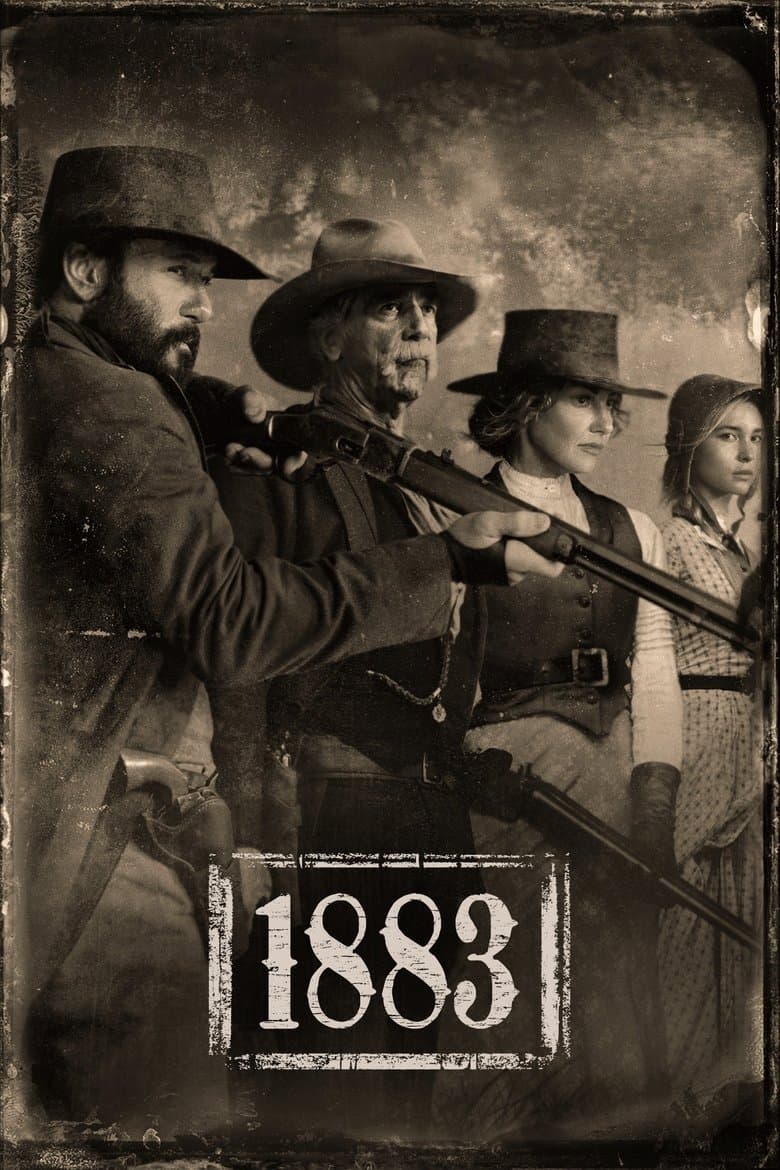
Follow the Dutton family as they embark on a journey west through the Great Plains toward the last bastion of untamed America.
