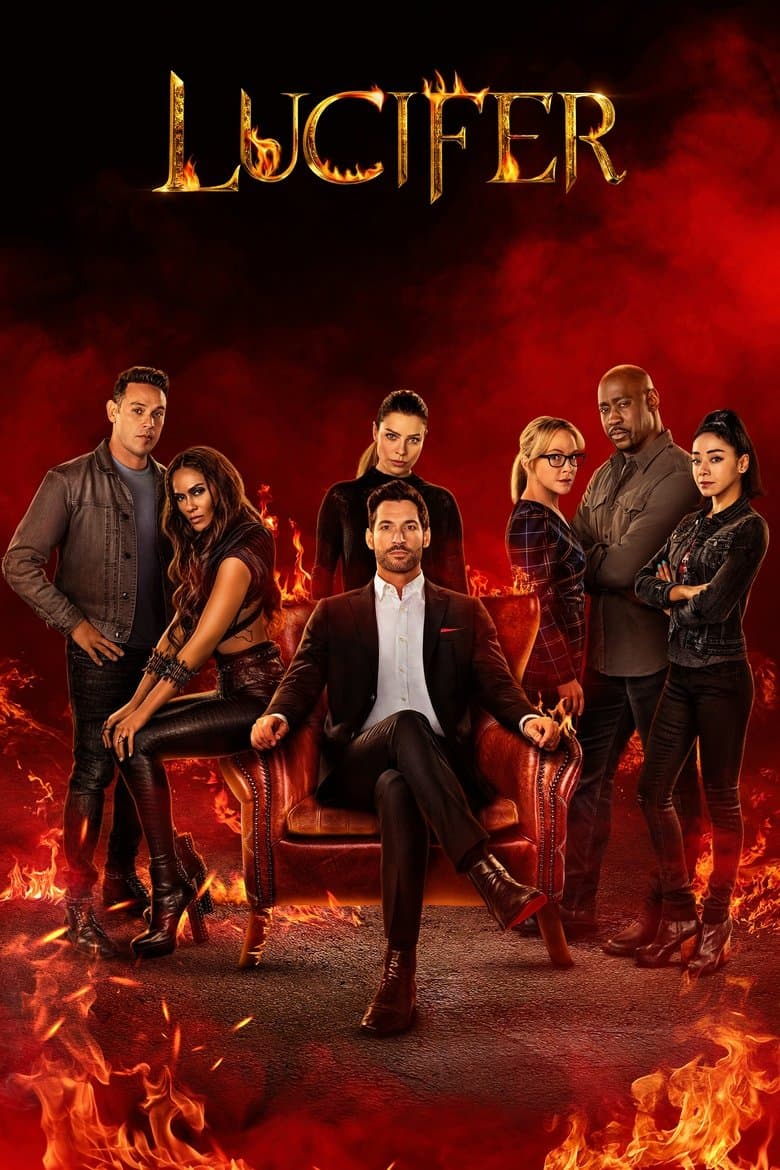
Started January 25, 2016 · Based on 6 seasons, 93 episodes · TV-14 · 45 min
Lucifer Morningstar is the Devil who leaves Hell and opens the Lux nightclub in Los Angeles. He starts helping LAPD detective Chloe Decker solve murders because he enjoys the cases and wants to understand people. His angel brother Amenadiel, his demon friend Maze, and therapist Linda pull him into a long fight over God, free will, family pain, and his own chance to change. The show mixes crime stories with fantasy, romance, jokes, and serious talks about guilt and forgiveness.
Lucifer has a casual sexual history with men and women, while Maze and Eve build a same-sex romance that ends in marriage. Those relationships appear across the later seasons, but they remain part of personal stories rather than the main purpose of the show. The show also gives season 6 a direct story about racial profiling, police brutality, and problems inside the LAPD. A nearby episode uses toxic masculinity and male control of women as problems that can be changed, but most of the 93 episodes stay focused on family, love, redemption, and the supernatural crime plot.
Community feedback
Was our 40% Woke rating accurate?
Breakdown
These are the editorial factors and ratings behind our score for Lucifer.
Woke representation / casting
The Los Angeles ensemble includes actors from several racial backgrounds in major roles. The show gives important jobs to Chloe, Maze, Linda, and Ella, but it does not present those choices as a diversity program or identity message.
5%
Woke political dialogue
Season 4 has a story about a black teenager being targeted by police. Season 6 returns to the subject when Amenadiel faces a racist detective and talks about racial profiling, police brutality, and fixing the LAPD from inside. Season 6 also uses the phrase “toxic masculinity” while Adam is told to stop controlling women. These points occur in a few episodes, with most dialogue focused on crime, family, and Heaven and Hell.
38%
Identity-driven story themes
Lucifer is shown as sexually open to men and women, and the show treats that as part of his character. Maze dates women and men, and her relationship with Eve grows from season 4 through season 6 and ends in marriage. These relationships are real story arcs, but they do not replace the main plot about redemption, family, and supernatural crime. Season 6 also links personal growth to male control and women’s choice in the Adam story.
40%
Western institutional / cultural critique
Season 4 shows police officers nearly killing a black teenager and raises questions about how the LAPD treats him. Season 6 makes the criticism more direct by showing a racist detective protected by the department and by asking Amenadiel to change the force. The Adam story calls controlling women “toxic masculinity” and presents emotional openness as a better form of manhood. The show’s conflicts with God and religious figures mostly serve its fantasy family story, not a modern attack on Western culture.
40%
Woke character or canon changes
Not relevant. The series changes the comic-book setup into a Los Angeles police and fantasy show and adds or reshapes characters for that format. No such change is tied in the show or its marketing to a race, gender, or identity message.
0%
Anti-woke backlash and complaints
A small number of Reddit viewers called season 6 too woke because of the Black Lives Matter police story, the “toxic masculinity” discussion, and related identity themes. The separate X research pass found no anti-woke reaction and no specific complaints. The early campaign against the show objected to its friendly Devil and religious content, not to woke or DEI politics. The anti-woke evidence is therefore real but fringe and limited.
20%
Creator track record context
Not present. The cached directors and writer are listed as craft-focused workers with no activist or identity-focused track record. The showrunners made title-specific comments about a Black Lives Matter episode and a diverse writers’ room, but the available research does not establish a broader woke career pattern.
0%
Production
TV Show · 2021
A psychopath's ruthless serial murders have left the entire nation gripped by fear and chaos. An honest, justice-seeking rookie police officer and a veteran detective with a…
TV Show · 2016
A comedic thriller that follows the bizarre adventures of eccentric “holistic” detective Dirk Gently and his reluctant assistant Todd.
TV Show · 2017
An MIT grad student and a tech superstar bring a low-level Pentagon official a staggering discovery that an asteroid is just six months away from colliding with Earth.
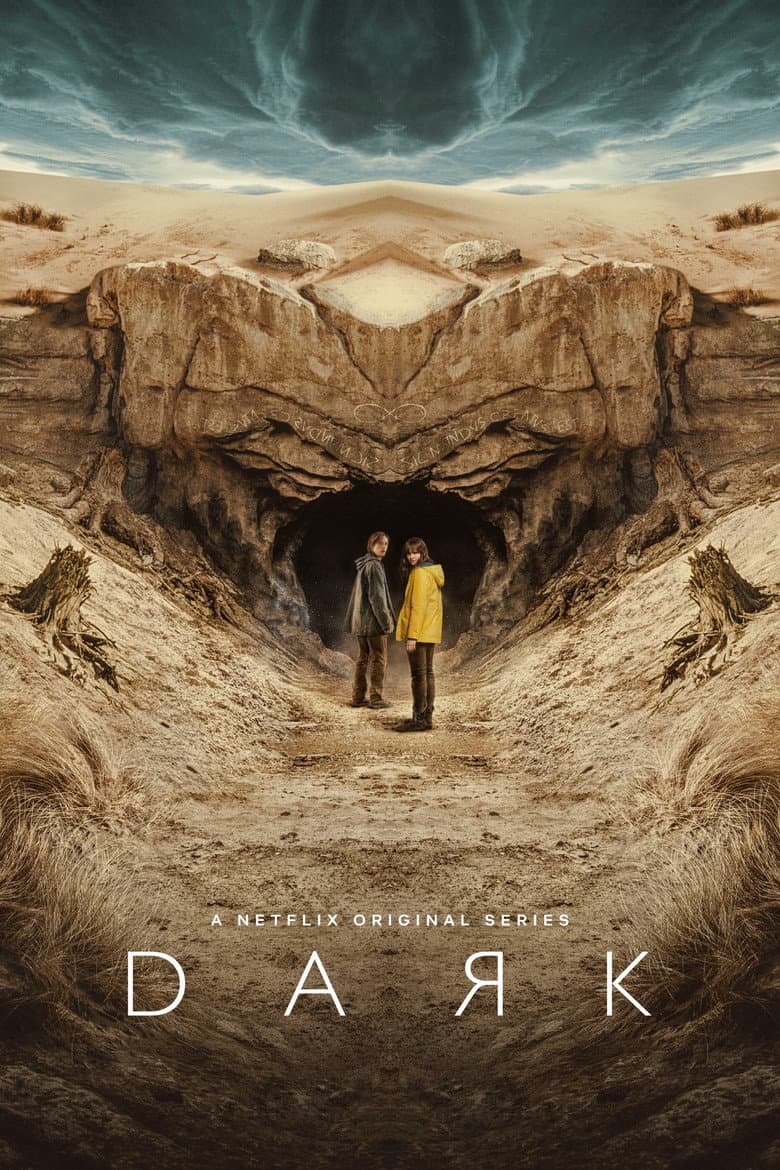
TV Show · 2017
A missing child sets four families on a frantic hunt for answers as they unearth a mind-bending mystery that spans three generations.
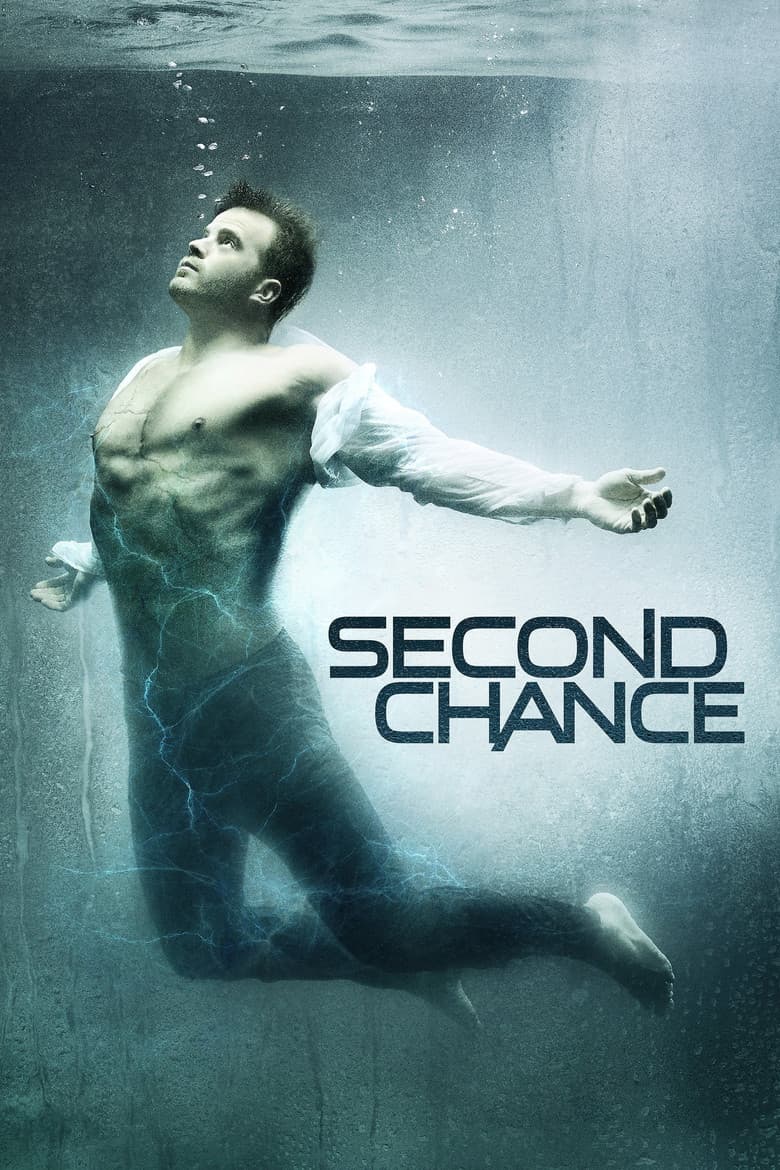
TV Show · 2016
A disgraced, 75-year-old ex-sheriff, whose life ends at the hands of corrupt cops, is brought back to life and given a second chance by a pair of young tech scientists, as a…
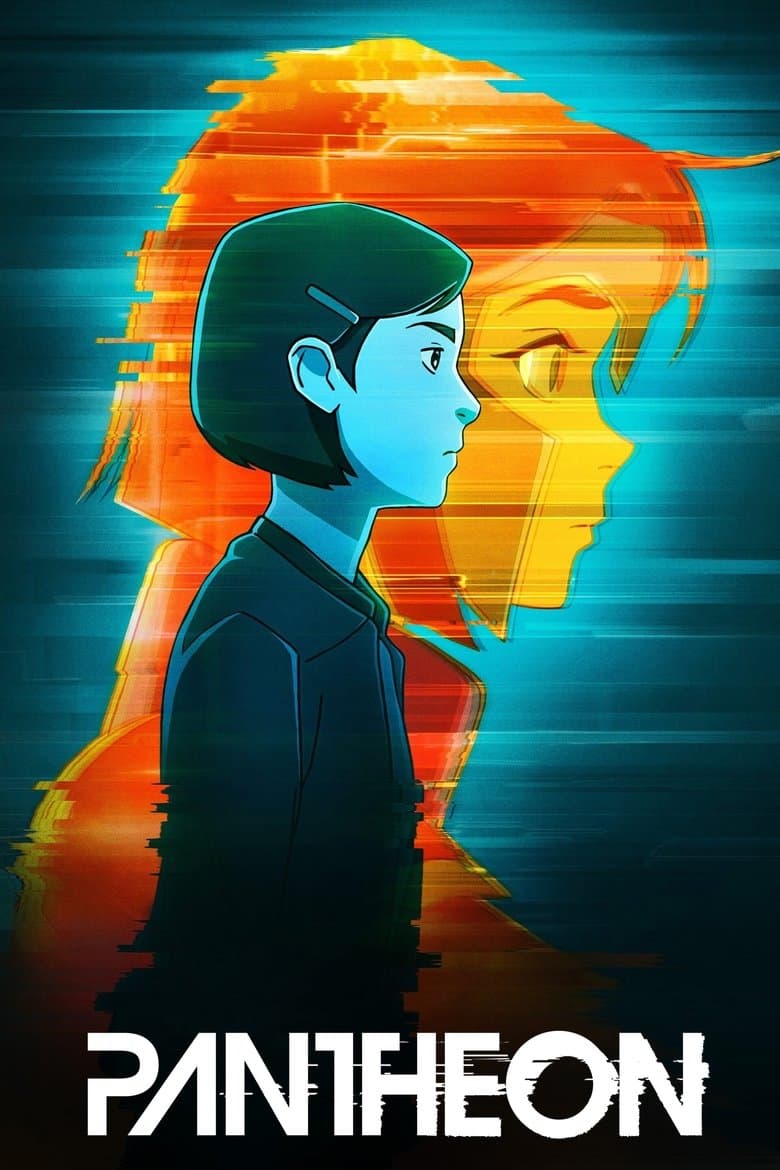
TV Show · 2022
A bullied teen receives mysterious help from someone online: a stranger soon revealed to be her recently deceased father, David, whose consciousness has been uploaded to the Cloud…
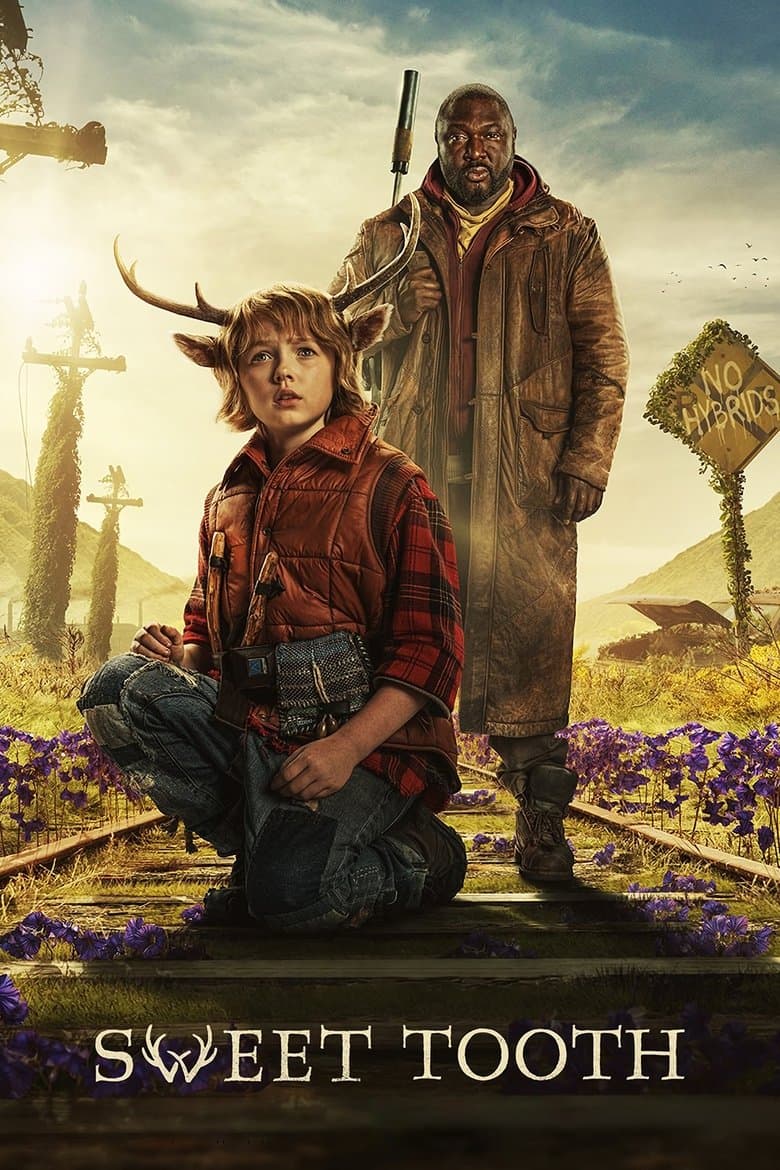
TV Show · 2021
On a perilous adventure across a post-apocalyptic world, a lovable boy who's half-human and half-deer searches for a new beginning with a gruff protector.
TV Show · 2016
An aging police sheriff who has recently lost his position due to an angry outburst begrudgingly joins an alliance with new sheriff, Evie Barret to battle angry demons haunting…
