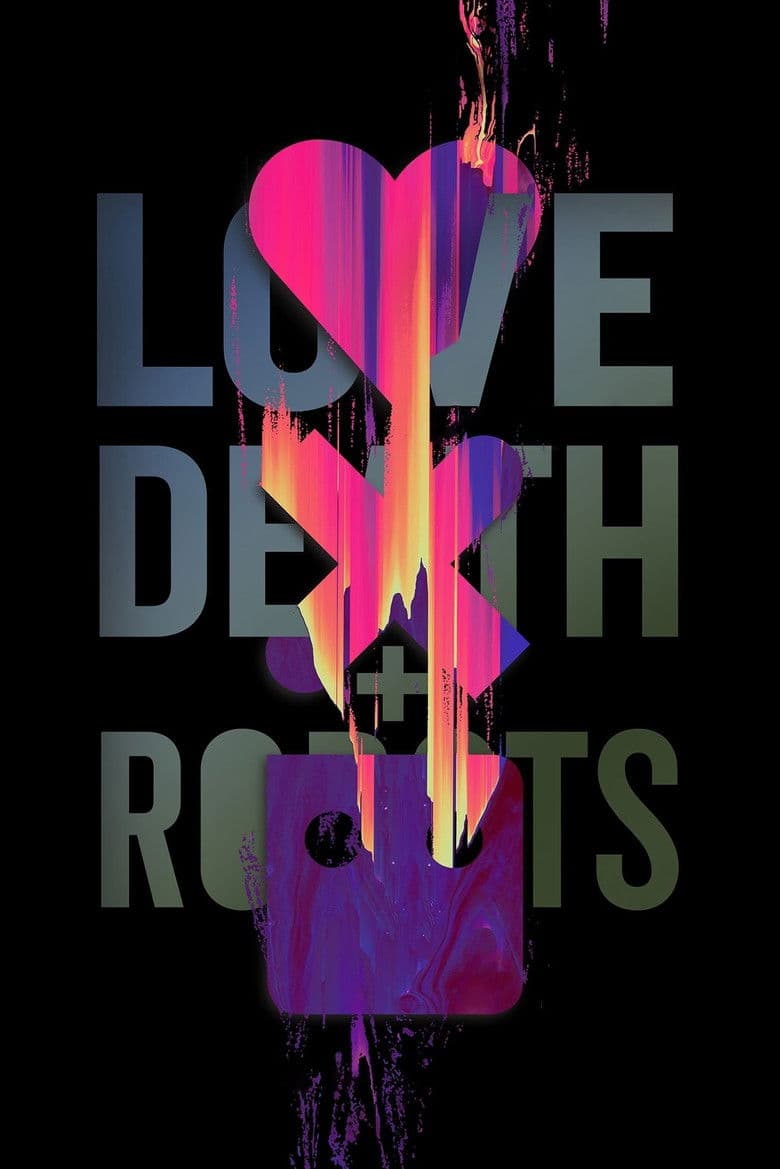
Started March 15, 2019 · Returning Series · Based on 4 seasons, 45 episodes through May 15, 2025 · TV-MA
Love, Death and Robots is an adult animated anthology series on Netflix. It first aired in 2019 and has four volumes through 2025. Each short tells a separate sci-fi, fantasy, horror, or dark comedy story. The show uses many animation styles and often leans on gore, nudity, and pulp thrills. Episodes usually adapt original science fiction stories instead of one long shared plot. Most entries feel like monster fights, body horror, or twisty genre tales rather than one continuous campaign.
A smaller set of shorts shows identity and power themes that viewers can name. Sonnie's Edge centers a lesbian lead and same-sex intimacy. Shape-Shifters treats military prejudice like a fantastic racism story. Good Hunting tracks colonial force, gender, and a woman reclaiming power through cyborg change. Three Robots mocks human-made environmental collapse, and Ice frames a split between modded and unmodded people. These moments stand out when they appear, yet they do not run most of the roughly forty-five shorts. The series stays pulp first, with identity weight in spots rather than across the whole show.
Community feedback
Was our 36% Woke rating accurate?
Breakdown
These are the editorial factors and ratings behind our score for Love, Death & Robots.
Woke representation / casting
This animated anthology mixes international designs and voice casts in genre settings. Varied genders and races appear without a live-action quota ensemble frame. Some shorts feature identity picks such as a lesbian lead or capable women, but many stay male-centered. Casting feels genre-typical more than engineered diversity display.
22%
Woke political dialogue
Most talk is pulp, horror, or black-comedy science fiction. A few episodes raise prejudice, colonial violence, or human-made environmental ruin. Those beats stay episodic. The series does not speak in sustained activist lectures or modern diversity slogans.
18%
Identity-driven story themes
The anthology dilutes any single message across many shorts. Some episodes center same-sex intimacy, military minority allegory, colonial gender power, or modded social hierarchy. Those themes are clear when they appear. They still cover only a minority of roughly forty-five shorts.
38%
Western institutional / cultural critique
Critique shows up in pockets such as colonial exploitation, military bigotry, human self-ruin, and religious satire. These read as genre dystopia and satire more than a steady activist brief. Volume 1 was also faulted for male gaze and objectification, which cuts against progressive critique as a brand.
28%
Woke character or canon changes
Not relevant. Shorts adapt original stories or science fiction shorts. There are no identity-driven race or gender swaps of established franchise icons for diversity optics.
0%
Anti-woke backlash and complaints
There is no major mainstream campaign calling the show diversity propaganda. Niche talk says later volumes feel softer and less extreme than Volume 1. More public heat came from progressive viewers who called Volume 1 sexist. Overall anti-woke signal stays thin.
10%
Creator track record context
Named creators mostly score low on prior woke track records. Ken Liu scores higher because his stories often touch culture, colonialism, and identity. Tim Miller stresses craft and variety rather than representation activism. Context points to occasional source themes more than a showrunner agenda.
14%
Production
TV Show · 2022
A bullied teen receives mysterious help from someone online: a stranger soon revealed to be her recently deceased father, David, whose consciousness has been uploaded to the Cloud…
TV Show · 2018
Armed with an arcane knowledge of the dark arts and a wicked wit, John Constantine fights the good fight. With his soul already damned to hell, he’ll do whatever it takes to…
TV Show · 2021
After encounters with a dragon and a princess on her own mission, a Dragon Knight becomes embroiled in events larger than he could have ever imagined.
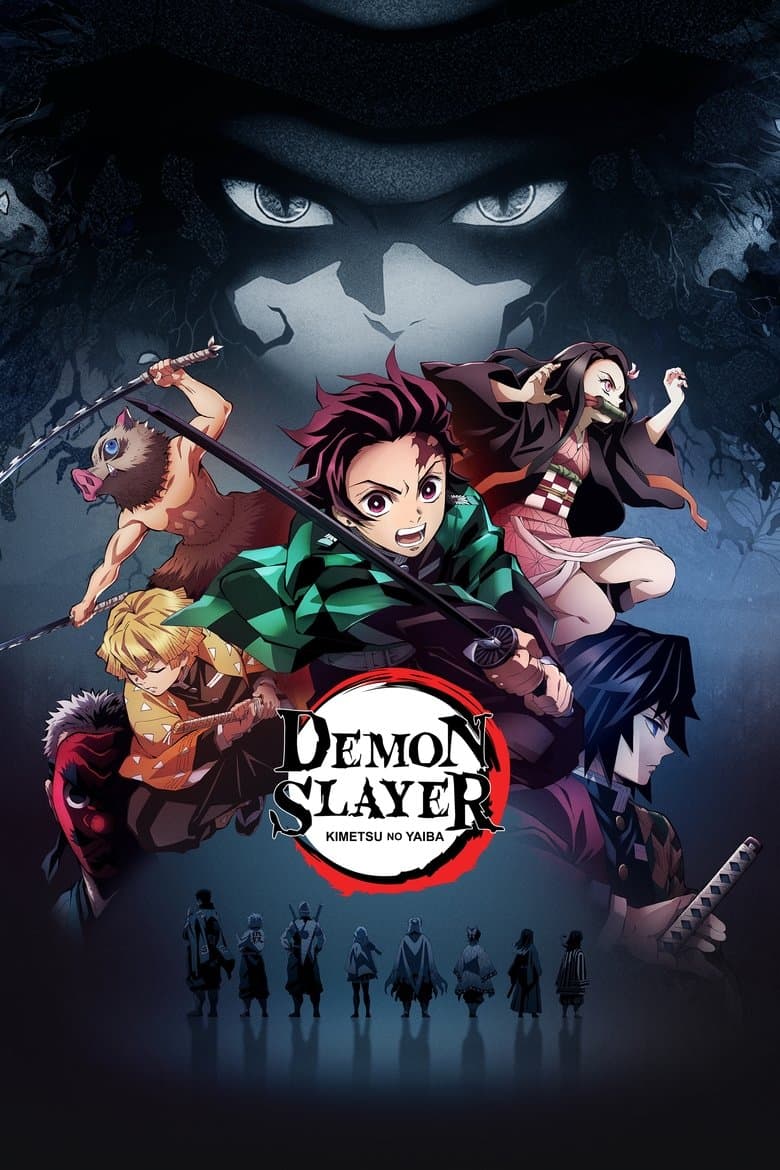
TV Show · 2019
After a demon attack leaves his family slain and his sister cursed, Tanjiro embarks upon a perilous journey to find a cure and avenge those he's lost.
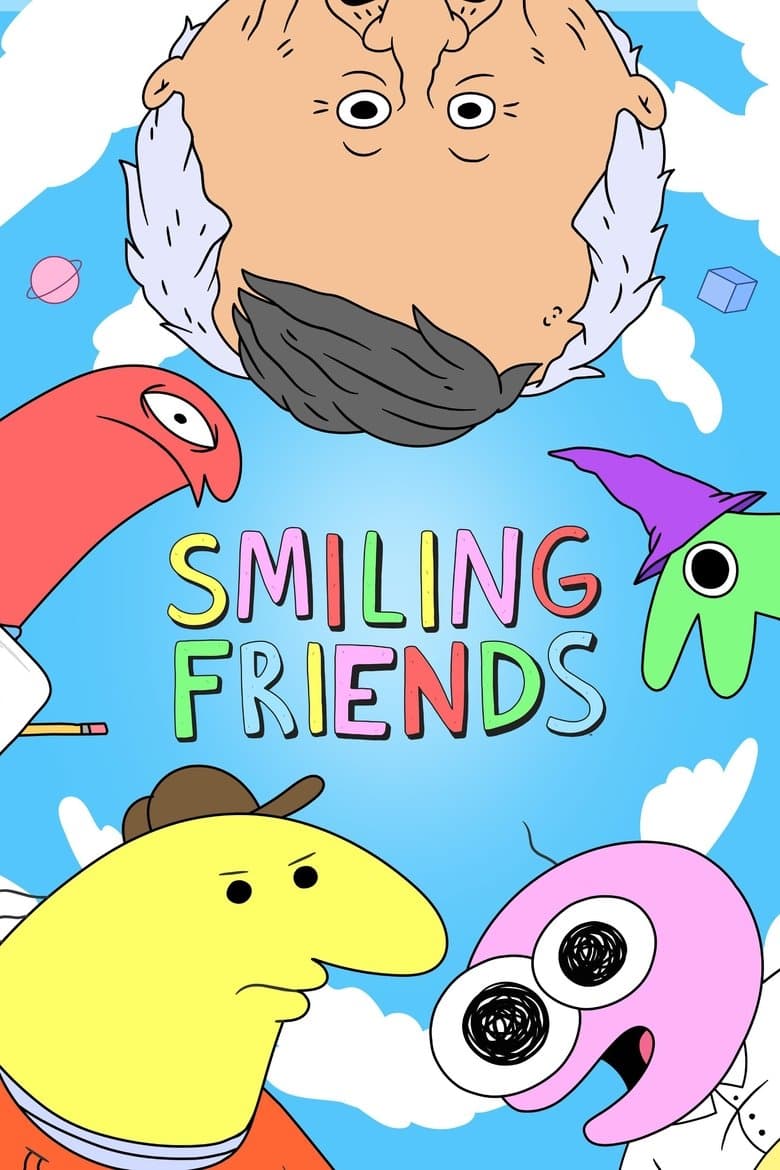
TV Show · 2020
Smiling Friends Inc. is a small company whose main purpose is to bring happiness and make people smile. The series follows the day-to-day lives and misadventures of its…
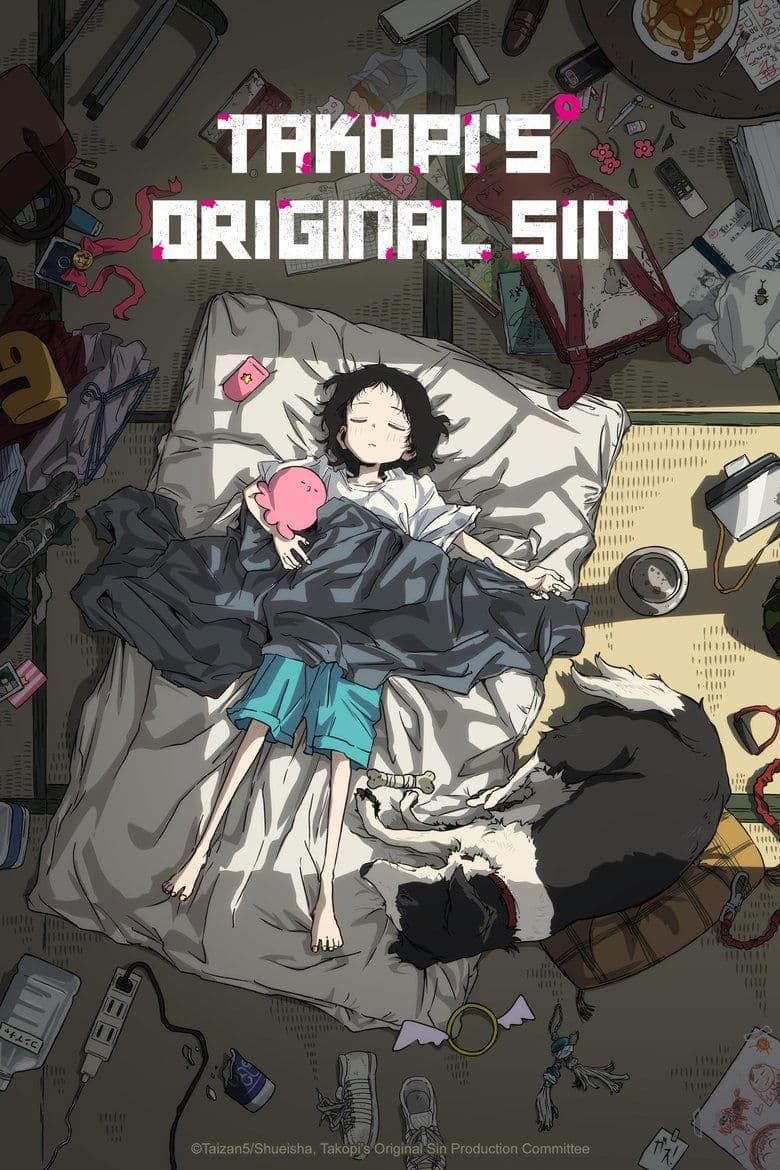
TV Show · 2025
A Happy alien, Takopi, lands on Earth with one mission: to spread happiness! When he meets Shizuka, a lonely fourth grader, he vows to bring back her smile using his magical Happy…
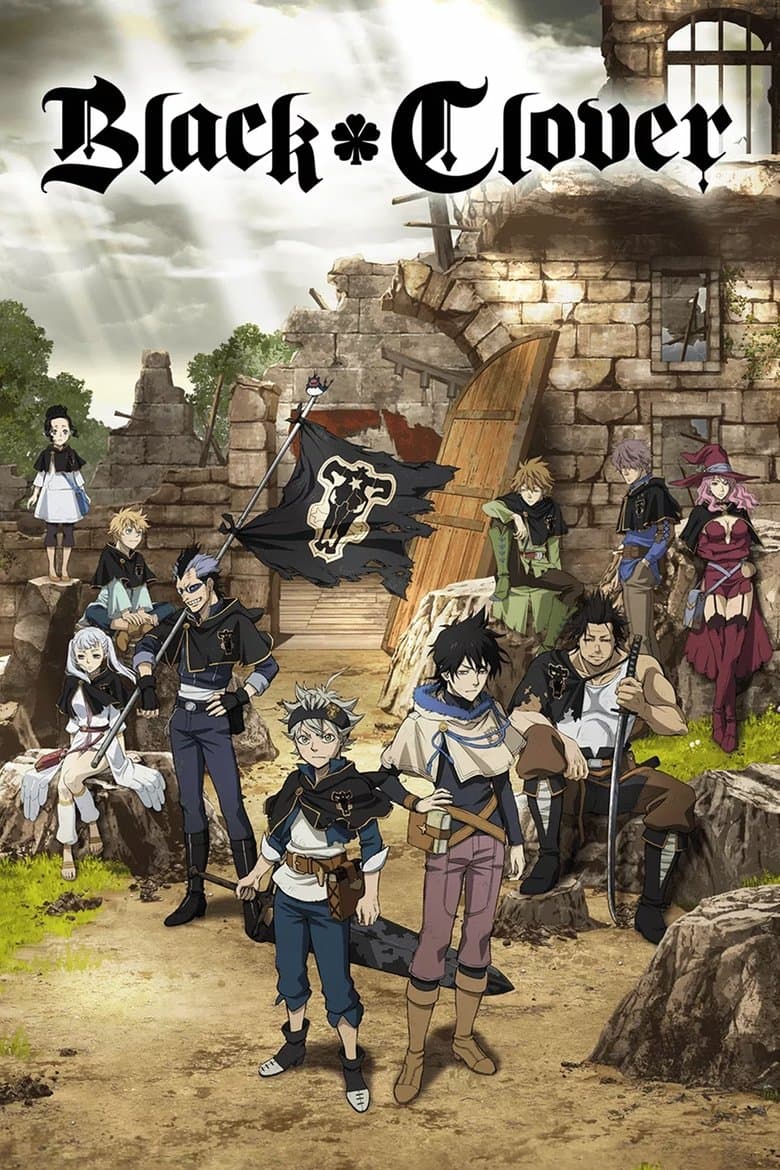
TV Show · 2017
Asta and Yuno are two orphans who want the same thing: to become the Wizard King. Locked in a friendly rivalry, they work hard towards their goal.
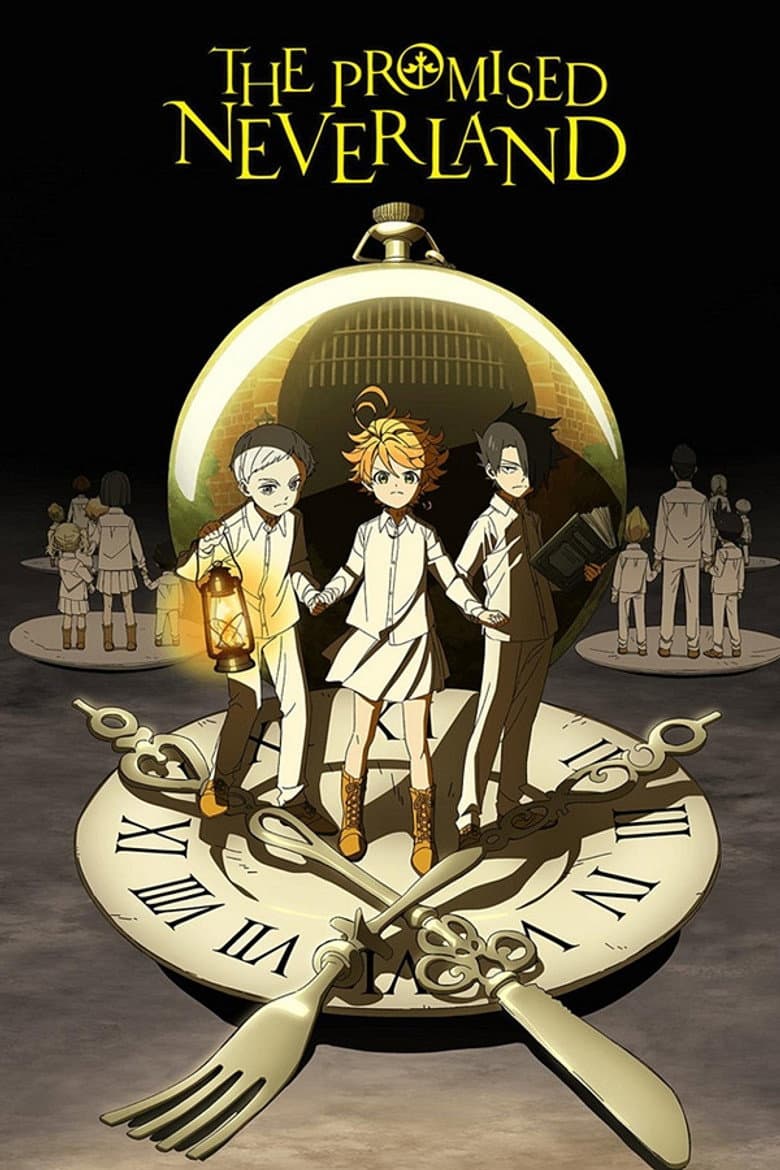
TV Show · 2019
Emma, Norman and Ray are the brightest kids at the Grace Field House orphanage. And under the care of the woman they refer to as “Mom,” all the kids have enjoyed a comfortable…
