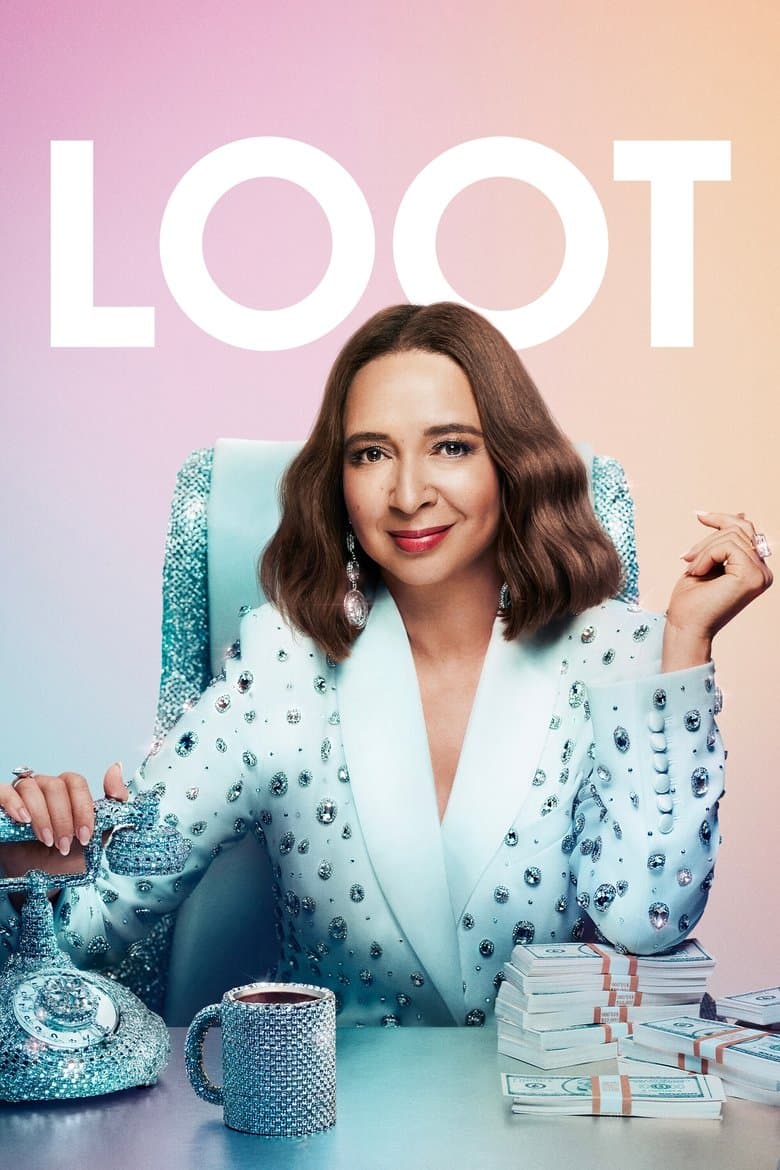
Started June 23, 2022 · Returning Series · Based on 3 seasons, 30 episodes through December 9, 2025 · TV-MA
Loot follows Molly Novak, a newly divorced woman who receives an $87 billion settlement from her tech billionaire husband. After a wild period of spending, Molly returns to the charitable foundation she helped create and starts working with its staff. She tries to understand ordinary life while managing money, friendships, romance, and her old habits. The show uses a warm workplace comedy style, with silly jokes, awkward public scenes, and serious talks about wealth and purpose.
The show puts a diverse group in the main workplace, including Sofia, a highly capable foundation director played by Michaela Jaé Rodriguez, and Nicholas, Molly’s gay assistant. Nicholas later faces questions about being a Korean adoptee and connects with his roots, while Sofia’s family and love life receive more attention in later seasons. Molly’s main lesson is that extreme wealth creates distance from other people and that rich donors can use charity to protect their image. The anti-billionaire message returns through speeches, charity plans, donor fights, and a campaign against Molly’s ex-husband, but it remains part of a light comedy rather than the only subject.
Community feedback
Was our 60% Woke rating accurate?
Breakdown
These are the editorial factors and ratings behind our score for Loot.
Woke representation / casting
Sofia is a highly capable foundation director played by trans actress Michaela Jaé Rodriguez. Nicholas is a gay Asian assistant whose role stays important across all three seasons. Ron Funches also holds a key role as Molly’s Black cousin and IT worker. The show centers several minority identities in close-to-lead roles, but it does not make Sofia’s gender a plot issue.
44%
Woke political dialogue
Molly says in the season 1 finale that billionaires should not exist and calls billionaire meetings a way to protect a system that lets them live like kings. The foundation later struggles with the limits and failures of billionaire charity. Seasons 2 and 3 return to this message through donor fights, attacks on John, and Molly’s campaign against billionaires. The show treats the message as a repeated comic lesson, not just a one-time joke.
52%
Identity-driven story themes
Molly’s main change is learning that money cannot replace purpose or contact with ordinary people. Nicholas has an ongoing story about being a gay Korean adoptee raised by white parents, and later connects with Korea and his roots. Sofia’s romances and her relationship with her sister add more identity and family material in later seasons. These stories matter to the ensemble, but they remain side plots beside Molly’s wealth and relationships.
33%
Western institutional / cultural critique
The show repeatedly criticizes the billionaire class, private wealth, and charity that can act like public relations. It questions elite meetings, donor power, and the idea that a rich person can fix social problems by writing checks. The foundation’s housing, youth, and space projects keep this debate active across the seasons. The show does not make religion, family life, or traditional gender roles its main target, which keeps this factor below the high range.
41%
Woke character or canon changes
Not relevant. Loot is an original TV show. It does not rewrite an established character, source, historical figure, or earlier canon.
0%
Anti-woke backlash and complaints
A few small online accounts called the series woke or said its diverse cast and anti-billionaire message push an agenda. One more widely seen post complained that white characters are losers and that a black trans foundation director lectures the mixed-race billionaire lead. Another tiny post attacked a trans character during a season 3 slavery discussion. The reaction stayed fringe, with no sustained boycott, hashtag, or review-bombing campaign.
16%
Creator track record context
Alan Yang and Matt Hubbard mainly come from comedy, and their public work is less activist-focused. Natasha Lyonne, Paula Pell, Sierra Teller Ornelas, Carrie Brownstein, and Gabe Liedman have clearer links to LGBTQ, feminist, or native representation work. Other directors and producers have worked on inclusive comedies but have milder public records. This team adds supporting context, while the show remains broader than a single activist project.
52%
Production
TV Show · 2020
All Nikki and Jason want is a baby—the one thing they can't have. So they decide to adopt. With their dysfunctional friends, screwball families, and chaotic lives, will the…
TV Show · 2023
A disgraced cop in debt is forced to return to his home state of Florida for a shady mission only to get swept up in a wild — and deadly — treasure hunt.
TV Show · 2019
There is no such thing as an ordinary interaction in this offbeat sketch comedy series that features a deep roster of guest stars.
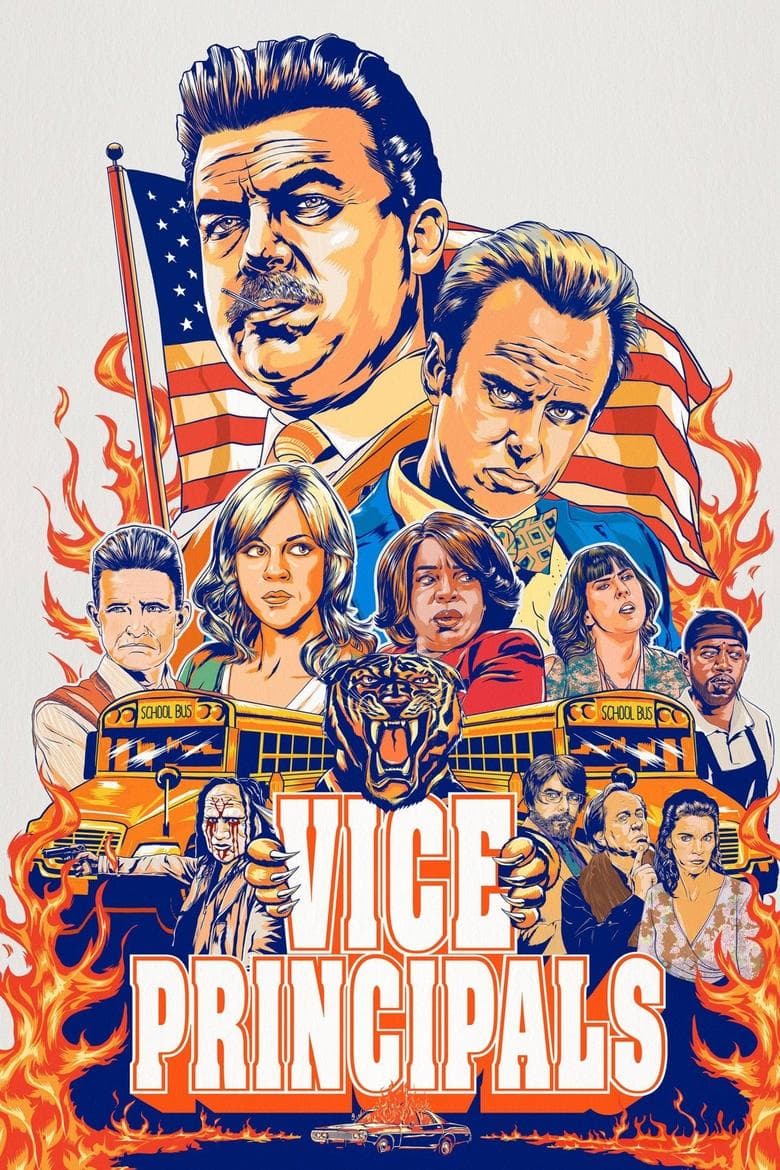
TV Show · 2016
After North Jackson High's long-time principal steps down to tend to his ailing wife, Neal Gamby and Lee Russell, the school's vice principals, are forced to put their mutual…
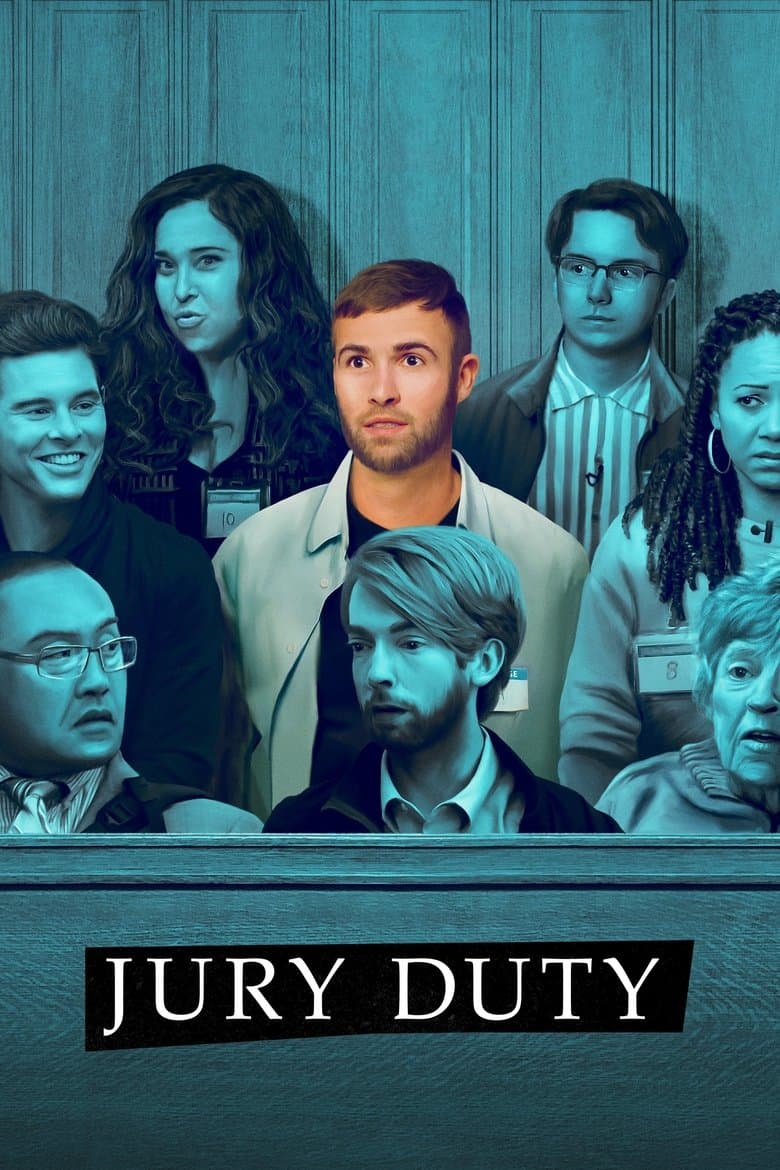
TV Show · 2023
The inner workings of an American jury trial through the eyes of one particular juror, Ronald Gladden. Gladden is unaware the entire case is fake, everyone except him is an actor…
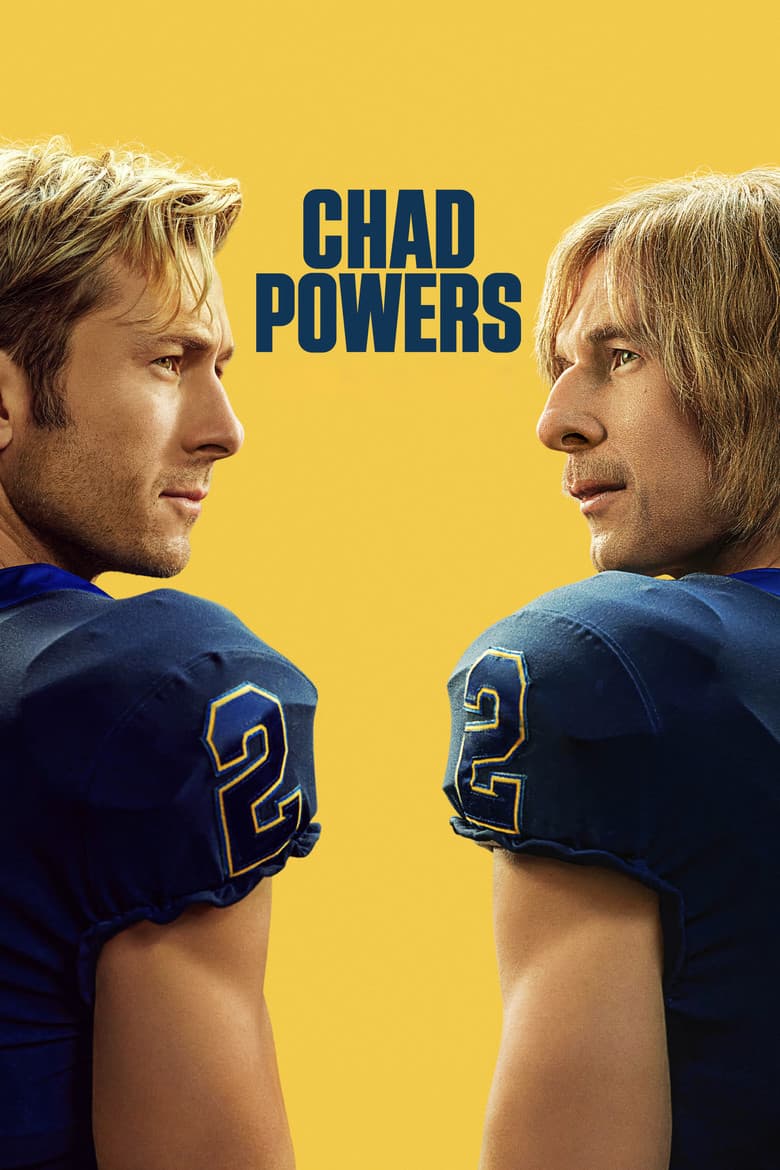
TV Show · 2025
Eight years after an unforgivable mistake nukes his promising college football career, hotshot quarterback Russ Holliday tries to resurrect his dreams by disguising himself as…

TV Show · 2016
Jeremy Clarkson, Richard Hammond and James May are back with a show about adventure, excitement and friendship...
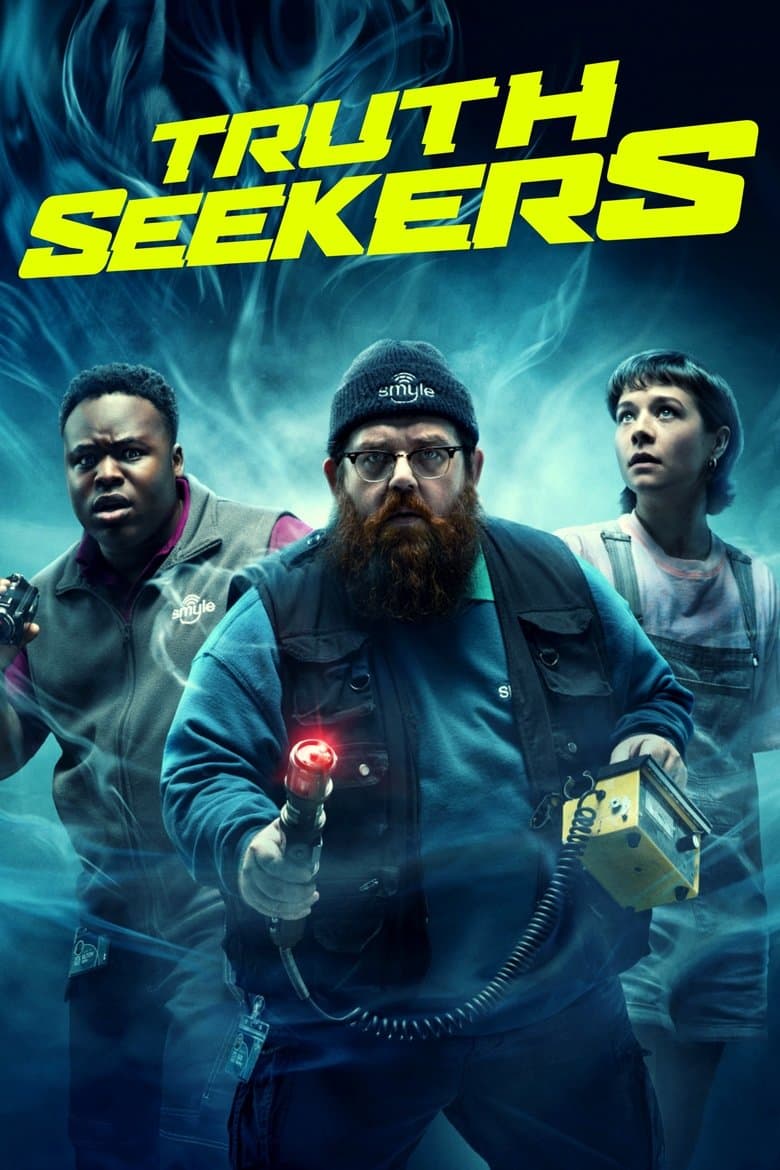
TV Show · 2020
A ghost-hunting duo team up to uncover and film paranormal sightings across the U.K. and share their adventures on an online channel.
