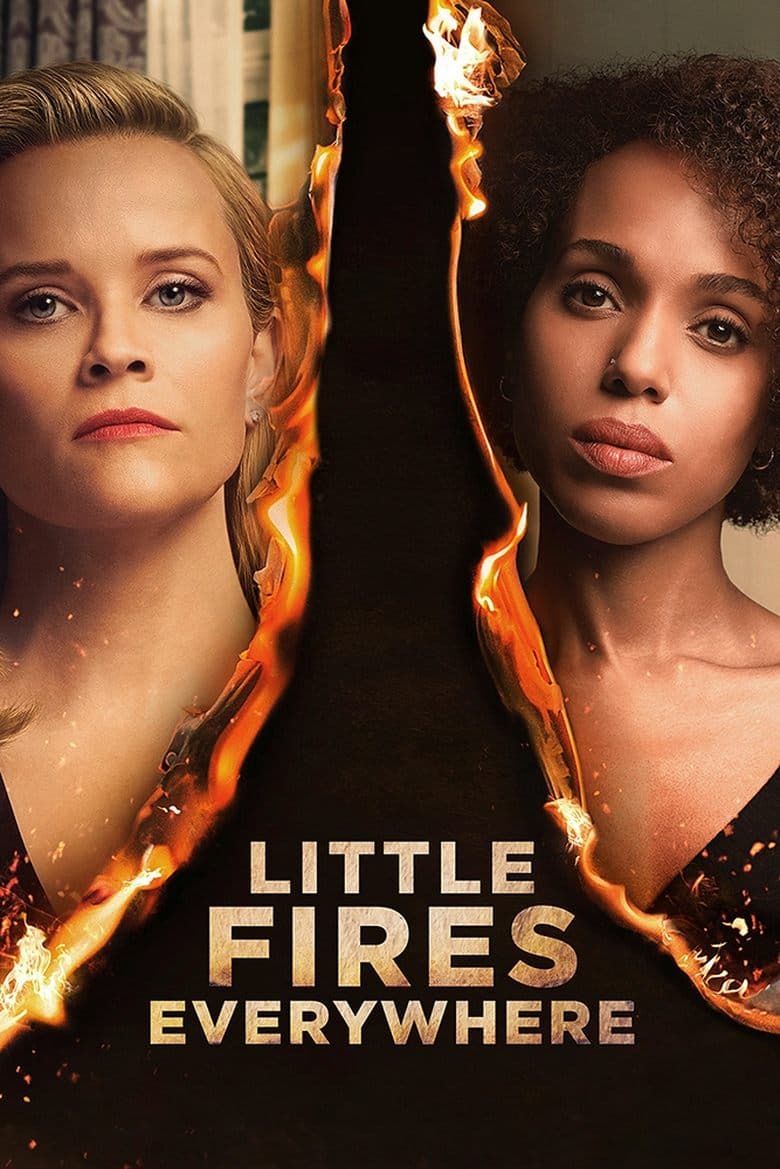
Started March 18, 2020 · Ended · Based on 1 season, 8 episodes through April 22, 2020 · TV-MA
Little Fires Everywhere is a 2020 Hulu miniseries based on Celeste Ng's novel. It follows the picture-perfect Richardson family in a planned Ohio suburb and the arrival of itinerant artist Mia Warren and her daughter Pearl, whose presence unravels secrets and forces confrontations over motherhood, class, and race. A key plot centers on a custody battle between a poor Chinese immigrant mother and a wealthy white adoptive couple. The adaptation casts black actresses as the central Warren characters, adds an explicit queer storyline for a white teen, and structures much of the narrative around visible critiques of white privilege, suburban conformity, and "good" motherhood defined by rules versus instinct.
Community feedback
Was our 88% Woke rating accurate?
Breakdown
These are the editorial factors and ratings behind our score for Little Fires Everywhere.
Woke representation / casting
The series deliberately cast black actress Kerry Washington as Mia Warren and Lexi Underwood as Pearl, a publicly discussed change from the book's unspecified race to heighten racial dynamics and perspectives. It features prominent Asian-American character Bebe Chow in the custody battle and adds an explicit queer storyline and identity struggles for teen Izzy Richardson, making identity visible in key roles and arcs.
65%
Woke political dialogue
Scenes include direct confrontations over race, white privilege, class, and motherhood "choices," such as Elena's snooping and investigation framed as entitlement, arguments in the Bebe case, dinner-table clashes, and Mia's responses highlighting systemic barriers versus individual rules. Some reviews described the delivery as on-the-nose or heavy-handed.
55%
Identity-driven story themes
The narrative centers motherhood, secrets, art, and identity through explicit lenses of race, class, and privilege, including the interracial family collision, custody battle over a Chinese baby, Mia's class-crossing surrogate backstory, and suburban conformity versus authenticity. The adaptation adds and foregrounds Izzy's queer coming-of-age arc as a core element of otherness and connection.
70%
Western institutional / cultural critique
It critiques the planned, rule-bound Shaker Heights suburb as a facade of progressive perfection that enforces conformity, masks white privilege, and stifles authenticity. The adoption/custody system is shown favoring wealthy white parents over a poor immigrant mother, with Elena embodying liberal white hypocrisy and control. It challenges "following the rules" as an illusion that averts disaster and questions traditional motherhood and family norms.
50%
Woke character or canon changes
Major changes include re-casting Mia and Pearl as black (framed by Ng and producers as intentional to add black perspectives on race and adoption that the author felt she could not write herself in the novel) and expanding Izzy with an explicit lesbian/queer arc, bullying, and sexuality struggles absent or far less prominent in the source material. These were tied to representation and deepening social themes.
60%
Anti-woke backlash and complaints
Debate focused mainly on book-to-show differences, with some readers objecting to the amplified race focus via Mia's casting and a perceived shift away from pure motherhood themes. Social media showed strong progressive praise for the privilege portrayals; prominent right-leaning or anti-woke complaints framing the title as activist or identity-driven propaganda were limited or fringe rather than widespread.
20%
Creator track record context
Author Celeste Ng has a body of work centered on race, class, privilege, and identity in American suburbs. Showrunner Liz Tigelaar (bisexual, politics degree) emphasized gender/race/class amplification with an all-female room. Writers include Attica Locke (racial themes), Raamla Mohamed and Shannon Houston (black writers with credits on race-centered projects like Scandal and Lovecraft Country), plus casting input from David Rubin who has discussed diversity beyond script descriptions.
60%
Production
TV Show · 2021
Follow the Dutton family as they embark on a journey west through the Great Plains toward the last bastion of untamed America.
TV Show · 2021
Inspired by the true story of Marty and the therapist who turned his life around...then took it over. When he first meets Dr. Ike, Marty just wants to get better at boundaries.
TV Show · 2024
In Japan in the year 1600, at the dawn of a century-defining civil war, Lord Yoshii Toranaga is fighting for his life as his enemies on the Council of Regents unite against him…
TV Show · 2024
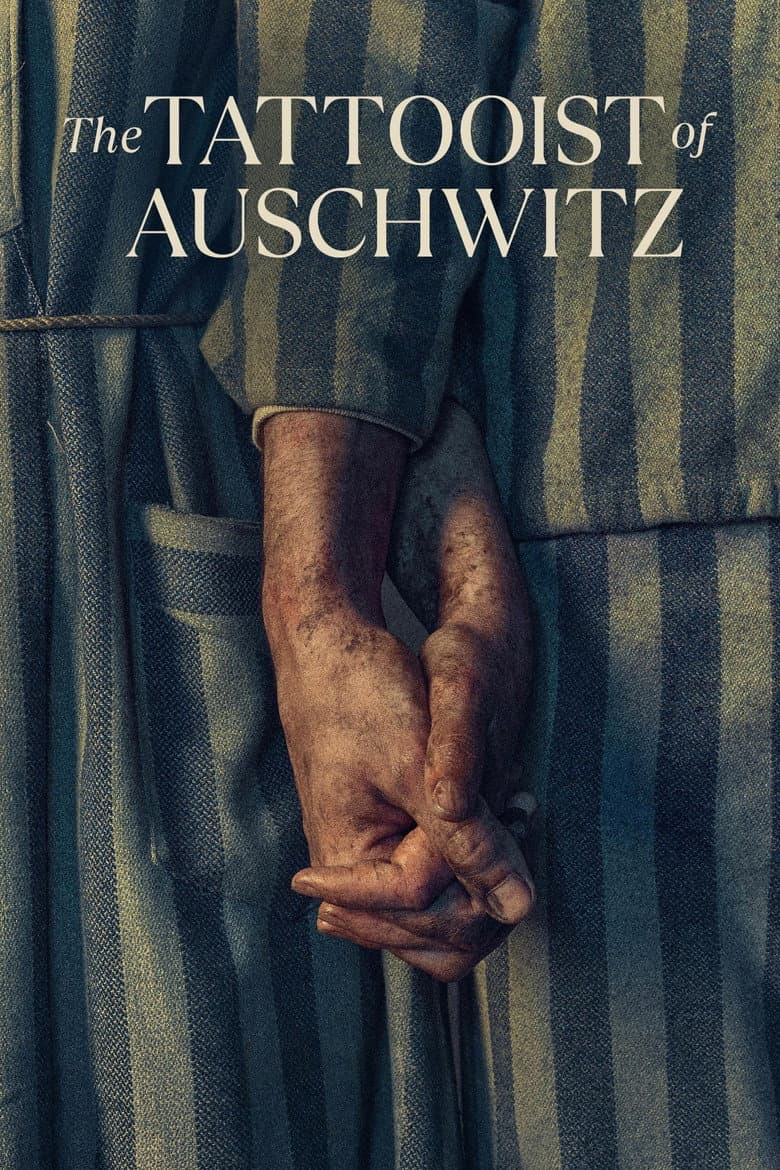
The powerful real-life story of Lali Sokolov, a Jewish prisoner who was tasked with tattooing ID numbers on prisoners' arms in the Auschwitz-Birkenau concentration camp during…
TV Show · 2019
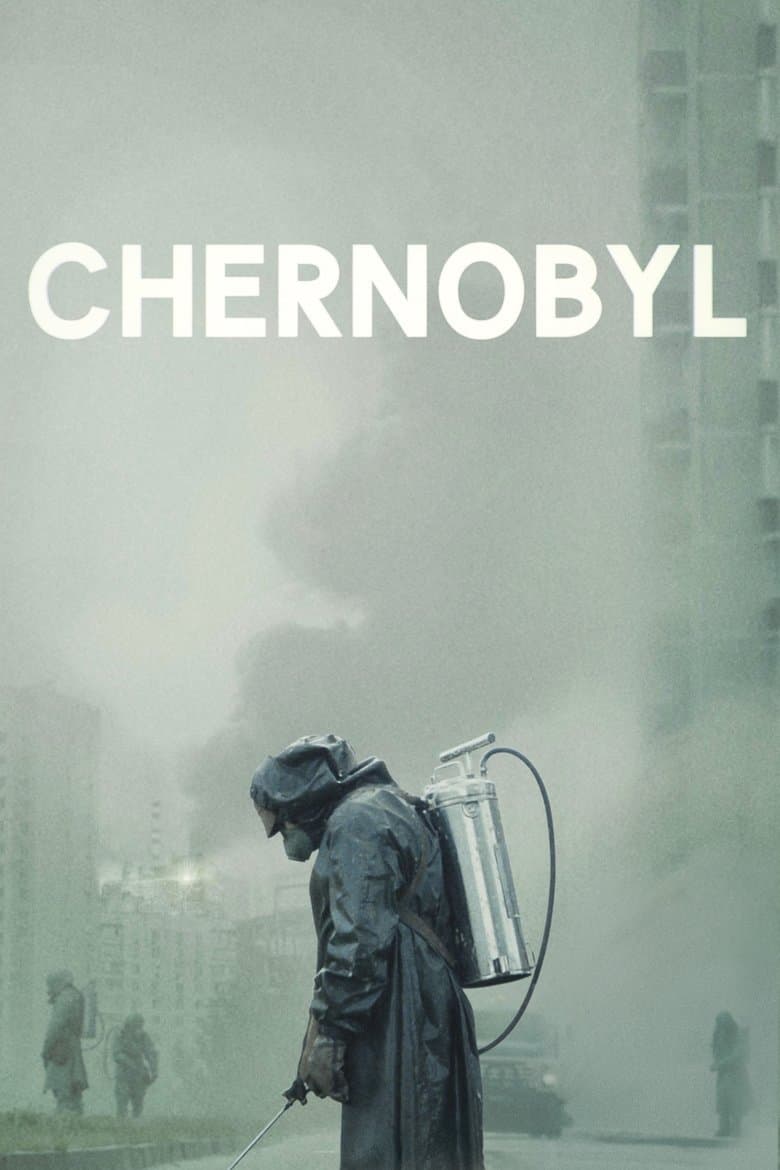
The true story of one of the worst man-made catastrophes in history: the catastrophic nuclear accident at Chernobyl.
TV Show · 2024
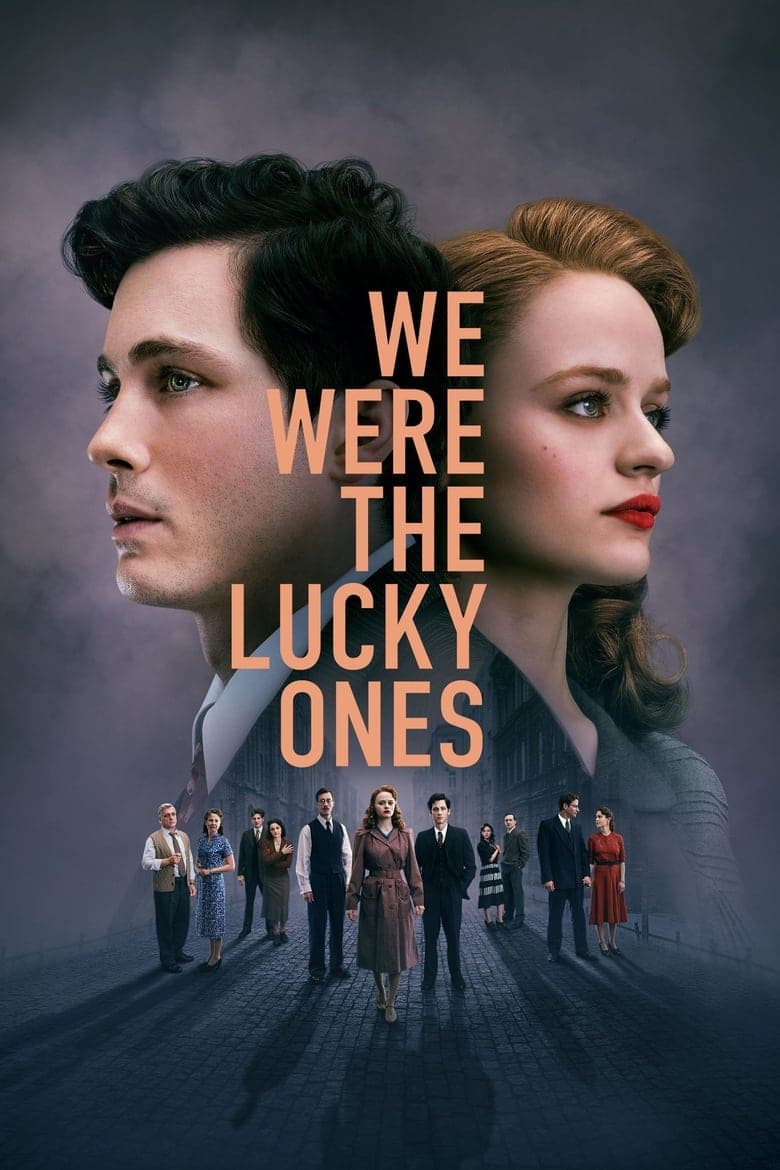
The true story of one Jewish family separated at the start of World War II, determined to survive—and to reunite.

TV Show · 2024
Fascinated by cars since childhood, Brazilian racer Ayrton Senna became a sports legend — until tragedy struck, changing Formula 1 forever.
TV Show · 2019
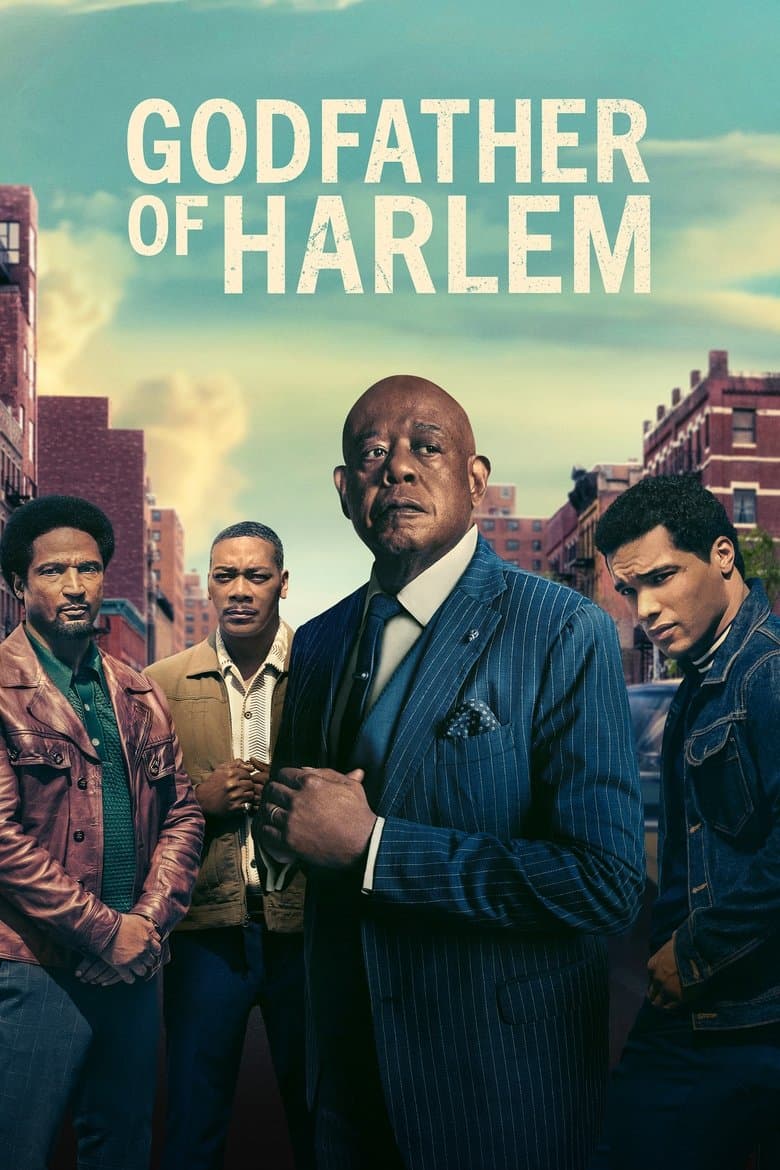
Loosely based on infamous crime boss Bumpy Johnson, who in the early 1960s returned from ten years in prison to find the neighborhood he once ruled in shambles.
