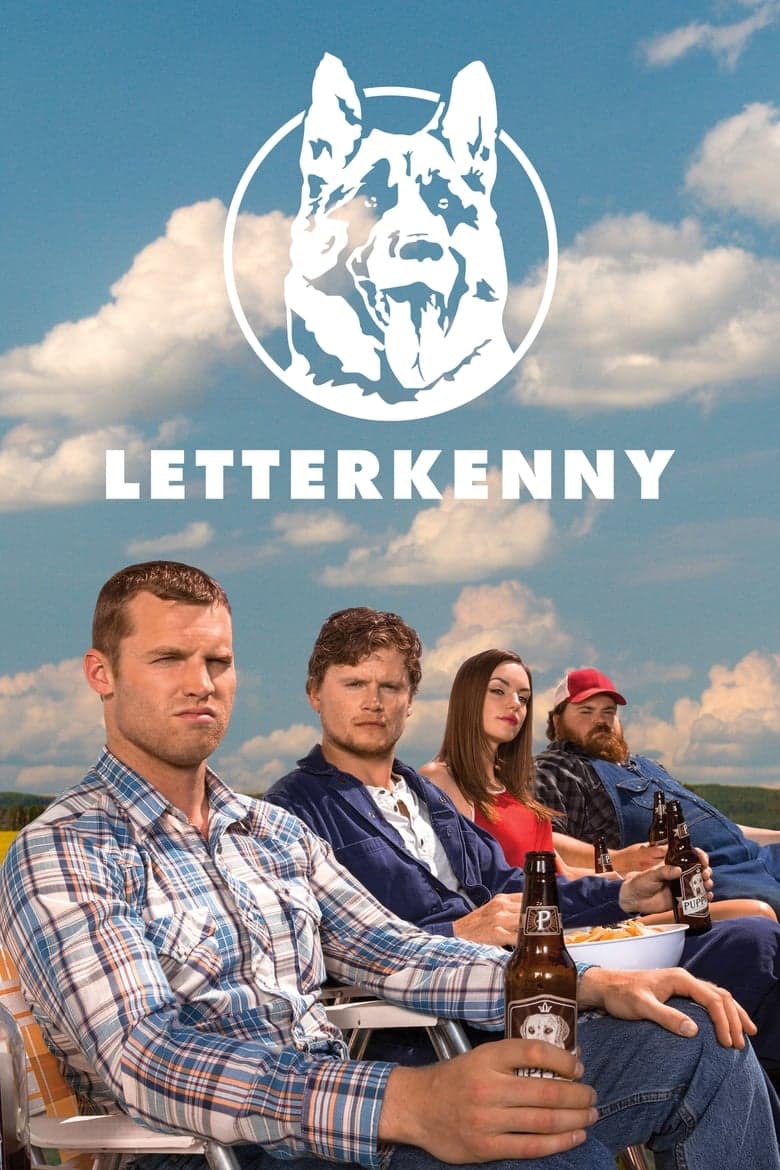
Started February 7, 2016 · Based on 12 seasons, 75 episodes · TV-MA
Letterkenny is a long-running rural comedy set on a farm in Ontario. Siblings Wayne and Katy run a farm and produce stand with Daryl and Squirrely Dan. The show follows crude banter, slang fights, and feuds among farm folks, skids, hockey players, First Nations residents, Mennonites, and other local groups. The main story engine is farm trouble, donnybrooks, and wordplay rather than a pure social-justice plot. The series ran for twelve seasons and ended in 2023.
Viewers still see clear progressive elements across the full run. A large queer recurring group includes pansexual or bi Katy, gay Roald, gay couple Ron and Dax, heavily implied closeted minister Glen, bi Tanis, and other fluid characters, and their lives are treated as normal. Dialogue often includes women's studies jokes, anti-homophobia bits, and small-town talk that mocks bigotry. Season five's Hard Right Jay frames alt-right politics as the enemy the whole town unites to thrash. Progressive tolerance, especially queer normalization, is a structural moral default even while rural toughness and crude humor remain.
Community feedback
Was our 55% Woke rating accurate?
Breakdown
These are the editorial factors and ratings behind our score for Letterkenny.
Woke representation / casting
The core Hicks and most hockey bros fit a rural Ontario white cast, which alone is not woke. The ensemble still puts identity on screen in clear ways. Gail is a black bartender, Tanis leads the First Nations group with collaborative Indigenous casting that fits a nearby reserve, and a large queer recurring slate includes Katy, Roald, Ron and Dax, Glen, Tanis, and others. That pattern is progressive casting with queer roles weighted heavily, not a one-of-each friend-group quota.
44%
Woke political dialogue
Most talk is slang, chirps, and crude banter rather than lectures every episode. Progressive lines still return and stick. Squirrely Dan cites women's studies and Professor Tricia, including homophobia lessons, and characters trade social-issues talk as a joke that small-town people are not dumb bigots. Hard Right Jay gives open anti-alt-right and anti-intolerance talk plus a town-wide beatdown. Viewers who track politics will notice it, but it is not wall-to-wall activist scripting.
42%
Identity-driven story themes
The main engine is still farm problems, fights, and language comedy, not pure social-justice plotting. Queer positivity and total social tolerance still run through the whole series as structure. Katy is queer without a coming-out arc, Roald's gay life is ordinary Skid life, Ron and Dax bond and wed with the hockey bros, Glen's closeted-preacher bits play as comedy, and acceptance is the default moral line. LGBTQ volume raises the score, but identity is ensemble texture rather than the series premise.
55%
Western institutional / cultural critique
The progressive stance on institutions and culture is soft but real. Hard Right Jay frames tiki-torch and alt-right politics as the enemy the whole town unites to thrash. Closed-mindedness is mocked and poly, swinger, and queer sexual norms are treated as normal. Christianity shows up mainly as comedy through poorly closeted preacher Glen. Wayne stays a traditional male farm hero, rural life is celebrated, and fights and crude Sally insults remain, so the critique is anti-intolerance rather than anti-whiteness, anti-capitalism, or colonial-guilt thesis.
38%
Woke character or canon changes
Not relevant. Original property from YouTube to Crave with no identity-driven rewrite of established characters, canon, or historical figures.
0%
Anti-woke backlash and complaints
There was no major mainstream campaign calling the show too woke, DEI, or a gay agenda. Some fringe online noise claims a rural show was made progressive, but that is not a sustained culture-war fight. Some conservative-leaning fans still like it for the humor. The anti-woke complaint record stays thin and non-defining.
10%
Creator track record context
Cached scores put Keeso at 7 as primary writer and star with rural Listowel authenticity and no activist record. Tierney sits at 41 as queer co-creator and director of essentially all episodes with later Heated Rivalry work. Casting scores include Jenny Lewis at 30 and Sara Kay at 13, with other directors and producers around 6 to 7. The overall package is a low activist track record with a moderate Tierney queer imprint, not a DEI activist shop.
22%
Production
TV Show · 2023
The inner workings of an American jury trial through the eyes of one particular juror, Ronald Gladden. Gladden is unaware the entire case is fake, everyone except him is an actor…
TV Show · 2020
A ghost-hunting duo team up to uncover and film paranormal sightings across the U.K. and share their adventures on an online channel.
TV Show · 2020
David Tennant and Michael Sheen (playing themselves) were due to star in a production of 'Six Characters in Search of an Author' in the West End.
TV Show · 2019
There is no such thing as an ordinary interaction in this offbeat sketch comedy series that features a deep roster of guest stars.
TV Show · 2016
After North Jackson High's long-time principal steps down to tend to his ailing wife, Neal Gamby and Lee Russell, the school's vice principals, are forced to put their mutual…
TV Show · 2025
Eight years after an unforgivable mistake nukes his promising college football career, hotshot quarterback Russ Holliday tries to resurrect his dreams by disguising himself as…
TV Show · 2016
In his funky California beach enclave, Chip's the go-to guy for personal insights. But he isn't quite as enlightened when it comes to his own baggage.
TV Show · 2017
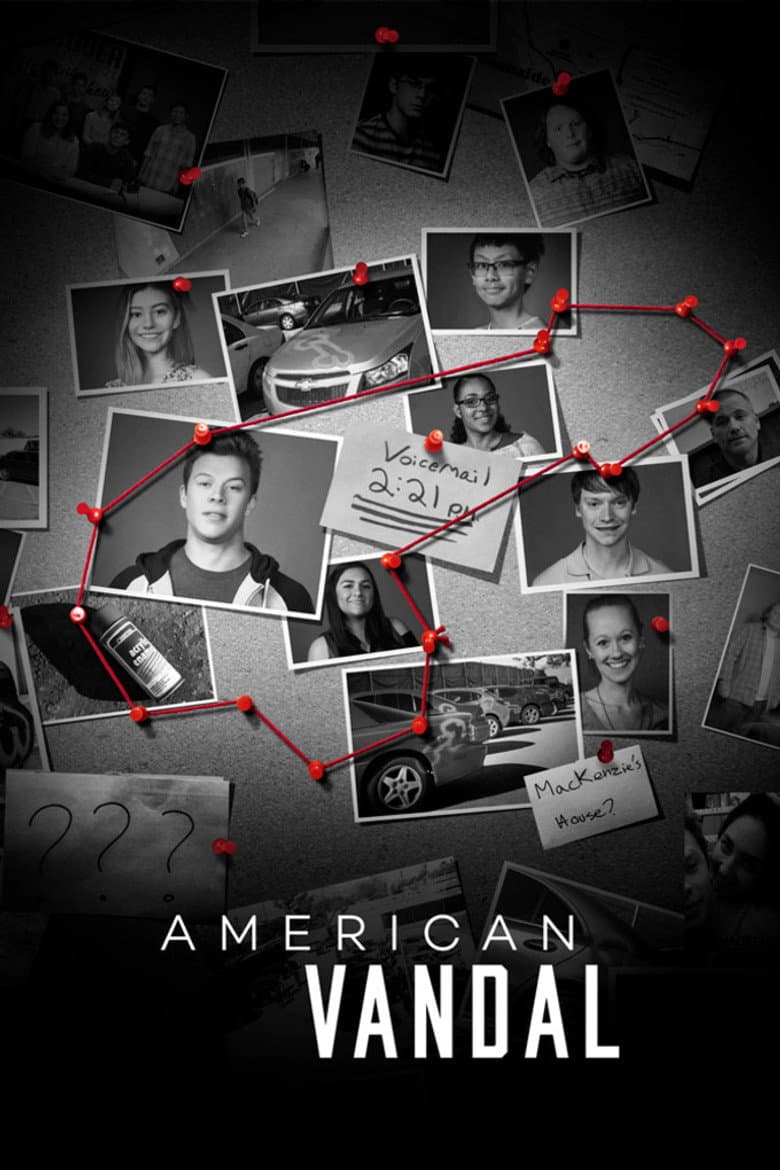
In the wake of their first documentary's success, Peter and Sam seek a new case and settle on a stomach-churning mystery at a Washington high school.
