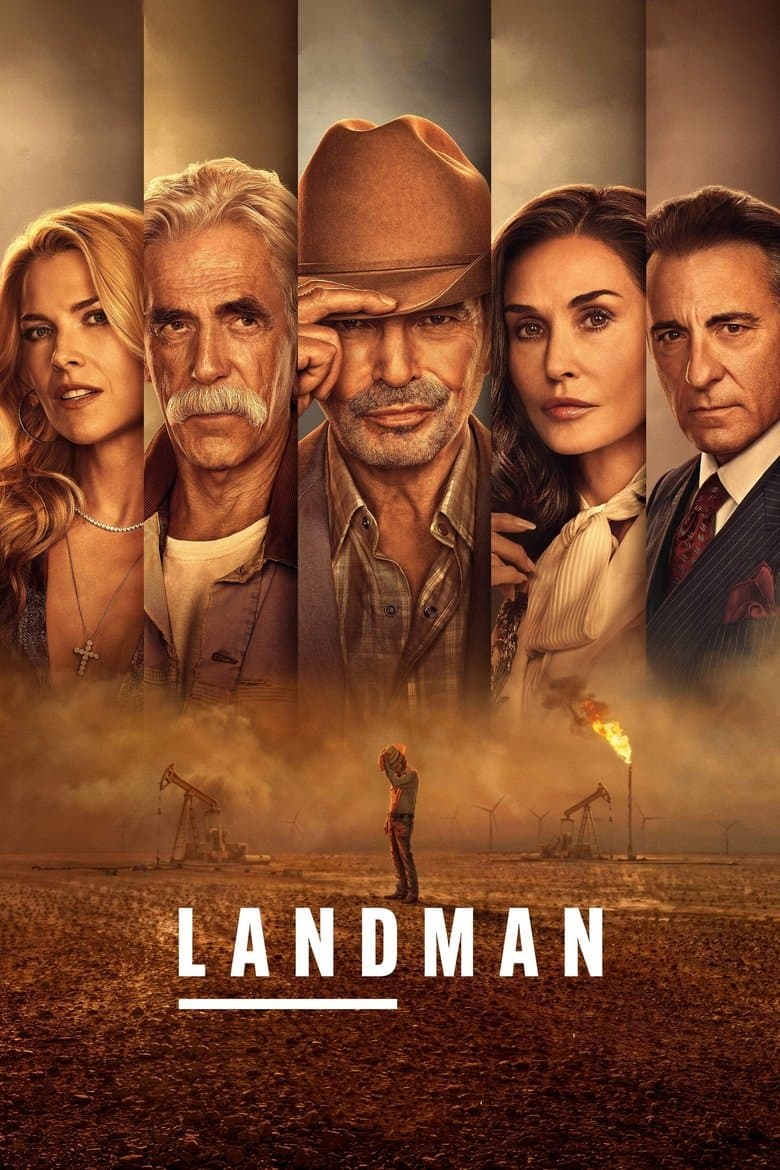
Started November 17, 2024 · Returning Series · Based on 2 seasons, 20 episodes through January 18, 2026 · TV-MA
Landman is a TV show about oil work in modern West Texas. The story follows oil boom times, family chaos, cartel danger, and people chasing fortune. The main focus is the oil industry and the rough lives around it. Early seasons center on oil jobs, family trouble, and crime risk. The series is not built as a story about identity politics as its core idea.
Late in Season 2, a college storyline brings in a non-binary roommate named Paigyn. The show first treats campus pronoun talk and safe-space rules as satire of college identity culture. Later it partly humanizes Paigyn when they help Ainsley and Ainsley defends them from anti-LGBTQ bullying. Most of the show still defends oil work and pushes back on green-energy talking points and campus identity lines. That LGBTQ material is real and easy for viewers to see, but it stays a secondary subplot rather than the series premise.
Community feedback
Was our 24% Woke rating accurate?
Breakdown
These are the editorial factors and ratings behind our score for Landman.
Woke representation / casting
The West Texas oil world includes Hispanic workers, a black crew boss, and a Latina love interest in a natural way. Strong women like Cami and attorney Rebecca fit the business story, not a quota checklist. The clearest identity casting is late Season 2 non-binary roommate Paigyn, played by a non-binary actor. That is real LGBTQ casting, but it is not the main casting pattern of the show.
18%
Woke political dialogue
Most lead talk defends oil work, working-class blunt speech, and pushback on campus identity ideas. Ainsley’s pronoun lines are a clear example of that pushback. A few progressive lines appear from Rebecca on green energy and from Paigyn on pronouns and safe spaces. Those lines act as targets or sparring partners, not as the show’s main moral message.
10%
Identity-driven story themes
The main story is oil boom life, family chaos, cartel risk, and money. Late Season 2 adds a college subplot with a non-binary roommate, pronouns, and safe spaces that viewers can clearly see. That arc starts as satire of campus identity culture and later partly humanizes Paigyn. Confirmed LGBTQ content raises the weight, but it remains a side plot, not the series premise.
25%
Western institutional / cultural critique
The show does not sell modern activist frames about toxic men, systemic whiteness, colonial guilt, or patriarchy as the villain. It often does the reverse by defending oil systems and mocking green orthodoxy and campus identity rituals. Left critics fault oil propaganda and weak women writing, which is not proof of woke institutional critique. Any residual score is only for thin foil material, not a series theme.
0%
Woke character or canon changes
Not relevant. Adapted from the Boomtown podcast and oil-world setting with no identity-driven rewrites of established fictional canon or historical figures.
0%
Anti-woke backlash and complaints
Most culture-war noise praises the anti-woke oil monologues and the pronoun scene. Some Reddit and TikTok users said Season 2 went woke over the non-binary college material. Jack Posobiec warned the show might turn subversive, and some fans first called the roommate arc woke then softened after seeing how it played. This is thin real complaint noise, not a mass backlash that paints the show as DEI propaganda.
15%
Creator track record context
Key creatives on file score low on woke track record, with Sheridan around 8 and other leads in a similar low range. Sheridan’s public brand and this show’s viral politics lean anti-woke and traditional. The series is not framed as activist DEI output.
8%
Production
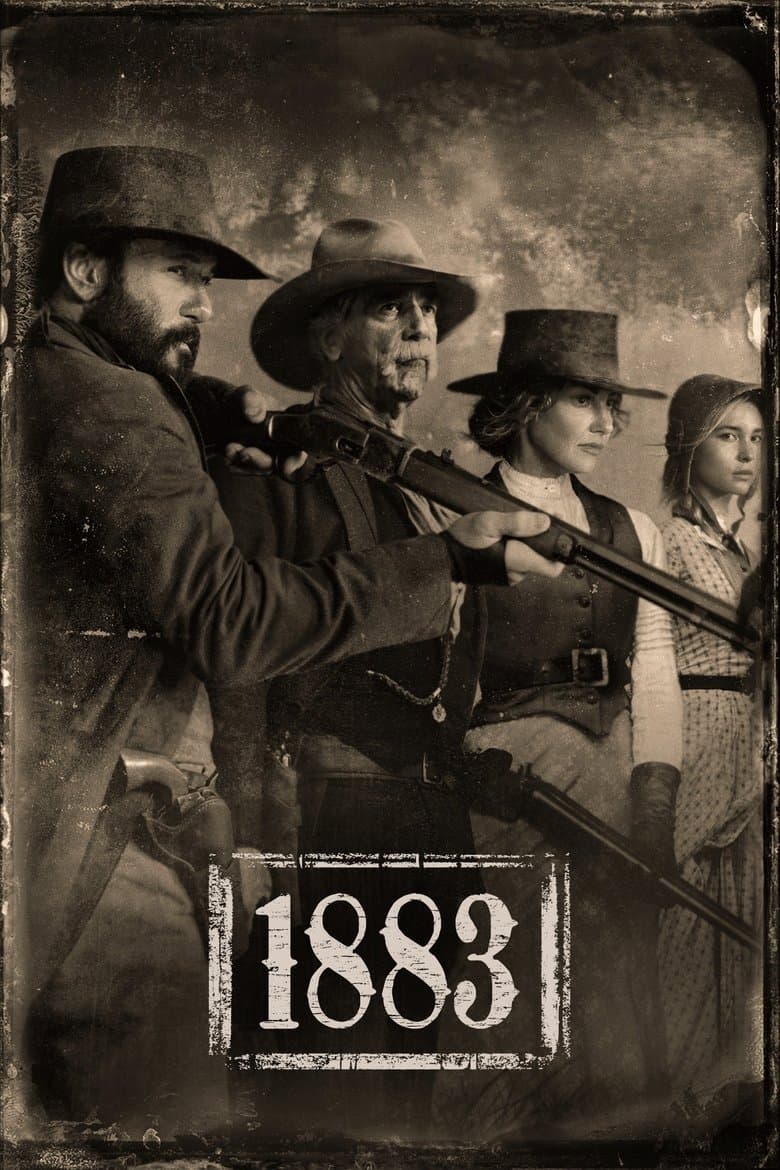
TV Show · 2021
Follow the Dutton family as they embark on a journey west through the Great Plains toward the last bastion of untamed America.

TV Show · 2024
Fascinated by cars since childhood, Brazilian racer Ayrton Senna became a sports legend — until tragedy struck, changing Formula 1 forever.
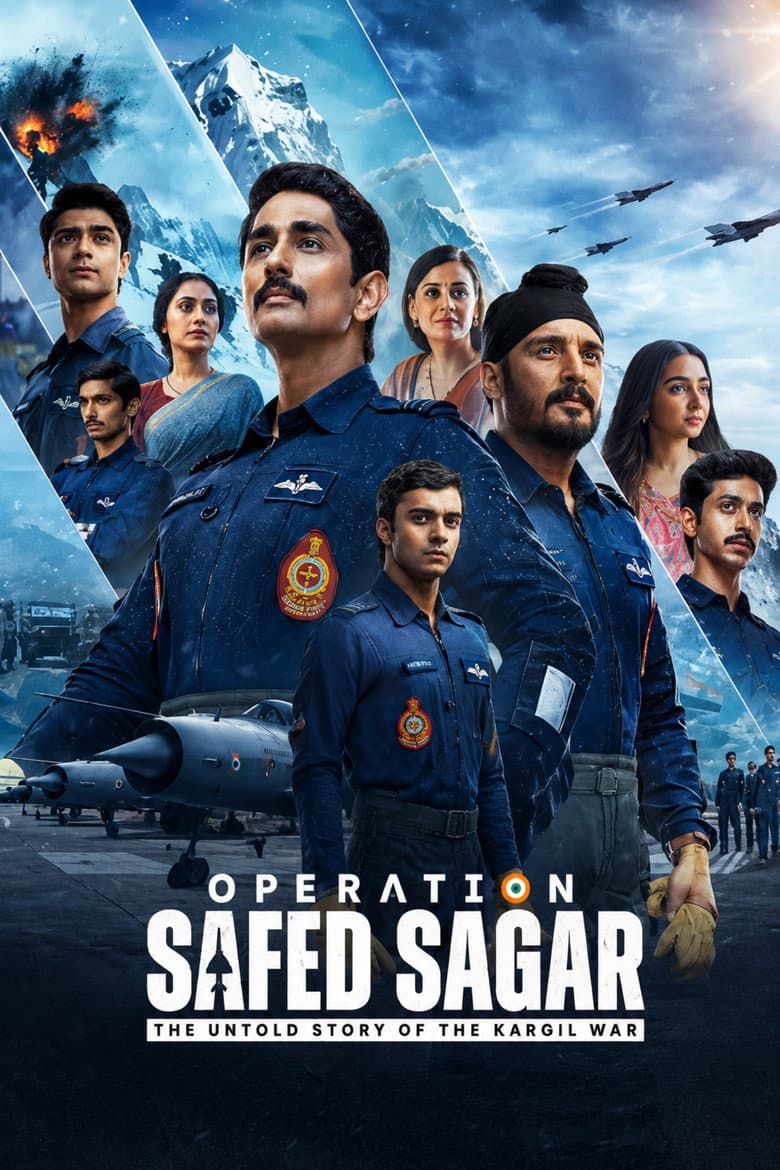
TV Show · 2026
As the Kargil War erupts between India and Pakistan, the Golden Arrows squadron of the Air Force takes flight on a dangerous mission behind enemy lines.
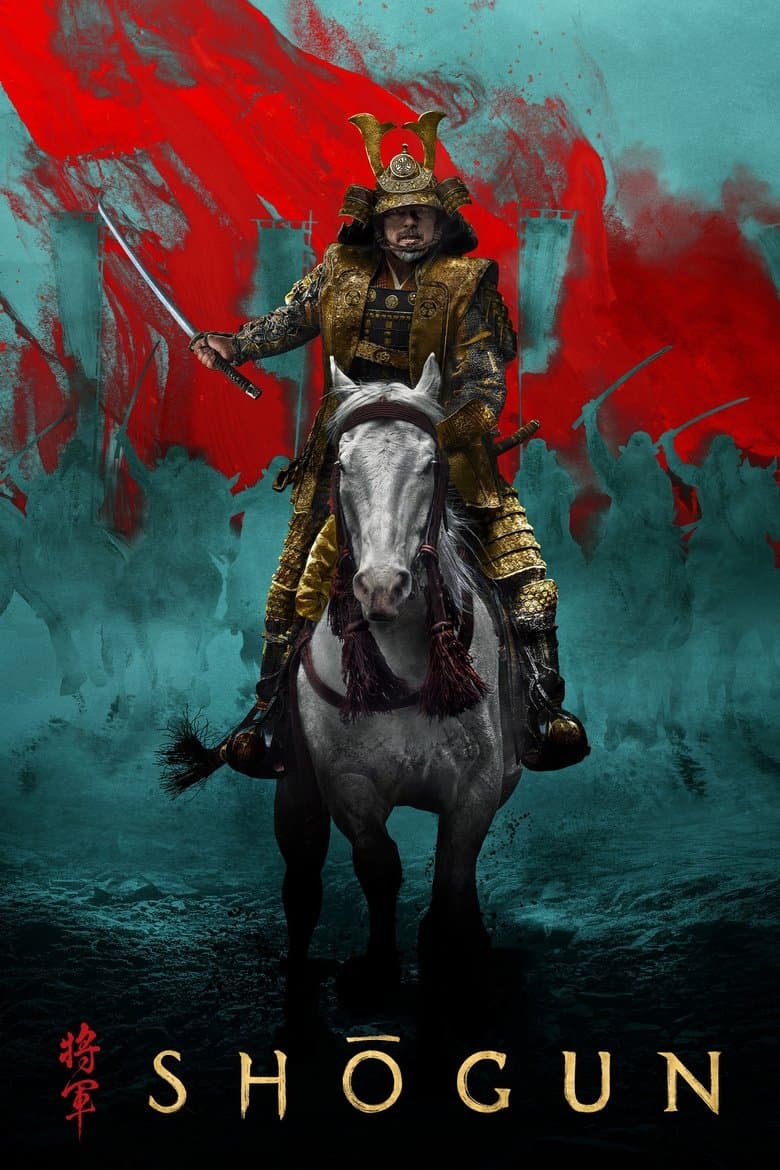
TV Show · 2024
In Japan in the year 1600, at the dawn of a century-defining civil war, Lord Yoshii Toranaga is fighting for his life as his enemies on the Council of Regents unite against him…
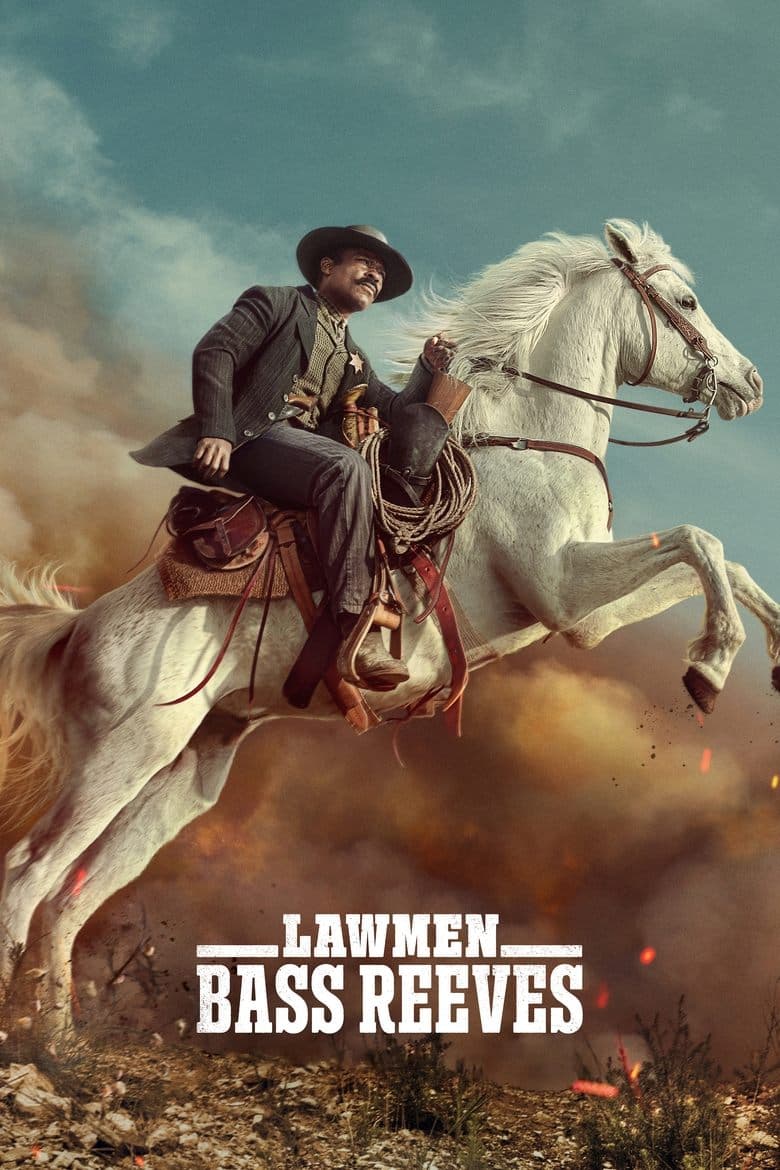
TV Show · 2023
The story of Bass Reeves, the legendary lawman of the wild West, is brought to life. Reeves worked in the post-Reconstruction era as a federal peace officer in the Indian…
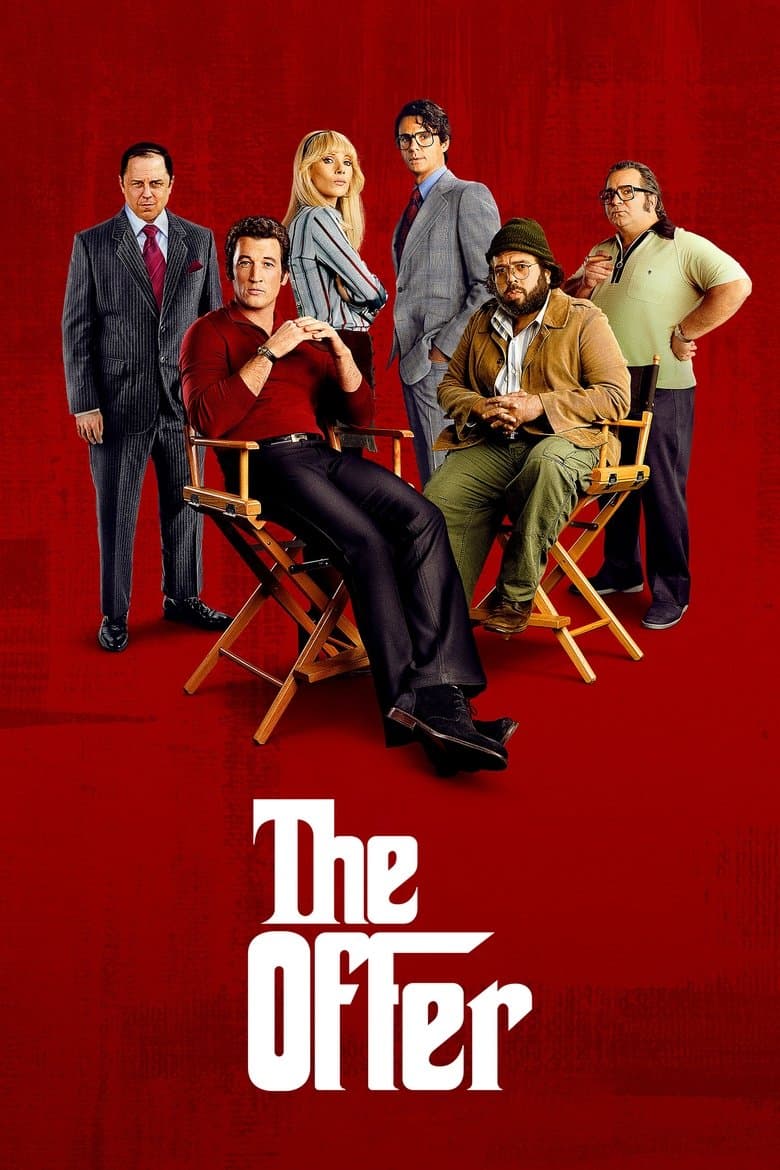
TV Show · 2022
Oscar-winning producer Al Ruddy’s never before revealed experiences of making the iconic 1972 film The Godfather that Francis Ford Coppola directed and adapted with Mario Puzo.
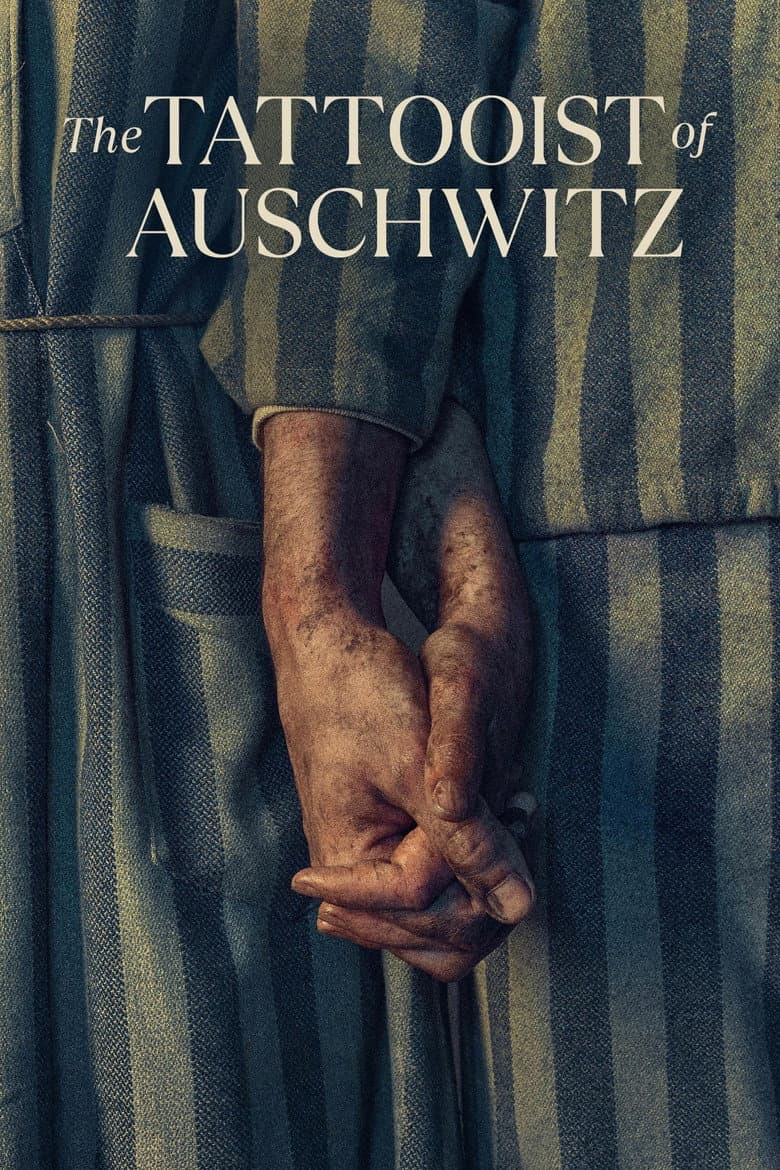
TV Show · 2024
The powerful real-life story of Lali Sokolov, a Jewish prisoner who was tasked with tattooing ID numbers on prisoners' arms in the Auschwitz-Birkenau concentration camp during…

TV Show · 2016
The love story of young Countess Natasha Rostova and Count Pierre Bezukhov is interwoven with the Great Patriotic War of 1812 against Napoleon's invading army.
