TV Show review
Kids · Sci-Fi · Fantasy · Animation · Action · Adventure · Family
Started January 14, 2020 · Ended · Based on 3 seasons, 30 episodes through October 12, 2020 · TV-Y7 · 24 min
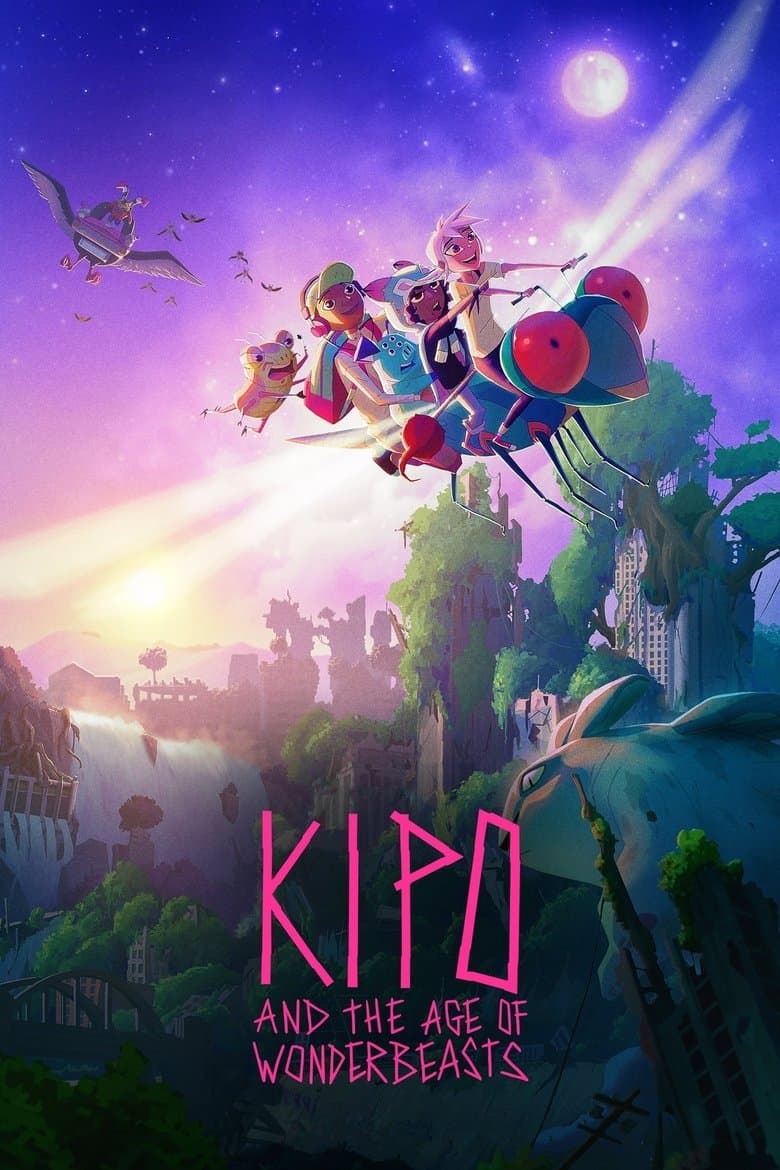
Kipo and the Age of Wonderbeasts is a colorful, fast-paced animated series set in a post-apocalyptic 23rd-century Los Angeles. The story follows Kipo Oak, a young girl who gets separated from her father when her underground home is attacked. Forced onto the surface, Kipo must traverse a dangerous world ruled by mutated, talking animals called mutes. She teams up with a tough survivalist named Wolf and an upbeat boy named Benson to find her father and build peace between humans and mutants. Viewers will easily notice the show's heavy emphasis on progressive identity themes. The series features explicit LGBTQ+ representation, most notably through Benson, who openly tells Kipo he is gay and dates a boy named Troy. It also includes a non-binary character named Asher who uses they/them pronouns. The narrative also uses the conflict between humans and mutes as a proxy for race relations and systemic segregation, making its modern social-justice themes very prominent.
Community feedback
Was our 92% Woke rating accurate?
Breakdown
These are the editorial factors and ratings behind our score for Kipo and the Age of Wonderbeasts.
Woke representation / casting
The show features an overwhelmingly diverse voice cast, and the main characters are primarily BIPOC. Crucially, the series incorporates explicit LGBTQ+ representation, featuring a prominent gay teen character (Benson) who openly says the word "gay" on screen and has a romantic relationship with a boy (Troy). It also features a non-binary character (Asher) voiced by a non-binary actor. The casting and identity signaling are front and center, heavily exceeding standard background diversity.
85%
Woke political dialogue
While the dialogue is not overly preachy or filled with modern activist jargon, it explicitly breaks traditional kid-show boundaries by having a character verbally declare "I'm gay" and using they/them pronouns for non-binary characters. This is highly visible and direct verbal signaling.
45%
Identity-driven story themes
The narrative focuses heavily on themes of marginalized identity, inclusion, and systemic division (the conflict between humans and mutated "mutes" serves as a proxy for race relations and segregation). Additionally, queer identity is a major thematic element, with Benson's gay romance treated with normalization and prominent focus.
75%
Western institutional / cultural critique
The show features standard anti-fascist and anti-xenophobic plots (embodied by Dr. Emilia wanting to cleanse the mutes to restore human dominance). However, it mostly steers clear of systemic critiques of Western capitalism or Christianity, focusing instead on universal themes of unity and harmony, though it presents a highly progressive view of family and relationships.
30%
Woke character or canon changes
In the transition from Radford Sechrist's original 2015 webcomic, several characters underwent explicit identity-driven changes. Benson was changed from a middle-aged white man to a gay black teenager. Wolf was redesigned from a racially ambiguous character to a black girl. The main character Kipo was also re-envisioned to be canonically biracial (black/Korean), departing from her original design.
70%
Anti-woke backlash and complaints
There is a noticeable but mostly specialized backlash from conservative parents and family-focused advocacy groups who object to the explicit introduction of LGBTQ+ themes (such as a teenager declaring 'I'm gay' and dating another boy) in a TV-Y7 rated cartoon. Some parent review platforms and rating boards flagged the show for pushing gender and sexual identity politics onto young children. However, the show's general audience and critical reception were highly positive, so the backlash remained relatively confined compared to major franchise releases.
35%
Creator track record context
Creators Bill Wolkoff and Radford Sechrist have an established track record of advocating for progressive representation and LGBTQ+ visibility in animation. They are joined by several writers, such as Taylor Orci, Joanna Lewis, and Kristine Songco, who frequently center queer and BIPOC narratives in their creative work.
60%
Production
TV Show · 2022
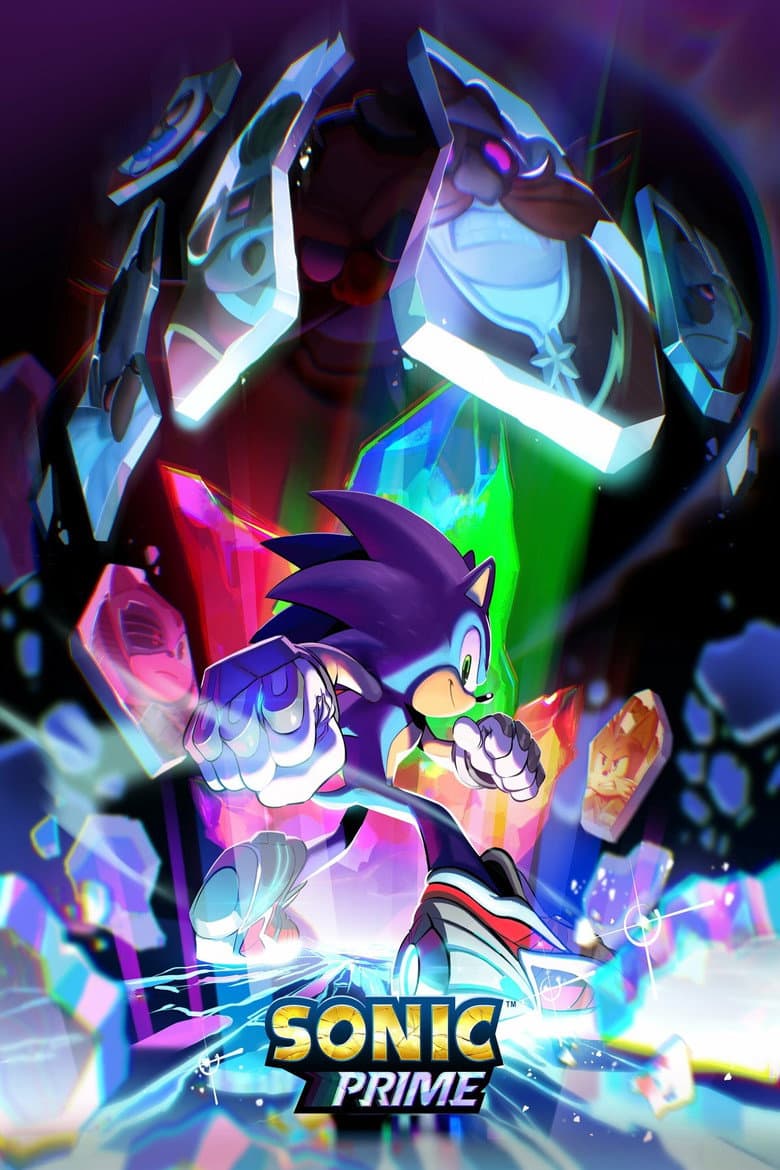
When an explosive battle with Dr. Eggman shatters the universe, Sonic races through parallel dimensions to reconnect with his friends and save the world.
TV Show · 2016
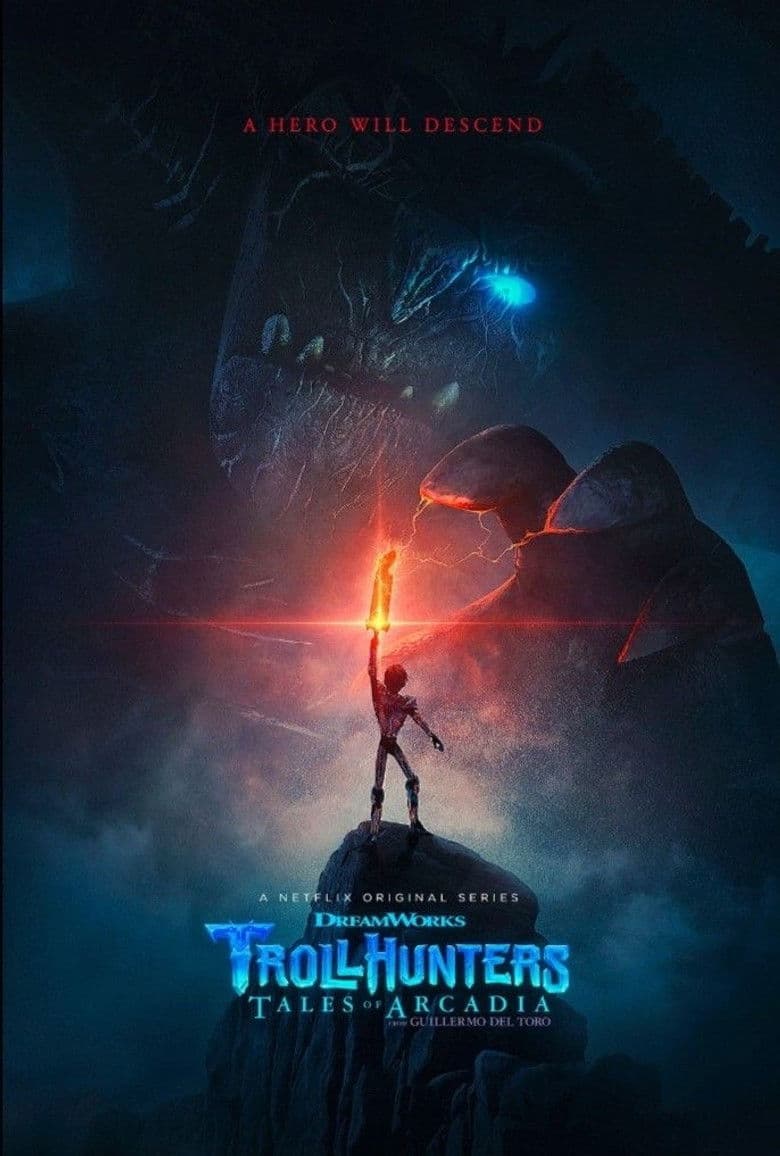
After uncovering a mysterious amulet, an average teen assumes an unlikely destiny and sets out to save two worlds.
TV Show · 2020
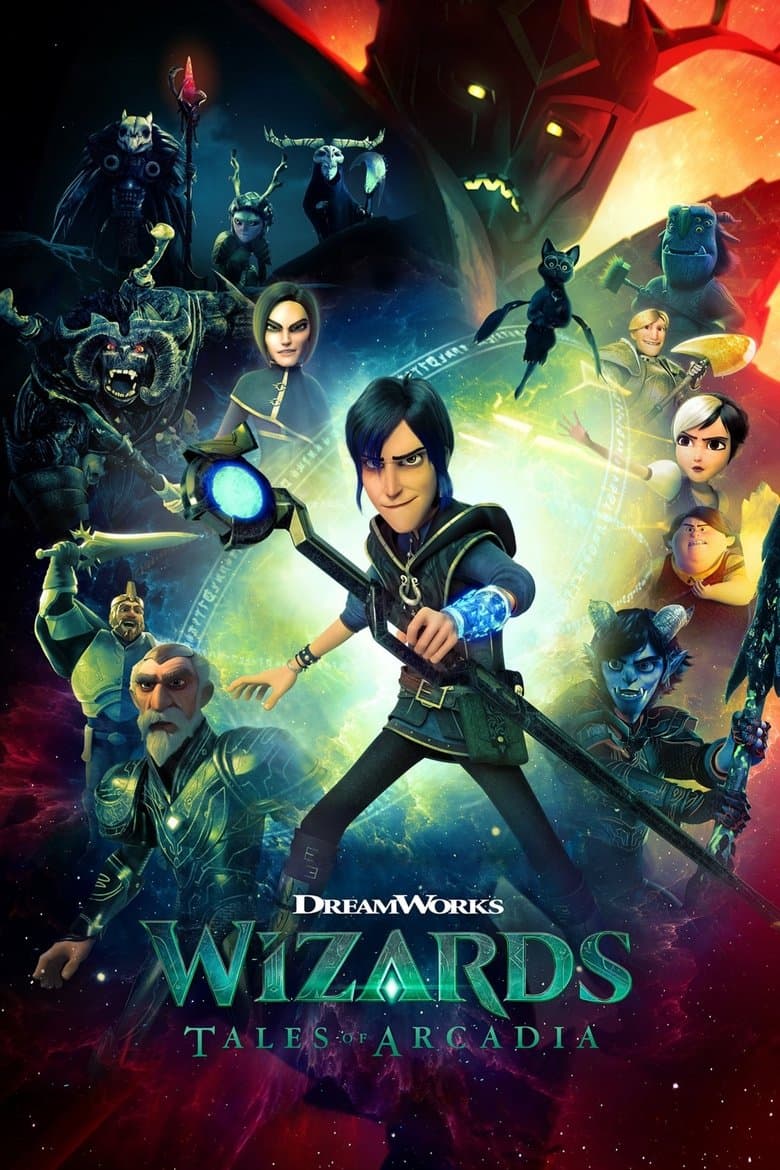
Merlin’s apprentice joins Arcadia’s heroes on a time-bending adventure in Camelot, where conflict is brewing between the human, troll and magical worlds.
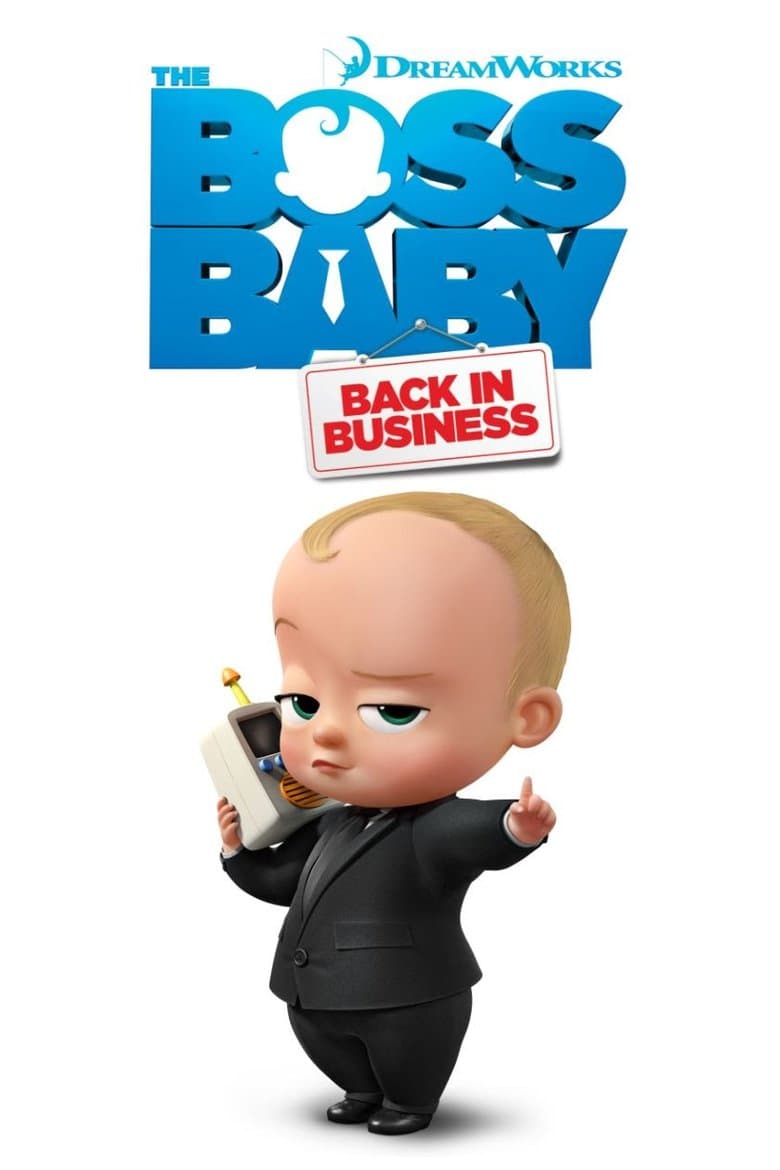
TV Show · 2018
The Boss Baby brings his big brother Tim to the office to teach him the art of business in this animated series sprung from the hit film.
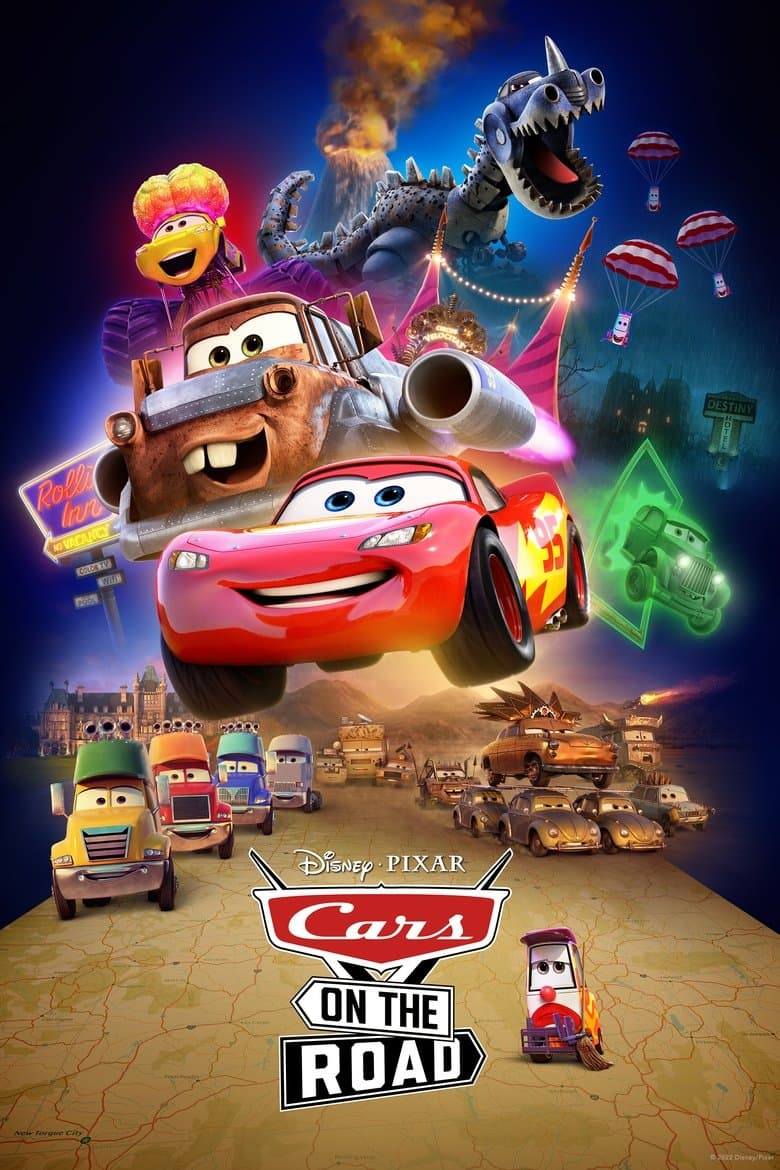
TV Show · 2022
Lightning McQueen and his best friend Mater head east from Radiator Springs on a cross-country road trip to meet up with Mater’s sister.
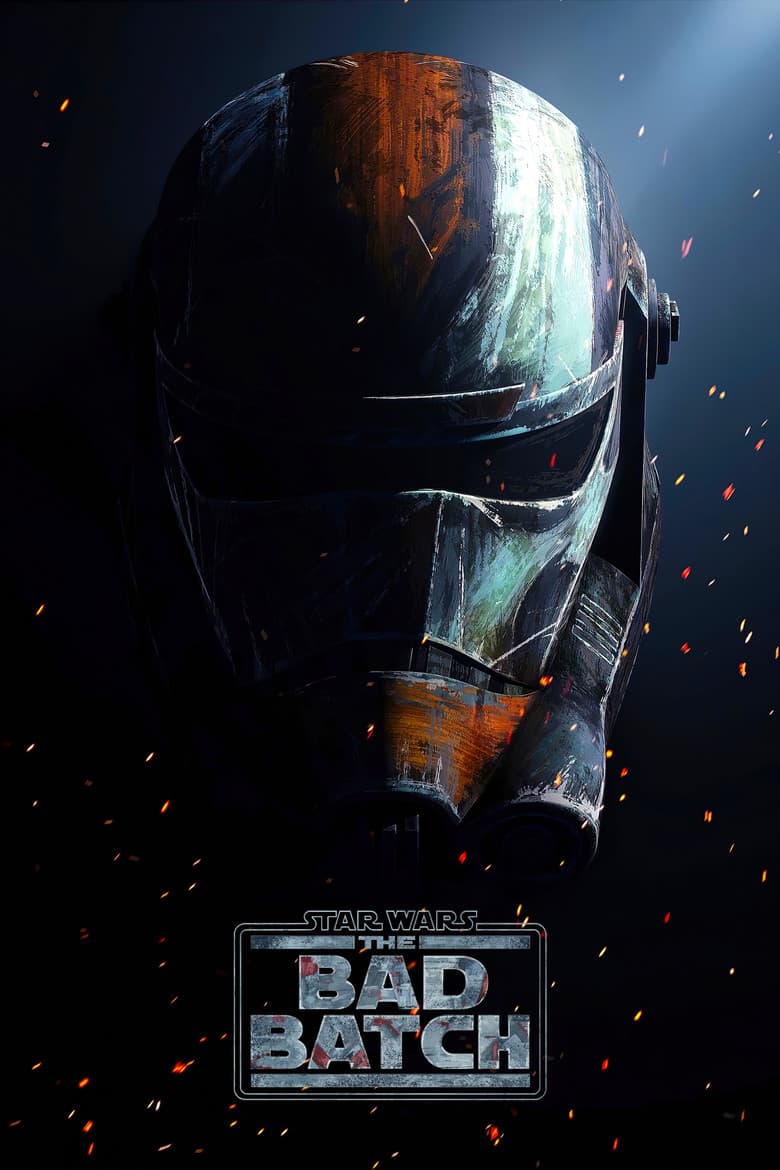
TV Show · 2021
The 'Bad Batch' of elite and experimental clones make their way through an ever-changing galaxy in the immediate aftermath of the Clone Wars.
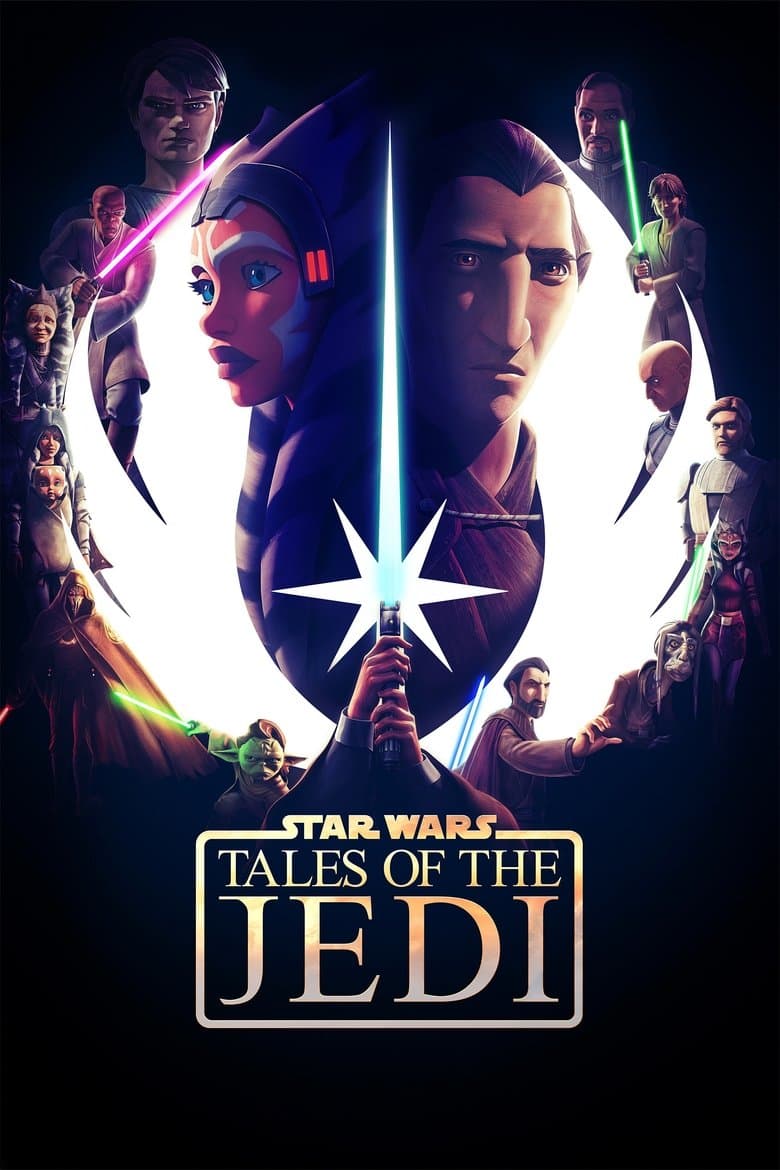
TV Show · 2022
Journey into the lives of two distinctly different Jedi from the prequel era – Ahsoka Tano and Count Dooku. Each will be put to the test as they make choices that will define…
TV Show · 2022
There's no guarding the galaxy from this mischievous toddler! Get ready as Baby Groot takes center stage in his very own collection of shorts, exploring his glory days growing up…
