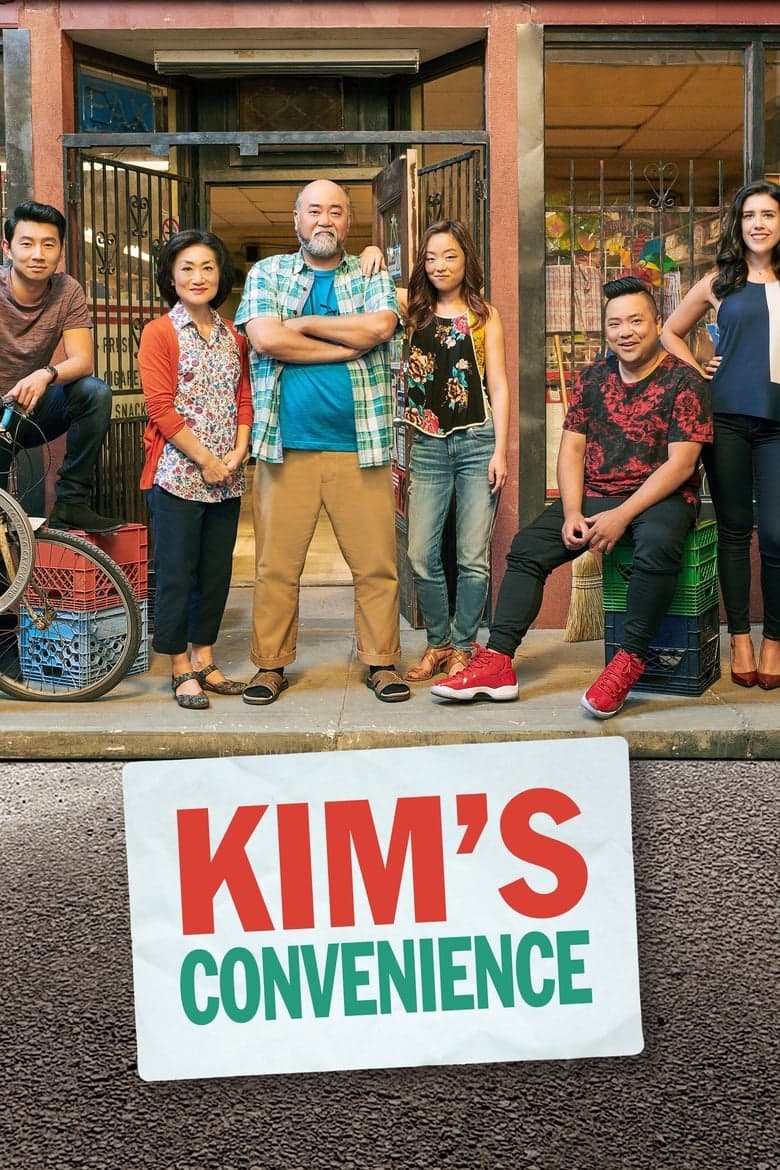
Started October 11, 2016 · Based on 5 seasons, 65 episodes · TV-14 · 22 min
Kim's Convenience is a heartfelt Korean-Canadian family sitcom. Appa and Umma Kim run a convenience store in Toronto's Moss Park area. Their adult children are Janet, an art student, and Jung, an estranged son who works at a car rental. The main story lines cover generational conflict, immigrant practicality versus second-generation life, and the slow repair of the father-son bond. It is a warm family comedy, not a political thriller or activist drama.
Viewers still see progressive inclusion across the run. The pilot includes a Pride sign and a gay discount story. Later seasons add clearer identity lessons, including gender-neutral pronouns and Janet's sexual fluidity, same-gender kiss, and coming-out talk with Appa. Gay customers and related warmth appear as well. Family and immigrant comedy stay at the center, but these LGBTQ and identity beats are clear and weigh more in later seasons. Many people still watch it as gentle comfort TV with soft Canadian multiculturalism rather than constant activism.
Community feedback
Was our 48% Woke rating accurate?
Breakdown
These are the editorial factors and ratings behind our score for Kim's Convenience.
Woke representation / casting
The Korean leads fit this immigrant family story in multicultural Toronto, so the ethnicity match itself is not the issue. The score rises because the show is framed as landmark Asian representation. A diverse supporting and customer mix often supports inclusive set pieces. Elevated LGBTQ presence includes Janet coded as fluid, nonbinary guest Evah, and gay customers.
34%
Woke political dialogue
The show returns to sitcom lesson beats with clear progressive social messaging. The pilot has the Pride sign, homophobia charge, and gay discount. Season 4 has the they/them customer and Janet correcting Appa. Race, white guilt, and identity quips also appear. This messaging shows up in several episodes but is not constant activist monologue.
46%
Identity-driven story themes
The spine remains family and immigrant comedy, not a pure identity thesis. Progressive identity arcs are still visible across the run and heavier late. LGBTQ acceptance, nonbinary pronoun education, and Janet's fluidity and same-gender kiss all count. Queer content is confirmed and weighted up, but it is not the whole series premise.
50%
Western institutional / cultural critique
Appa's blunt conservatism and discomfort with modern gender and sexuality are gently mocked and corrected toward progressive Canadian manners. The Korean church stays a warm community space for Umma rather than a sustained attack on Christianity. The tone mildly updates the old guard. It is not hard institutional or left-activist critique.
22%
Woke character or canon changes
Not relevant. Expanding Choi's play with characters like Shannon and workplace subplots reads as ordinary adaptation growth. It is not identity-driven race or gender swaps of established figures or history.
0%
Anti-woke backlash and complaints
Right-leaning "woke sitcom" sniping online is thin and scattered. There was no major sustained anti-woke campaign. The big 2021 fight was cast and crew saying the show was not culturally accurate enough and lacked Asian writers. That pro-representation complaint does not count as anti-woke backlash here.
8%
Creator track record context
Cached team scores cluster low, mostly around 8 to 15, with Renuka Jeyapalan at 21. Ins Choi around 15 frames authentic immigrant family comedy, not a career of hard identity-activist media. Directors and producers mostly have professional Canadian TV profiles without activist patterns.
14%
Production
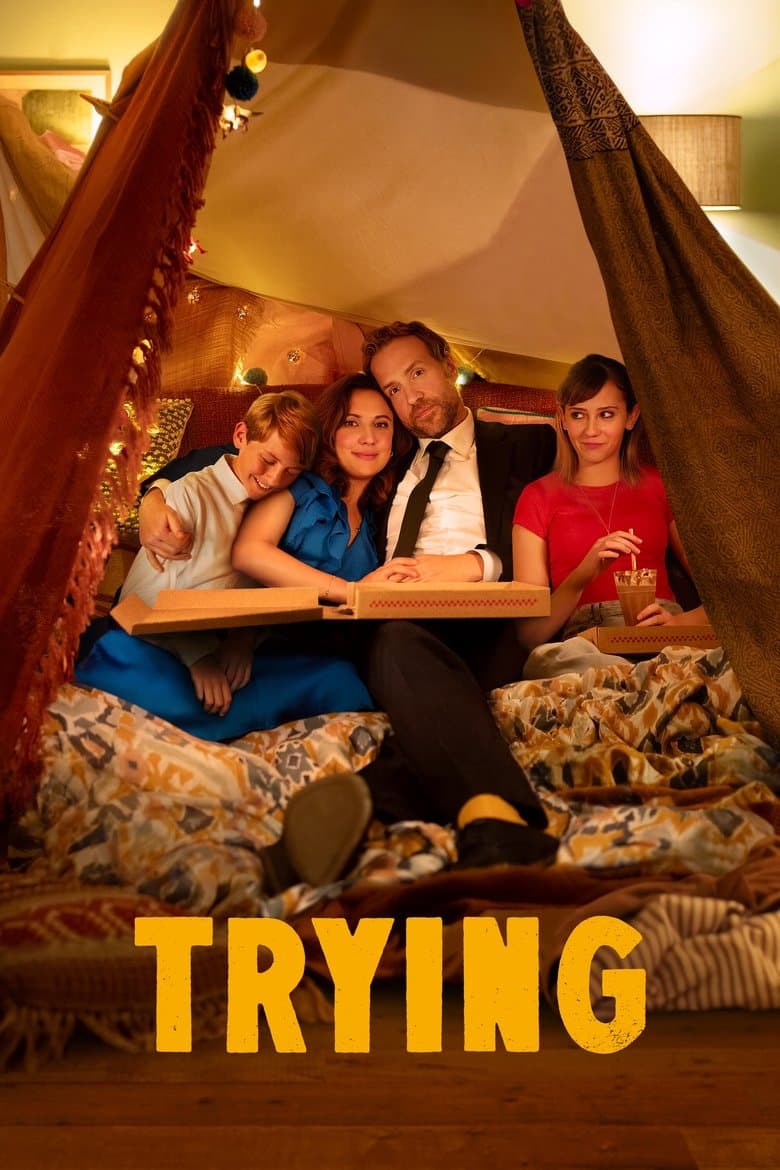
TV Show · 2020
All Nikki and Jason want is a baby—the one thing they can't have. So they decide to adopt. With their dysfunctional friends, screwball families, and chaotic lives, will the…

TV Show · 2016
Jeremy Clarkson, Richard Hammond and James May are back with a show about adventure, excitement and friendship...
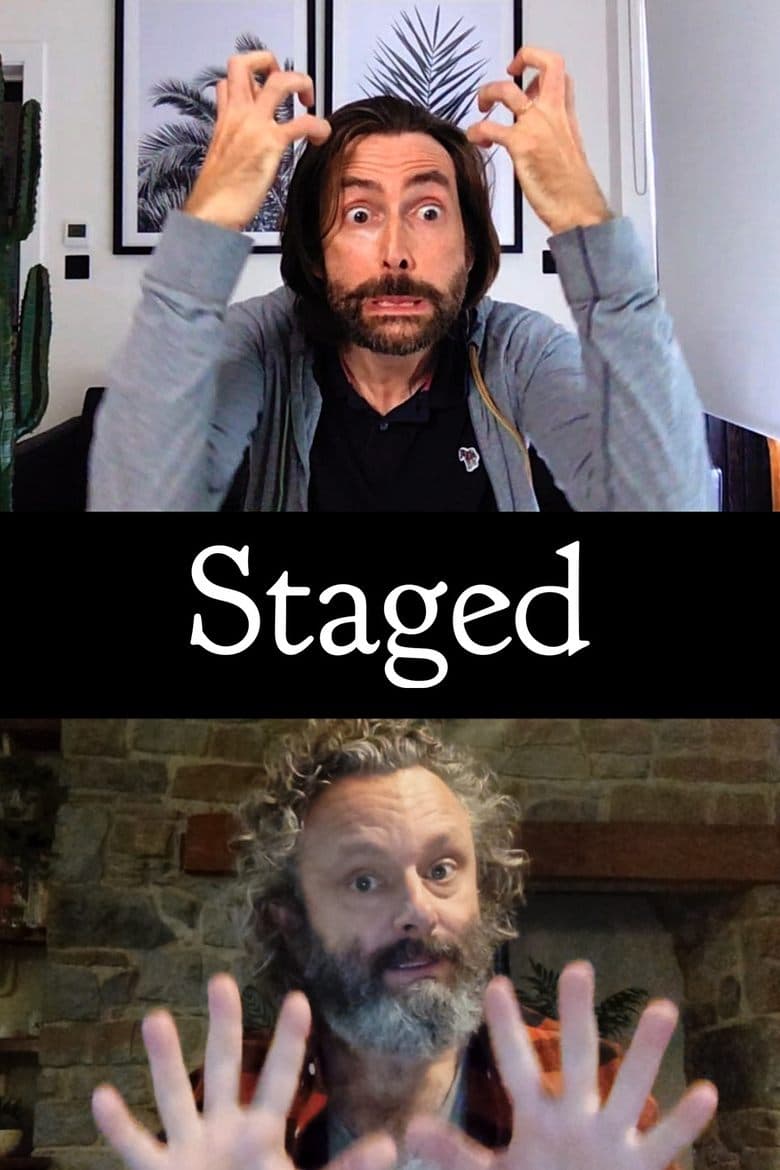
TV Show · 2020
David Tennant and Michael Sheen (playing themselves) were due to star in a production of 'Six Characters in Search of an Author' in the West End.
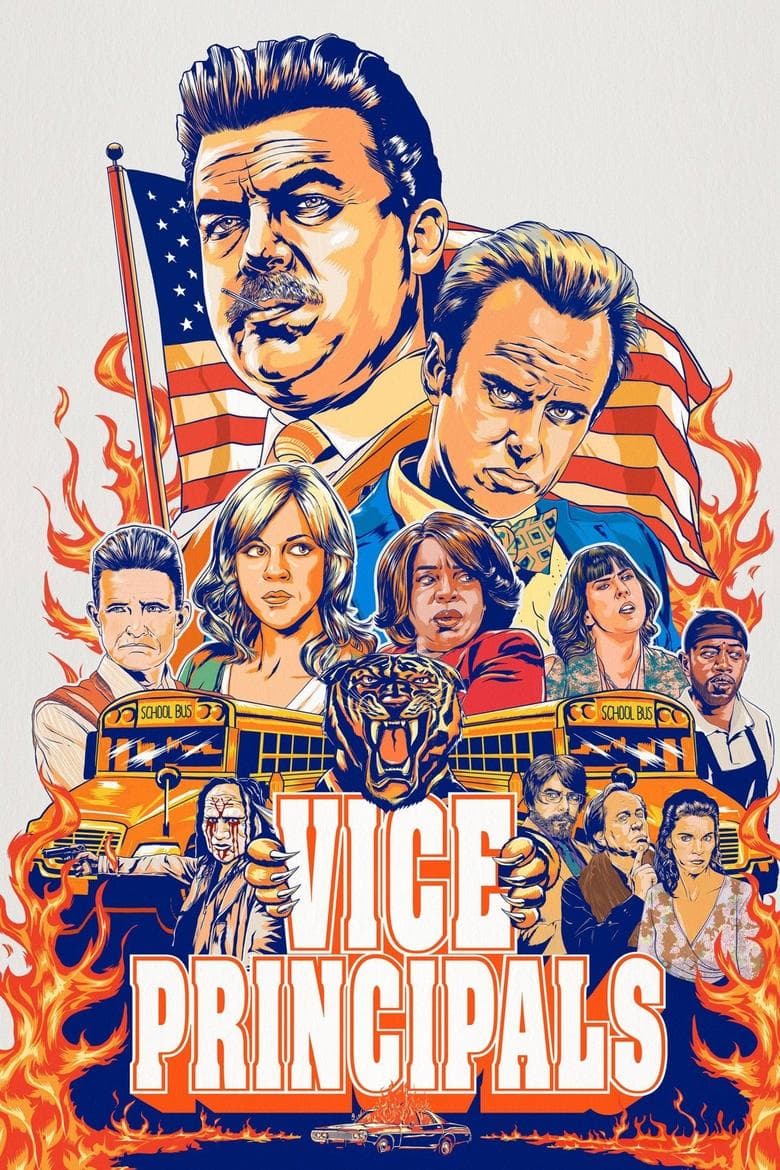
TV Show · 2016
After North Jackson High's long-time principal steps down to tend to his ailing wife, Neal Gamby and Lee Russell, the school's vice principals, are forced to put their mutual…
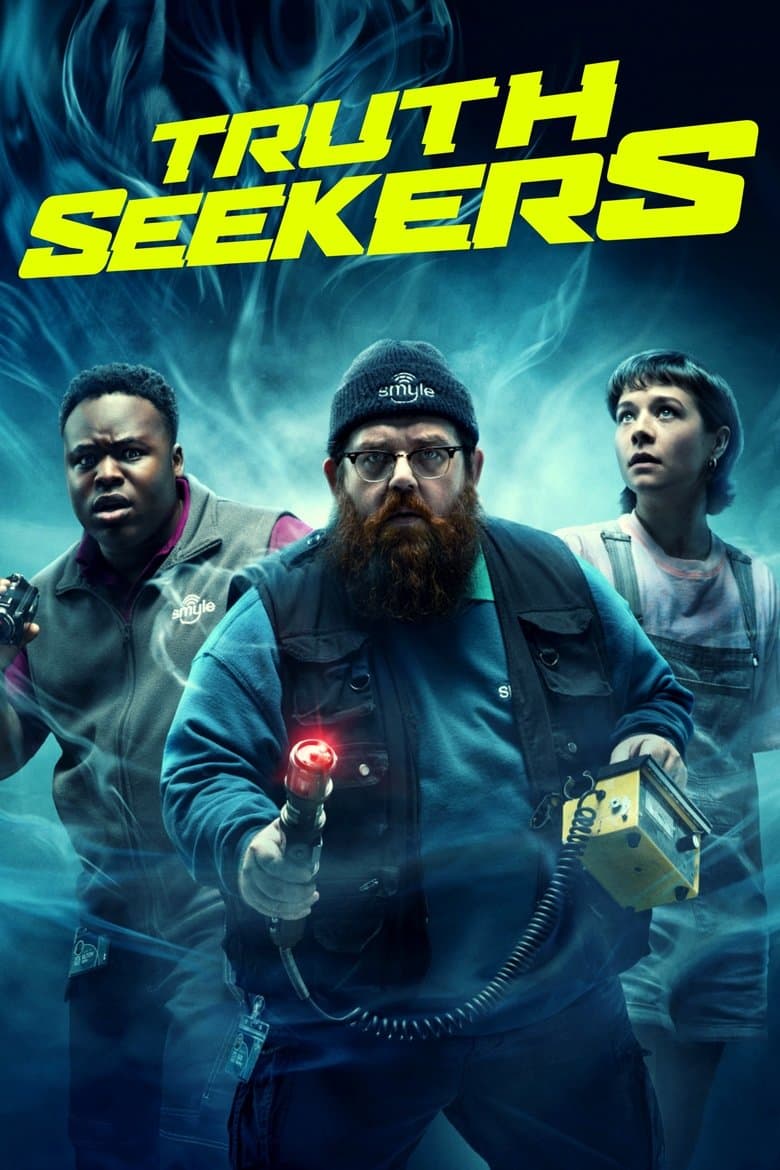
TV Show · 2020
A ghost-hunting duo team up to uncover and film paranormal sightings across the U.K. and share their adventures on an online channel.
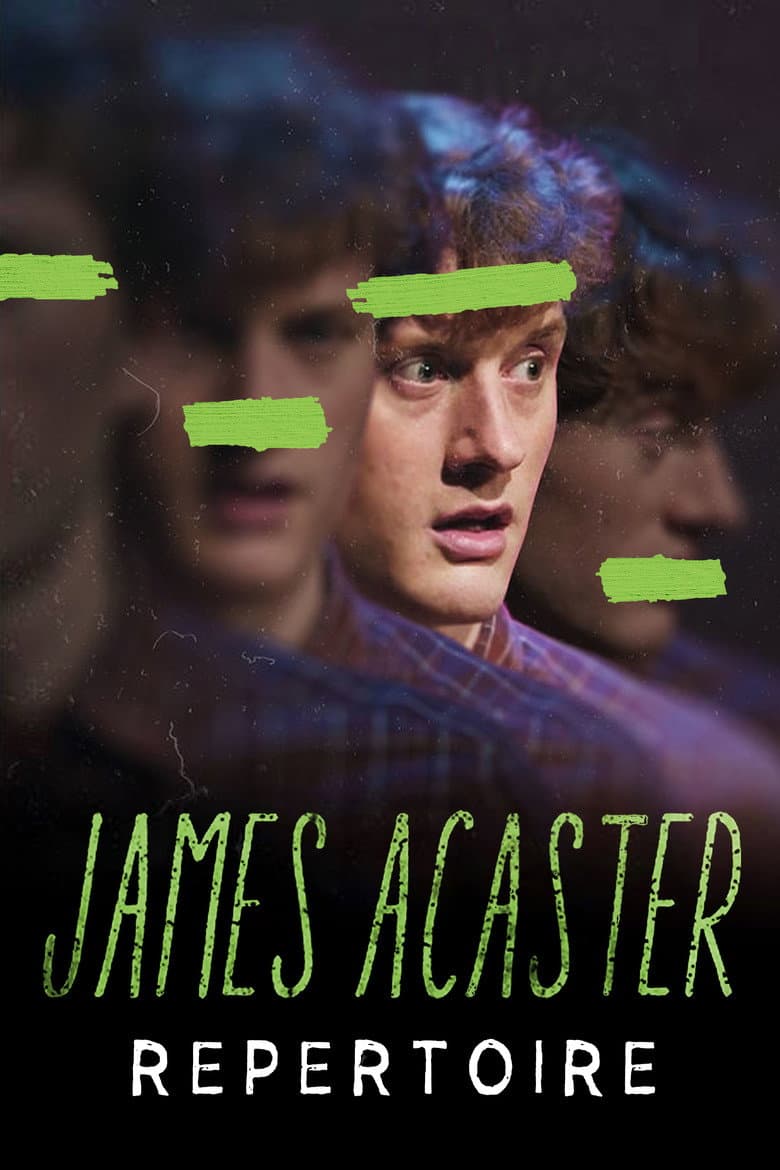
TV Show · 2018
Offbeat comic James Acaster covers the strange, the mundane and everything in between in this collection of four wide-ranging stand-up specials.
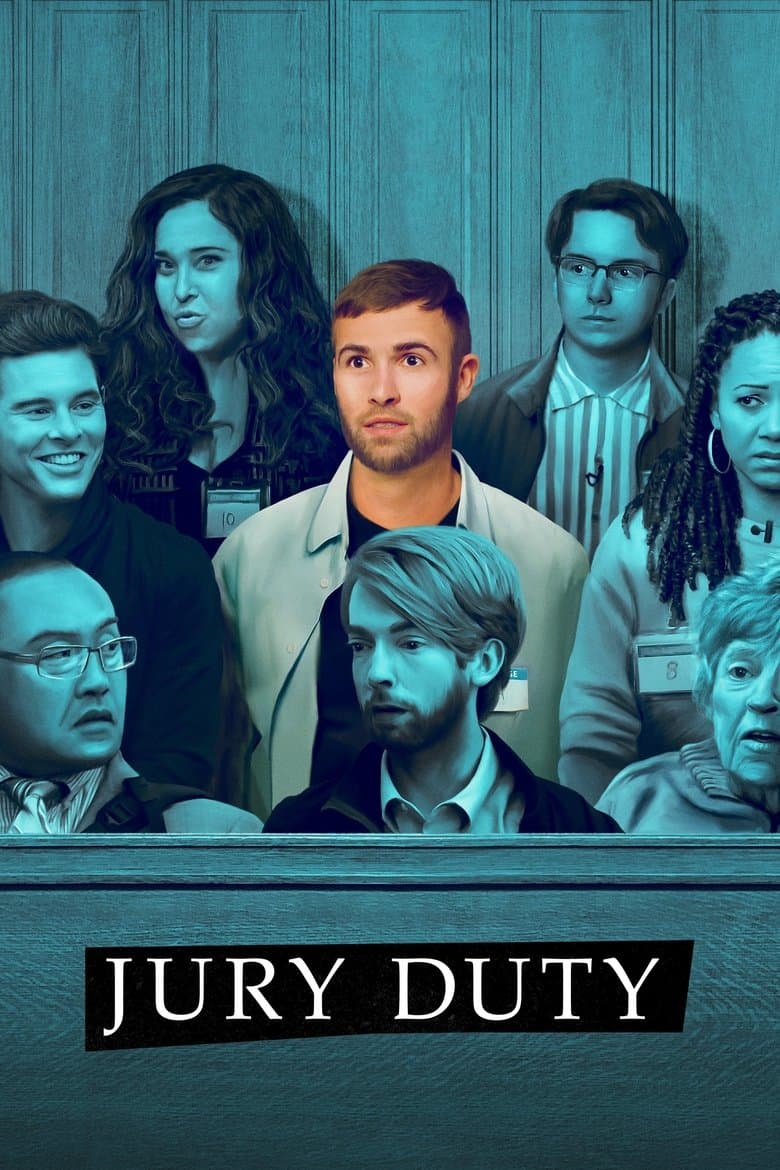
TV Show · 2023
The inner workings of an American jury trial through the eyes of one particular juror, Ronald Gladden. Gladden is unaware the entire case is fake, everyone except him is an actor…

TV Show · 2019
Considered a genius due to having the highest grades in the country, Miyuki Shirogane leads the prestigious Shuchiin Academy's student council as its president, working alongside…
