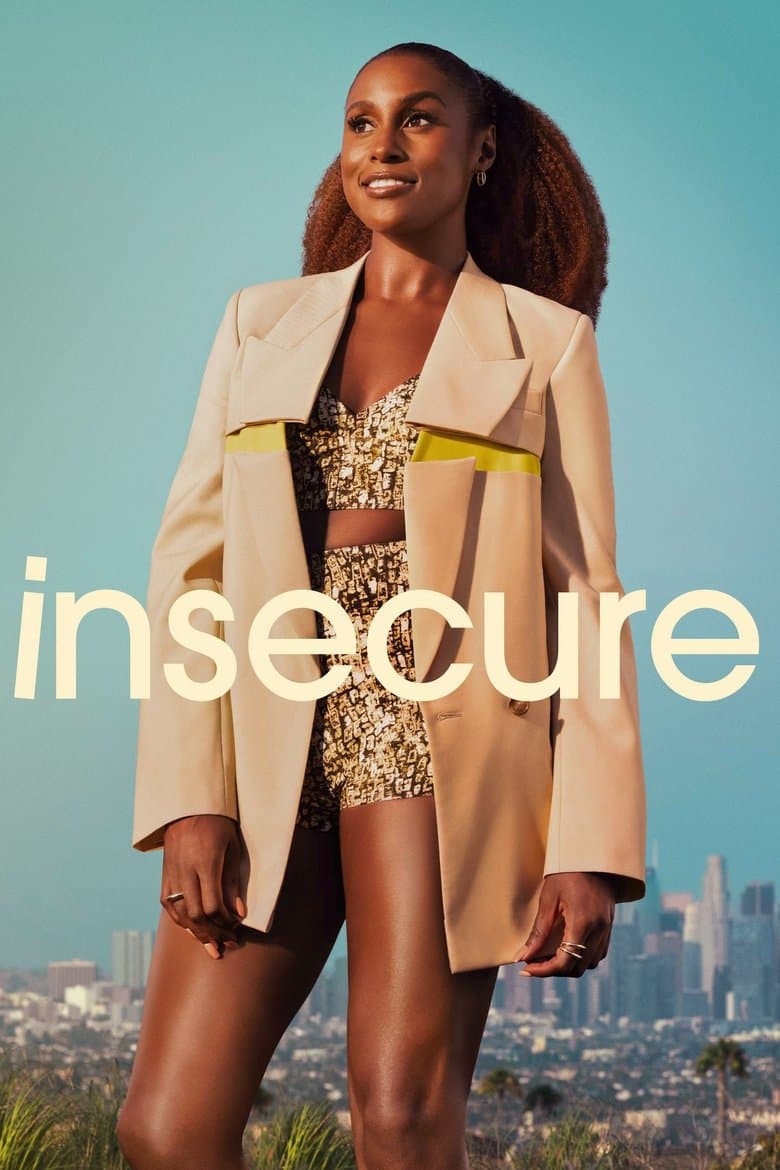
Started October 9, 2016 · Based on 5 seasons, 44 episodes · TV-MA
Insecure follows the everyday awkward experiences, career challenges, friendships, and romantic lives of a young black woman named Issa and her best friend Molly as they navigate their late twenties and early thirties in Los Angeles. The series centers their personal insecurities, workplace dynamics, and personal growth in a modern urban setting. It features authentic black female perspectives with visible emphasis on their lives as black professionals, including light humor around racial interactions in mostly white work environments. Marketing and creator statements highlighted it as groundbreaking representation for black women on premium cable.
Community feedback
Was our 53% Woke rating accurate?
Breakdown
These are the editorial factors and ratings behind our score for Insecure.
Woke representation / casting
Predominantly black cast matches the explicit premise of a modern African-American woman's life and friendships; natural fit for the story world with no mismatches or audience-visible forced signaling.
35%
Woke political dialogue
Light, occasional humor around workplace microaggressions and dating as black professionals; not central, heavy-handed, or recurring ideological talk.
25%
Identity-driven story themes
Core focus on black women's personal insecurities, friendships, careers, and relationships in LA; recurring and audience-visible but told as relatable everyday comedy-drama rather than activist manifesto.
50%
Western institutional / cultural critique
Some satire of white-dominated workplaces and everyday racial dynamics; serves individual character arcs more than broad modern critiques of systems, patriarchy, or Western institutions.
20%
Woke character or canon changes
Not relevant; original series with no adaptations or historical reinterpretations.
0%
Anti-woke backlash and complaints
Mostly positive mainstream reception; very limited complaints, mainly niche fan issues like sorority details or ending; no significant backlash framing it as pushing woke ideology.
10%
Creator track record context
Issa Rae has a clear history of black women's representation projects; key team members like Melina Matsoukas, Prentice Penny, Amy Aniobi, and Deniese Davis show similar patterns of centering black stories and voices; many other producers and editors do not.
55%
Production
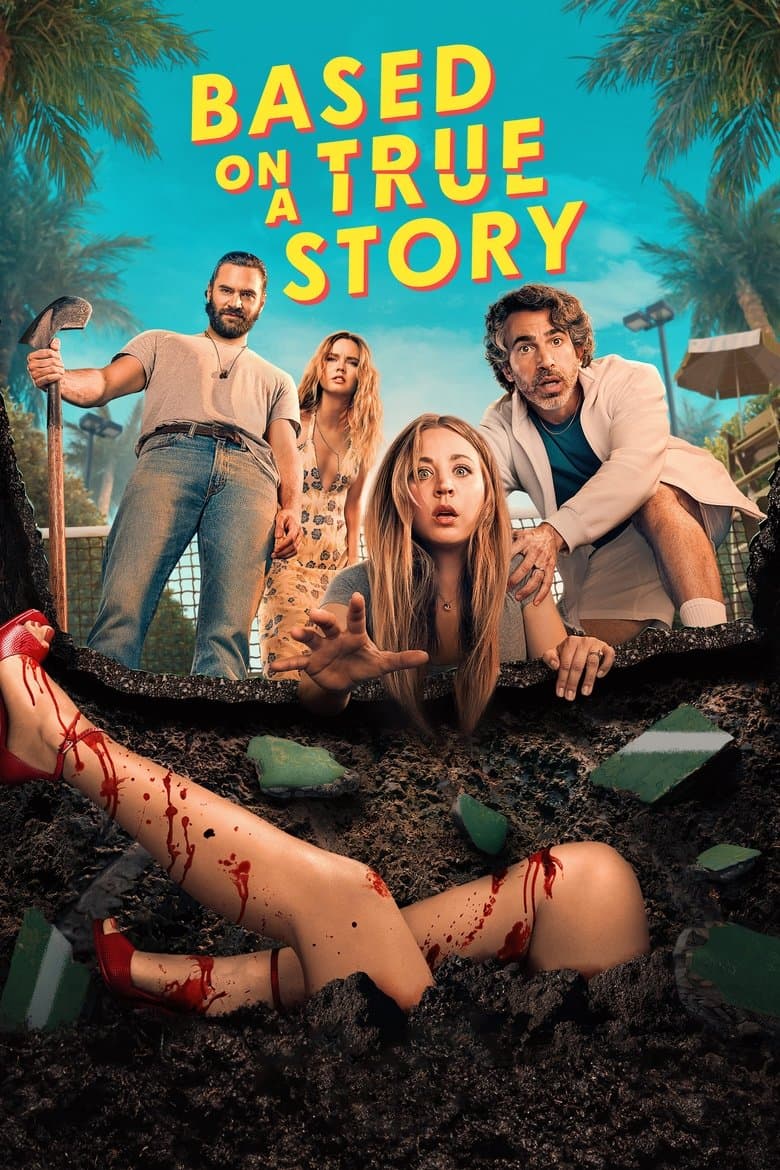
TV Show · 2023
The lives of a realtor, a plumber and a former tennis star unexpectedly collide, exposing America’s obsession with true crime, murder and the slow-close toilet seat.

TV Show · 2019
Tony had a perfect life. But after his wife Lisa suddenly dies, Tony changes. After contemplating taking his own life, he decides instead to live long enough to punish the world…
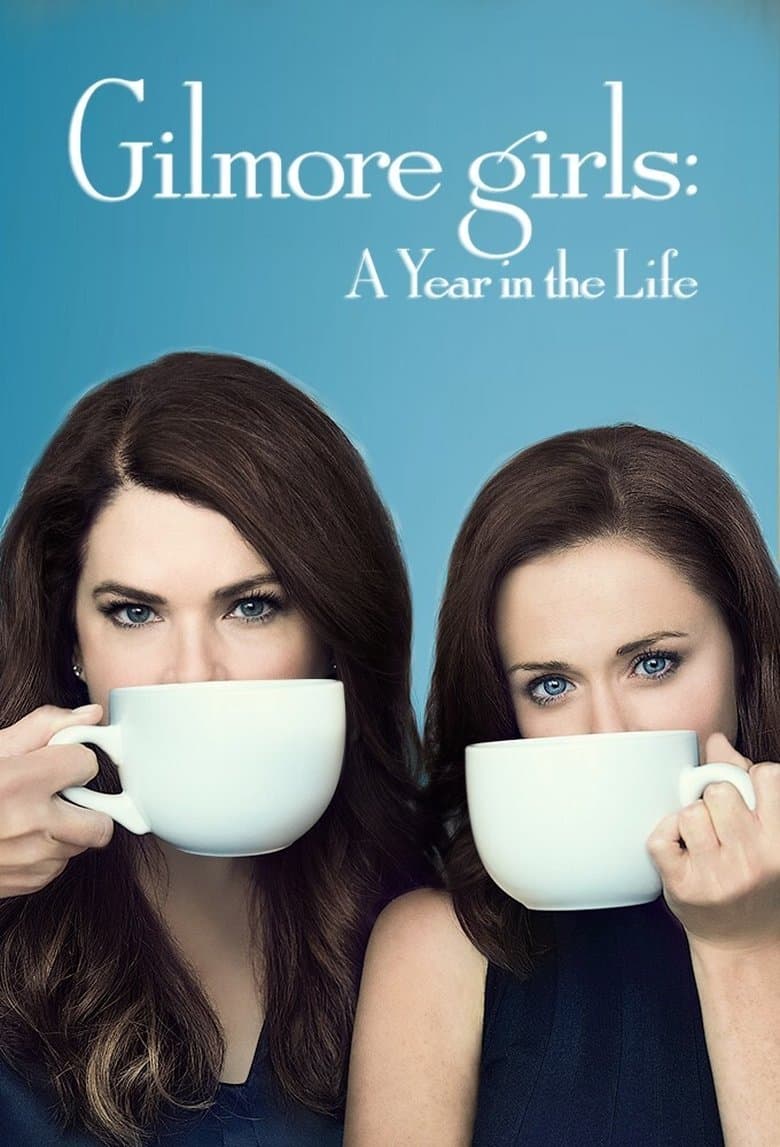
TV Show · 2016
Set nearly a decade after the finale of the original series, this revival follows Lorelai, Rory and Emily Gilmore through four seasons of change.

TV Show · 2016
Rebellious Mickey and good-natured Gus navigate the thrills and agonies of modern relationships.

TV Show · 2018
When his secretary unexpectedly quits, an arrogant executive will do anything to bring her back.
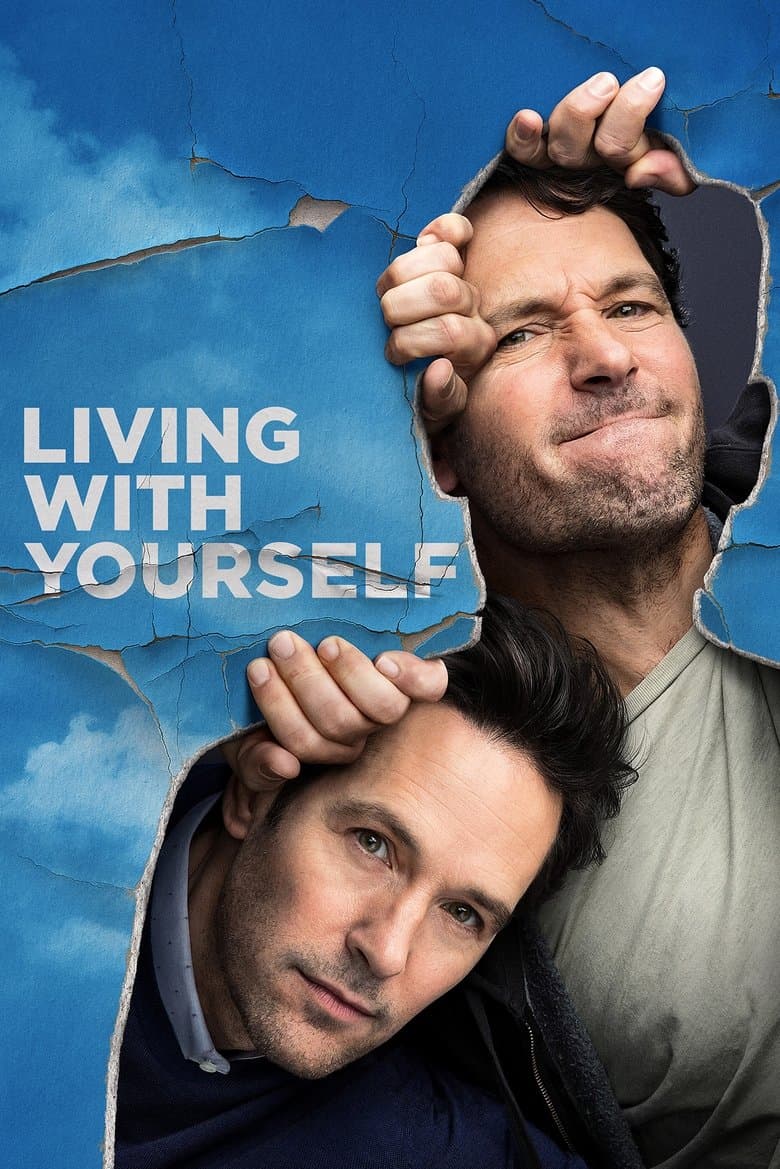
TV Show · 2019
Burned out on life, Miles undergoes a strange procedure at a strip mall spa -- and wakes to find he's been replaced by a better version of himself.
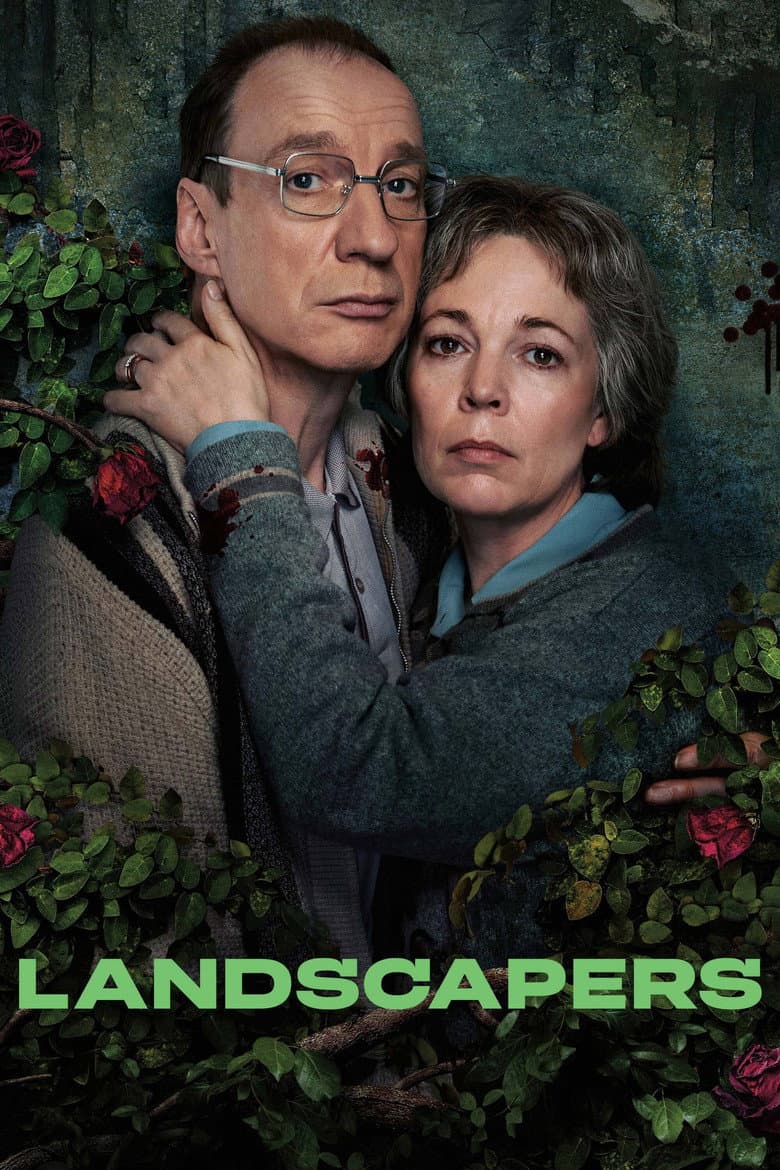
TV Show · 2021
A seemingly ordinary British couple become the focus of an extraordinary investigation when two dead bodies are discovered in the back garden of a house in Nottingham.
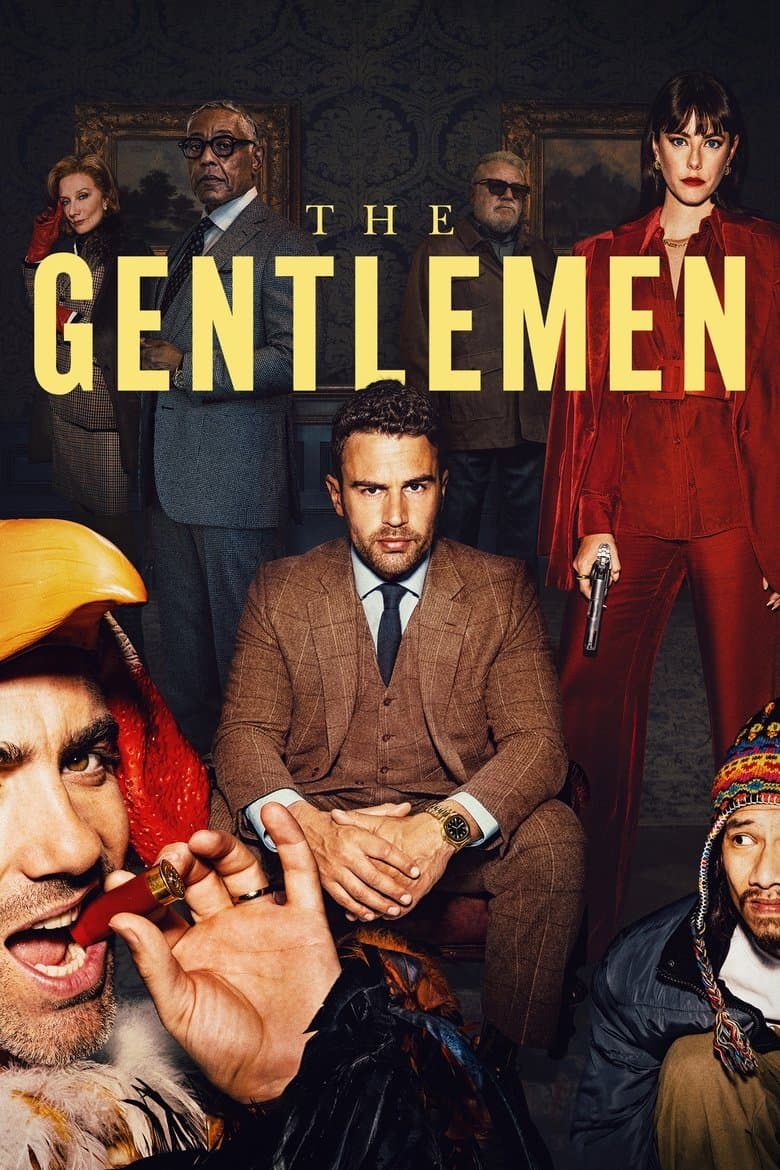
TV Show · 2024
When aristocratic Eddie inherits the family estate, he discovers that it's home to an enormous weed empire — and its proprietors aren't going anywhere.
