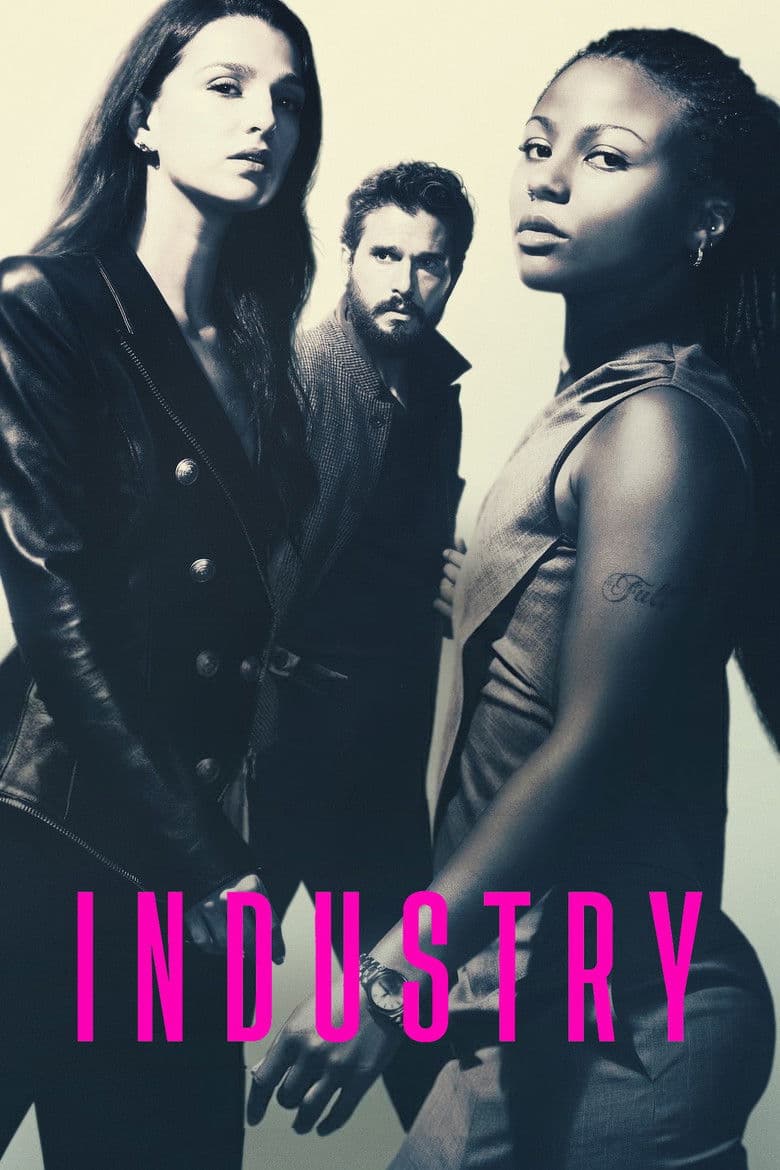
Started November 9, 2020 · Returning Series · Based on 4 seasons, 32 episodes through March 1, 2026 · TV-MA
Industry follows a group of ambitious young graduates competing for permanent jobs at a top London investment bank called Pierpoint. The story shows their long hours, heavy drinking, drugs, sex, betrayals, and cutthroat pressure in a toxic workplace over four seasons that expand into politics, media, and tech. The show uses a diverse main cast with a black woman (Harper) and an openly gay black man (Gus) in prominent ambitious roles, plus an intense co-dependent relationship between Harper and Yasmin that includes psychosexual elements. Later seasons depict the finance and power world as deeply corrupt while showing characters cynically dropping earlier performative diversity talk.
Community feedback
Was our 52% Woke rating accurate?
Breakdown
These are the editorial factors and ratings behind our score for Industry.
Woke representation / casting
Prominent competent roles for black woman Harper and openly gay black man Gus as ambitious players in elite finance; Yasmin adds ethnic heritage visibility. Casting shows clear identity patterns in lead positions without obvious quota storytelling or story-world mismatch.
48%
Woke political dialogue
Occasional workplace talk on race, privilege, and feminism where characters like Harper use or reject identity strategically for power or respect; some cynical views on allyship appear but stay secondary to personal ambition.
28%
Identity-driven story themes
Harper-Yasmin co-dependent relationship with psychosexual tension runs across seasons; Gus as openly gay character with arcs; trauma, class, and background shape several leads. Queer elements receive elevated weight per guidelines and appear in S4 scenes, yet they mainly fuel the core ruthless competition and dysfunction narrative.
45%
Western institutional / cultural critique
Extended portrayal of finance and later politics/media/tech as brutal, exploitative systems that normalize harassment, bullying, and moral compromise. Characters from all backgrounds perpetuate the culture. This is a classical greed-and-power critique with some broadening in S3-S4 rather than heavy modern identity-politics framing.
32%
Woke character or canon changes
Not present in this title.
0%
Anti-woke backlash and complaints
Scattered early forum posts called the show woke due to diverse cast or tone. No major sustained anti-woke campaigns or prominent complaints treating it as activist propaganda.
12%
Creator track record context
Creators are ex-bankers focused on finance realism and toxic culture with notes on female experiences; pilot director Lena Dunham has a clear feminist and progressive history. Most other directors and writers show minimal activist records.
32%
Production

TV Show · 2023
The story of Bass Reeves, the legendary lawman of the wild West, is brought to life. Reeves worked in the post-Reconstruction era as a federal peace officer in the Indian…
TV Show · 2021
Inspired by the true story of Marty and the therapist who turned his life around...then took it over. When he first meets Dr. Ike, Marty just wants to get better at boundaries.
TV Show · 2024
The powerful real-life story of Lali Sokolov, a Jewish prisoner who was tasked with tattooing ID numbers on prisoners' arms in the Auschwitz-Birkenau concentration camp during…

TV Show · 2024
Through the eyes of various Irish Republican Army (IRA) members, explore the extremes some people will go to in the name of their beliefs, the way a deeply divided society can…

TV Show · 2022
This sweeping saga chronicles the hopes and dreams of a Korean immigrant family across four generations as they leave their homeland in an indomitable quest to survive and thrive.
TV Show · 2019
The true story of one of the worst man-made catastrophes in history: the catastrophic nuclear accident at Chernobyl.
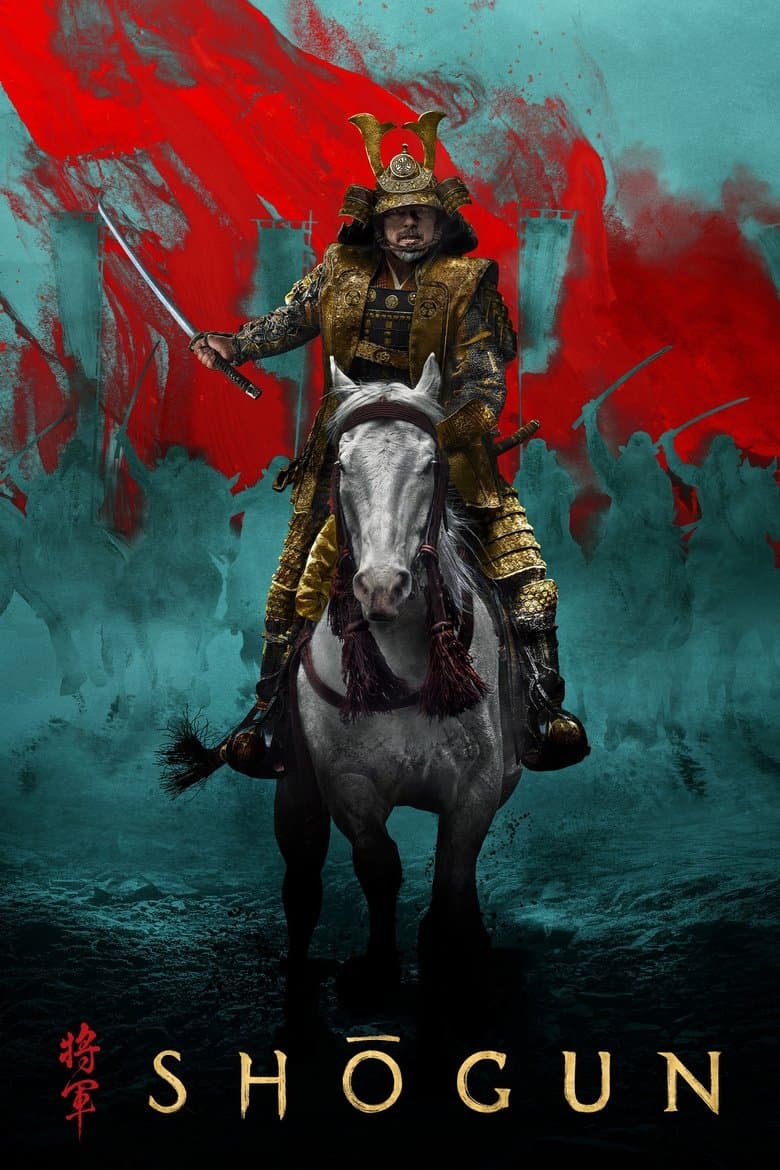
TV Show · 2024
In Japan in the year 1600, at the dawn of a century-defining civil war, Lord Yoshii Toranaga is fighting for his life as his enemies on the Council of Regents unite against him…
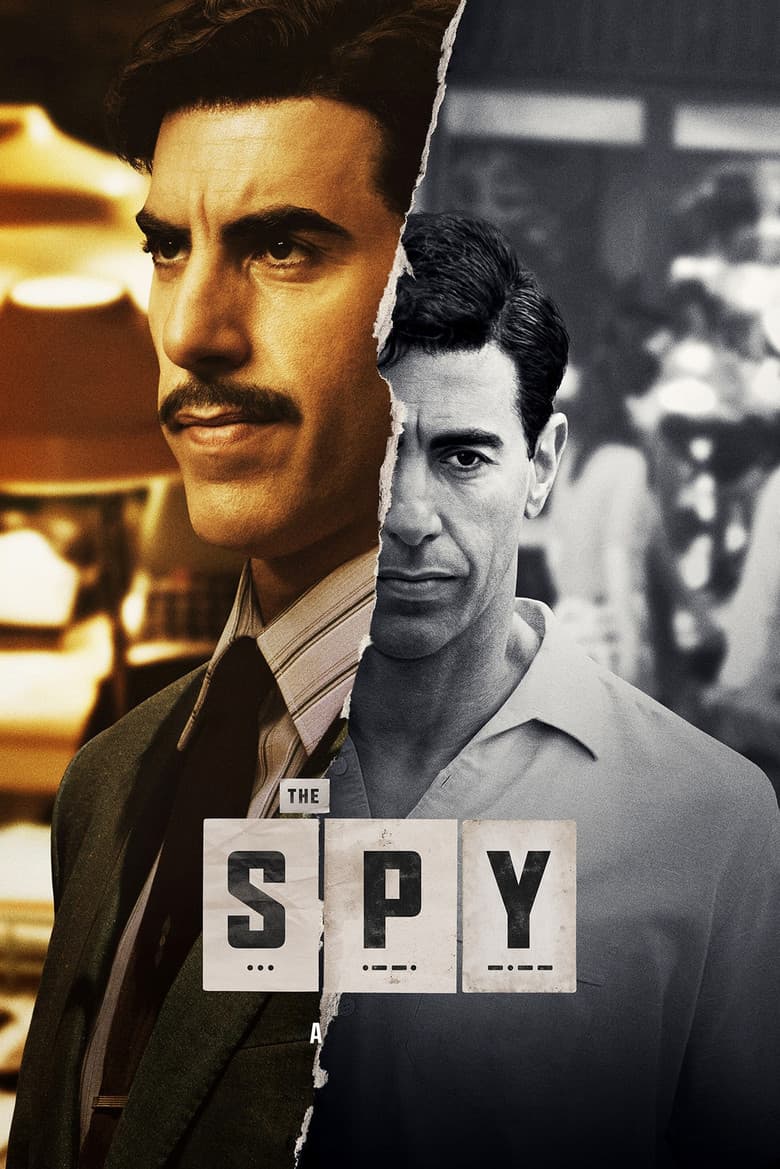
TV Show · 2019
In the 1960s, Israeli clerk-turned-secret agent Eli Cohen goes deep undercover inside Syria on a perilous, years-long mission to spy for Mossad.
