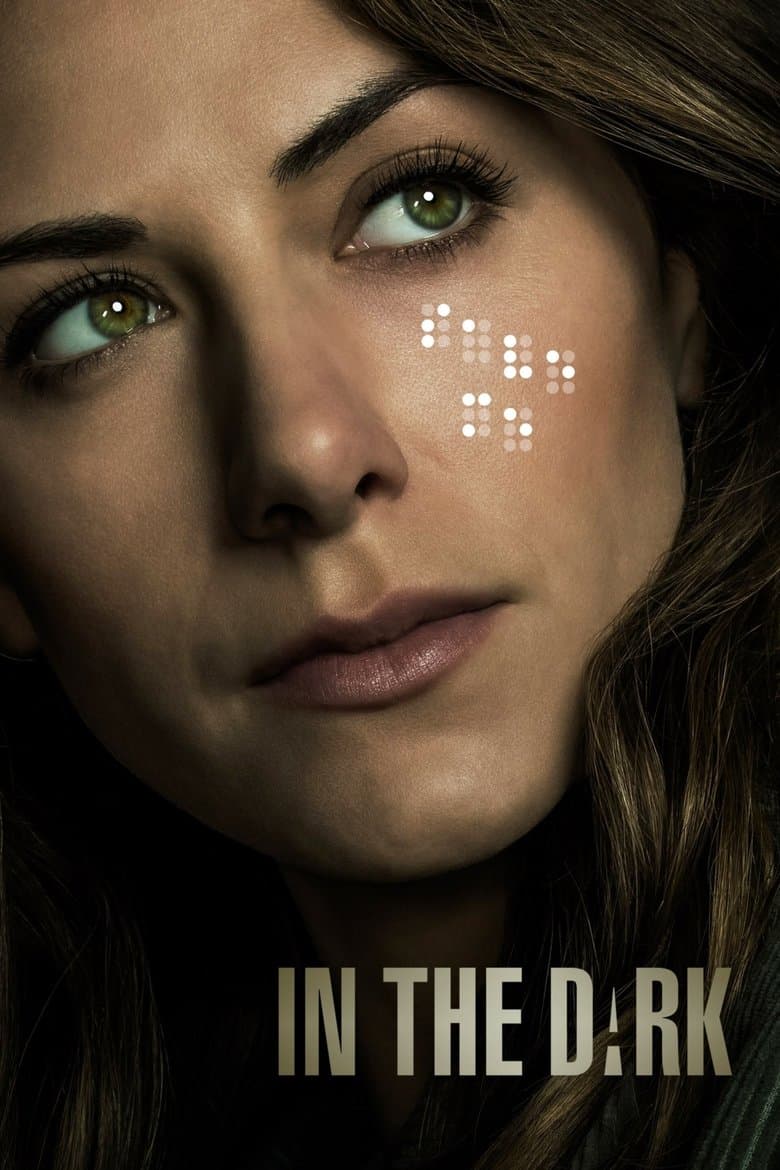
Started April 4, 2019 · Canceled · Based on 4 seasons, 52 episodes through September 5, 2022 · TV-14 · 45 min
In the Dark is a crime drama series about Murphy, a blind woman who tries to solve the murder of her friend Tyson. Along with her friends, she gets pulled into money laundering and drug cartels while running a guide-dog school. The show features a highly diverse cast, including a main character who is a lesbian and has several same-sex relationships. It also shows the police as corrupt and lazy, especially when dealing with the death of a young black teenager.
Community feedback
Was our 57% Woke rating accurate?
Breakdown
These are the editorial factors and ratings behind our score for In the Dark.
Woke representation / casting
The show has a very diverse cast with prominent roles for marginalized groups. Murphy's roommate, Jess, is a plus-size lesbian and a main character. The cast also features several other queer characters, including Sterling and a female gang enforcer named Sam. The plot revolves around Tyson, a young black teen whose murder is ignored by the police. While the lead blind character is played by a sighted actress, the show features actual blind actors in supporting roles. The heavy presence of LGBTQ+ characters adds notable weight to this score.
58%
Woke political dialogue
The dialogue occasionally touches on social issues, such as characters criticizing police apathy toward young black men in Chicago, or discussing the struggles of living with a disability. However, these comments are brief and mostly fit into the ongoing crime mystery rather than feeling like preachy, activist lectures.
25%
Identity-driven story themes
Same-sex relationships are highly prominent throughout all seasons, particularly Jess's love life and her various female partners. The show also explores themes of disability, but subverts typical tropes by making its blind lead a highly flawed, promiscuous, and chaotic person. These prominent queer subplots and disability themes are very visible to viewers and carry elevated weight.
48%
Western institutional / cultural critique
The series heavily critiques law enforcement, depicting the Chicago police as corrupt, lazy, and vindictive. It also subverts traditional gender roles by centering on a highly abrasive, non-conformist female lead and featuring powerful female drug lords. These themes are prominent, but they are framed within a gritty crime thriller style rather than a direct systemic attack on society.
42%
Woke character or canon changes
Not relevant. The series is an original creation rather than an adaptation of existing IP or historical events, so there are no changes to established canon.
0%
Anti-woke backlash and complaints
The series did not attract major anti-woke backlash or culture war controversies. Mainstream complaints were centered on the highly depressing series finale and the actions of the main characters, while progressive groups complained about a sighted actress playing a blind role.
10%
Creator track record context
Creator Corinne Kingsbury and several executive producers have apolitical or standard commercial profiles. However, the track record score is slightly elevated because some individual episode writers and directors, like Kyra Sedgwick and Sarah Link, have strong backgrounds in progressive and LGBTQ+ advocacy.
25%
Production
TV Show · 2016
Rebellious Mickey and good-natured Gus navigate the thrills and agonies of modern relationships.
TV Show · 2016
Set nearly a decade after the finale of the original series, this revival follows Lorelai, Rory and Emily Gilmore through four seasons of change.
TV Show · 2019
Burned out on life, Miles undergoes a strange procedure at a strip mall spa -- and wakes to find he's been replaced by a better version of himself.

TV Show · 2022
In disguise as her friend, Ha-ri shows up to a blind date to scare him away. But plans go awry when he turns out to be her CEO — and makes a proposal.
TV Show · 2020
The heartwarming and humorous adventures of a young country vet in the Yorkshire Dales in the 1930s. A remake of the 1978 series.
TV Show · 2023
The lives of a realtor, a plumber and a former tennis star unexpectedly collide, exposing America’s obsession with true crime, murder and the slow-close toilet seat.

TV Show · 2020
New passions. New fashions. New Emily? A plucky American marketing whiz spreads her wings in life and love after landing her dream job in Paris.
TV Show · 2019
Tony had a perfect life. But after his wife Lisa suddenly dies, Tony changes. After contemplating taking his own life, he decides instead to live long enough to punish the world…
