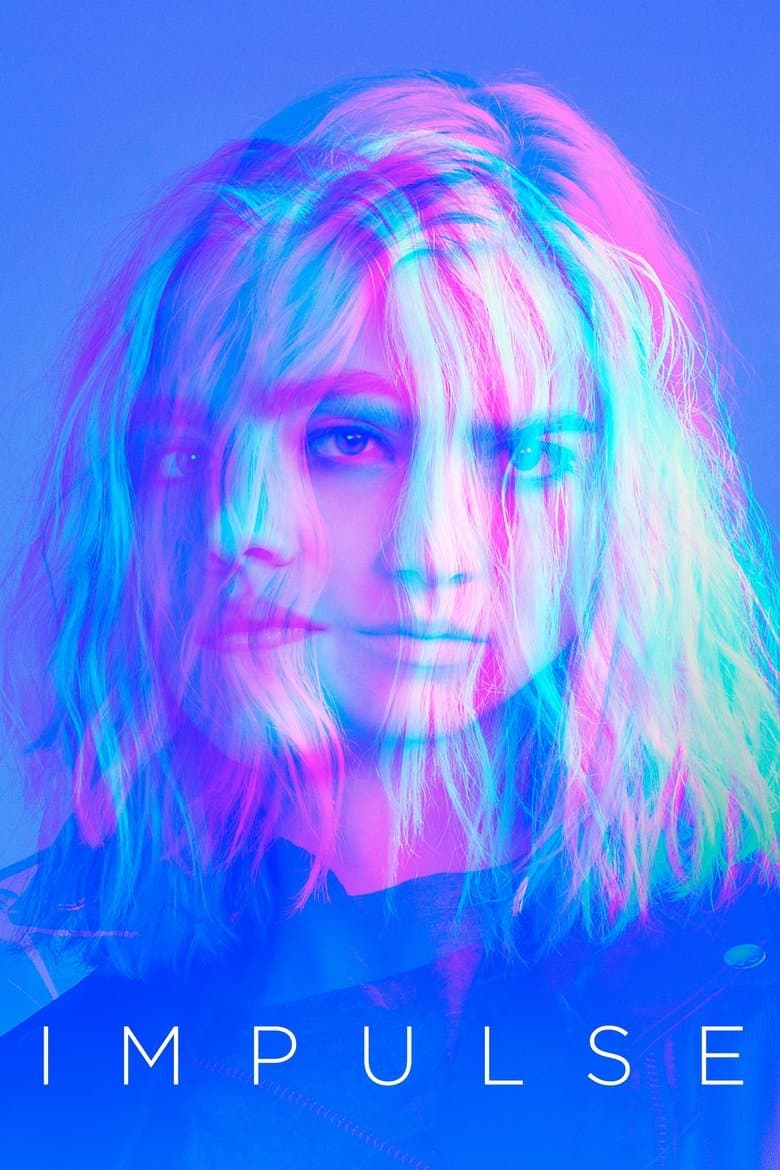
Started June 6, 2018 · Canceled · Based on 2 seasons, 20 episodes through October 16, 2019 · TV-14
Impulse is a sci-fi drama about a teenager named Henry who discovers she can teleport. She tries to control her new power while dealing with a dark personal trauma in her small town. The series prominently features themes of female trauma stemming from an attempted sexual assault. It also includes a major coming-out storyline for a main female character who realizes she is a lesbian.
Community feedback
Was our 56% Woke rating accurate?
Breakdown
These are the editorial factors and ratings behind our score for Impulse.
Woke representation / casting
The cast features a modern diverse lineup, including a black female deputy (Anna Hulce) and a prominent autistic friend (Townes). Most notably, a main character (Jenna Hope) goes through a lesbian coming-out arc, accompanied by other queer supporting characters. The presence of confirmed LGBTQ+ characters increases this score.
45%
Woke political dialogue
The show does not feature heavy political lectures or explicit activist dialogue about real-world politics. Most of the dialogue is personal and focused on the characters' emotional struggles, trauma, and relationships, though conversations about Jenna's sexuality and Henry's assault carry mild identity-focused themes.
25%
Identity-driven story themes
The narrative leans heavily into identity themes. The main sci-fi premise is directly triggered by an attempted sexual assault, framing female trauma as the central focus of Henry's superpowers. Additionally, a major subplot across both seasons revolves around Jenna coming to terms with her lesbian identity, culminating in her being outed to her family. The prominent LGBTQ+ elements add significant weight here.
52%
Western institutional / cultural critique
The series critiques local high school culture and small-town dynamics by framing the town's athletic star as an entitled abuser. It deals with toxic masculinity and the protection of male privilege in local hierarchies. It also depicts conventional family structures as dysfunctional, though it avoids overt critiques of broader Western institutions.
25%
Woke character or canon changes
The show heavily departs from Steven Gould's original novel. It changes the main character and replaces the book's plot with a dark story centered on sexual assault and teen identity. While the overhaul is massive, it was done to create a fresh sci-fi drama rather than to fulfill a specific diversity mandate, though it does center on modern gender and identity themes.
35%
Anti-woke backlash and complaints
There was no notable anti-woke backlash or organized right-leaning complaints against the show, which flew largely under the radar on YouTube Premium.
0%
Creator track record context
The collective track record of the creative team is mostly neutral. Key figures like creator Jeffrey Lieber (27) and director Doug Liman (27) have neutral profiles. However, showrunner Lauren LeFranc (58) and writer Torrey Speer (60) have a stronger history of focusing on feminist, progressive, and LGBTQ+ representation.
23%
Production
TV Show · 2019
Iwatani Naofumi, a run-of-the-mill otaku, finds a book in the library that summons him to another world. He is tasked with joining the sword, spear, and bow as one of the Four…
TV Show · 2023
After the party of heroes defeated the Demon King, they restored peace to the land and returned to lives of solitude.
TV Show · 2022
A powerful sorceress in a blind woman's body encounters a man from a prestigious family, who wants her help to change his destiny.
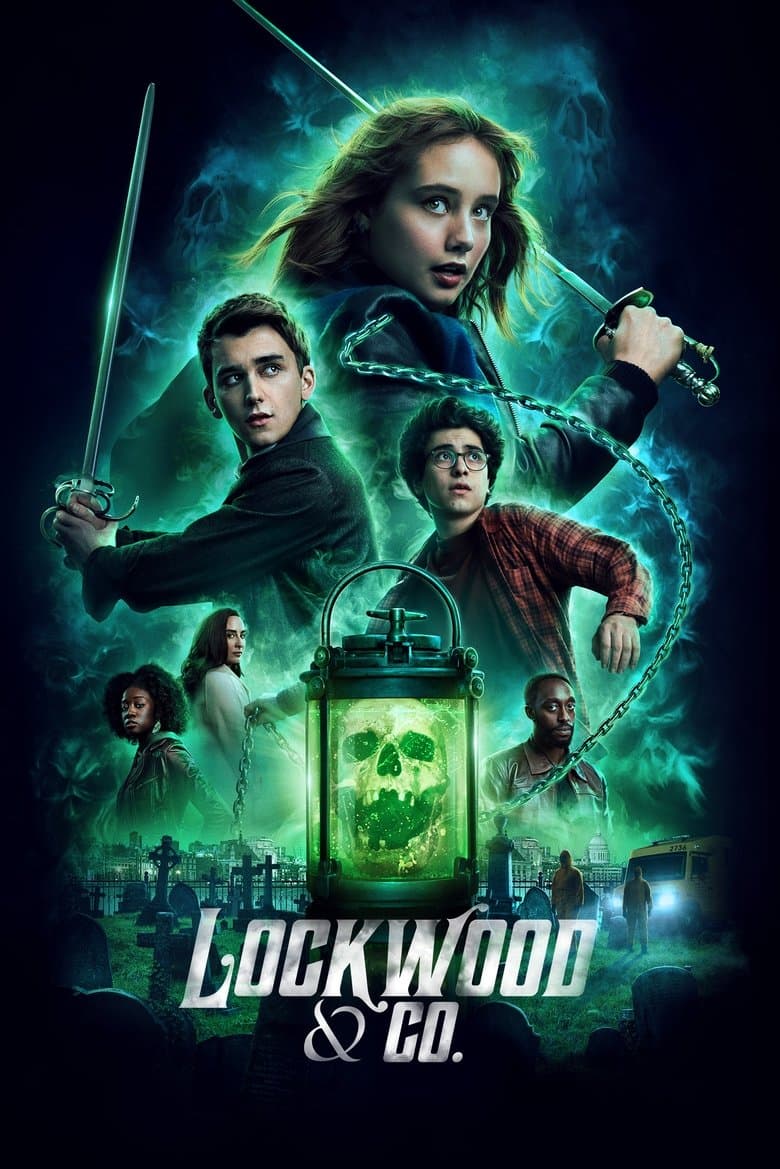
TV Show · 2023
A girl with extraordinary psychic abilities joins two gifted teen boys at a small ghost-hunting agency to fight the many deadly spirits haunting London.
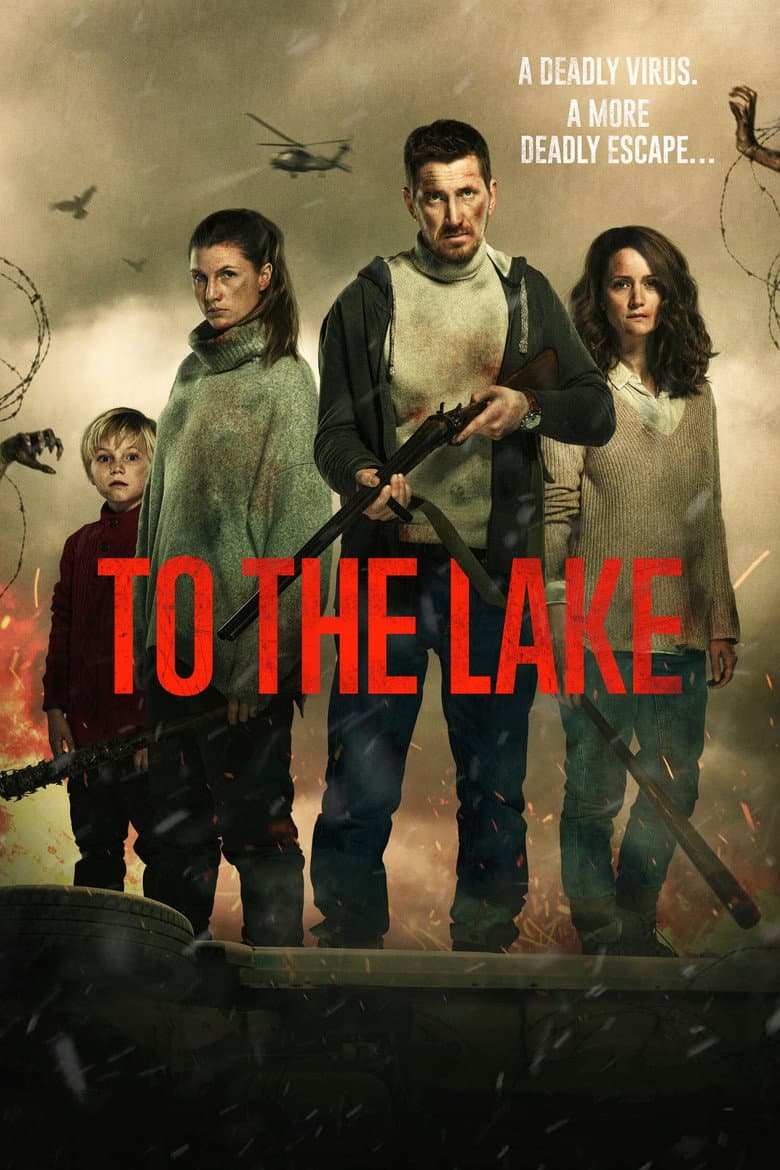
TV Show · 2019
A grim drama that unfolds against the backdrop of a global catastrophe. An unknown new virus turns Moscow into a city of the dead.
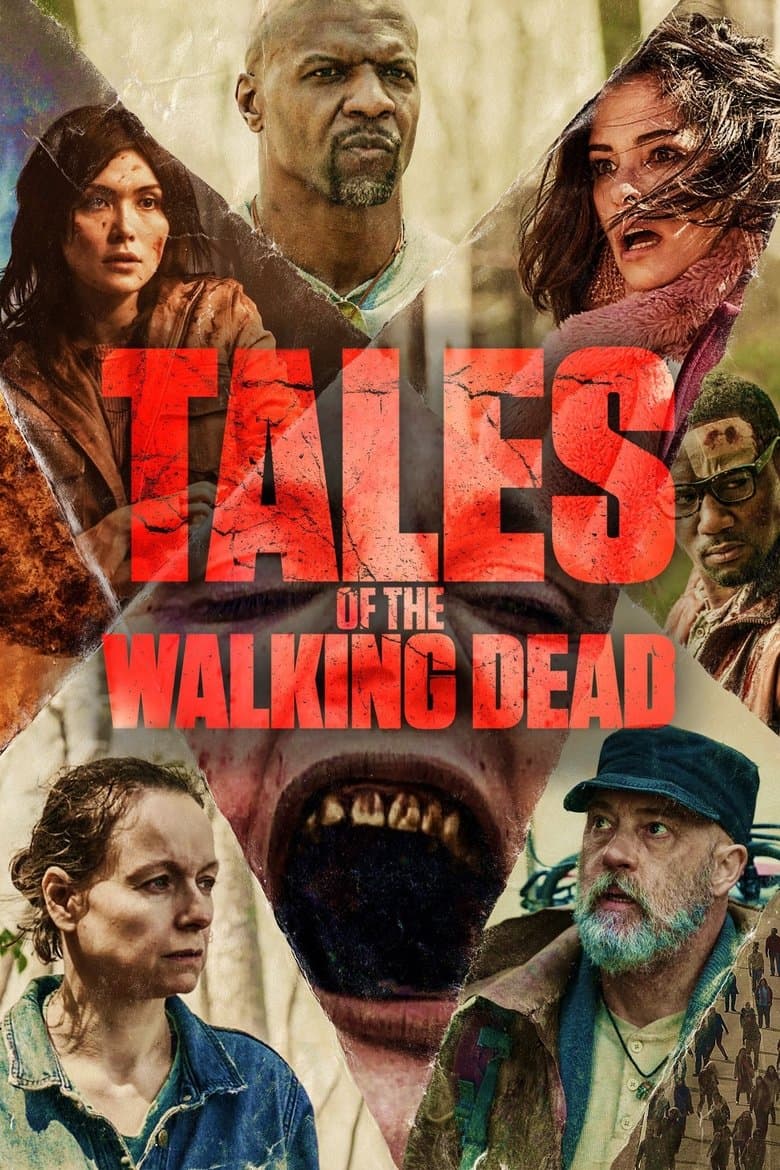
TV Show · 2022
An episodic anthology series focused on both new and established characters set in the world of "The Walking Dead."
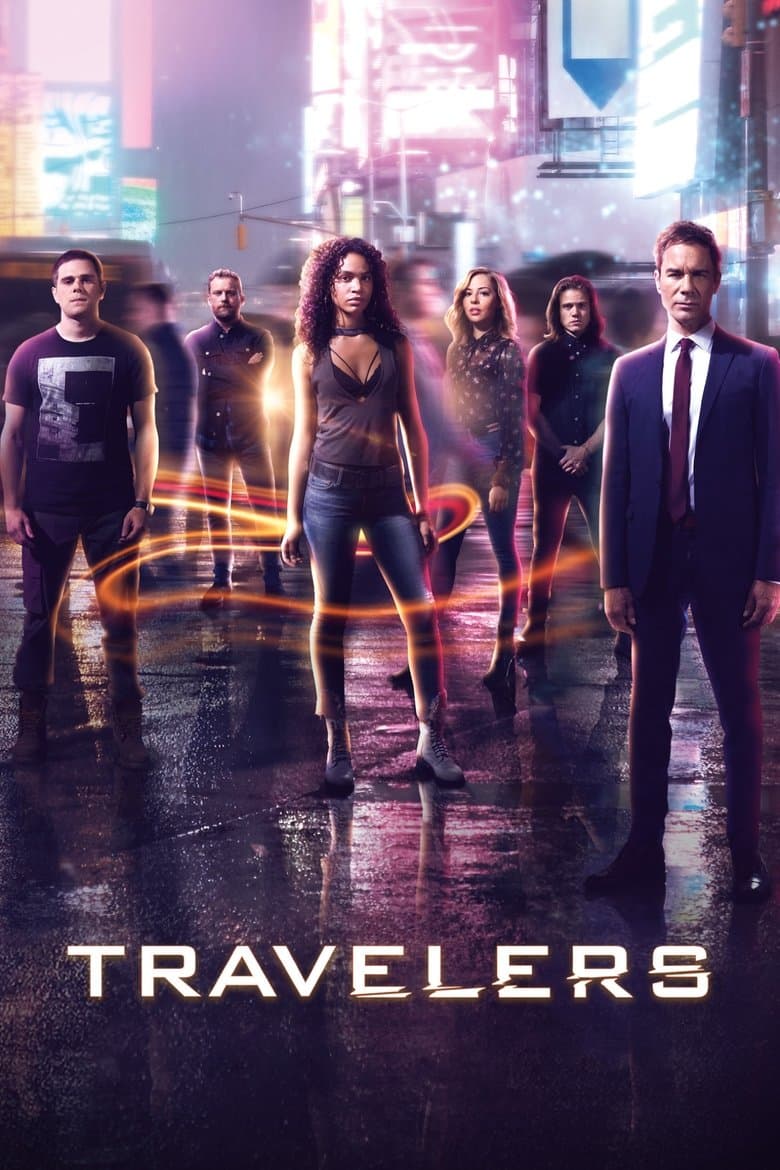
TV Show · 2016
Hundreds of years from now, the last surviving humans discover the means of sending consciousness back through time, directly into people in the 21st century.
TV Show · 2017
Go deep into the clandestine world of the legendary brotherhood of warrior monks known as The Knights Templar.
