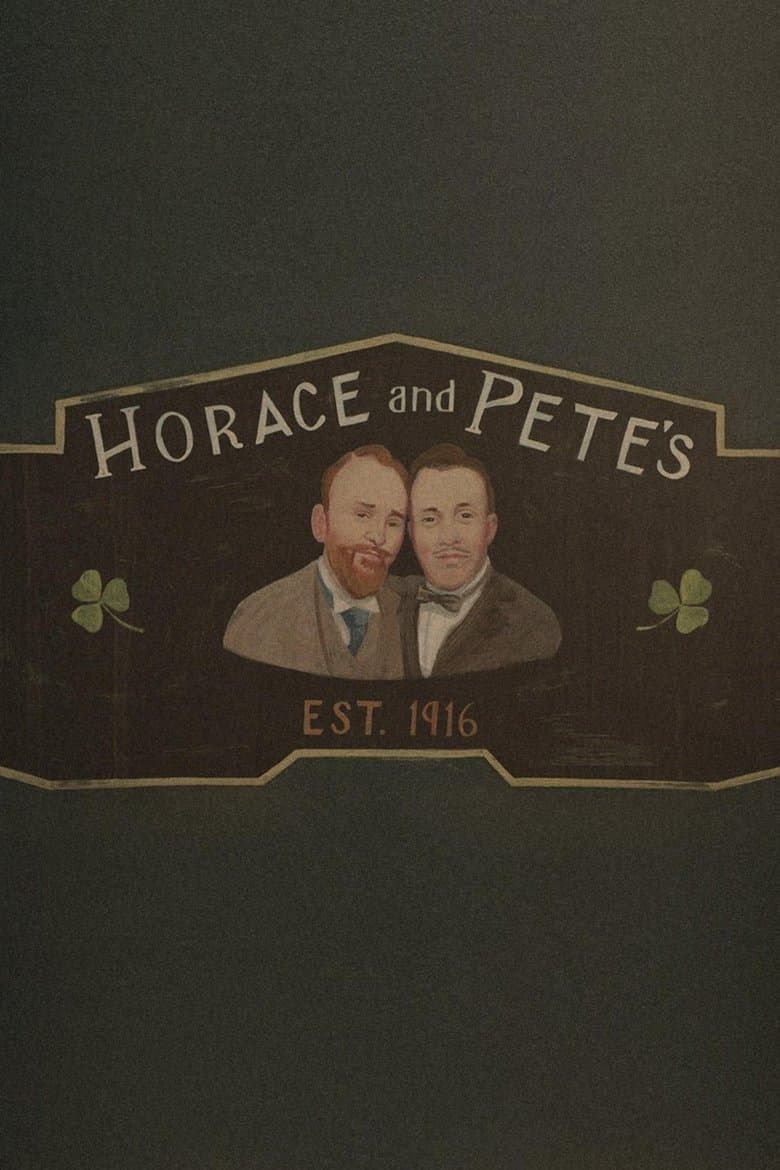
Started January 30, 2016 · Based on 1 season, 10 episodes · TV-14 · 30 min
Brooklyn cousins Horace and Pete run a rundown family bar that has stayed in the same line since 1916. The place sells weak drinks, keeps old regulars, and sits under heavy tradition. Sister Sylvia wants her share of the bar and may force a sale while she faces cancer. The ten episodes track inheritance fights, mental illness, abuse, money and medicine troubles, failed romance, and cruel habits passed down through the family. A 1976 flashback shows violence and captivity upstairs, and the season ends when Pete has a breakdown, returns, and stabs Horace.
Woke content is real but not the main engine of the story. Bar regulars argue about Trump, race, and sex, and Uncle Pete’s racist and homophobic rants are shown as ugly and extreme. A gay lawyer appears and takes Pete’s insults, and a morning-after beat vaguely hints that Rhonda may be trans without confirming it. The bar and Uncle Pete stand for an old generation’s racism, sexism, and male entitlement, while women try to escape male violence and a rotten male bar tradition. Selling the place and the abuse flashbacks treat patriarchal inheritance as rot that wrecks the family. The core plot still stays on inherited abuse, mental illness, and the bar’s fate, with political and identity beats as secondary strands.
Community feedback
Was our 48% Woke rating accurate?
Breakdown
These are the editorial factors and ratings behind our score for Horace and Pete.
Woke representation / casting
The main cast matches an old white Brooklyn family bar. Brief Black romantic partners, a black doctor, and a gay lawyer show up as normal modern extras. They do not read like a marketed diversity slate.
20%
Woke political dialogue
Regulars argue about Trump, race, and sex at the bar. Uncle Pete’s racist and homophobic rants are shown as grotesque. The 2016 talk has many sides and is not pure activist lecture.
34%
Identity-driven story themes
The core plot is inherited abuse, mental illness, and the bar’s fate. Secondary strands include a gay lawyer and a vague morning-after hint that Rhonda may be trans. Women also try to escape male violence and a rotten male bar tradition.
42%
Western institutional / cultural critique
The bar and Uncle Pete stand for a dying generation’s racism, sexism, and male entitlement. Selling the place and the abuse flashbacks treat patriarchal inheritance as rot. That rot is shown wrecking the family.
50%
Woke character or canon changes
Not relevant. original fictional story with no adaptations or historical reinterpretations.
0%
Anti-woke backlash and complaints
Not present. No notable right-leaning campaign treated the series as woke or DEI propaganda; talk focused on craft, form, debt, and later C.K.’s personal scandal.
0%
Creator track record context
Louis C.K. wrote and directed the series. His work mixes anti-PC comedy with anti-Trump rhetoric and privilege talk. Co-producers score low and show little activist history.
25%
Production

TV Show · 2020
After being bullied and discriminated because of her ugly looks, a high school girl transforms herself into a gorgeous "goddess" and quickly rises to fame after mastering the art…

TV Show · 2018
When his secretary unexpectedly quits, an arrogant executive will do anything to bring her back.
TV Show · 2019
In a city of coaching centers known to train India’s finest collegiate minds, an earnest but unexceptional student and his friends navigate campus life.

TV Show · 2018
Puberty Syndrome—a rumored, mysterious syndrome that only affects those in their puberty. For example, a bunny girl suddenly appeared in front of Sakuta Azusagawa.

TV Show · 2019
A paragliding mishap drops a South Korean heiress in North Korea -- and into the life of an army officer, who decides he will help her hide.
TV Show · 2019
Following an emotional breakup, tough but tender FBI super-agent Will Chase (codename: “Whiskey Cavalier”) is assigned to work with badass CIA operative Frankie Trowbridge…

TV Show · 2016
Rebellious Mickey and good-natured Gus navigate the thrills and agonies of modern relationships.
TV Show · 2018
A hit man from the Midwest moves to Los Angeles and gets caught up in the city's theatre arts scene.
