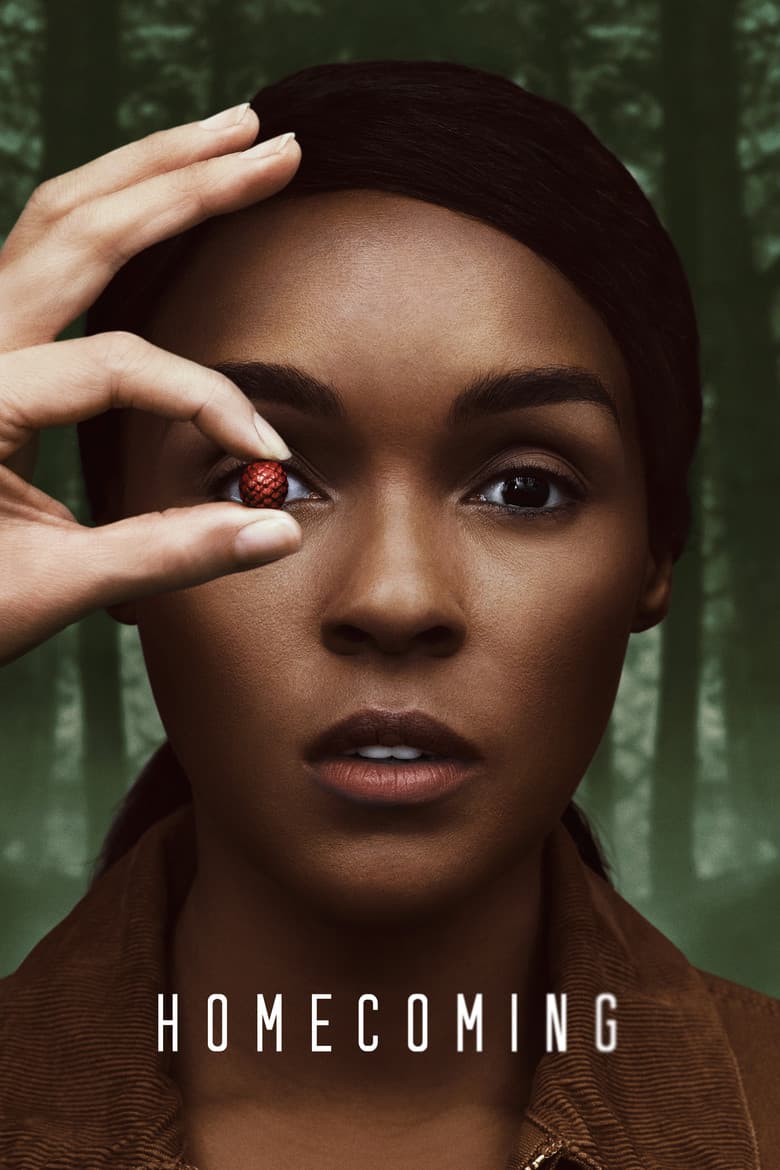
Started November 1, 2018 · Ended · Based on 2 seasons, 17 episodes through May 22, 2020 · TV-MA · 32 min
Homecoming is a psychological thriller show about a secret facility. The story follows a therapist and a group of soldiers whose memories are being erased by a greedy corporation. In the second season, a new main character wakes up with memory loss and tries to solve the mystery. This second season highlights a romantic relationship between two women of color. The show features visible diverse casting, strong LGBTQ+ themes, and critiques of corporate greed.
Community feedback
Was our 87% Woke rating accurate?
Breakdown
These are the editorial factors and ratings behind our score for Homecoming.
Woke representation / casting
Season 1 has a diverse cast, including Stephan James as a main lead. Season 2 shifts the casting to be much more focused on identity. It features an interracial lesbian couple played by Janelle Monáe and Hong Chau. The show places these minority actors in the most prominent roles. The director noted that he wanted to bring a queer lens to the project. Because the show features clear and prominent LGBTQ+ representation in the lead roles, the score is high.
78%
Woke political dialogue
The dialogue is mostly focused on the mystery and the thriller plot. It does not contain loud activist speeches. However, Season 2 includes subtle dialogue about race and gender. There are conversations about how people treat minority women in corporate spaces and how the police view disheveled black women. It also critiques the idea of the corporate female climber. These elements are noticeable but not preachy.
38%
Identity-driven story themes
Season 1 does not focus on identity themes. However, Season 2 puts a lesbian relationship between two women of color at the center of the story. Their romantic connection and mutual support drive the entire plot and corporate con. The director explained that he used their queer relationship to give a new shape of wish fulfillment to the thriller genre. This heavy focus on LGBTQ+ themes in the main plot carries a strong weight.
76%
Western institutional / cultural critique
The show critiques the military-industrial complex and corporate greed. In Season 2, this expands into a critique of modern power structures and gender dynamics. The series mocks the "girlboss" trope by showing how the female leads use corrupt corporate systems. It also portrays the main male executive, Colin, as arrogant, entitled, and highly incompetent. Traditional authority figures are shown as deeply flawed.
55%
Woke character or canon changes
The show is based on a fiction podcast. The TV adaptation makes several demographic changes to the original characters. Walter Cruz is changed from Hispanic to black. Audrey Temple is changed from a minor white character to an Asian-American lead. Season 2 also invents a brand-new lesbian romance that was not in the podcast. These changes reflect representation priorities, though they did not cause huge controversy.
35%
Anti-woke backlash and complaints
Anti-woke backlash against the show was extremely quiet. The series did not spark any major campaigns, boycotts, or viral outrage. A few viewers on platforms like Reddit noted mild frustration with the heavy shift toward a lesbian romance in Season 2. However, these complaints were small and fringe. The general public mostly treated the series as a standard psychological thriller.
15%
Creator track record context
The creative team has a mixed track record. Creators Sam Esmail, Micah Bloomberg, and Eli Horowitz have low to moderate scores. However, Season 2 director Kyle Patrick Alvarez has a high score of 83 due to his career in queer filmmaking and LGBTQ+ advocacy. Writer Shannon Houston also has a high score of 71. Producers Patrick Macmanus and Alex Blumberg also have a history of pushing for diversity and progressive causes.
48%
Production
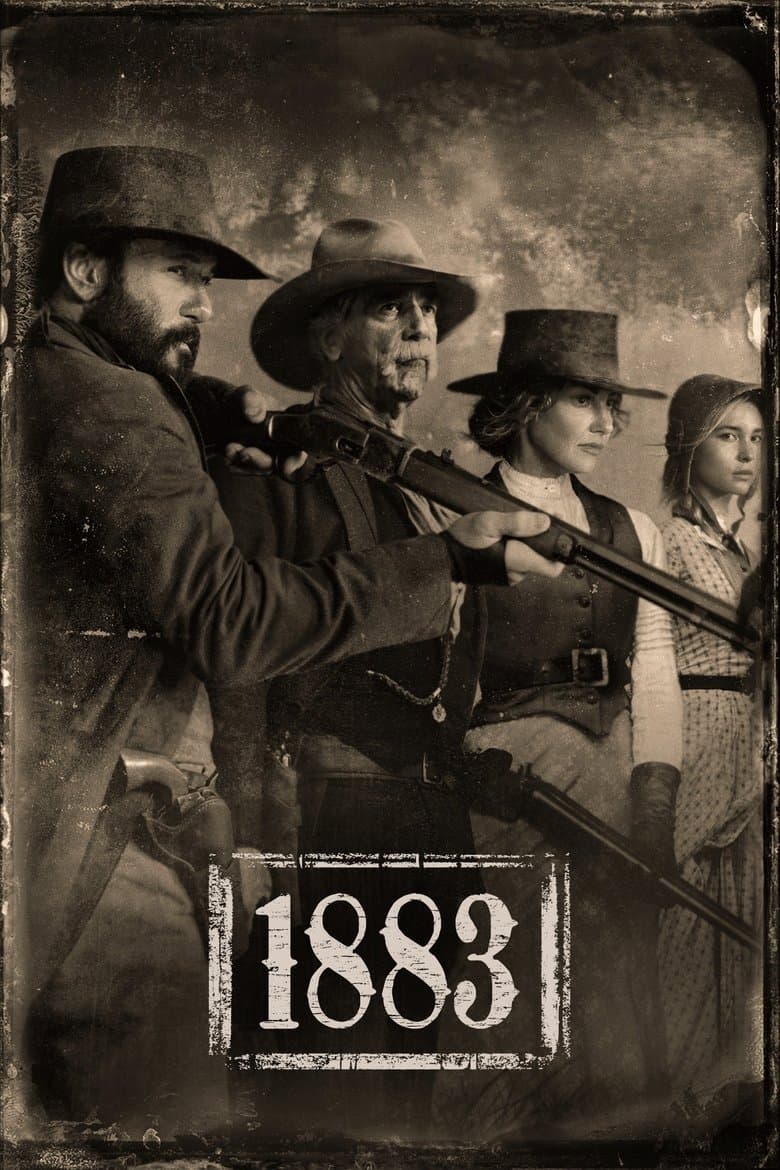
TV Show · 2021
Follow the Dutton family as they embark on a journey west through the Great Plains toward the last bastion of untamed America.
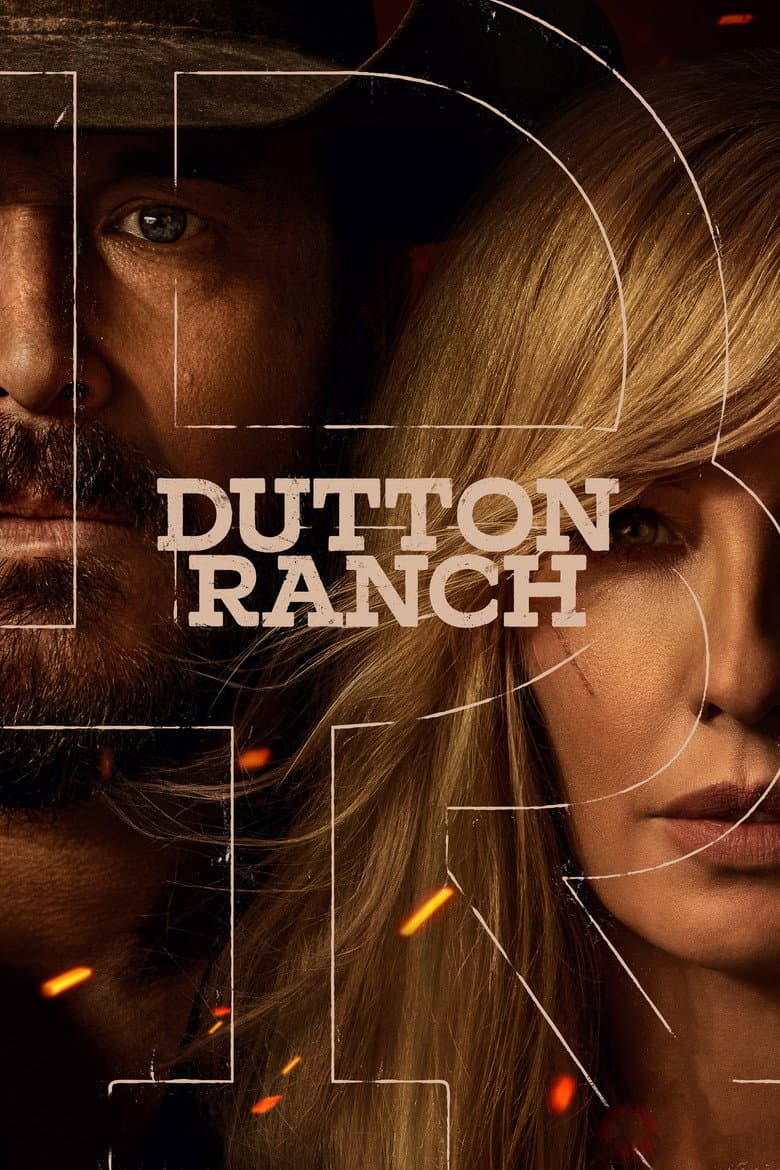
TV Show · 2026
Rip Wheeler and Beth Dutton gamble everything on a new life in South Texas, but the promise of building a future far from the ghosts of Yellowstone quickly collides with brutal…
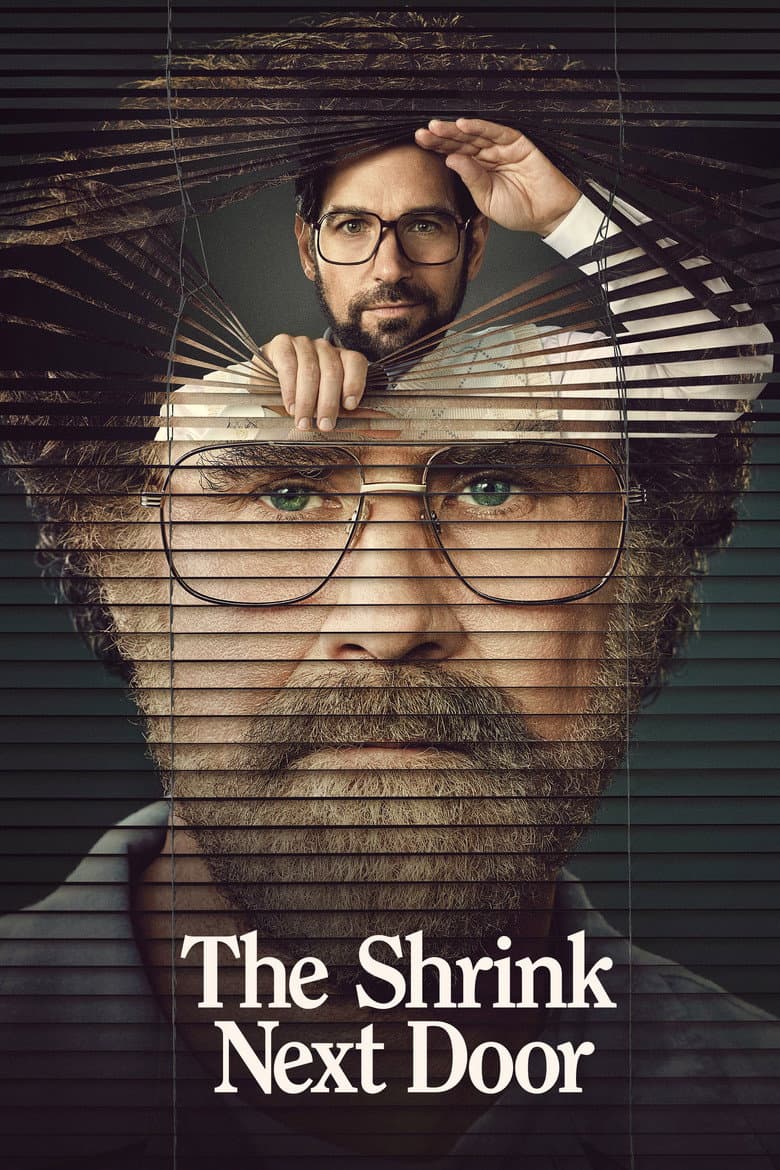
TV Show · 2021
Inspired by the true story of Marty and the therapist who turned his life around...then took it over. When he first meets Dr. Ike, Marty just wants to get better at boundaries.

TV Show · 2026
The Clyburns uproot their comfortable New York City lives to the wild, untamed beauty of Montana's Madison River Valley on a search for connection.

TV Show · 2024
Fascinated by cars since childhood, Brazilian racer Ayrton Senna became a sports legend — until tragedy struck, changing Formula 1 forever.

TV Show · 2022
This sweeping saga chronicles the hopes and dreams of a Korean immigrant family across four generations as they leave their homeland in an indomitable quest to survive and thrive.
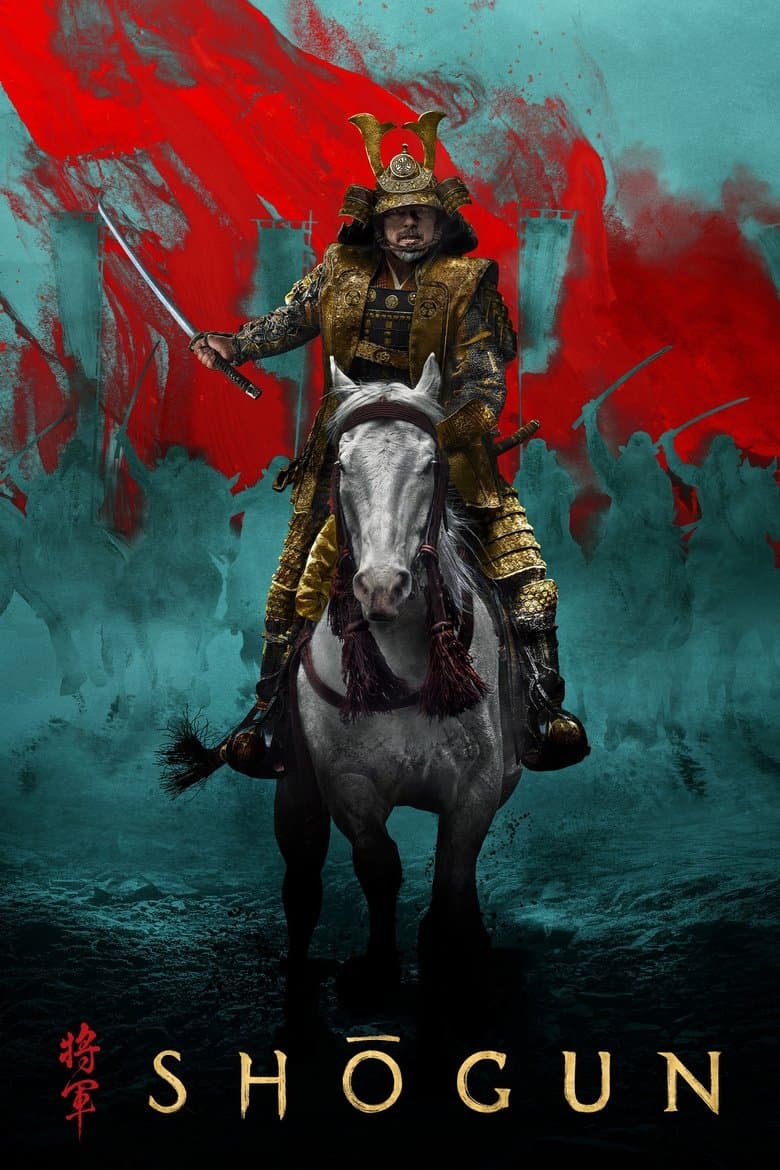
TV Show · 2024
In Japan in the year 1600, at the dawn of a century-defining civil war, Lord Yoshii Toranaga is fighting for his life as his enemies on the Council of Regents unite against him…
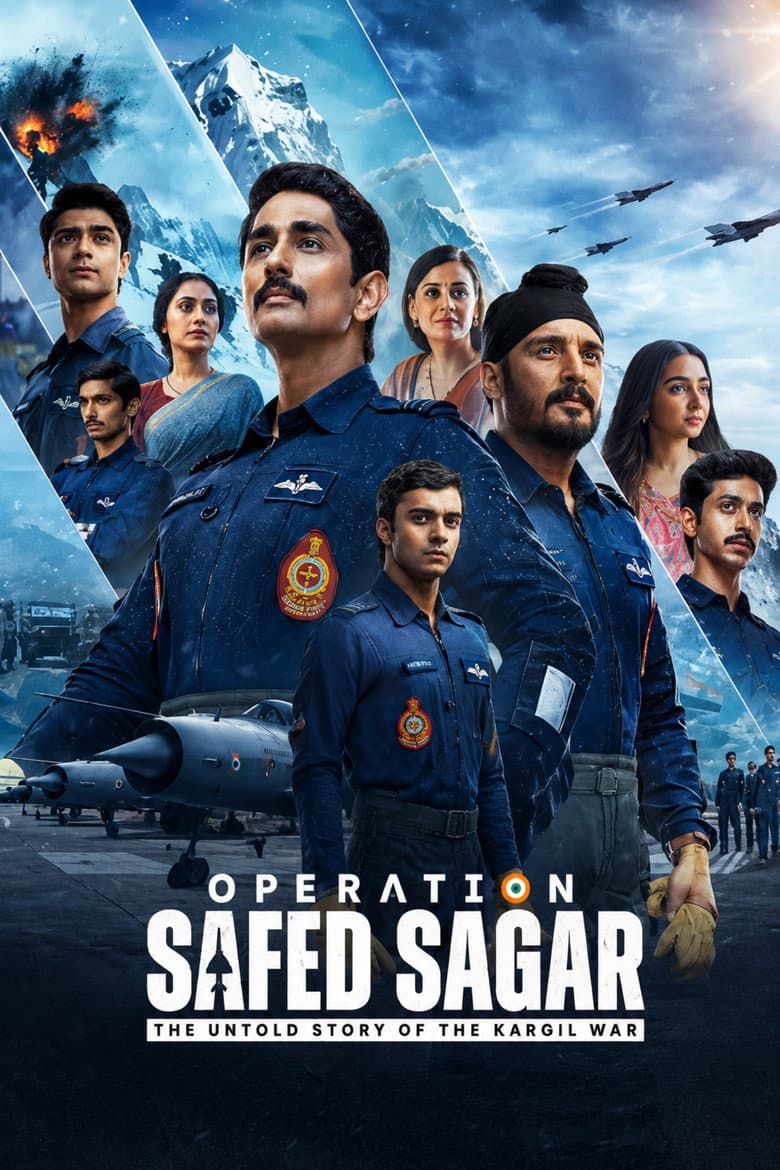
TV Show · 2026
As the Kargil War erupts between India and Pakistan, the Golden Arrows squadron of the Air Force takes flight on a dangerous mission behind enemy lines.
