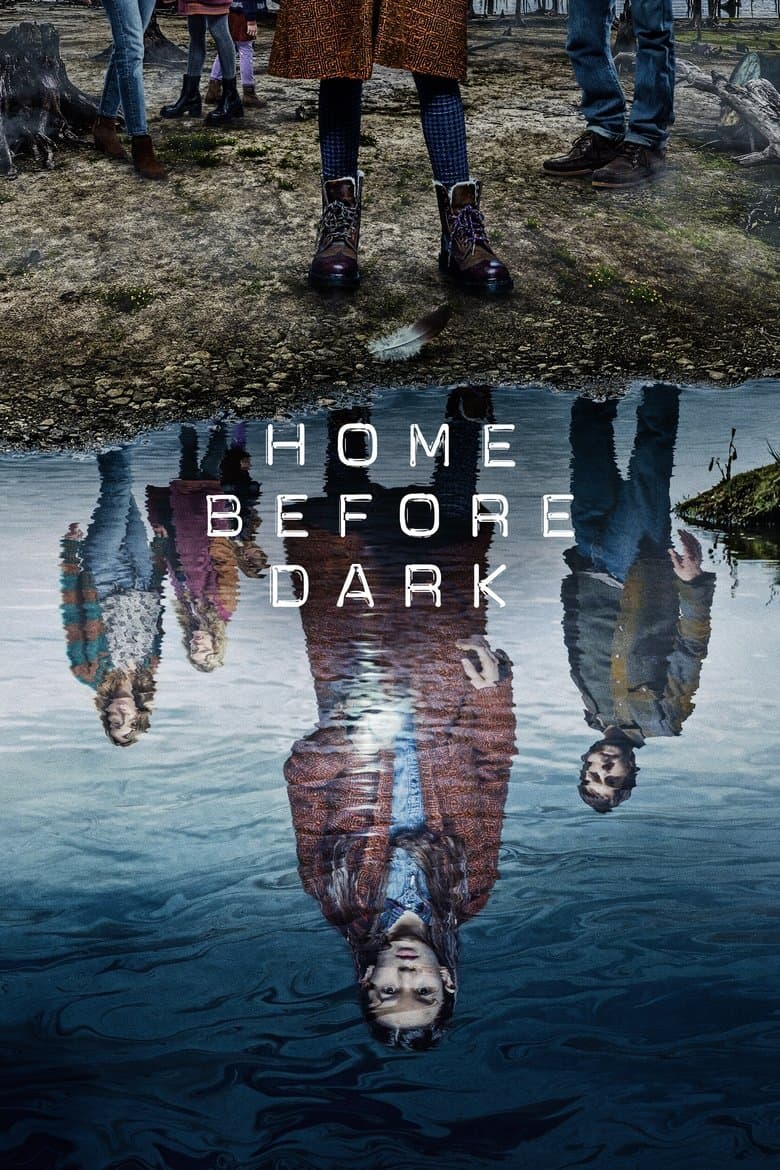
Started April 3, 2020 · Canceled · Based on 2 seasons, 20 episodes through August 13, 2021 · TV-14
Home Before Dark is a drama about a young girl named Hilde who moves to a small town. She works as a young journalist and tries to solve a mystery from her father's childhood. In the second season, Hilde fights a big corporation that is polluting the environment. The show features strong messages about girl power, environmentalism, and fighting racism. It also includes several LGBTQ+ characters and storylines.
Community feedback
Was our 88% Woke rating accurate?
Breakdown
These are the editorial factors and ratings behind our score for Home Before Dark.
Woke representation / casting
This factor scores high due to prominent identity-focused casting and the LGBTQ+ presents. Trip Johnson, a black woman, is cast as the deputy and then the county sheriff, a position of authority where she faces racial pushback from white male colleagues. More importantly, the show features prominent queer representation. Wesley "Spoon" Witherspoon is a gender-nonconforming child character who wears pink, makeup, and cat ears, and is heavily implied to be nonbinary or trans. There is also Emma, a lesbian teenager who forms a romantic relationship with Izzy. These confirmed LGBTQ+ elements add a significant boost to this score.
78%
Woke political dialogue
The dialogue frequently incorporates modern progressive talking points. Characters speak openly about systemic bias, sexism, and how girls are underestimated by adults. In Season 2, the dialogue shifts heavily toward environmental activism, with characters lecturing about the dangers of corporate pollution and the destruction of nature. There are also discussions about identity and acceptance when characters talk about gender expression and romantic feelings, particularly around Spoon's clothing choices and Emma's confession of her feelings for Izzy.
Production
55%
Identity-driven story themes
The show strongly emphasizes identity and social justice themes, especially in Season 2. It places two distinct queer storylines at the forefront: a teenage lesbian romance between Izzy and Emma, and a gender-nonconforming arc for Spoon. These LGBTQ+ elements require an aggressive score boost of +20-35 points. Additionally, the narrative focuses on girl power, with a young girl easily outsmarting seasoned adult men, and a black female sheriff fighting prejudice. The show also centers its second season on a massive corporate environmental pollution arc, mirroring real-world eco-activism.
82%
Western institutional / cultural critique
The series presents a strong critique of traditional Western institutions. The local police department is depicted as corrupt, incompetent, and deeply biased. In Season 1, the white male sheriff is shown as a corrupt figure who wrongfully jailed an innocent Indigenous man, Sam Gillis, due to systemic prejudice. Season 2 targets corporate capitalism by portraying a powerful local company as a greedy villain that is poisoning the local environment and the town's children for profit. Traditional authority figures and structures are consistently framed as untrustworthy or flawed.
68%
Woke character or canon changes
Not relevant. The series is inspired by the real-life story of young journalist Hilde Lysiak. While the show heavily fictionalizes her life, invents a dark mystery, and adds progressive subplots, these are ordinary adaptation and narrative additions rather than identity-driven swaps of established fictional canon or historical figures.
0%
Anti-woke backlash and complaints
The series faced noticeable anti-woke backlash from viewers. Many complaints online, including on Metacritic, criticized the show's sudden shift in Season 2 toward progressive messaging. Viewers objected to what they called the forced inclusion of a teenage lesbian romance and the focus on a gender-nonconforming child character. Others complained about the stereotypical depiction of white male characters as racist or corrupt, and argued that the show's writers ruined a good mystery to push a political agenda.
45%
Creator track record context
The creative team has a mixed track record. Co-creator Dara Resnik has a strong score of 65/100 due to her history of feminist works and progressive activism. Writer Carla Ching has a score of 85/100 as an intersectional feminist advocate. However, other key members like co-creator Dana Fox, writer Garrett Lerner, and director Jon M. Chu have low scores and focus on mainstream entertainment. The average of the creative team results in a moderate score, but the progressive creators heavily shaped the show's identity themes.
42%
TV Show · 2022
Identical twins Leni and Gina have secretly switched places for years. But when one sister disappears, both of their lives start to fall apart.
TV Show · 2019
A Philadelphia couple are in mourning after an unspeakable tragedy creates a rift in their marriage and opens the door for a mysterious force to enter their home.
TV Show · 2024
John Sugar is a dashing private eye navigating the dark corners of sunny LA. Though he sees only the good in humanity, Sugar is haunted by a secret too dangerous to expose.
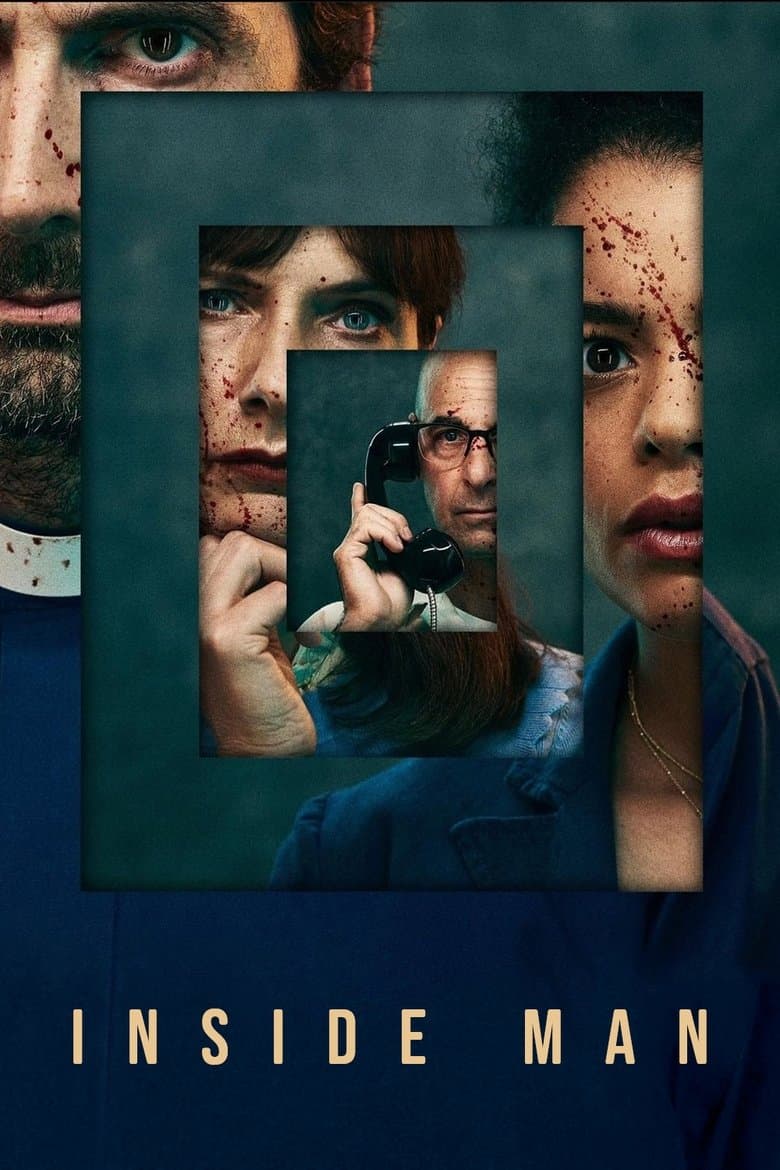
TV Show · 2022
A prisoner on death row in the US, a vicar in a quiet English town, and a maths teacher trapped in a cellar cross paths in the most unexpected way.
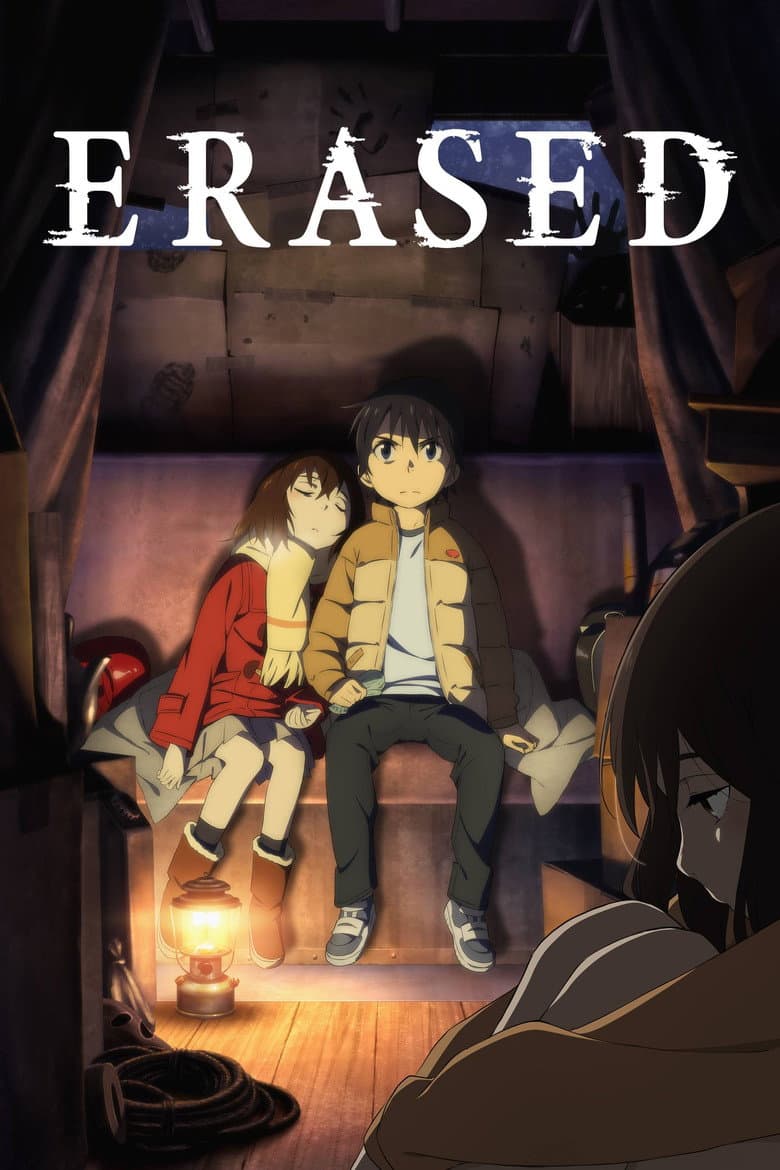
TV Show · 2016
Satoru Fujinuma is a struggling manga artist who has the ability to turn back time and prevent deaths. When his mother is killed he turns back time to solve the mystery, but ends…
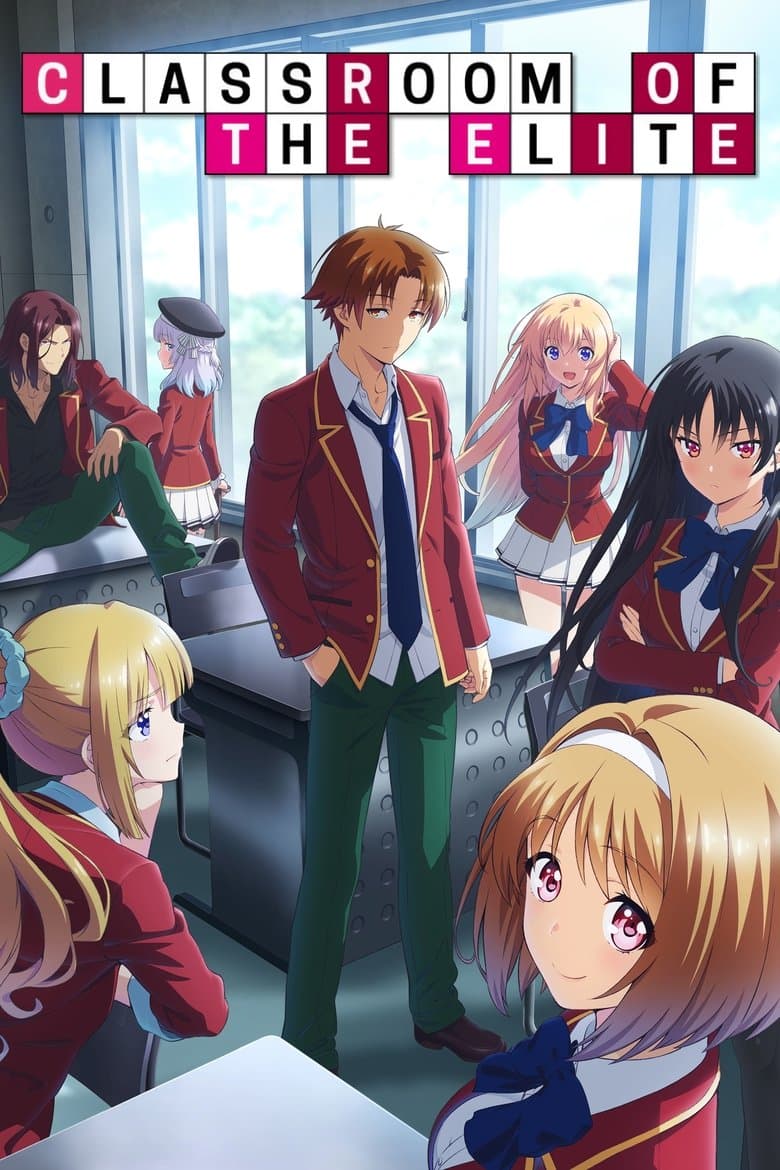
TV Show · 2017
Kiyotaka Ayanokouji enrolls at the prestigious Tokyo Koudo Ikusei Academy, but is assigned to Class 1-D, where students with behavioral problems are housed.
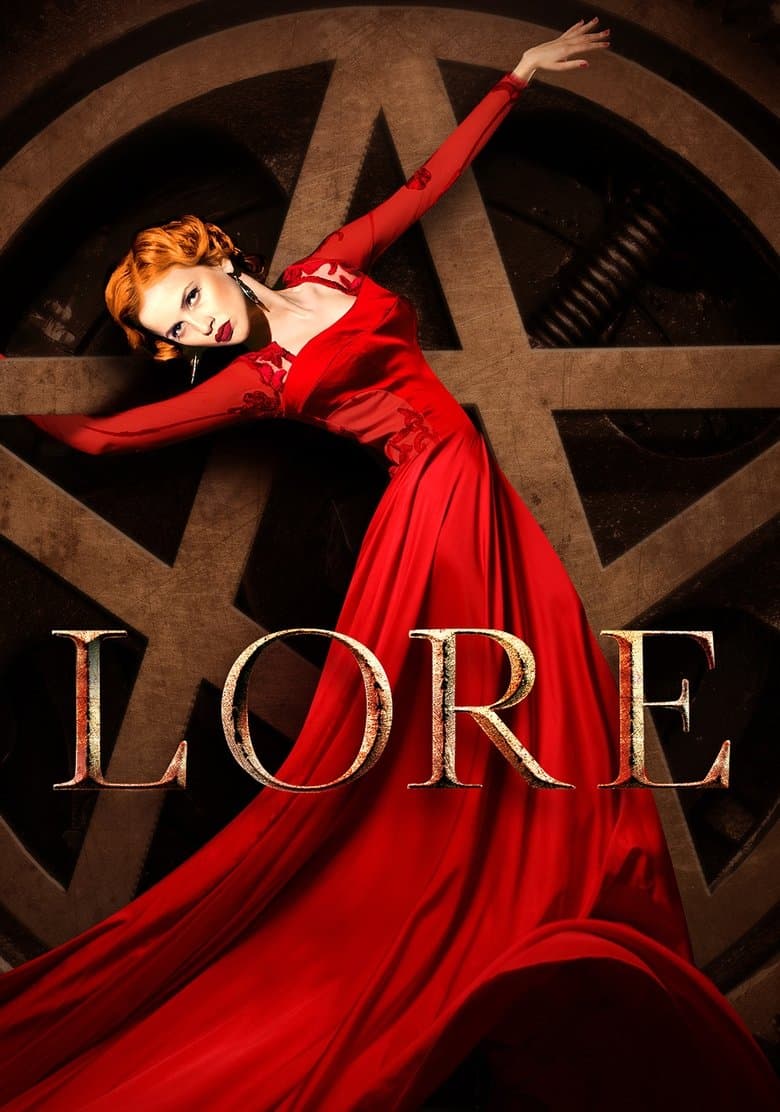
TV Show · 2017
This anthology series brings to life Aaron Mahnke's titular podcast and uncovers the real-life events that spawn our darkest nightmares.
TV Show · 2021
Facing an existential threat that could bring down the Crime Lab, a brilliant team of forensic investigators must welcome back old friends and deploy new techniques to preserve…
