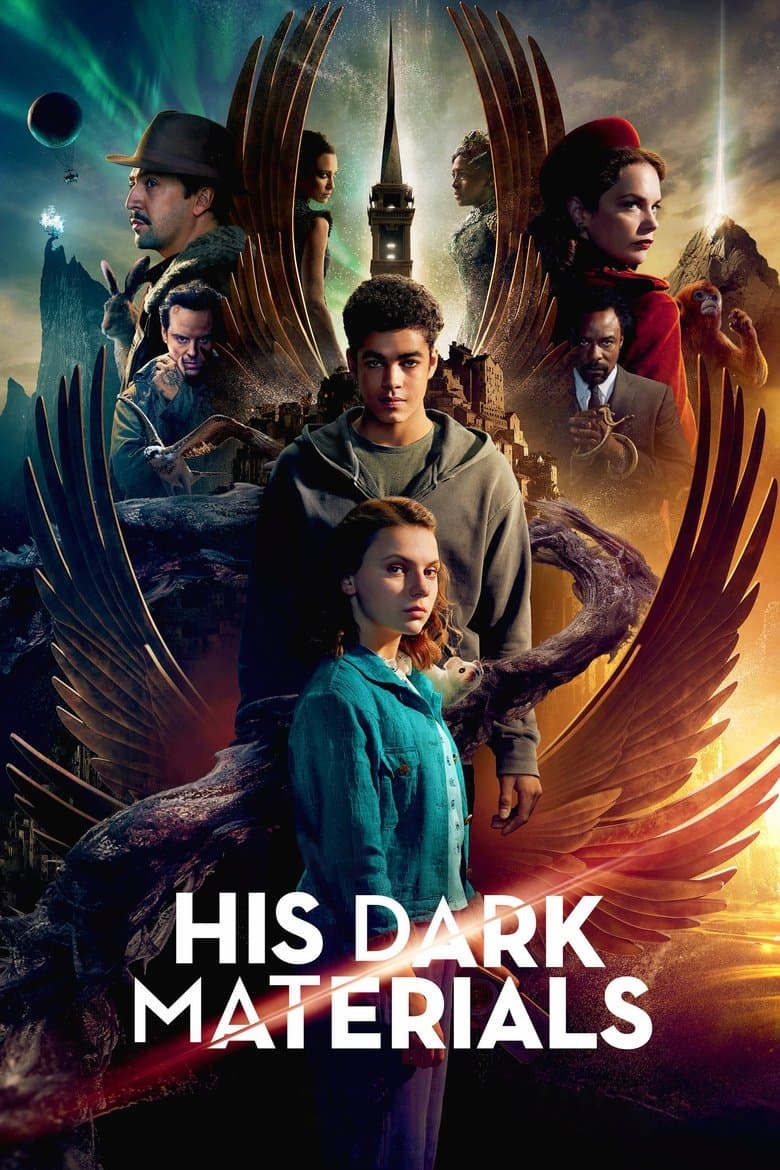
Started November 3, 2019 · Ended · Based on 3 seasons, 23 episodes through February 5, 2023 · TV-14 · 53 min
His Dark Materials is a three-season BBC/HBO fantasy series adapting Philip Pullman's trilogy. It follows young Lyra in a parallel world of daemons and Dust as she uncovers a plot by the repressive Magisterium, later joined by Will in a cross-world fight against celestial powers. The core story stresses free will, rebellion against authority, and the worth of human experience. Season 3 adds a visible queer update to one character's backstory while casting includes some diversity shifts from the books' implications.
Community feedback
Was our 56% Woke rating accurate?
Breakdown
These are the editorial factors and ratings behind our score for His Dark Materials.
Woke representation / casting
Some audience-visible diversity in supporting roles and the Gyptian leader played by a black actor, creating a mild mismatch with book ethnic implications for a few viewers; not heavily marketed or central to the premise.
30%
Woke political dialogue
Anti-religious authority lines promote free will and skepticism of dogma, but this stays within classical liberal and humanist framing from the source books rather than modern identity or systemic critique language.
15%
Identity-driven story themes
Main arc centers on consciousness, rebellion against tyranny, and personal growth; later seasons add clearer queer emphasis through one character's updated backstory, making identity elements more noticeable to viewers finishing the series.
45%
Western institutional / cultural critique
The Magisterium appears as a controlling religious power suppressing truth and pleasure; this follows the books' anti-clerical allegory directly and avoids reframing into contemporary activist topics like toxic masculinity or colonial guilt.
25%
Woke character or canon changes
The clearest shift is season 3's change to Mary Malone's romantic awakening and relationship, turning it lesbian and adding visible queer representation; most other adaptations remain close to the source with only minor non-ideological updates.
50%
Anti-woke backlash and complaints
Limited conservative notes on casting choices as forced or inauthentic; dominant complaints targeted the anti-Christian themes instead of DEI or identity politics, with no widespread right-leaning social media storm.
15%
Creator track record context
Key contributors include writers with moderate activist leanings in prior work and one director with strong recent queer-focused output plus personal statements; Philip Pullman adds classical secular liberalism without heavy identity emphasis, producing an overall moderate elevation.
42%
Production
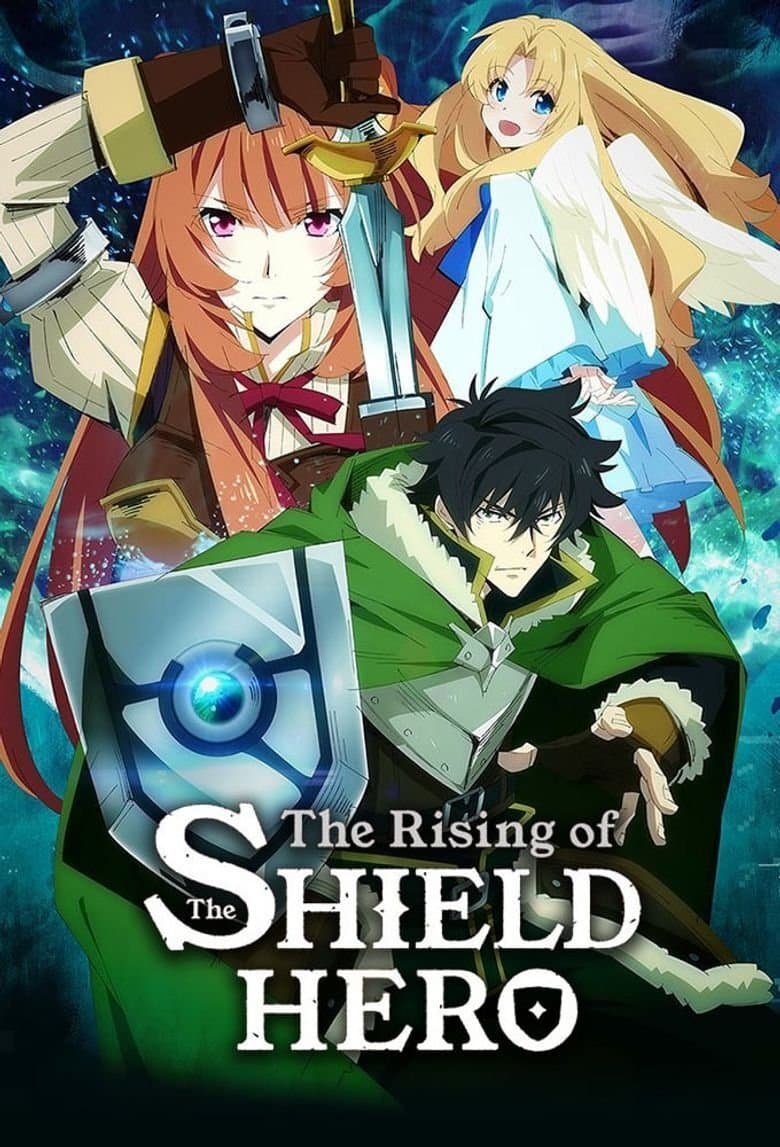
TV Show · 2019
Iwatani Naofumi, a run-of-the-mill otaku, finds a book in the library that summons him to another world. He is tasked with joining the sword, spear, and bow as one of the Four…
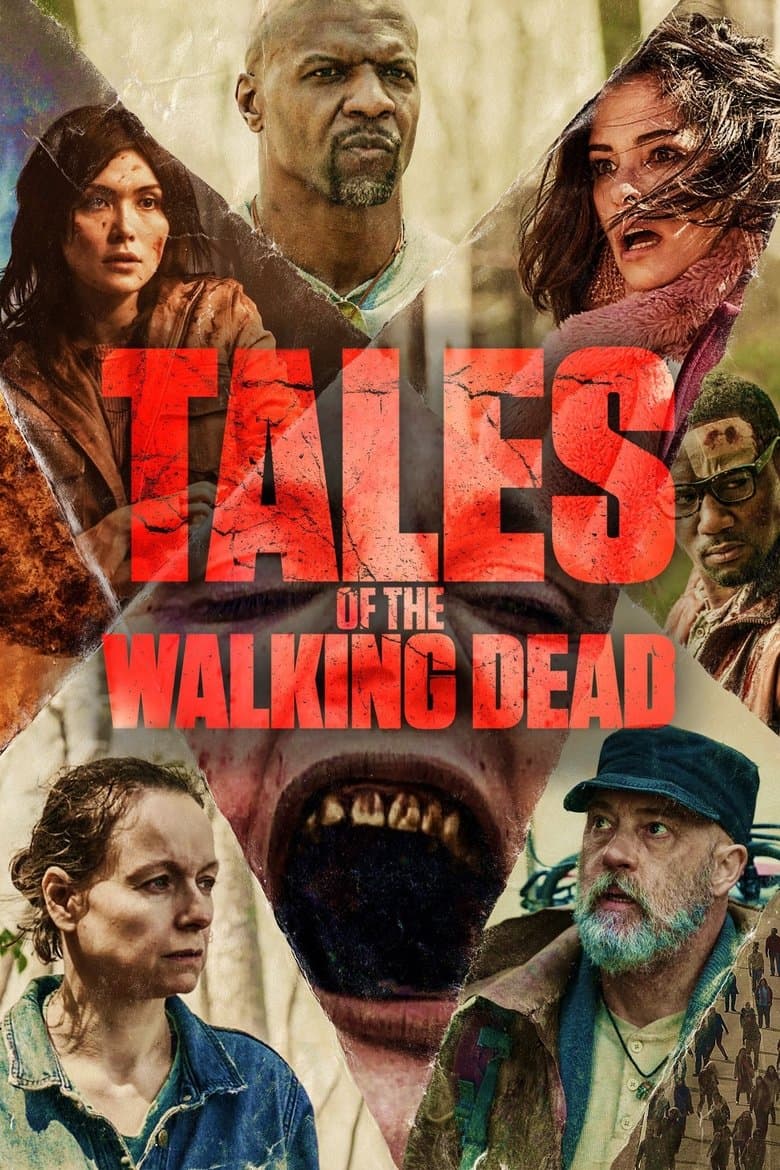
TV Show · 2022
An episodic anthology series focused on both new and established characters set in the world of "The Walking Dead."
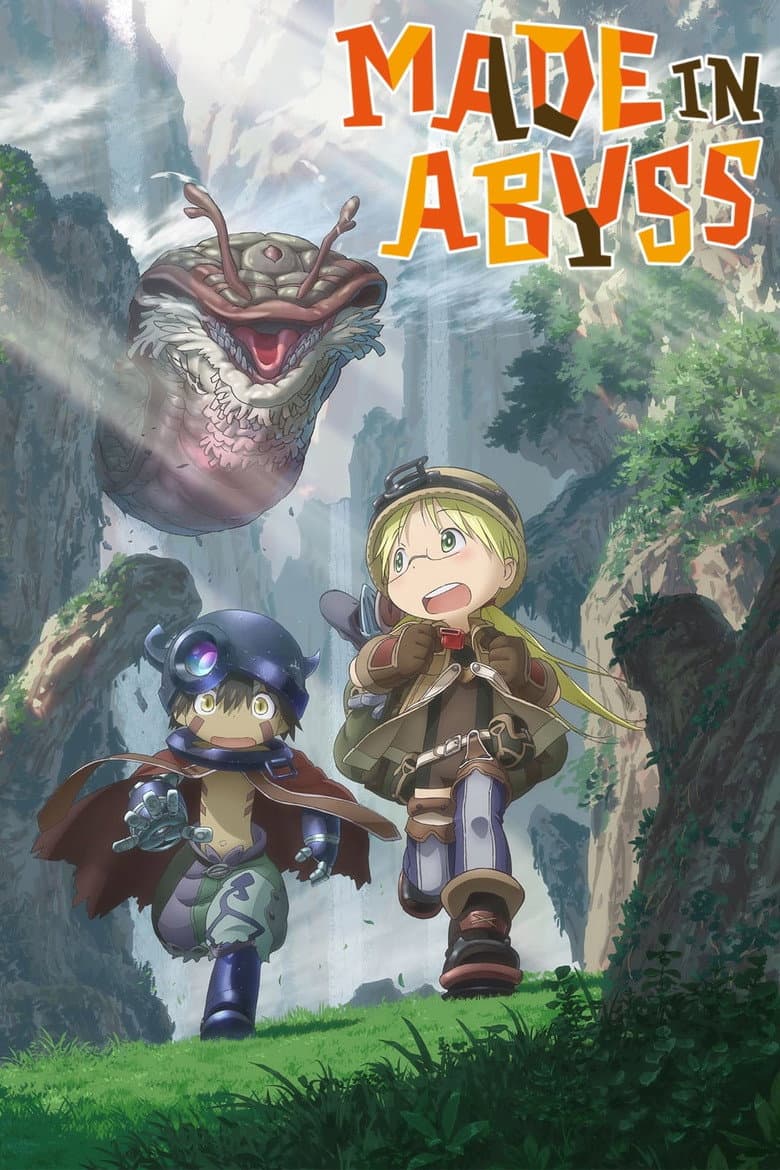
TV Show · 2017
Located in the center of a remote island, the Abyss is the last unexplored region, a huge and treacherous fathomless hole inhabited by strange creatures where only the bravest…
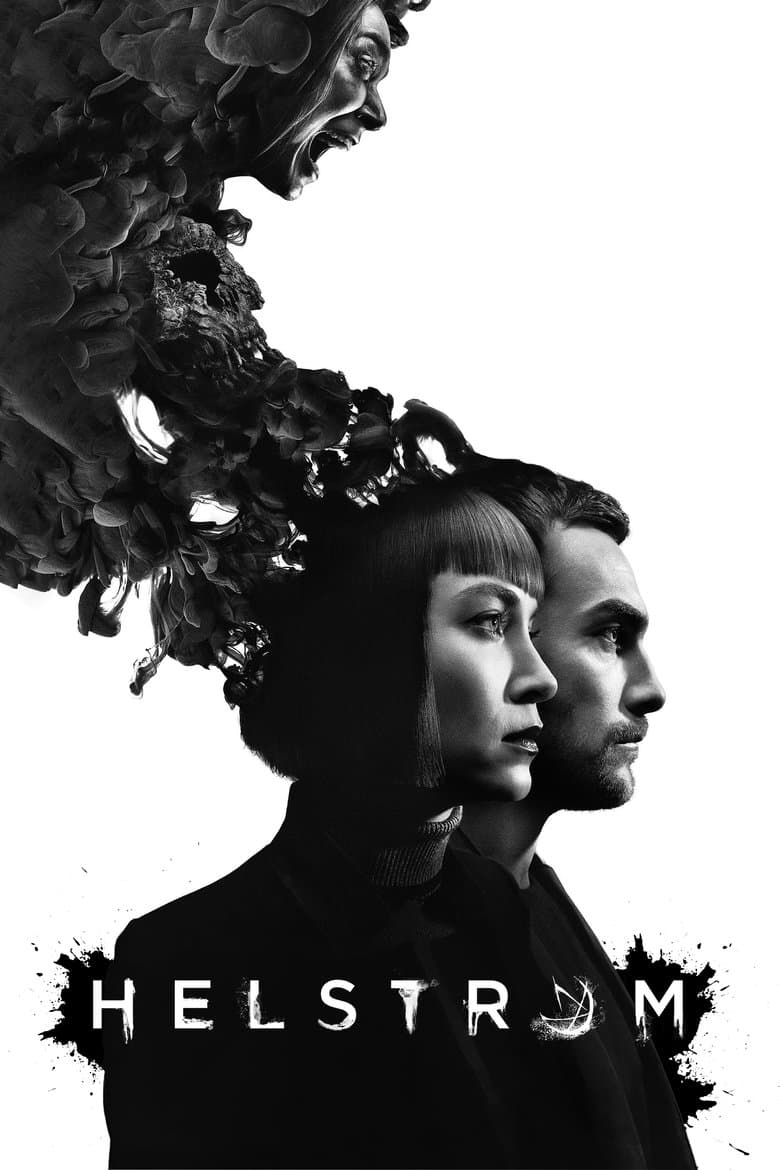
TV Show · 2020
Daimon and Ana Helstrom are the son and daughter of a mysterious and powerful serial killer. The siblings have a complicated dynamic as they track down the terrorizing worst of…
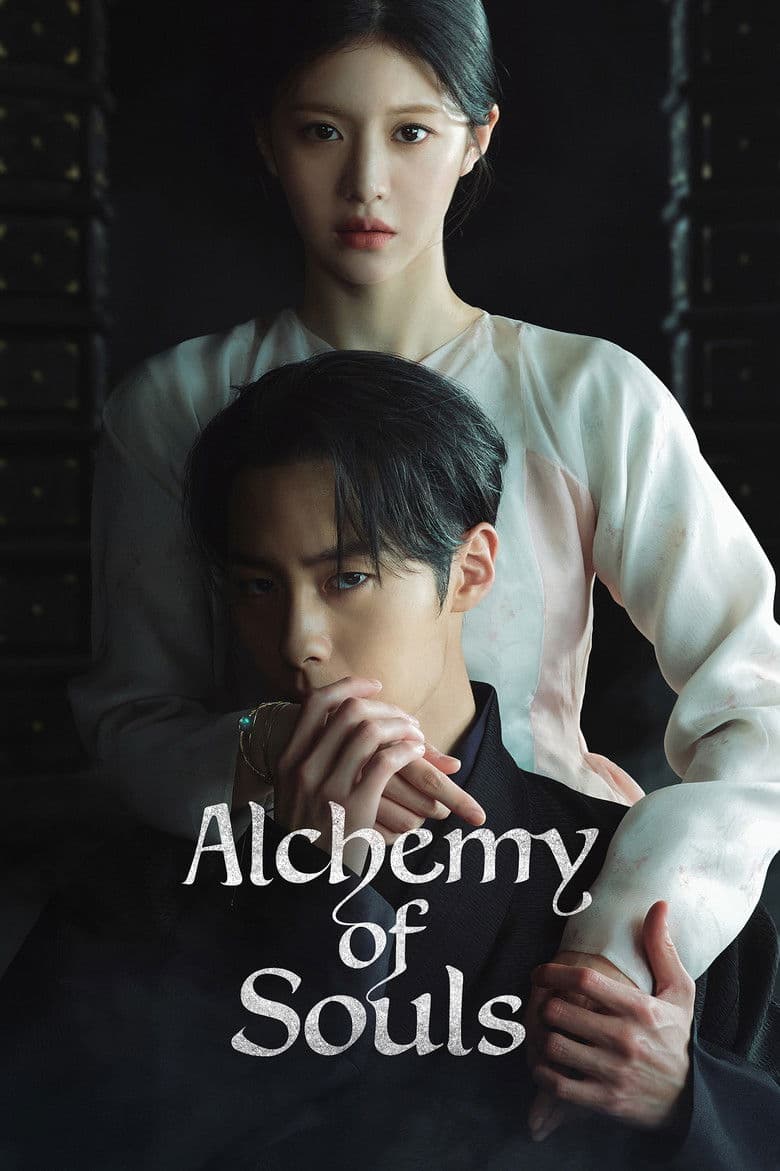
TV Show · 2022
A powerful sorceress in a blind woman's body encounters a man from a prestigious family, who wants her help to change his destiny.
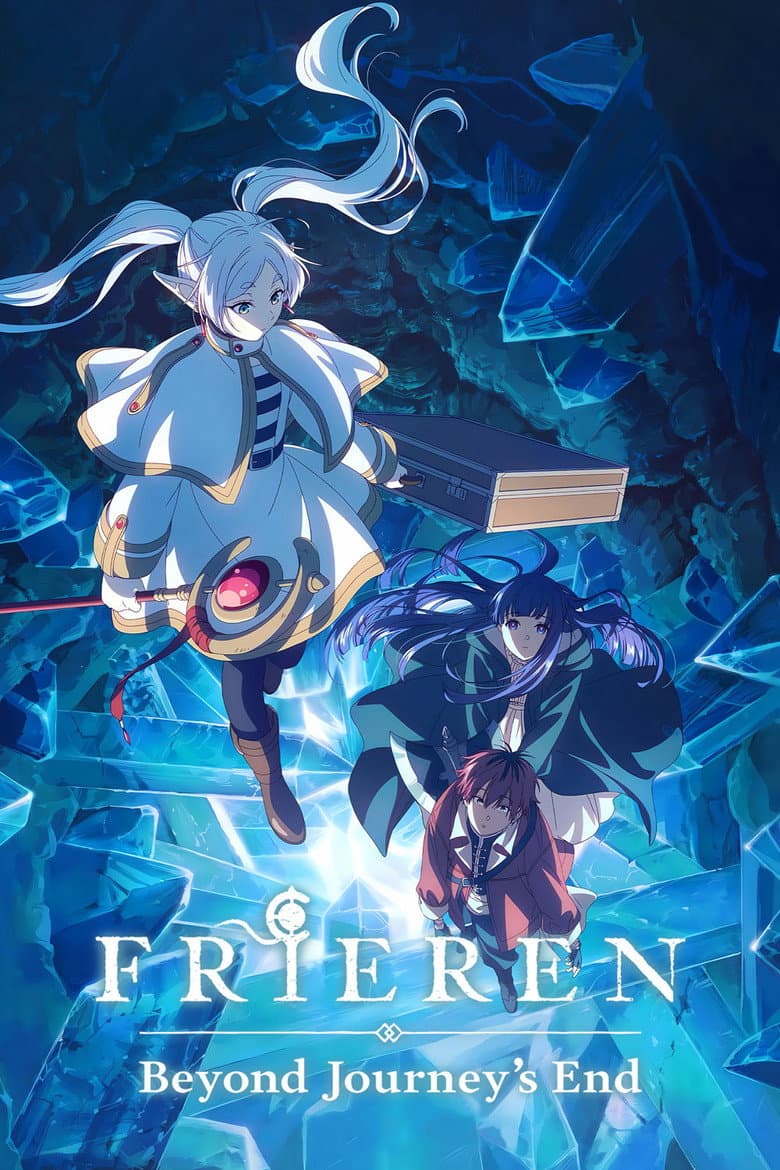
TV Show · 2023
After the party of heroes defeated the Demon King, they restored peace to the land and returned to lives of solitude.
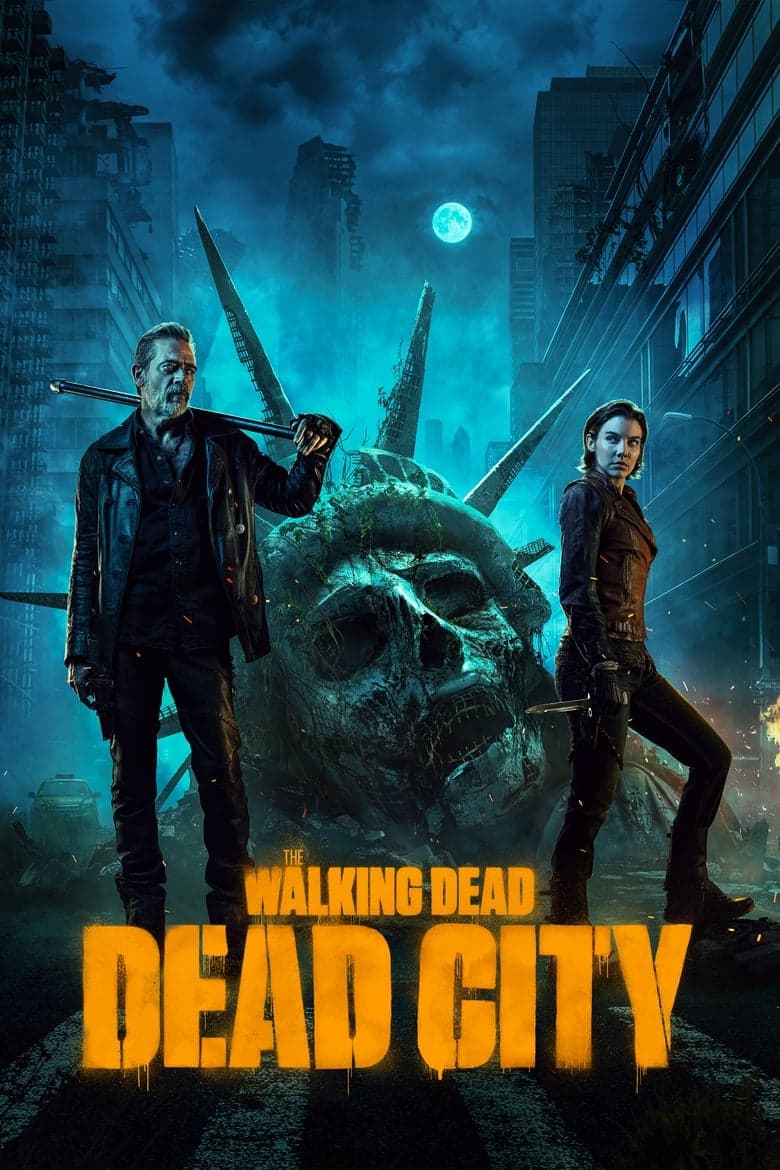
TV Show · 2023
Maggie and Negan travel to post-apocalyptic Manhattan - long ago cut off from the mainland. The crumbling city is filled with the dead and denizens who have made it a world full…
TV Show · 2022
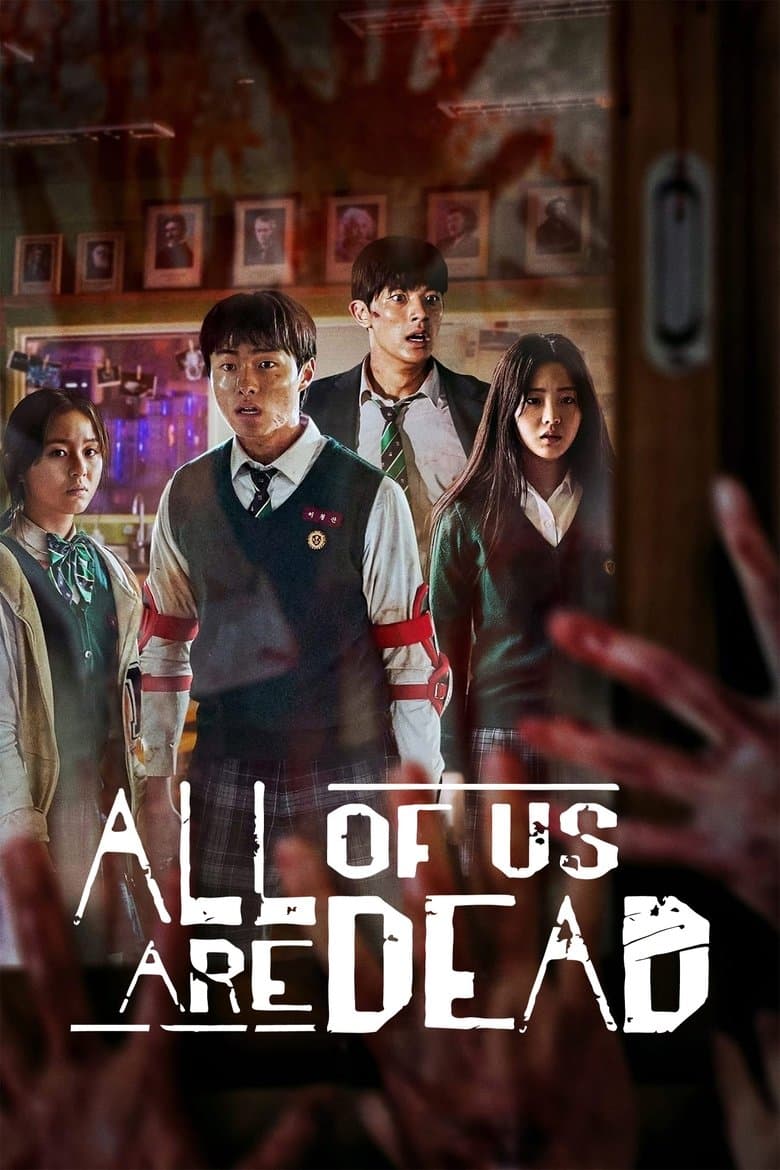
A high school becomes ground zero for a zombie virus outbreak. Trapped students must fight their way out — or turn into one of the rabid infected.
