
Started September 17, 2024 · Returning Series · Based on 2 seasons, 31 episodes through April 7, 2026 · TV-14
High Potential is an ABC crime dramedy that follows Morgan Gillory, a single mother of three with an IQ of 160 who works as a cleaner at the LAPD and gets recruited as a consultant to solve tough cases alongside a methodical detective partner. It adapts the French series HPI with adjustments to make the lead more grounded and respectful. In season 2, a subplot shows Morgan's daughter Ava (played by black actress Amirah J) dealing with social media posts questioning whether she earned an art program spot only because she is black; she has a heart-to-heart with black female detective Daphne about proving the doubters wrong. The supporting cast features several actors of color in visible LAPD roles in a modern Los Angeles setting, while the white lead's competence stems directly from the high-IQ premise.
Community feedback
Was our 37% Woke rating accurate?
Breakdown
These are the editorial factors and ratings behind our score for High Potential.
Woke representation / casting
Clear patterns of diverse supporting cast in prominent LAPD roles, including black actress Javicia Leslie as investigator Daphne and Latina Judy Reyes as unit head Selena Soto. Morgan's teen daughter Ava is played by black actress Amirah J in a family headed by white mother Kaitlin Olson. Season 2 features an audience-visible subplot where social media questions Ava's art program selection because she is black, prompting a heart-to-heart with Daphne. Casting fits modern LA demographics but includes deliberate choices that emphasize identity in family and one plotline; not the dominant focus or heavily marketed as representation-first.
45%
Woke political dialogue
Mostly standard procedural dialogue, banter, and personal/family moments with no recurring activist lectures or explicit DEI language. One viewer specifically called out a season 2 episode for preachy, posturing handling of racial and women's struggles with corny, unnatural dialogue. No broader reports of heavy political or institutional messaging across the two seasons.
20%
Identity-driven story themes
Core story revolves around intellect-driven crime-solving, single-mom family life with positive co-parenting notes, and a personal mystery about the missing ex-husband. The main visible identity element is the season 2 Ava subplot on racial merit doubts, handled through personal advice to "prove them wrong." No central queer themes, anti-patriarchy framing, or identity-first arcs. The French original emphasized working-class resentment of the wealthy more strongly; the US version deliberately toned that down for a more grounded tone.
20%
Western institutional / cultural critique
The show depicts positive, collaborative work with LAPD structures and a by-the-book detective partner; no anti-police, systemic critique, or reframing of institutions through modern identity politics. Occasional cases hit emotionally close to home for characters. One episode reportedly touched women's struggles in a way one viewer found preachy. Standard crime procedural without activist institutional messaging.
15%
Woke character or canon changes
Not relevant. This is a format adaptation of the French HPI series. Changes focused on softening the lead character's flippancy and adding respectfulness for sensitivity around cases and victims. No identity-driven swaps, reinterpretations of established characters, or ideological alterations to source material or real events.
0%
Anti-woke backlash and complaints
Evidence is limited and isolated. One Facebook group post explicitly criticized a season 2 episode for preachy racial/women struggle elements and posturing. No major news stories, widespread social media outrage, or sustained campaigns framing the show as pushing woke, DEI, or left-wing identity content. Broader reception treats it as light entertainment with strong lead performance; searches show an absence of significant right-leaning complaints.
15%
Creator track record context
US key figures include Drew Goddard (humanist, no activism per cached summary) and writers from mainstream procedurals and comedies with low cached or researched signals. French co-creators Nicolas Jean, Stéphane Carrié, and Alice Chegaray-Breugnot have no public records of activist or identity-driven work. Minor supporting signals include director James Roday Rodriguez's 2020 public statements reclaiming heritage and ally language amid racial events, plus producer Kaitlin Olson's 2016 participation in an HRC tribute video for Pulse victims. No strong, repeated pattern of identity politics or activist creative output across the team that shapes the title's content or marketing.
12%
Production
TV Show · 2021
Facing an existential threat that could bring down the Crime Lab, a brilliant team of forensic investigators must welcome back old friends and deploy new techniques to preserve…
TV Show · 2021
A detective in a small Pennsylvania town investigates a local murder while trying to keep her life from falling apart.
TV Show · 2020
Hiding a twisted past, a man maintains his facade as the perfect husband to his detective wife — until she begins investigating a series of murders.
TV Show · 2025
A brash but brilliant cop becomes head of a new police department, where he leads an unlikely team of misfits in solving Edinburgh's cold cases.
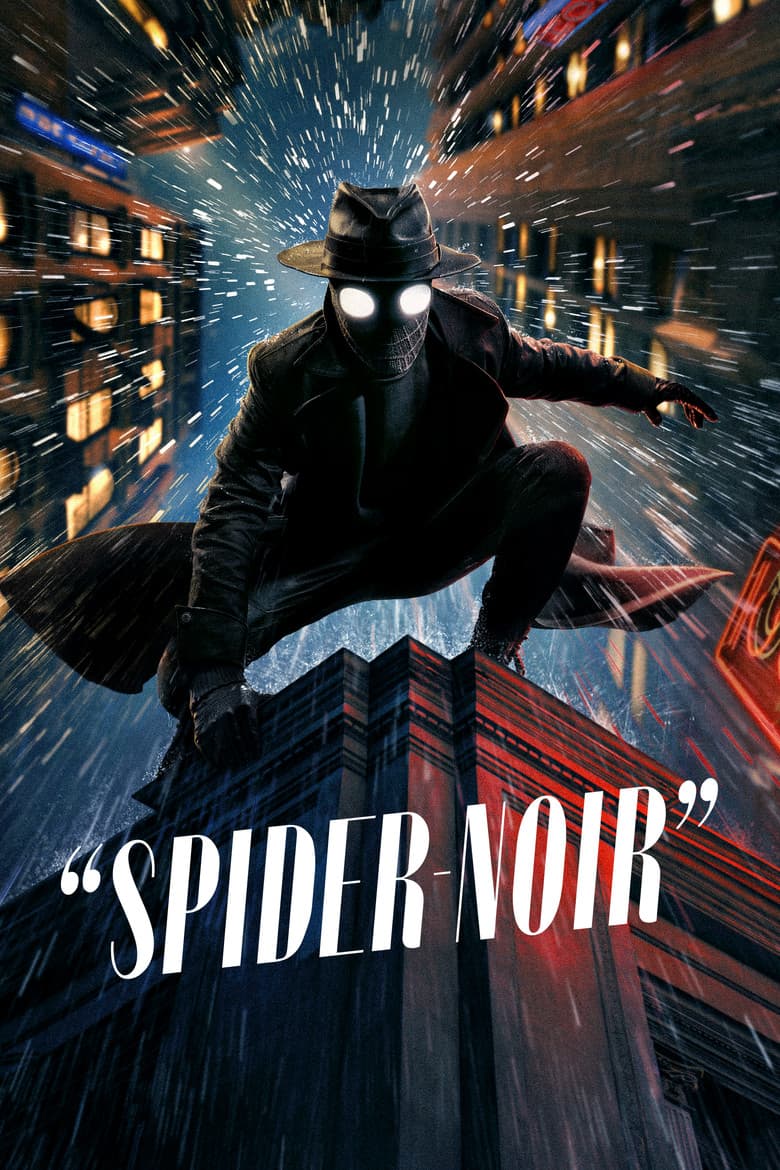
TV Show · 2026
Ben Reilly, an aging and down on his luck private investigator in 1930s New York, is forced to grapple with his past life as the city's one and only superhero.
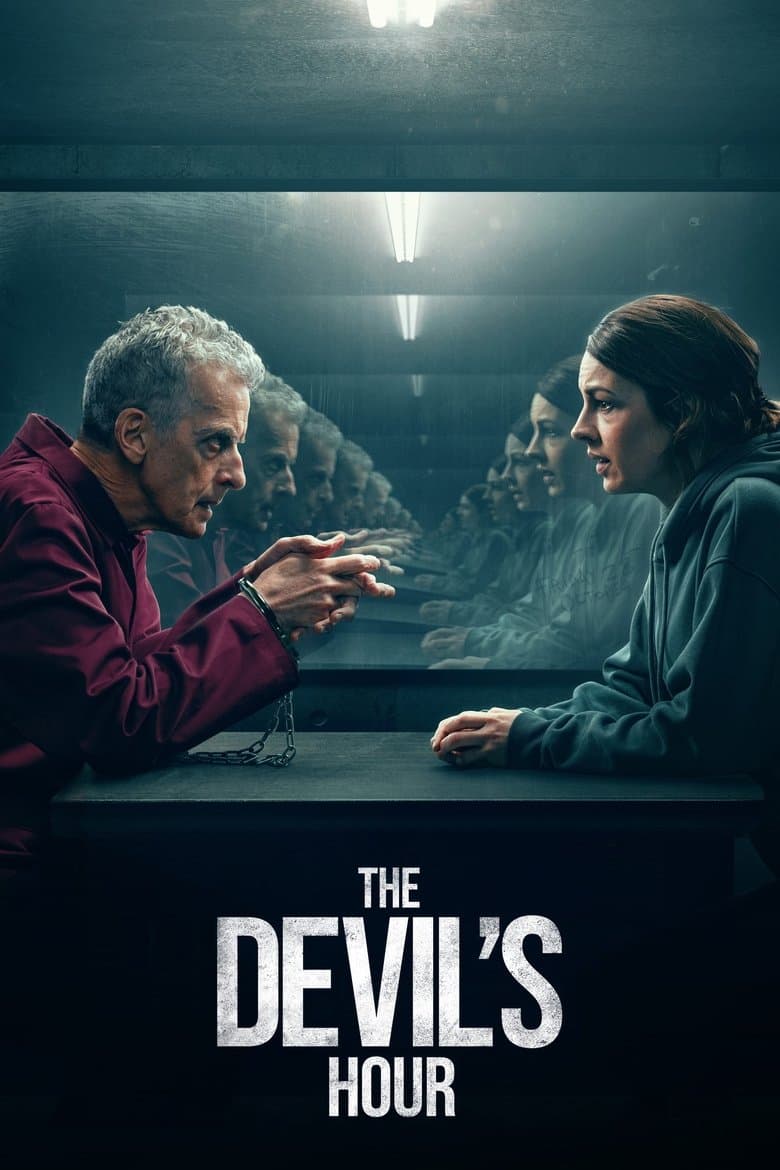
TV Show · 2022
Lucy wakes every night at exactly 3:33am. Nothing in her life has made sense for a long time. But the answers are out there, somewhere, at the end of a trail of brutal murders.
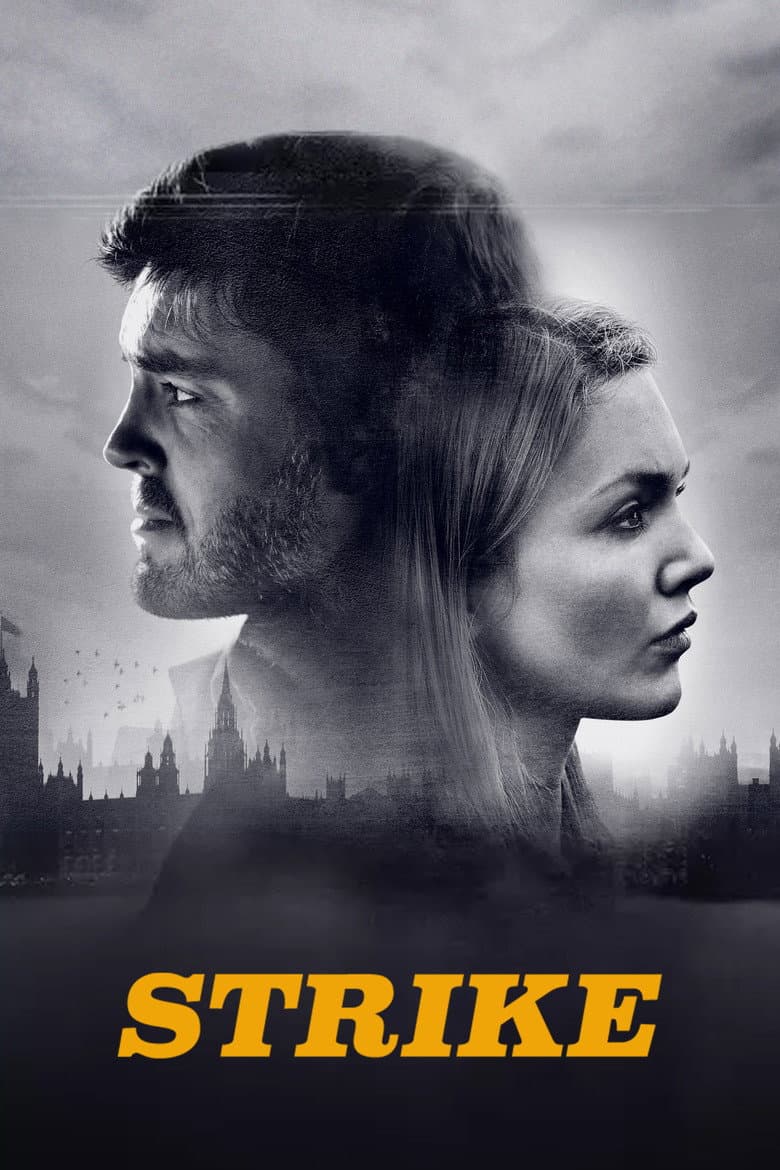
TV Show · 2017
A war veteran turned private detective operates out of a tiny office in London’s Denmark Street. Although wounded both physically and psychologically, his unique insight and…
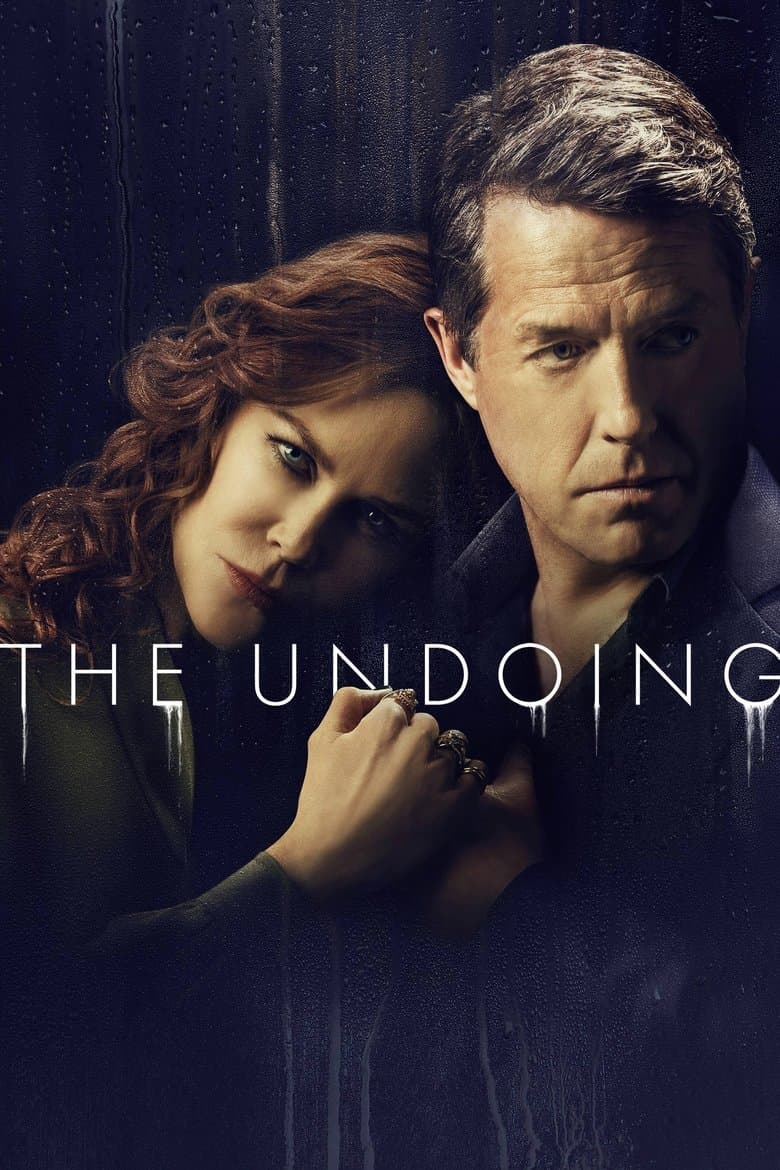
TV Show · 2020
Grace and Jonathan Fraser are living the only lives they ever wanted. Overnight a chasm opens in their lives: a violent death and a chain of terrible revelations.
