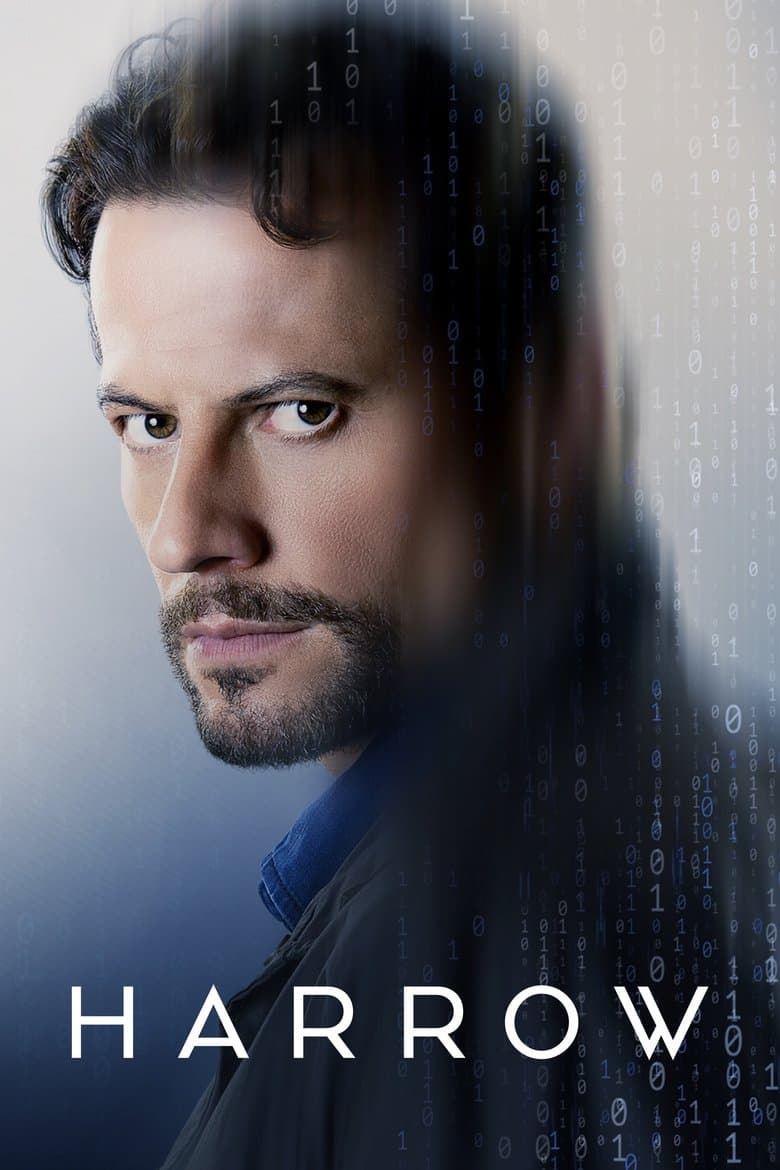
Started March 9, 2018 · Ended · Based on 3 seasons, 30 episodes through April 11, 2021 · M · 43 min
Harrow is an Australian medical drama about Dr. Daniel Harrow, a forensic doctor who bends the rules to solve crimes. He also hides a dark secret from his past to protect his family. The series is mostly a standard mystery show with case-of-the-week plots. However, some episodes focus on gay identity and progressive social issues. The main cast also features diverse and gay characters, and a major plotline in the final season involves corporate quotas.
Community feedback
Was our 54% Woke rating accurate?
Breakdown
These are the editorial factors and ratings behind our score for Harrow.
Woke representation / casting
The show features a clear pattern of diverse casting. This includes a gay protégé as a main character in early seasons, an indigenous boyfriend for Harrow's daughter, and a black/multiracial assistant in later seasons. The final season also features a Maori woman as the boss of the medical institute. The inclusion of visible gay and multiracial characters raises this score due to the required weighting for queer representation.
50%
Woke political dialogue
The show contains occasional political and social-justice dialogue. In early seasons, characters discuss homophobia and gay acceptance. In the third season, characters discuss corporate restructuring, management mandates, and the implementation of staffing quotas. The political dialogue is noticeable but remains in the background of the main mystery plots.
Production
35%
Identity-driven story themes
Several episodes feature identity-driven storylines. For example, one episode centers on a gay teenager's murder and the homophobia he faced from a rich white man. The protégé's gay identity is also a regular recurring theme. These elements combine with the quota-focused corporate plotlines to create noticeable progressive themes.
50%
Western institutional / cultural critique
Dr. Harrow is a classic maverick who fights authority and corporate management. The show criticizes corporate bureaucracy and unfeeling administration, especially during the third season's quota plotline. However, this is a standard mystery trope rather than a modern activist attack on Western culture.
0%
Woke character or canon changes
Not present in this title.
0%
Anti-woke backlash and complaints
Some online viewers and niche anti-woke review sites complained about the show's politics. They pointed to the depiction of wealthy white men as homophobic villains and the inclusion of cartoonish neo-Nazis. However, this backlash is very minor and did not reach the mainstream.
20%
Creator track record context
The main creators and writers have standard professional profiles. However, several producers have a strong history of funding feminist, First Nations, and queer stories. Some directors also have a track record of focusing on social justice. This creates a moderately progressive creative background.
35%
TV Show · 2018
After his daughter goes missing, a widower begins uncovering the dark secrets of the people closest to him.
TV Show · 2021
A detective in a small Pennsylvania town investigates a local murder while trying to keep her life from falling apart.
TV Show · 2022
When a man wakes up in the Australian outback with no memory, he must use the few clues he has to discover his identity before his past catches up with him.
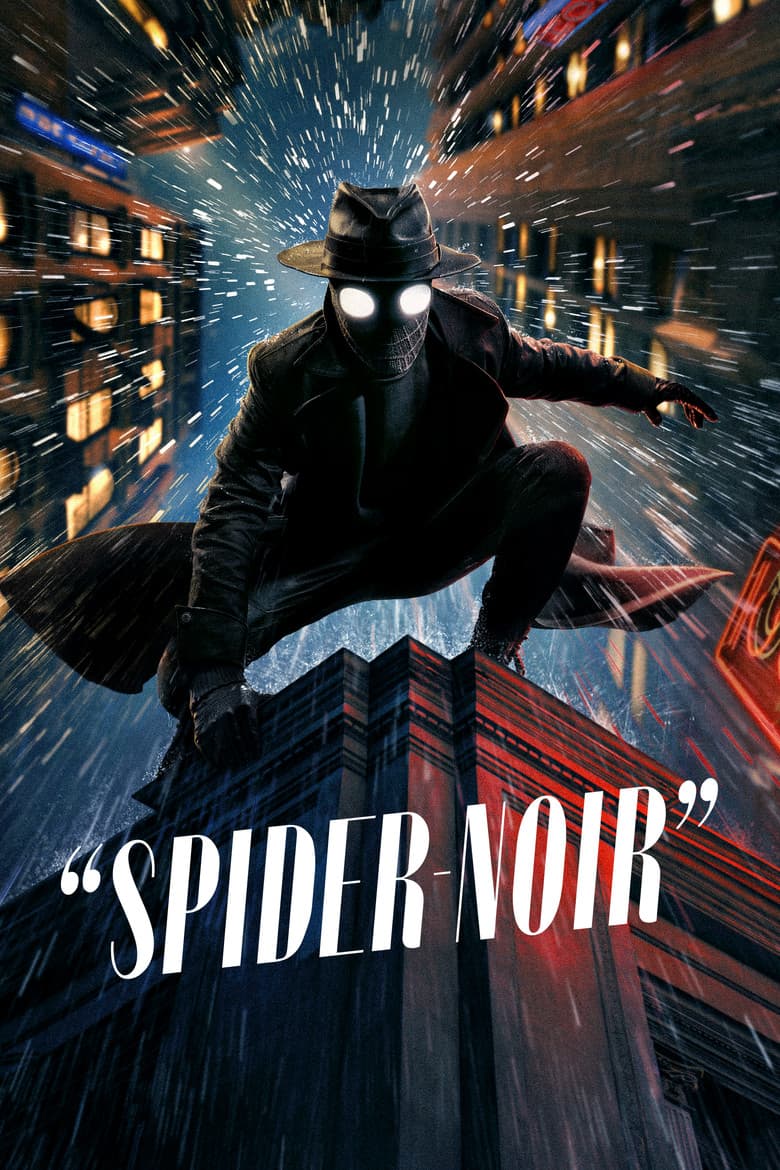
TV Show · 2026
Ben Reilly, an aging and down on his luck private investigator in 1930s New York, is forced to grapple with his past life as the city's one and only superhero.
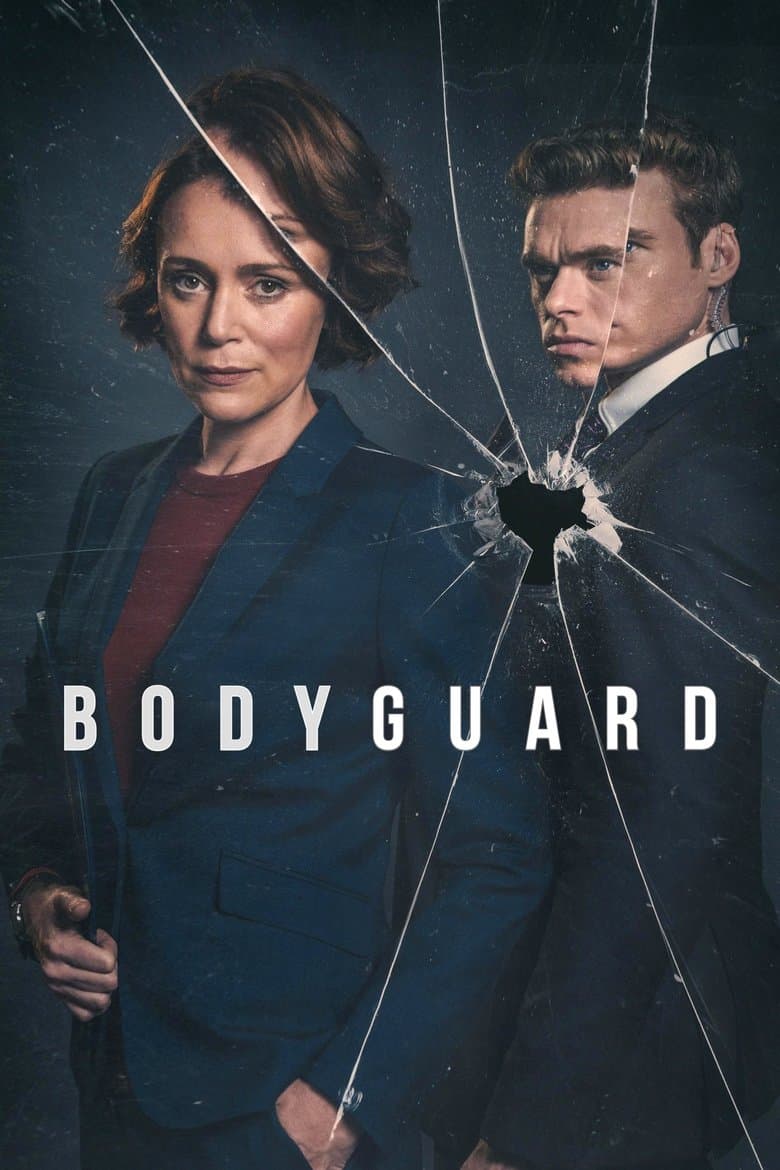
TV Show · 2018
A troubled war veteran is assigned to protect a controversial politician who may be the target of a terror plot.
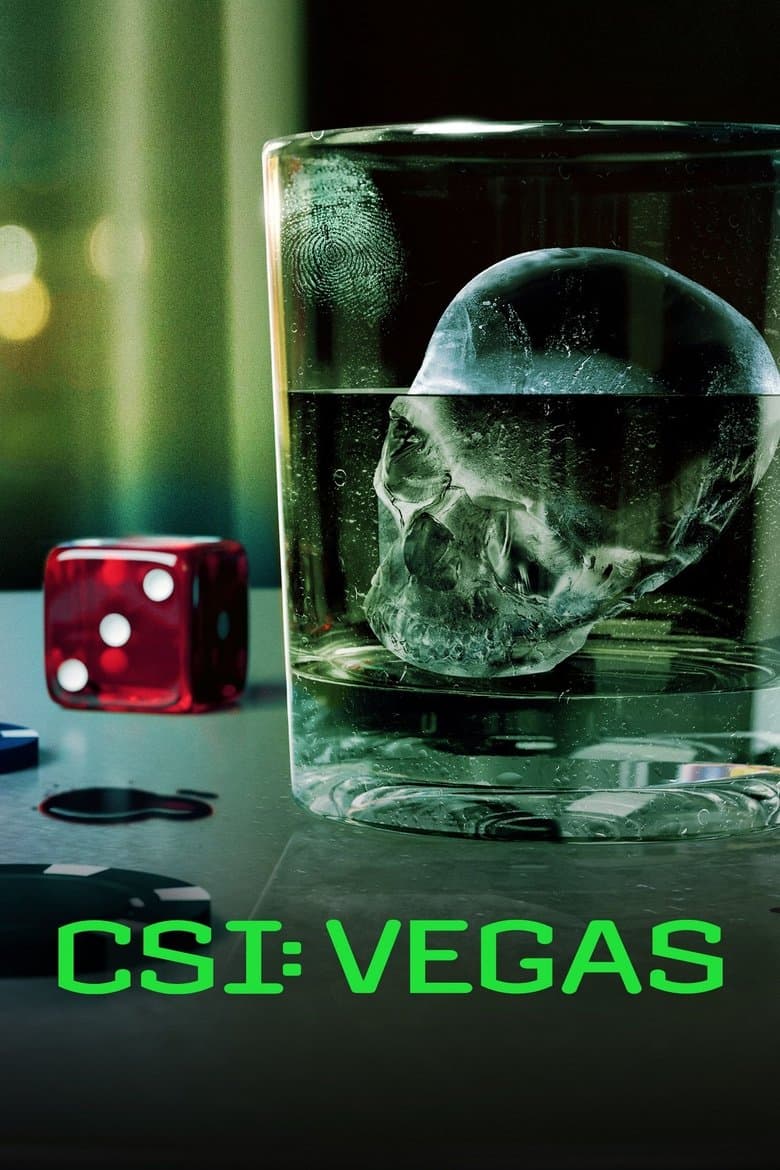
TV Show · 2021
Facing an existential threat that could bring down the Crime Lab, a brilliant team of forensic investigators must welcome back old friends and deploy new techniques to preserve…
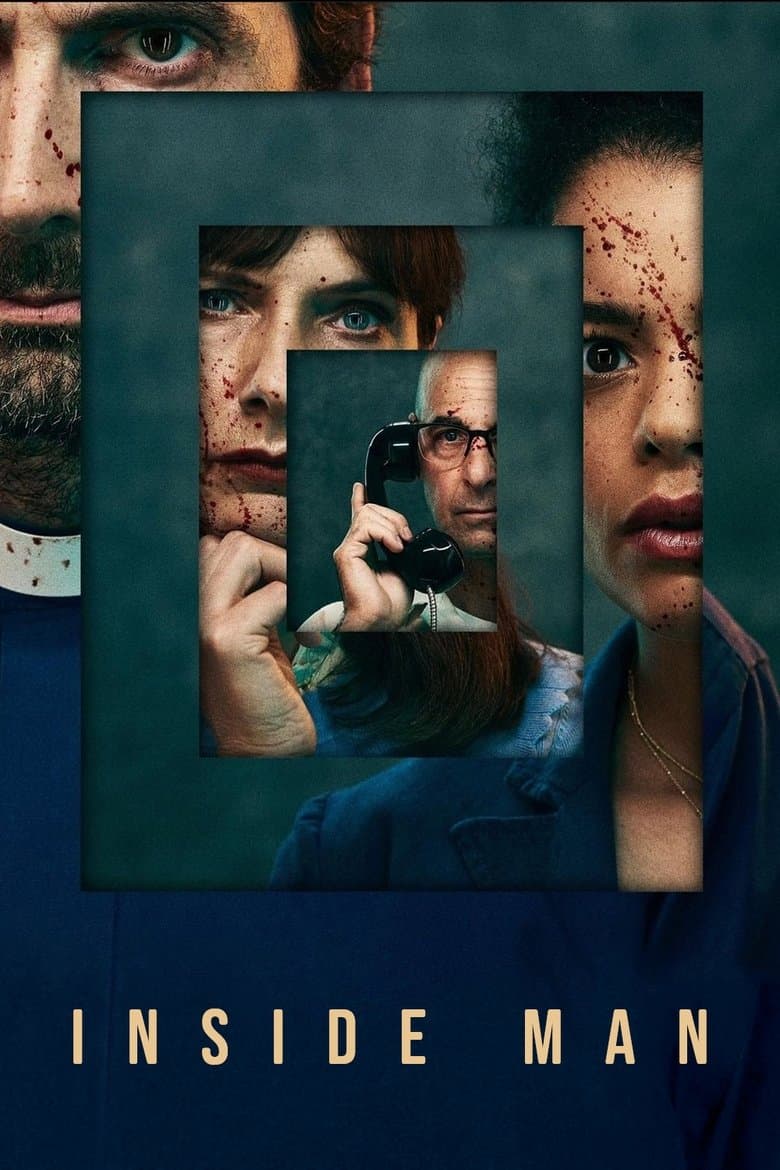
TV Show · 2022
A prisoner on death row in the US, a vicar in a quiet English town, and a maths teacher trapped in a cellar cross paths in the most unexpected way.
TV Show · 2024
A young boy growing up in the suburbs of 1980s Brisbane faces the harsh realities of life — and the looming dangers that threaten his family.
