Started November 29, 2019 · Ended · Based on 5 seasons, 57 episodes through March 20, 2025 · TV-MA
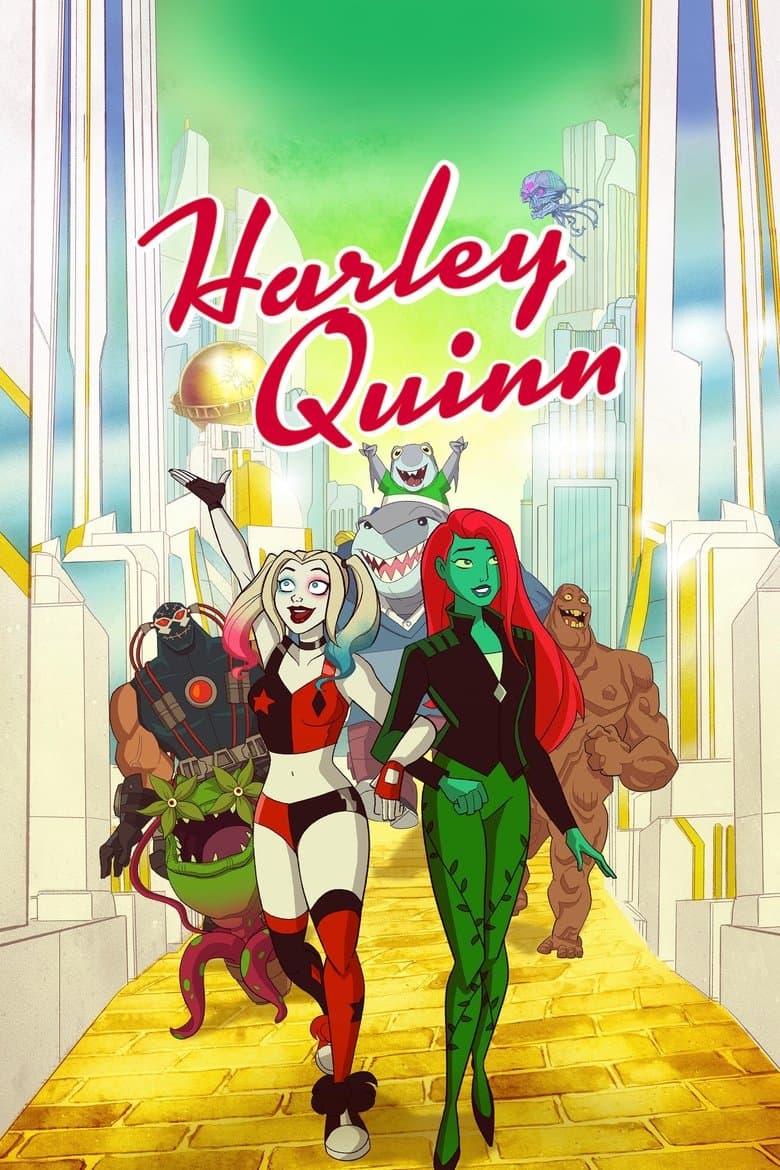
Harley Quinn follows Dr. Harleen Quinzel after she leaves the Joker and tries to build her own criminal crew in Gotham City. She wants respect from the Legion of Doom, while Poison Ivy, King Shark, Clayface, and Frank the Plant help her survive fights, betrayals, and wild plans. Harley starts as a villain, but later questions whether she wants to be a hero, a criminal, or something between them. The series uses bloody action, heavy swearing, sex jokes, and fast comedy.
The largest woke element is Harley’s romance with Poison Ivy, which becomes a main story in season two and stays central through season five. The show presents the two women as a loving couple who work through trust, work, money, and home-life problems. Harley’s escape from an abusive man and her rise as a leader support a strong female empowerment arc. The series also gives smaller queer romances to the Riddler and Clock King and to Clayface, while many men are mocked as selfish, weak, or foolish.
Community feedback
Was our 68% Woke rating accurate?
Breakdown
These are the editorial factors and ratings behind our score for Harley Quinn.
Woke representation / casting
Not present. The series does not frame its voice cast as a diversity message. Its women-led villain and hero groups fit a comic-book story built around Harley, Ivy, and other DC women.
0%
Woke political dialogue
Harley and Ivy often talk about leaving controlling men and choosing their own paths. Dr. Psycho is punished after he uses a sexist insult against Wonder Woman, and a Season 2 scene mocks fans who complain about female empowerment and the patriarchy. These moments recur as jokes and story comments, but the show usually focuses on sex jokes, violence, and superhero parody rather than long political speeches.
24%
Identity-driven story themes
Harley and Poison Ivy’s romance becomes a main story in Season 2 and stays central through all later seasons. The show presents their same-sex relationship as loving and lasting, with kisses, sex jokes, home life, trust problems, and shared choices. Harley’s break from the Joker and her rise as an independent leader add a strong female empowerment arc. Season 5 also explores work, money, and daily life for the couple.
84%
Western institutional / cultural critique
The show repeatedly mocks male entitlement, male weakness, and old gender roles. The Joker controls and abuses Harley, Dr. Psycho is punished for a sexist insult, and female characters often lead crews or defeat male villains. Season 2 also makes fun of viewers who complain about a patriarchy story. These ideas appear across several seasons, but they are usually delivered through crude comedy instead of a serious campaign against Western institutions.
35%
Woke character or canon changes
The series makes the established Riddler and Clock King an openly queer couple, and it gives Clayface a male love interest. These choices change the usual versions of those DC villains in an identity-focused way. Harley and Ivy’s romance has roots in earlier comics, so that main plot is not a wholly new identity rewrite. The smaller queer villain plots recur, but they stay below the main couple’s story.
25%
Anti-woke backlash and complaints
Small or anonymous accounts called the show very woke, LGBT pandering, or proof of misandry. Other posts criticized Harley’s lesbian romance, female-led power, and male characters as incompetent. The available X research found little reach and no clear boycott, review-bomb push, or lasting large-account campaign. The backlash is real but fringe.
12%
Creator track record context
The three main creators and most producers and writers have commercial comedy backgrounds and no strong public activist record. Sabrina Jalees is a clear queer public voice, and the showrunners said the writing room included many queer writers. They credited Jalees with steering the show away from a coming-out plot. This gives the series some identity-focused creator context, but the wider team does not show a strong activist pattern.
35%
Production
TV Show · 2016
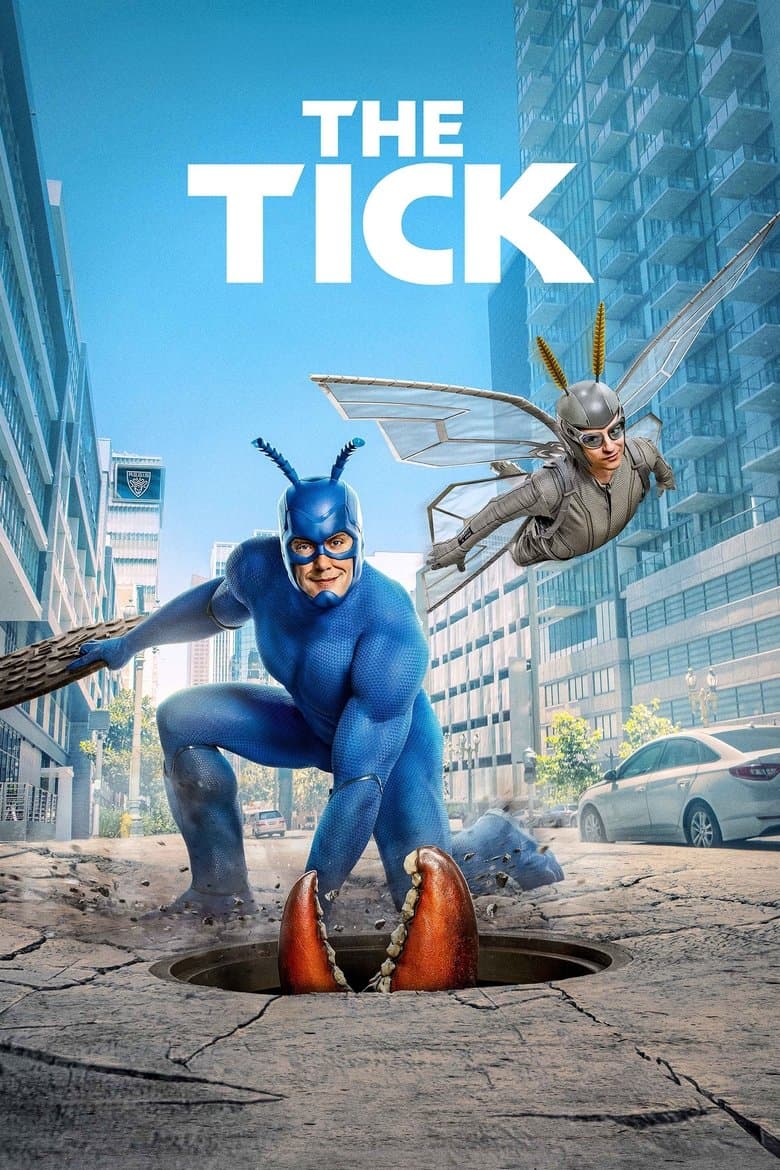
In a world where superheroes have been real for decades, an accountant with zero powers comes to realize his city is owned by a super villain.
TV Show · 2025
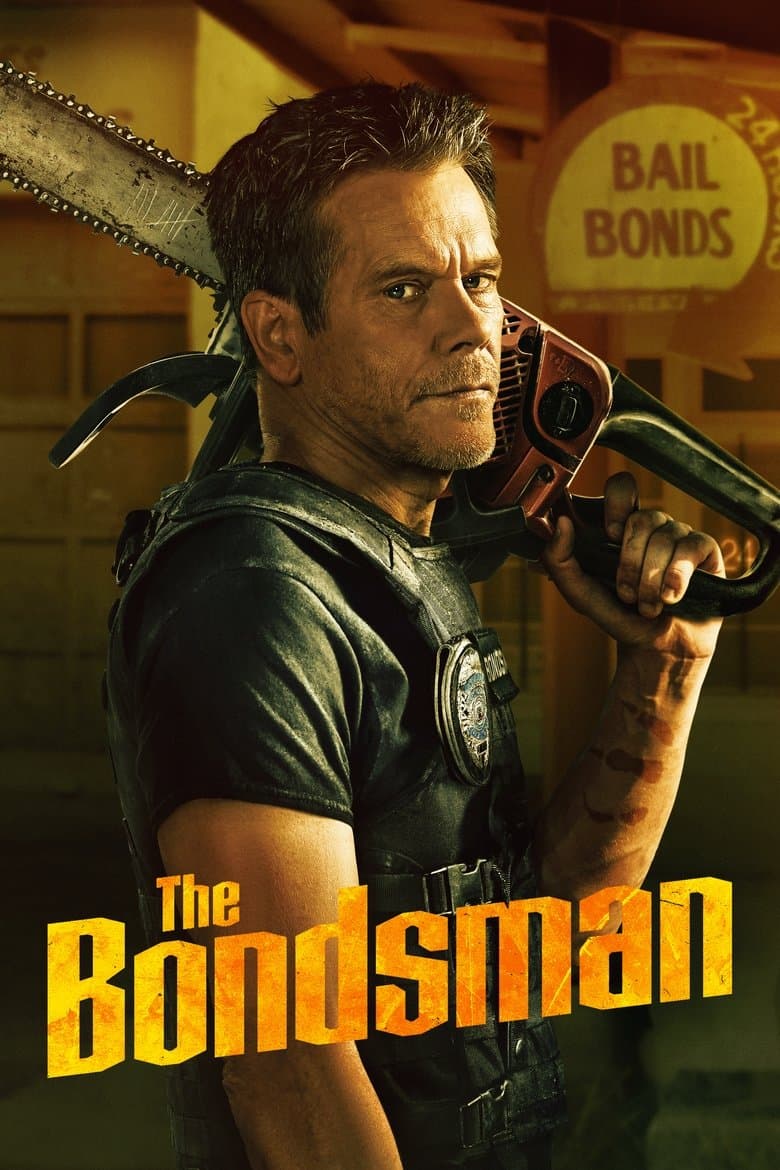
Backwoods bounty hunter Hub Halloran comes back from the dead with an unexpected second chance at life, love, and a nearly-forgotten musical career — only to find that his old job…
TV Show · 2016
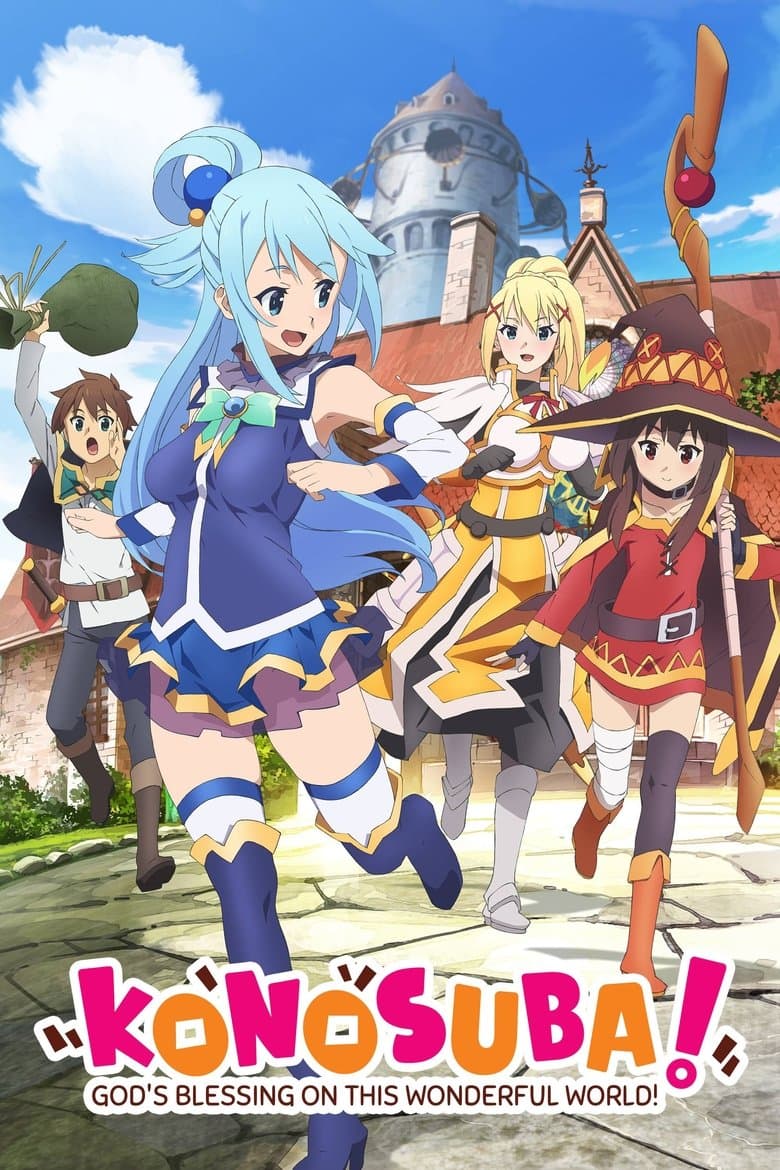
After a traffic accident, Kazuma Sato’s disappointingly brief life was supposed to be over, but he wakes up to see a beautiful girl before him.
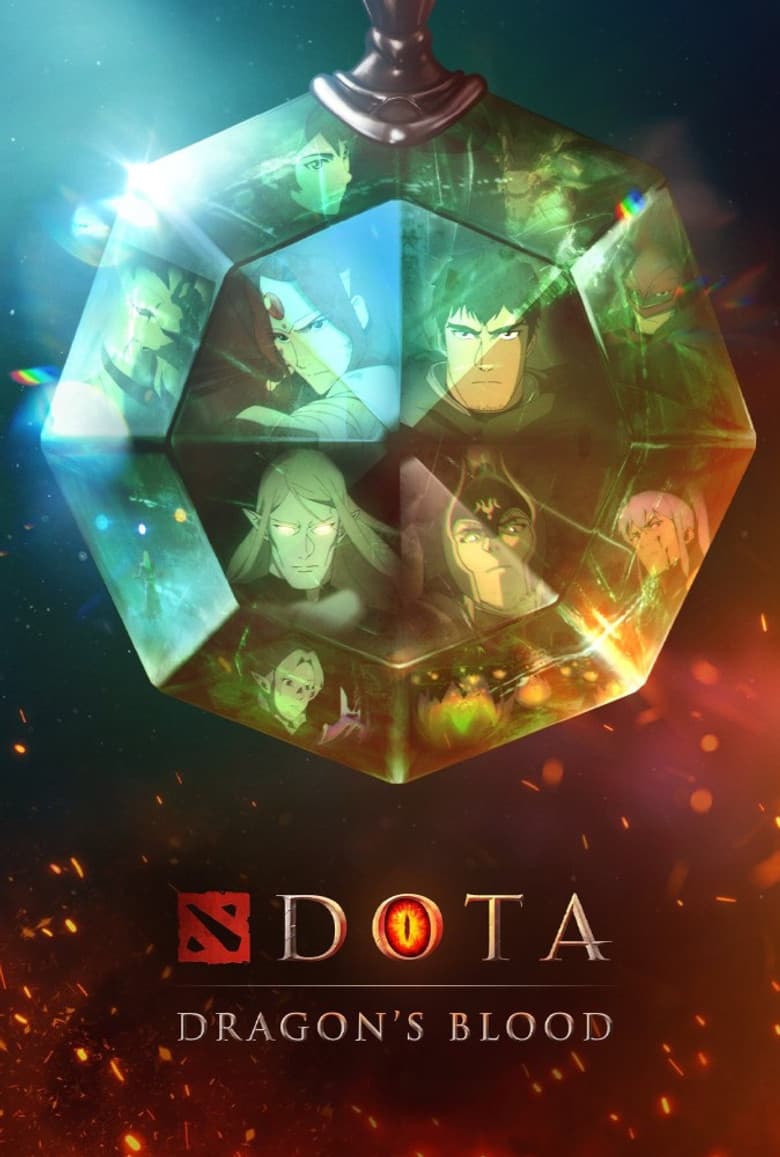
TV Show · 2021
After encounters with a dragon and a princess on her own mission, a Dragon Knight becomes embroiled in events larger than he could have ever imagined.
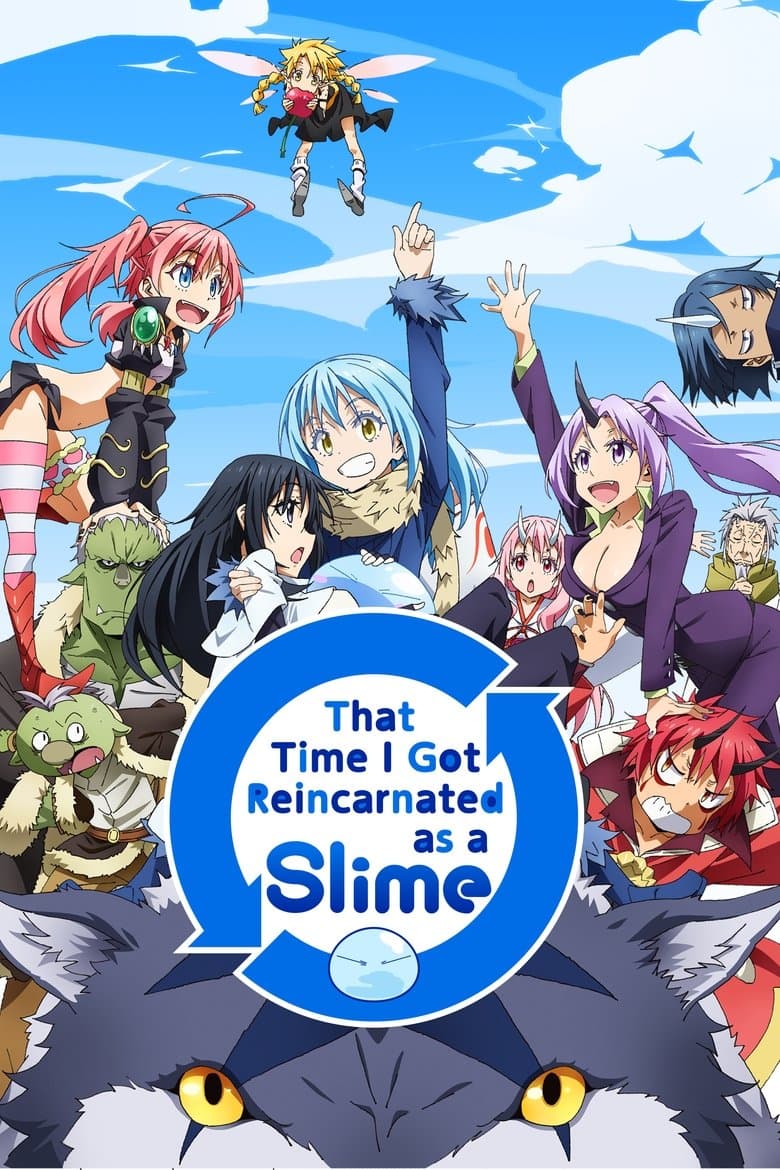
TV Show · 2018
Corporate worker Mikami Satoru is stabbed by a random killer, and is reborn to an alternate world. But he turns out to be reborn a slime!
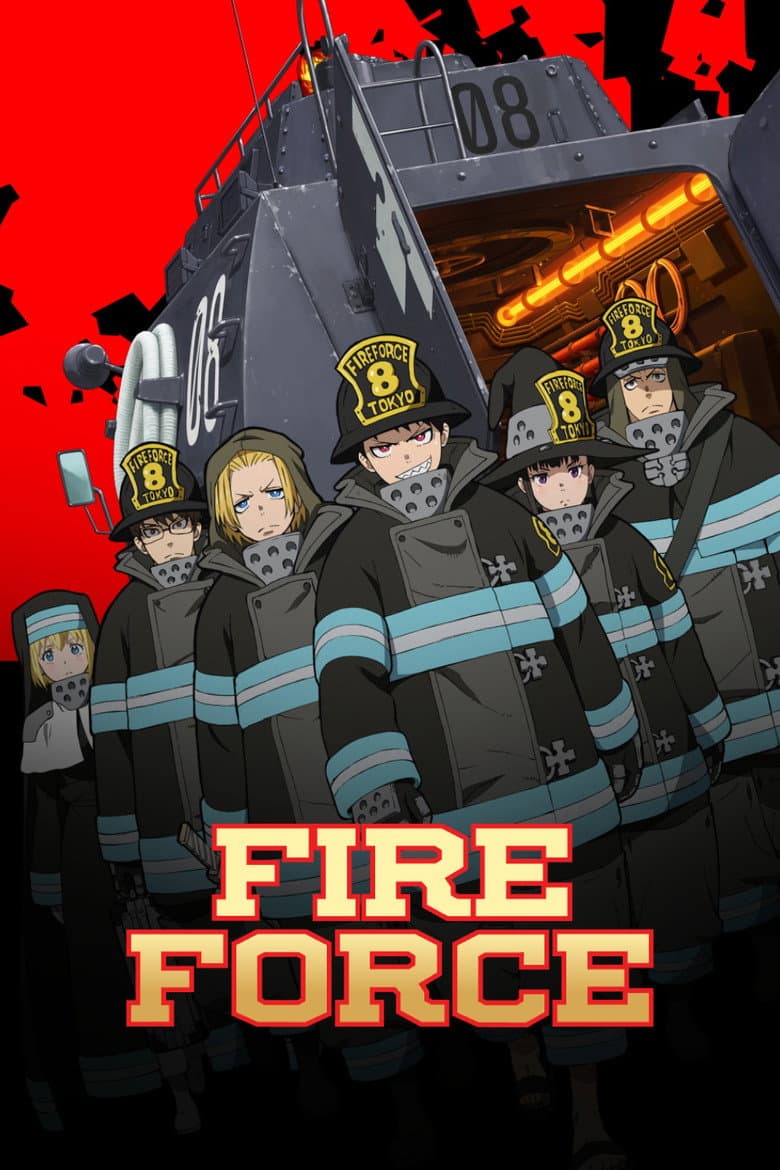
TV Show · 2019
Year 198 of the Solar Era in Tokyo, special fire brigades are fighting against a phenomenon called spontaneous human combustion where humans beings are turned into living infernos…
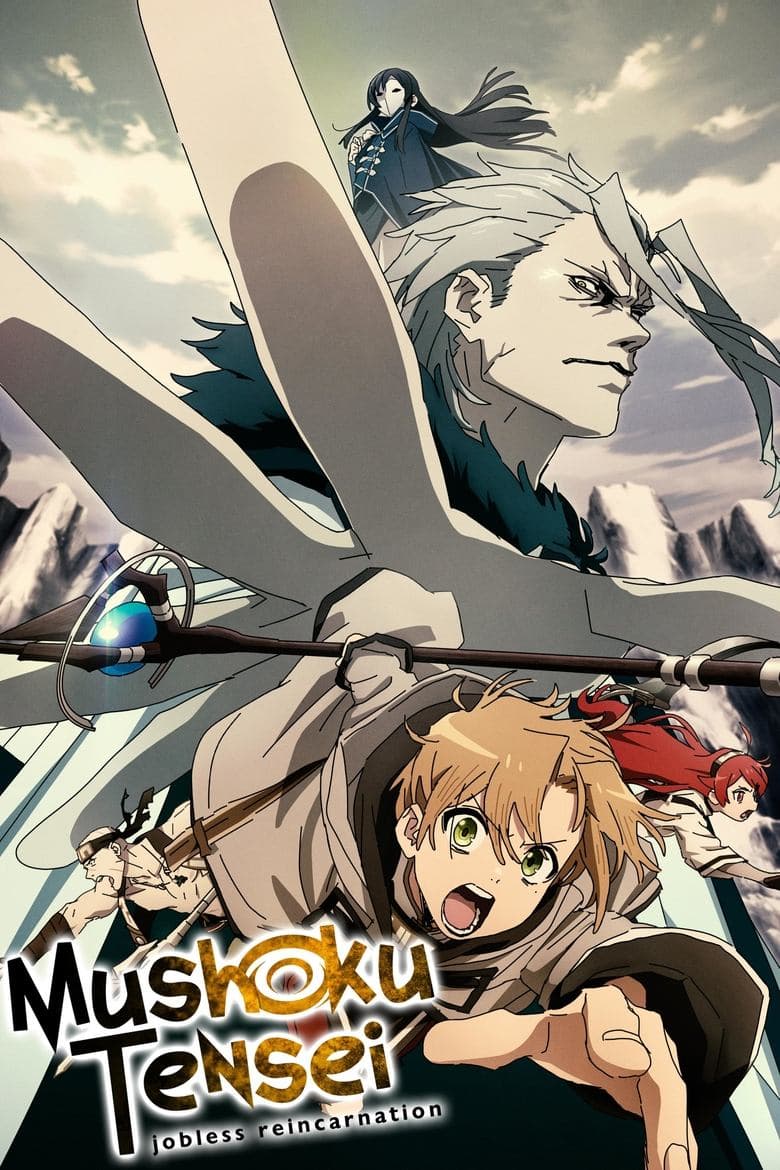
TV Show · 2021
When a 34-year-old underachiever gets run over by a truck, his story doesn't end there. Reincarnated in a new world as an infant, Rudy will seize every opportunity to live the…
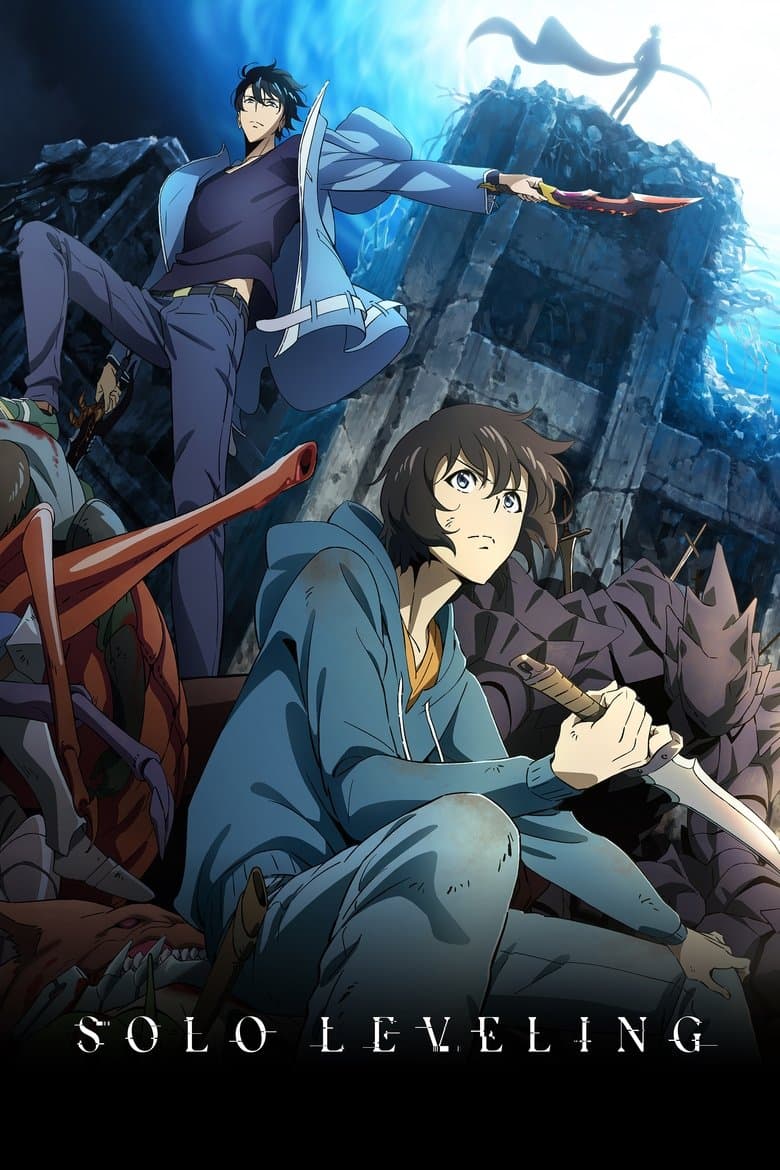
TV Show · 2024
They say whatever doesn’t kill you makes you stronger, but that’s not the case for the world’s weakest hunter Sung Jinwoo.
