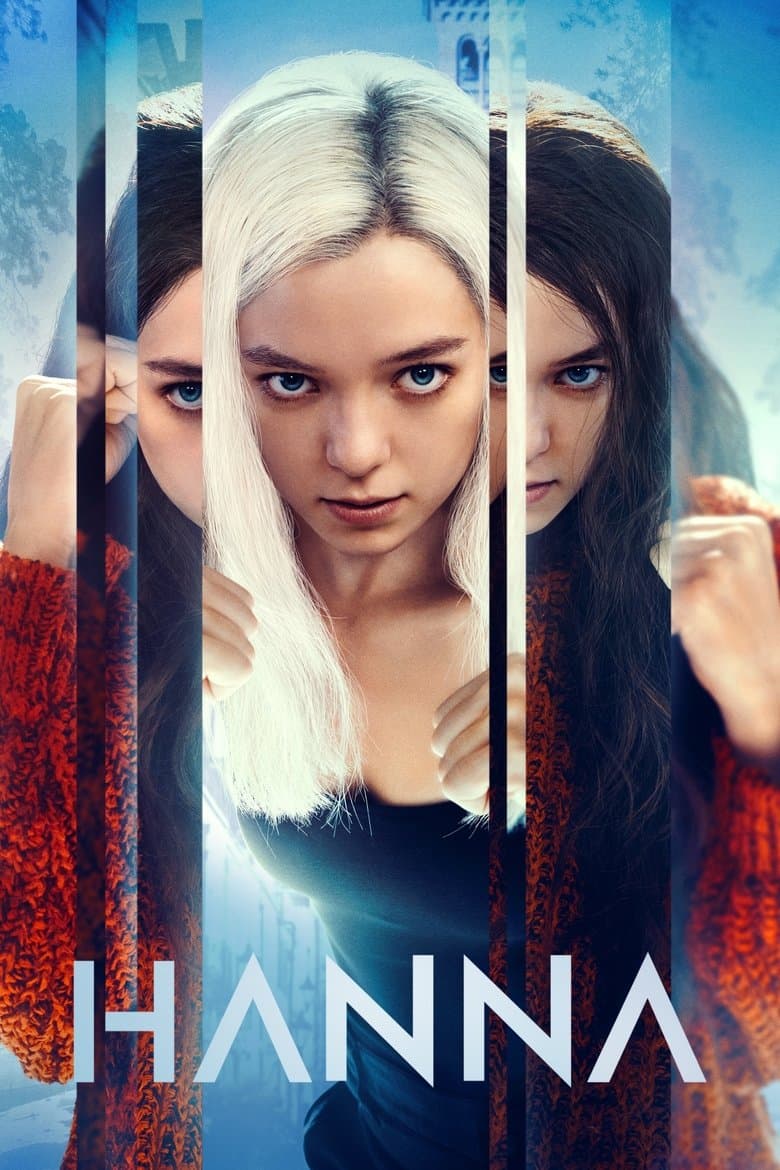
Started March 28, 2019 · Ended · Based on 3 seasons, 22 episodes through November 23, 2021 · TV-MA
Hanna is a sci-fi thriller series about a young girl who was genetically engineered to be a super-soldier by a secret CIA program. Her adoptive father raises her in a remote forest, but she soon has to flee from government agents and fight to expose the dark organization. The later seasons strongly highlight themes of modern feminism and gender as a construct, with a cast almost entirely made of highly competent young female assassins. It also features prominent LGBTQ+ representation, including an openly lesbian main character, alongside a plot where the villains target teenage climate and political activists.
Community feedback
Was our 93% Woke rating accurate?
Breakdown
These are the editorial factors and ratings behind our score for Hanna.
Woke representation / casting
Hanna features notable representation choices, especially in later seasons. The cast features an almost entirely female lineup of elite super-soldiers, with male characters relegated to evil authority figures or quick deaths. There is also clear adaptational diversity, such as making previously white characters mixed-race. Critically, the show includes prominent LGBTQ+ representation, notably through the main trainee Jules, who explicitly comes out as a lesbian. These elements, combined with the presence of multiple queer side characters, heavily elevate the show's woke representation score.
72%
Woke political dialogue
The dialogue in the latter seasons shifts significantly toward modern political messaging. A prominent example is the trainee Jules, who uses modern intersectional feminist jargon and openly complains about "cis-gendered heteronormative patriarchy". In Season 3, the dialogue also heavily frames the fight against the CIA faction as a struggle to protect young progressive activists, environmentalists, and social justice advocates. This inclusion of overt activist-style terminology and anti-establishment talking points is very noticeable to the average viewer.
65%
Identity-driven story themes
The narrative centers on themes of femininity, sisterhood, and escaping patriarchal conditioning. The UTRAX facility acts as a metaphor for the weaponization of societal expectations on young girls, who are groomed to conform and obey. Additionally, identity exploration is central to characters like Jules, whose personal journey of coming out as a lesbian is highlighted. The show explicitly frames its coming-of-age arc as a rejection of traditional gender expectations, using the sci-fi super-soldier concept to deliver a modern message about female empowerment, gender deconstruction, and identity ownership.
78%
Western institutional / cultural critique
The series presents a strong activist-style critique of Western government institutions. The main villains are a rogue faction within the CIA called "Pioneer," depicted as a corrupt, patriarchal shadow group of radical nationalists. Their ultimate goal is using a predictive algorithm to assassinate teenagers who are political, social, and environmental activists—specifically described as the "Greta Thunbergs of the world". This frames Western security apparatuses as inherently corrupt, anti-progressive systems that actively suppress youth-led social change, reframing standard espionage tropes into modern political messaging.
75%
Woke character or canon changes
Compared to the original 2011 film, the series makes several noticeable changes to established characters and canon. The Miller family, who were originally entirely white, are changed to be mixed-race with a South Asian father. Additionally, Marissa Wiegler’s character undergoes a massive overhaul from a cold, unredeemable antagonist into a heroic, motherly ally who helps Hanna dismantle the corrupt patriarchal system. These changes align the adaptation with modern representation goals and progressive thematic structures.
40%
Anti-woke backlash and complaints
The series faced noticeable backlash from viewers, especially during its second and third seasons. Frustrated audience members on forums like Reddit criticized the show for abandoning its original survival-action tone in favor of "leftist propaganda" and "toxic feminism". Complaints focused on the show's portrayal of all white male characters as evil, the injection of modern intersectional jargon, and the heavy focus on LGBTQ+ subplots. However, because this backlash mostly existed in online niche spaces rather than leading to a massive mainstream media controversy, the backlash remains moderate.
55%
Creator track record context
The creative team behind Hanna features several key figures with a strong history of focusing on progressive themes, identity, and representation. While creator David Farr has a lower activist track record, directors like Eva Husson and Sacha Polak are outspoken advocates for gender equality and queer-centric filmmaking. Writers Charlotte Hamblin and Laura Lomas also specialize in queer stories and intersectional feminist themes. This combined background heavily influenced the show's pivot toward identity politics in later seasons.
58%
Production
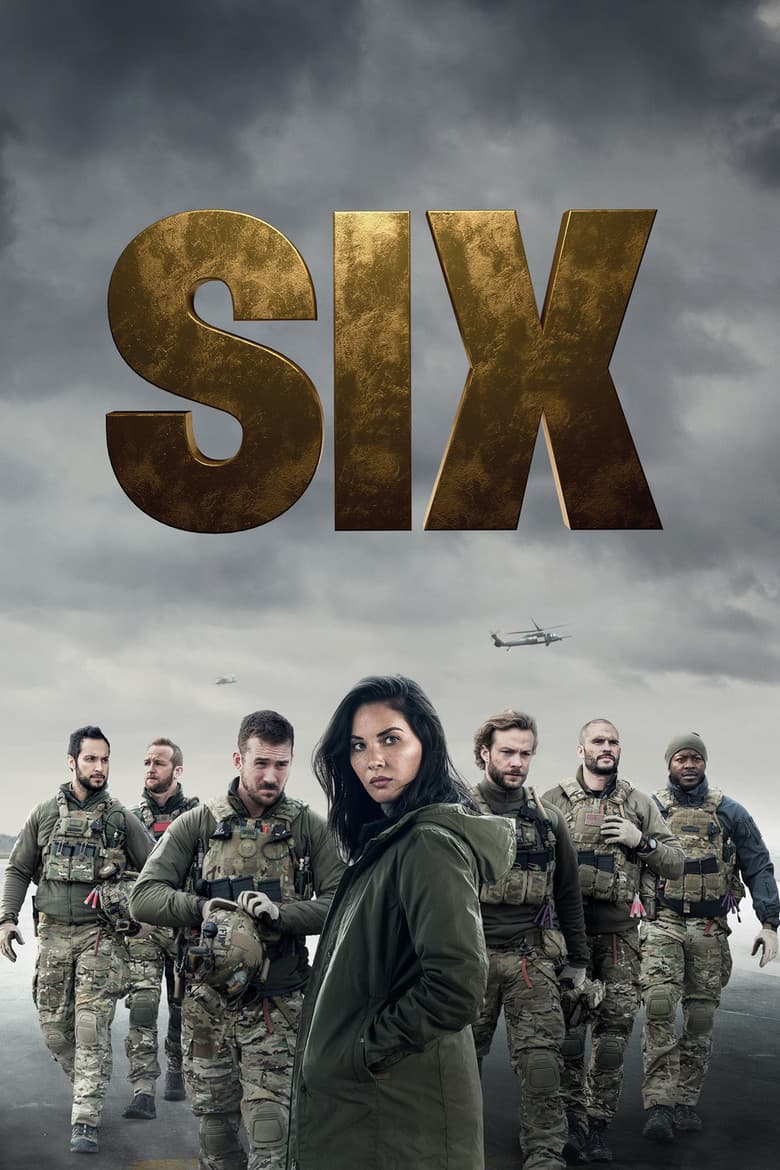
TV Show · 2017
Action drama series inspired by the real missions of Navy SEAL Team Six.
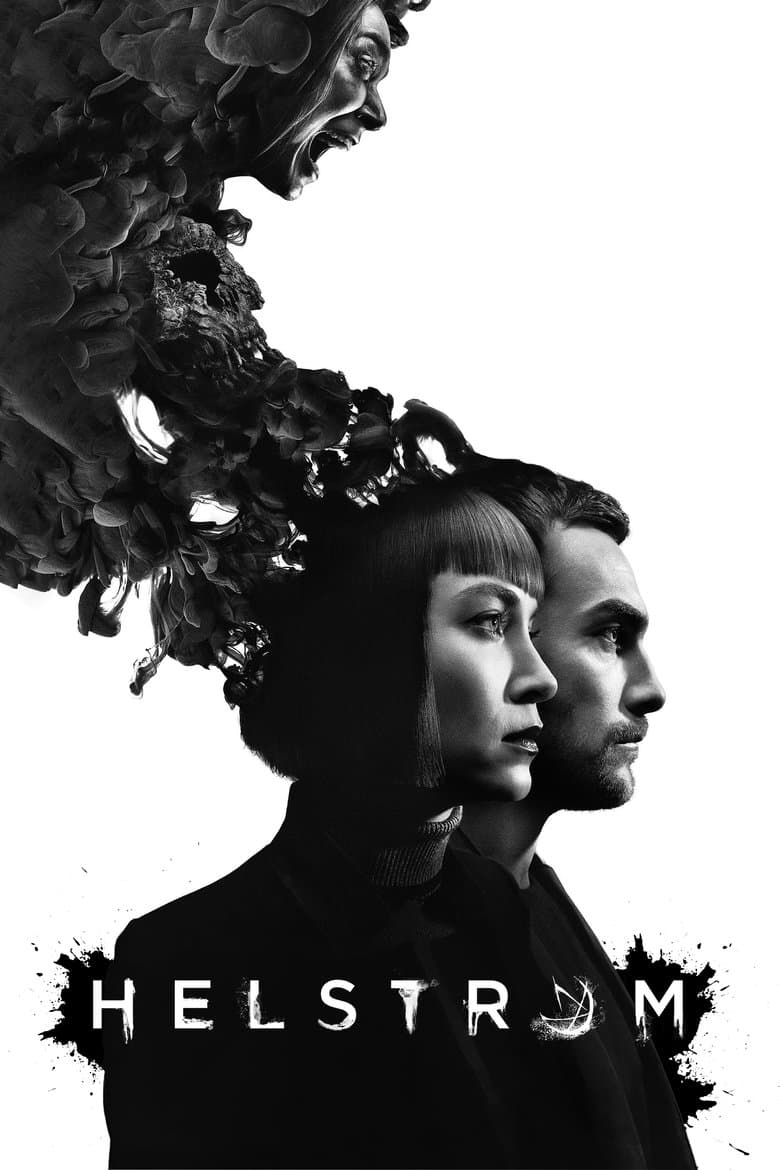
TV Show · 2020
Daimon and Ana Helstrom are the son and daughter of a mysterious and powerful serial killer. The siblings have a complicated dynamic as they track down the terrorizing worst of…
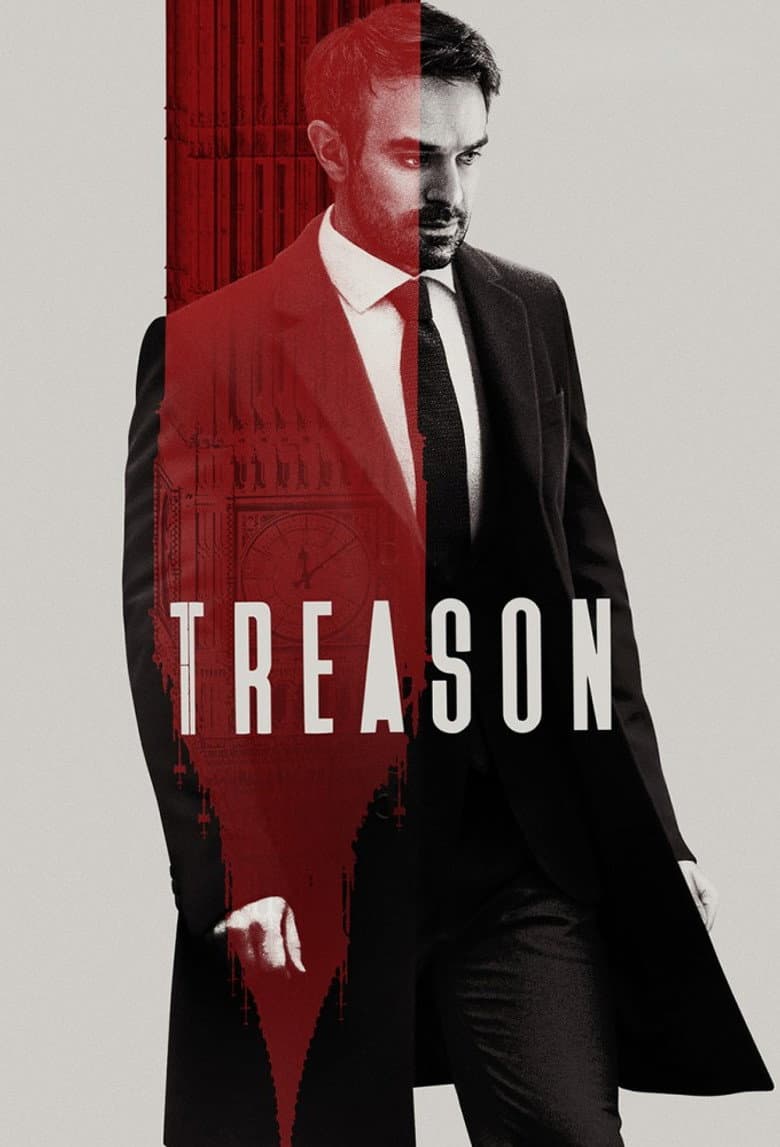
TV Show · 2022
An MI6 deputy's bright future takes a sharp turn after a reunion with a Russian spy forces him to question his entire life.
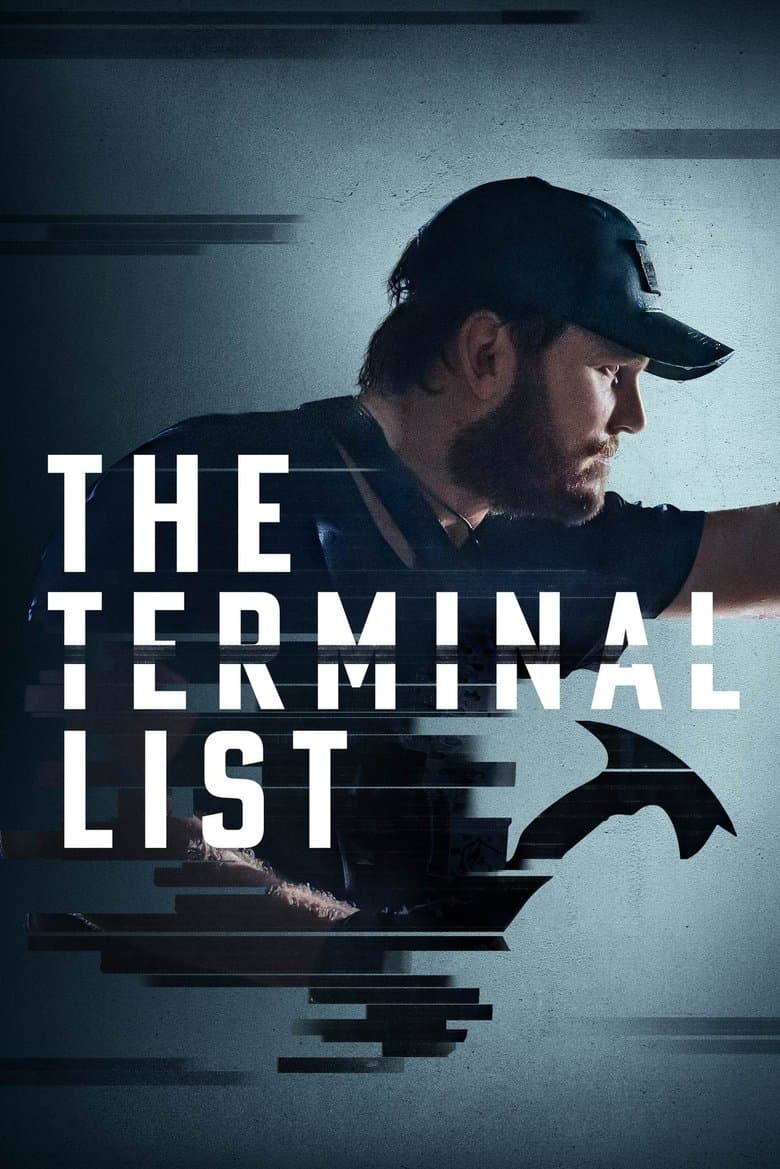
TV Show · 2022
Navy SEAL Commander James Reece turns to vengeance as he investigates the mysterious forces behind the murder of his entire platoon.
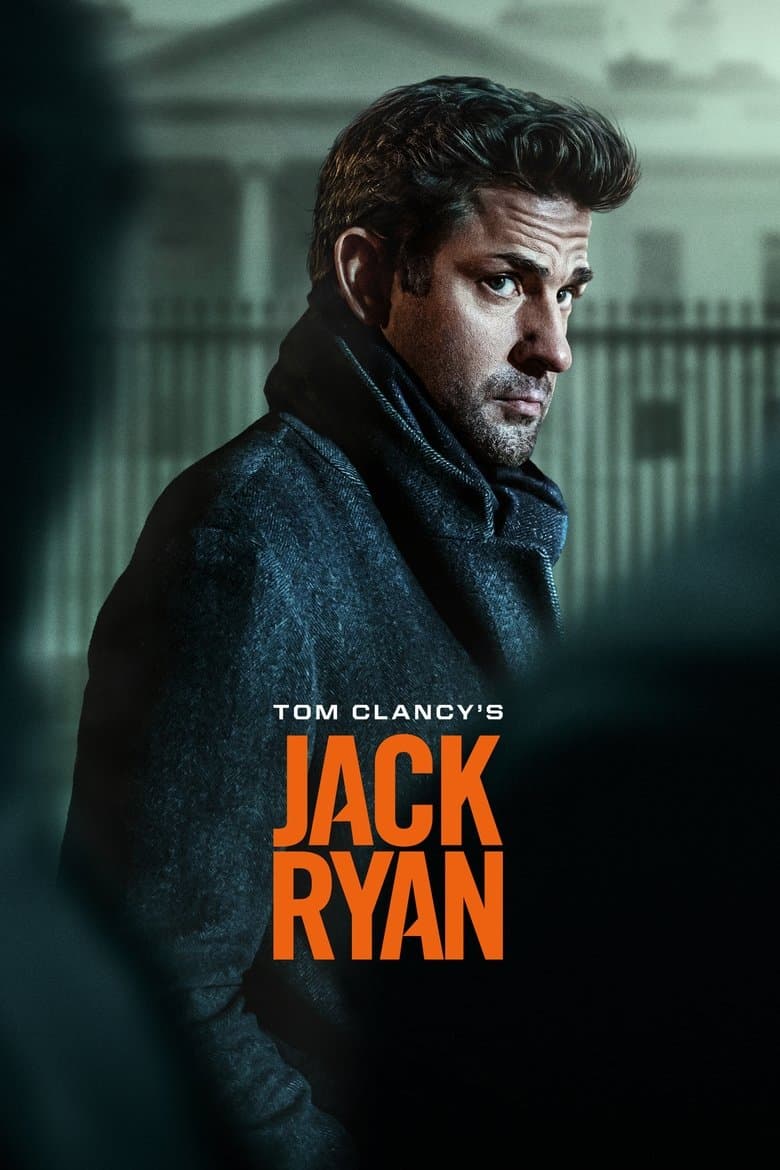
TV Show · 2018
When CIA analyst Jack Ryan stumbles upon a suspicious series of bank transfers his search for answers pulls him from the safety of his desk job and catapults him into a deadly…
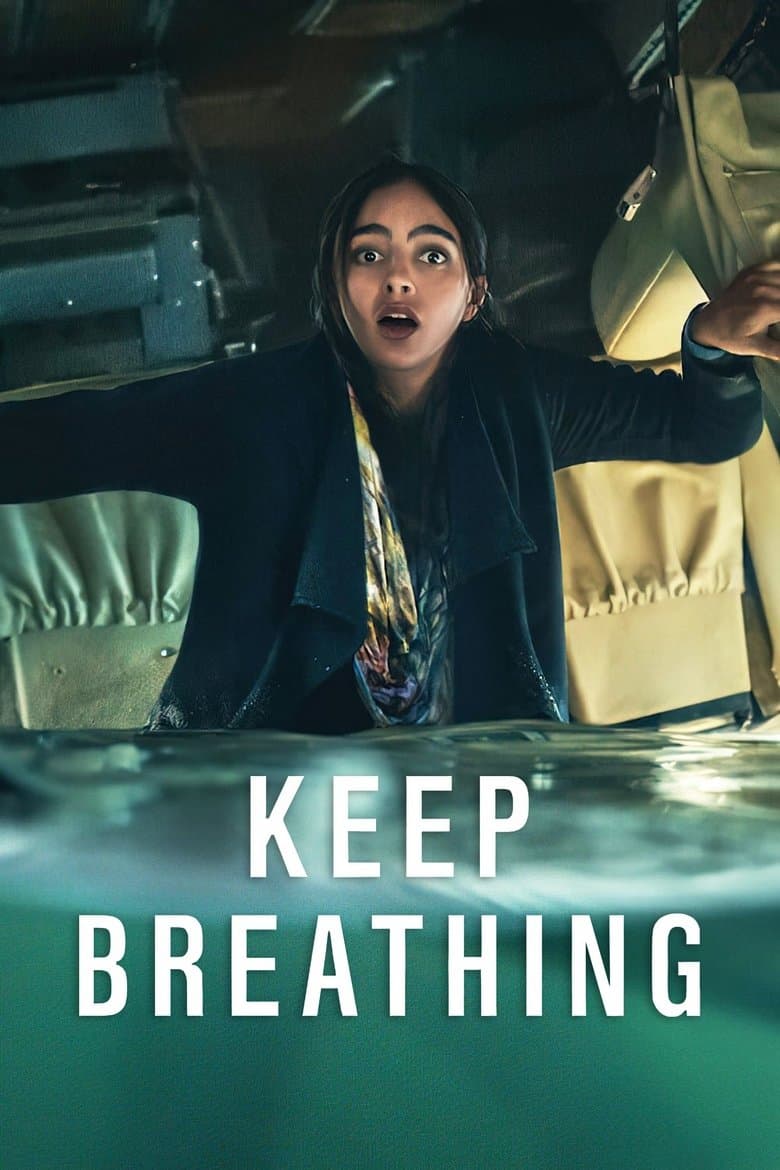
TV Show · 2022
When a small plane crashes in the middle of the Canadian wilderness, a lone survivor must battle the elements — and her personal demons — to stay alive.
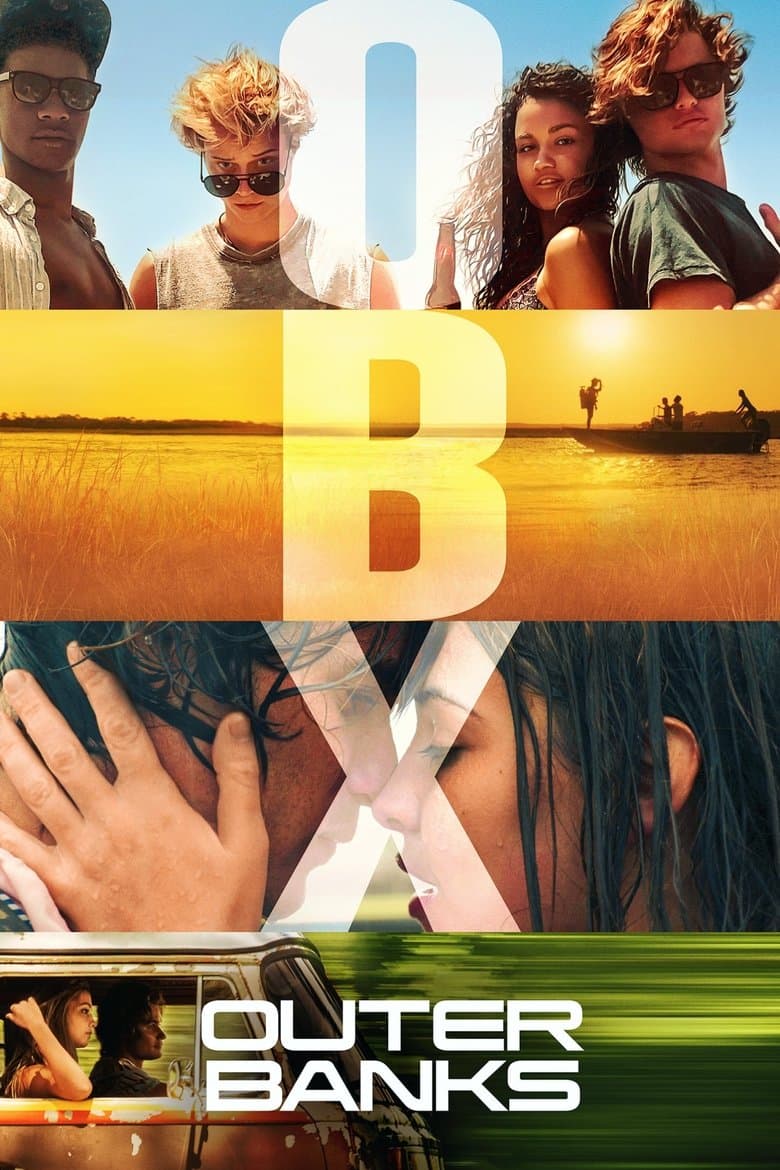
TV Show · 2020
A tight-knit group of teens unearths a long-buried secret, setting off a chain of illicit events that takes them on an adventure they'll never forget.
TV Show · 2016
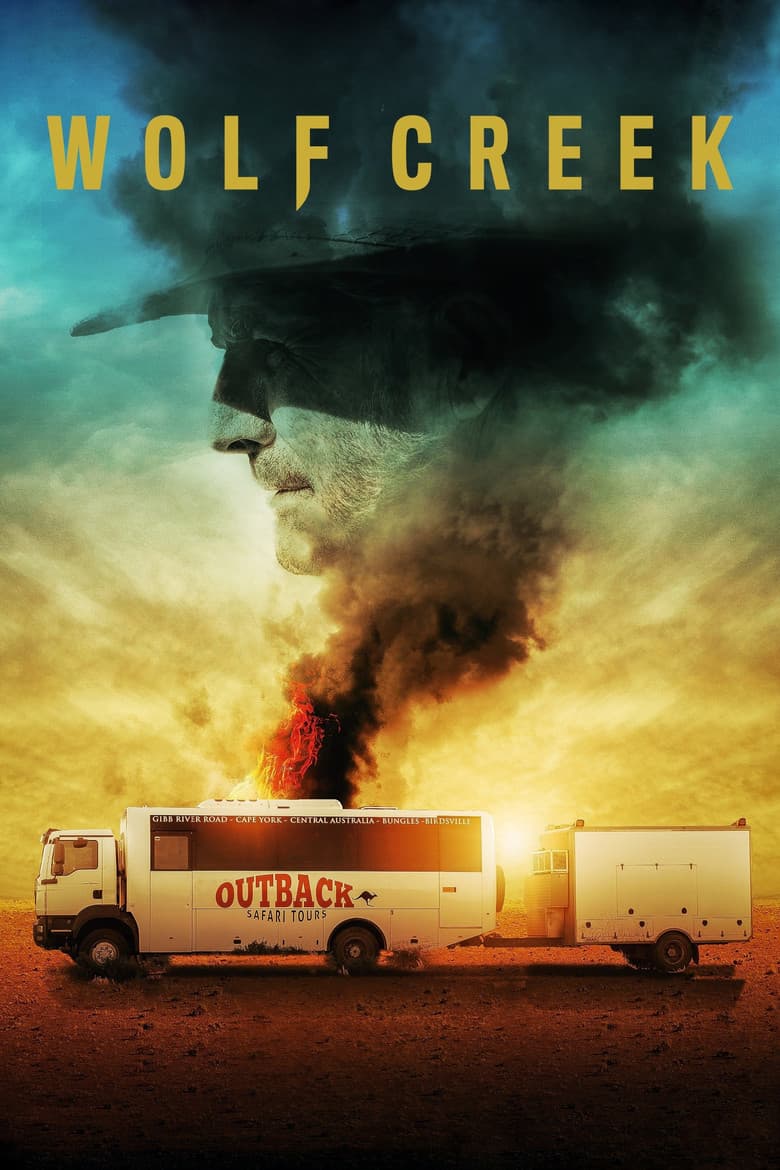
An anthology series which centers on different characters being targeted by crazed serial killer Mick Taylor in the Australian outback.
