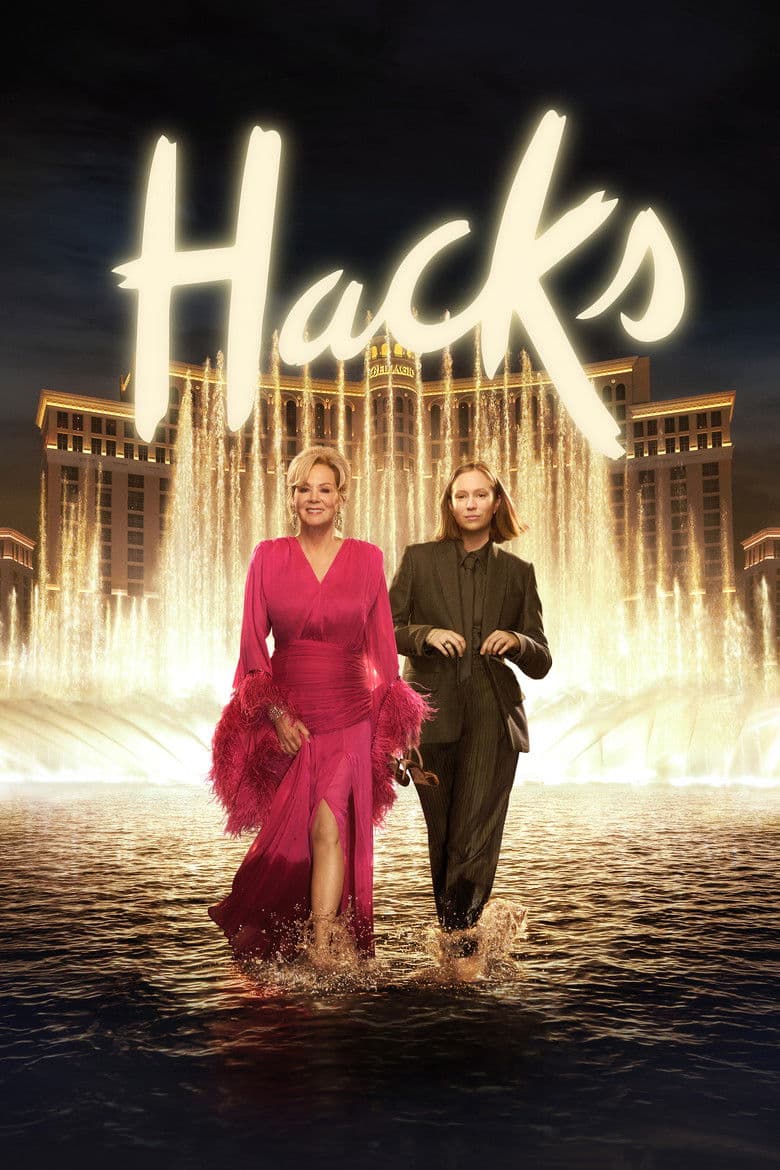
Started May 13, 2021 · Ended · Based on 5 seasons, 47 episodes through May 28, 2026 · TV-MA
Hacks is a dark comedy drama that aired for five seasons on Max from 2021 to 2026. It centers on legendary Las Vegas stand-up Deborah Vance and young writer Ava Daniels as they form a messy, evolving mentorship amid career pressures, personal struggles, and the changing comedy world. The series includes visible queer representation through Ava’s bisexuality, relationships, and discussions, plus supporting queer characters. Later seasons and specific episodes address climate change, cancel culture, industry power structures, and AI in ways that highlight generational and cultural clashes.
Community feedback
Was our 71% Woke rating accurate?
Breakdown
These are the editorial factors and ratings behind our score for Hacks.
Woke representation / casting
Prominent queer elements include central bisexual character Ava with explicit relationships, discussions, and sapphic undertones; black queer executive Marcus in a major advisor/leadership role; gay supporting characters like Damien; queer actors in key parts. Ensemble diversity appears in industry settings, though main leads are white women. Visible emphasis on identity in supporting and character arcs rather than pure story necessity in every case.
58%
Woke political dialogue
Season 3 has direct, extended climate dialogue where Ava lectures Deborah on the crisis, corporate vs. personal responsibility, and specific impacts, leading to the older character’s partial shift. Cancel culture episode frames old offensive jokes as needing accountability, with a town hall scene emphasizing listening, not punching down, and comedian responsibility. Later seasons include industry critiques of media conglomerates and AI as profit-driven theft harming creatives. Concentrated in key episodes but recurring enough to notice.
48%
Identity-driven story themes
Generational conflict repeatedly contrasts young progressive views (Ava’s activism, entitlement, and cultural lens) with older traditional ones (Deborah’s caustic style and resistance). Ava’s bisexuality and queer supporting stories are woven into character growth and plots. Gender and age barriers in comedy are framed as systemic for women. Climate appears as a youth-driven moral issue. Themes of power, legacy, and personal change often tie to shifting cultural norms around identity and accountability.
65%
Western institutional / cultural critique
Satirizes the comedy and entertainment business as sexist, ageist, and stacked against women and outsiders, with Deborah’s history as a trailblazer who faced barriers. Portrays executives, networks, and conglomerates as cowardly or profit-focused, influenced by viral opinion or internal politics. AI is shown as corporate greed replacing real work. Focus stays mostly on showbiz flaws rather than broad attacks on capitalism, patriarchy, or Western institutions outside the industry.
32%
Woke character or canon changes
Not present in this title.
0%
Anti-woke backlash and complaints
Niche online complaints call out preachy climate messaging, cancel culture episodes as too politically correct or agenda-pushing, gender/sexuality focus, and “woke” generational framing. Some viewers cited Einbinder’s personal politics or specific seasons as reasons to stop watching. Backlash exists on social media and in limited commentary but lacks major mainstream news dominance or widespread organized protests; the show sustained awards success and a core audience.
25%
Creator track record context
Main creators from Broad City (raunchy feminist comedy with cultural and occasional political elements post-2016). They have discussed deliberately exploring issues like climate and generational divides through the characters. Strong queer integration in the series aligns with some crew (queer directors, non-binary producer Cole Escola with front-and-center identity work). Other writers bring classical comedy backgrounds. Pattern leans liberal and socially engaged rather than hardcore DEI or race-centric activism; environmental and feminist threads are present but secondary to comedy and character work.
45%
Production
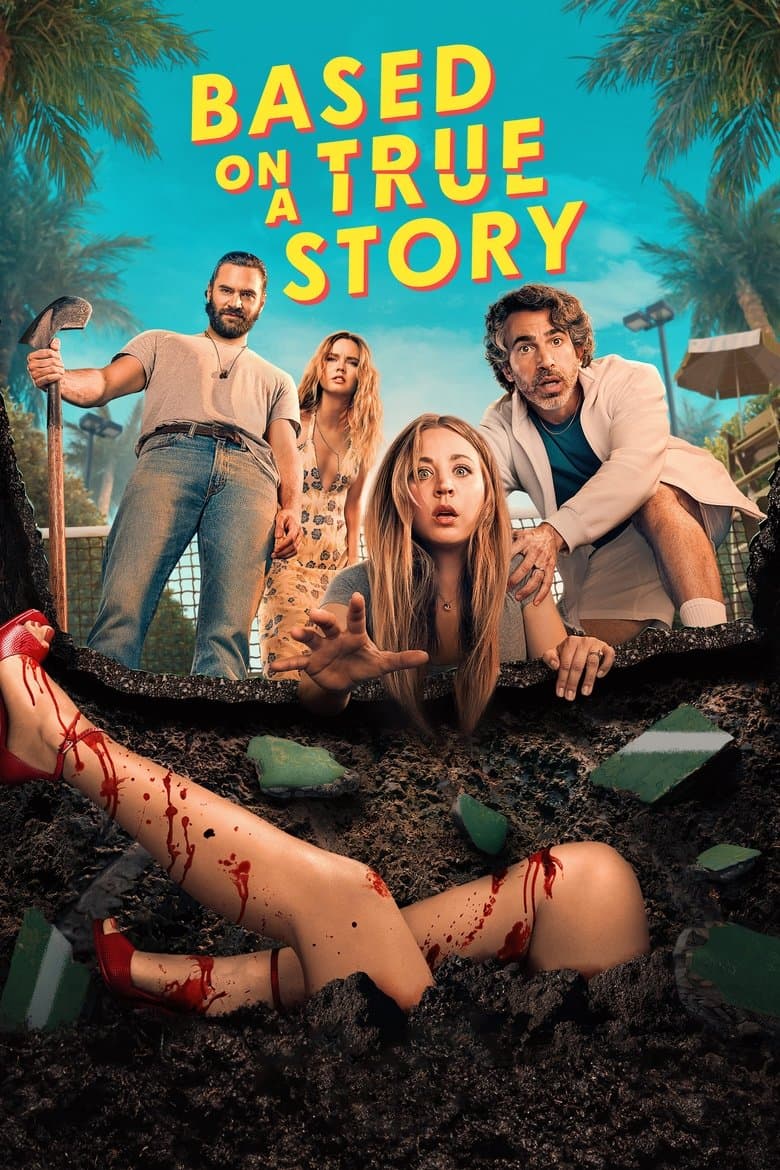
TV Show · 2023
The lives of a realtor, a plumber and a former tennis star unexpectedly collide, exposing America’s obsession with true crime, murder and the slow-close toilet seat.
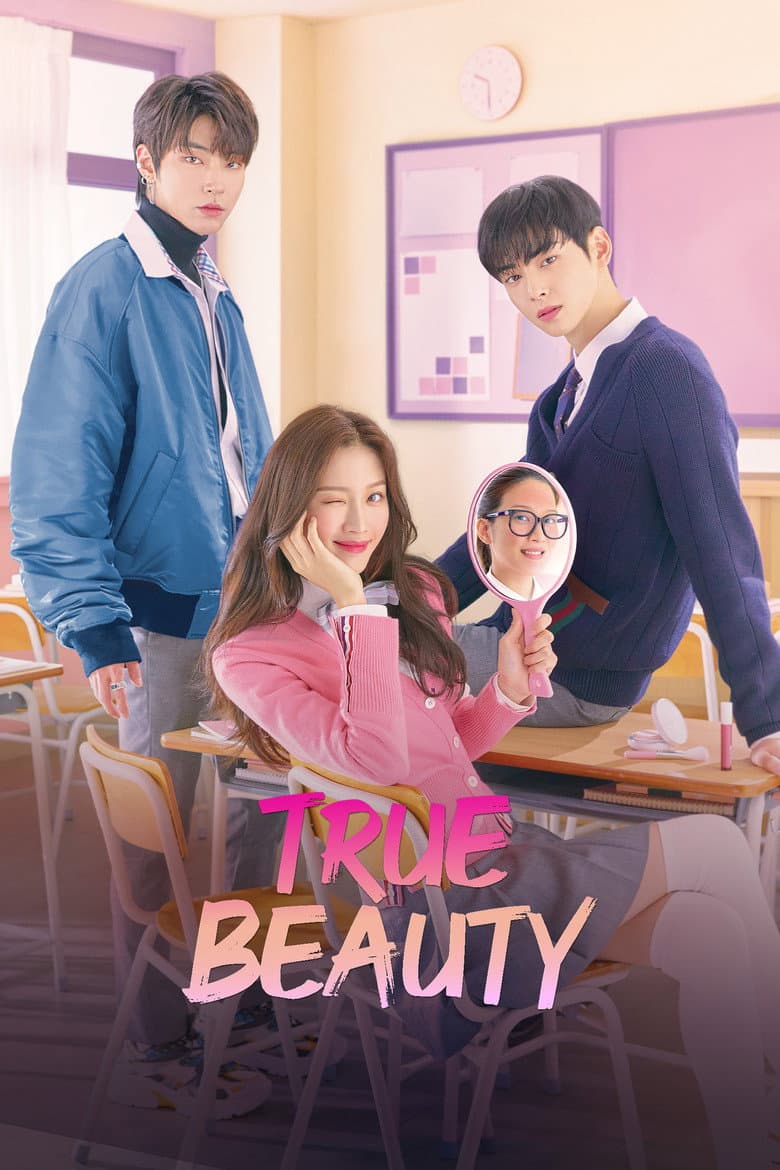
TV Show · 2020
After being bullied and discriminated because of her ugly looks, a high school girl transforms herself into a gorgeous "goddess" and quickly rises to fame after mastering the art…

TV Show · 2019
A paragliding mishap drops a South Korean heiress in North Korea -- and into the life of an army officer, who decides he will help her hide.
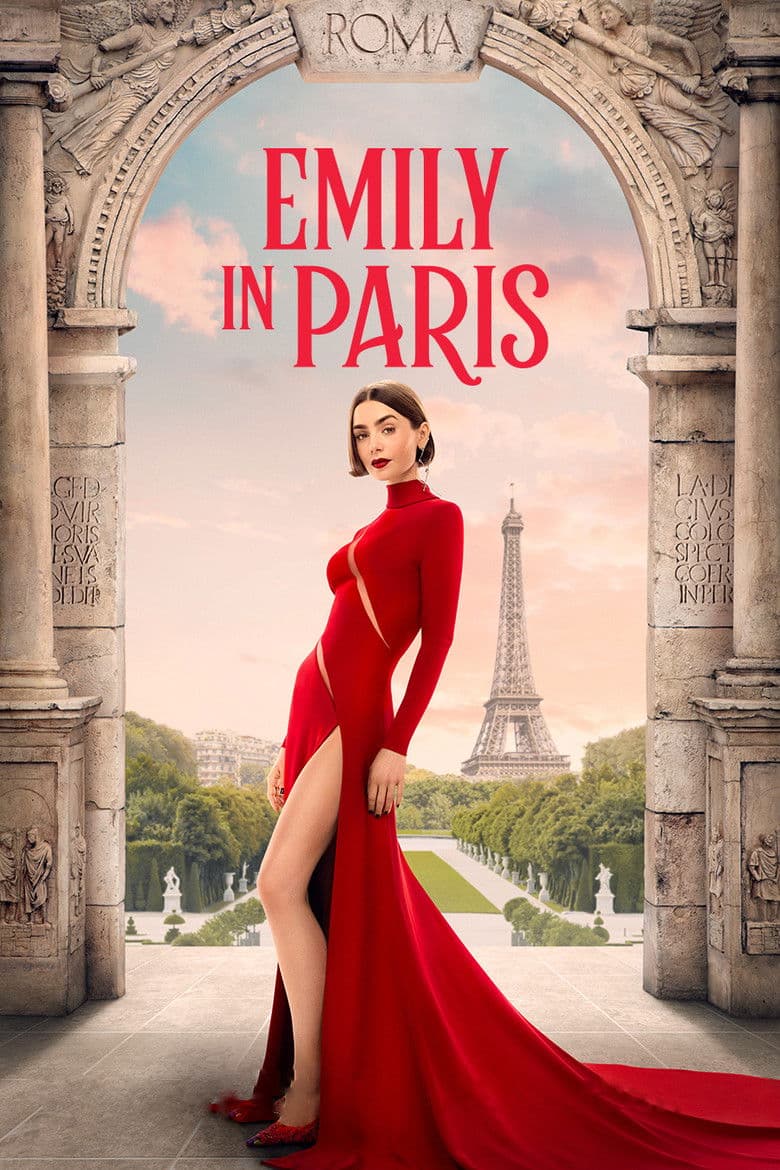
TV Show · 2020
New passions. New fashions. New Emily? A plucky American marketing whiz spreads her wings in life and love after landing her dream job in Paris.
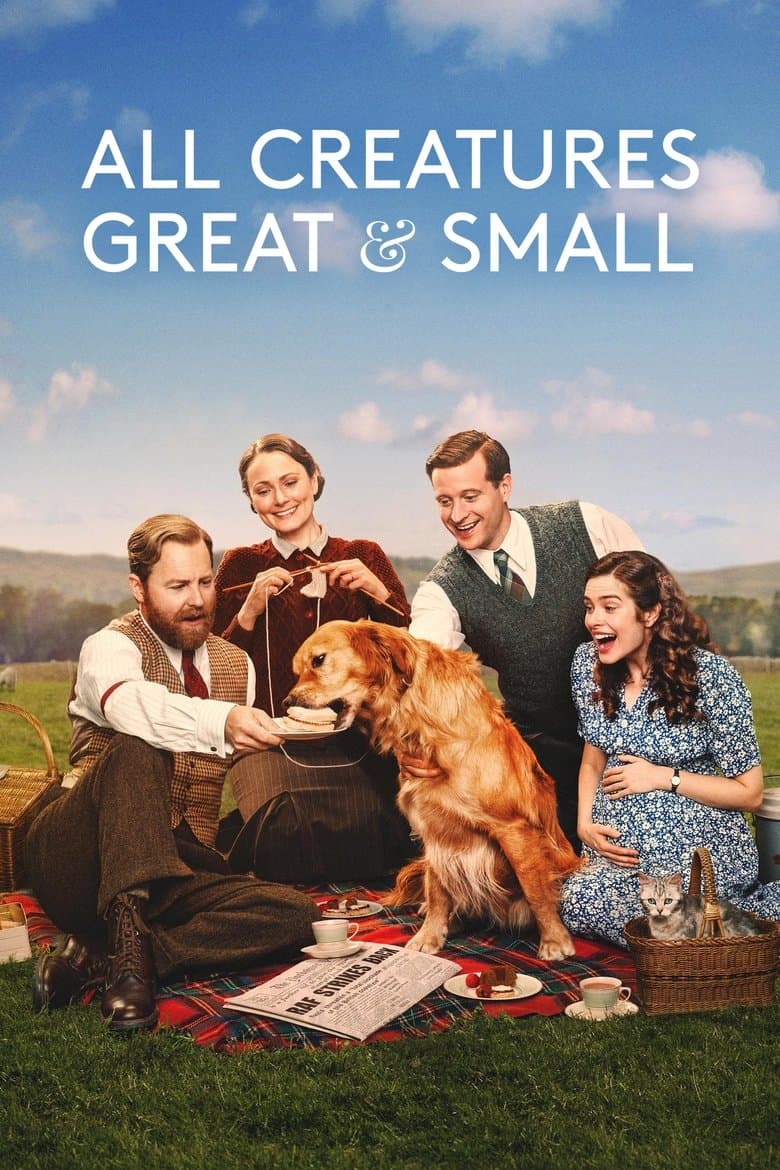
TV Show · 2020
The heartwarming and humorous adventures of a young country vet in the Yorkshire Dales in the 1930s. A remake of the 1978 series.
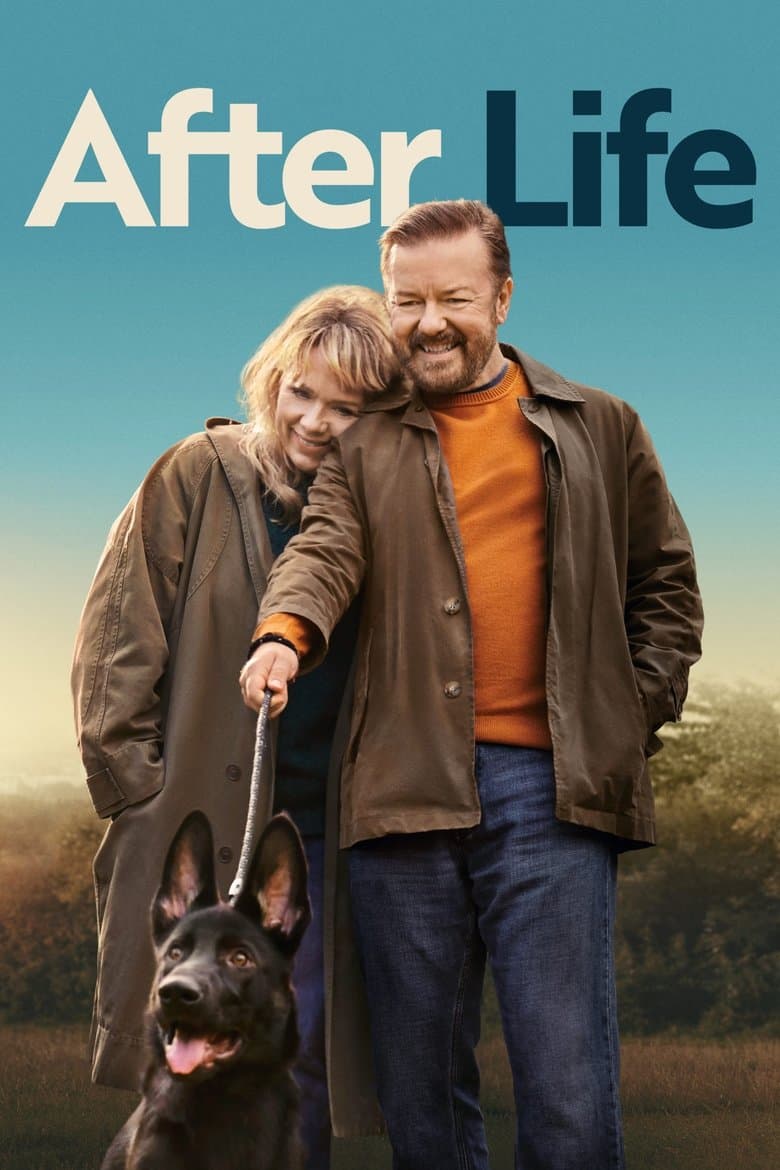
TV Show · 2019
Tony had a perfect life. But after his wife Lisa suddenly dies, Tony changes. After contemplating taking his own life, he decides instead to live long enough to punish the world…
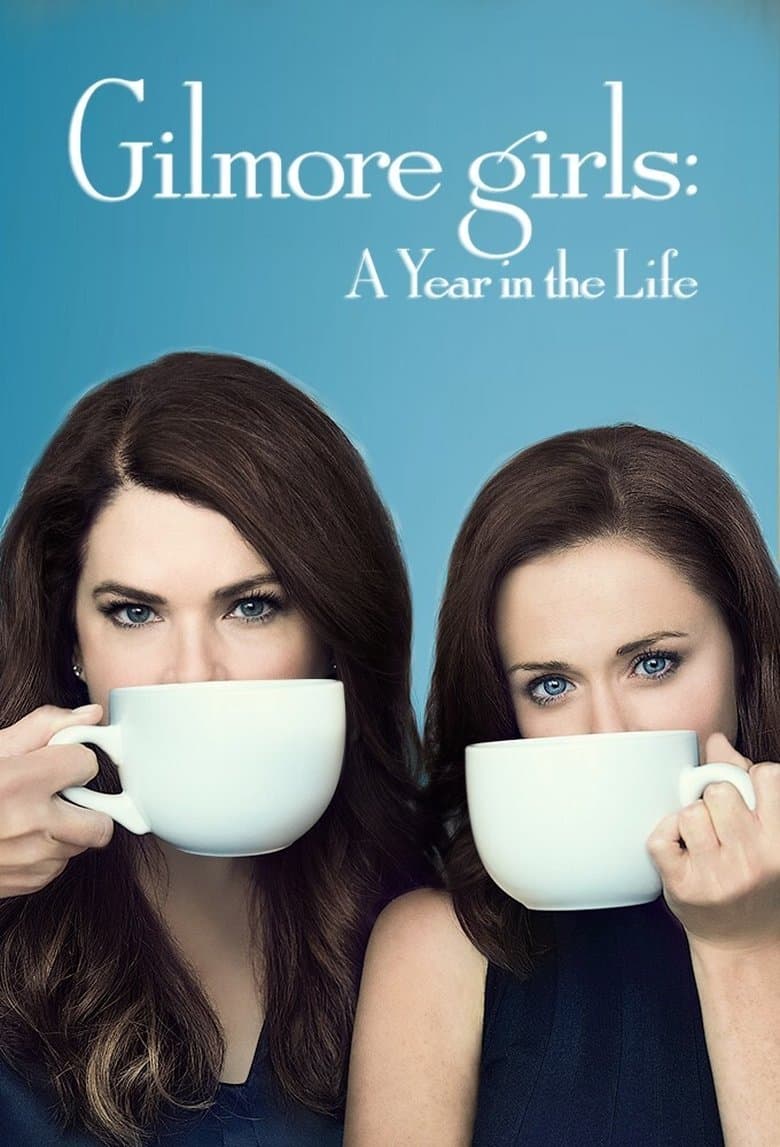
TV Show · 2016
Set nearly a decade after the finale of the original series, this revival follows Lorelai, Rory and Emily Gilmore through four seasons of change.
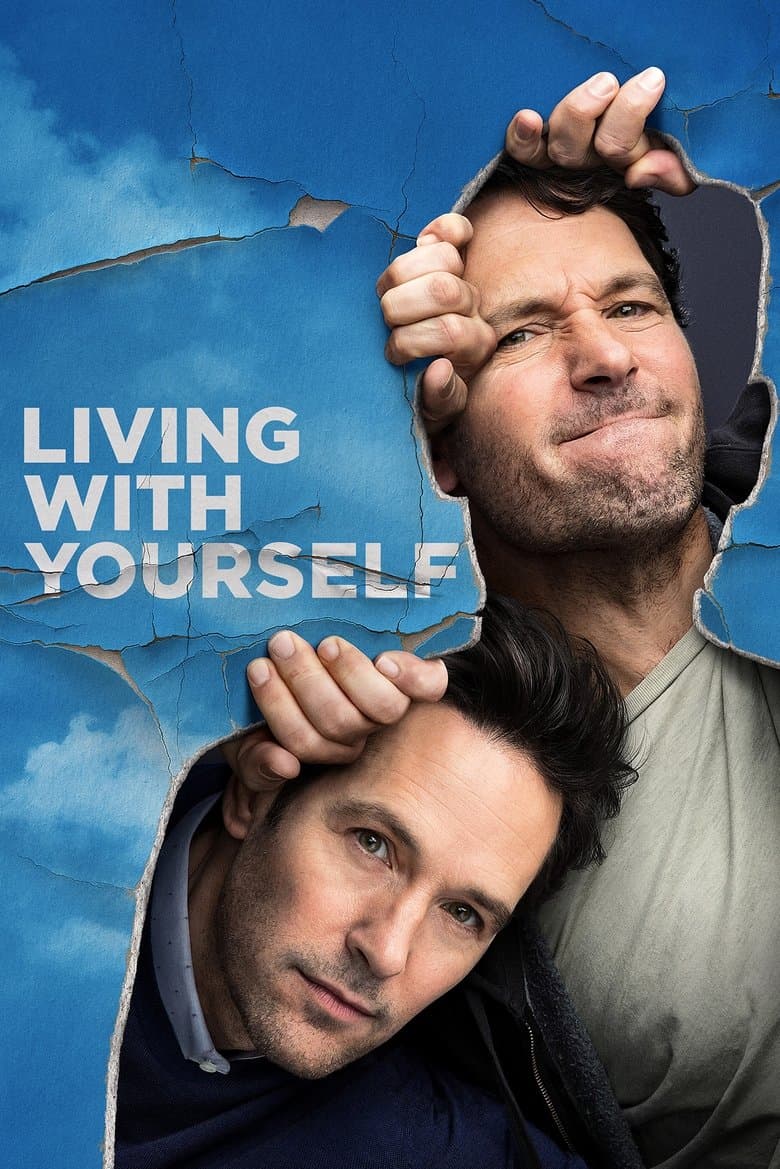
TV Show · 2019
Burned out on life, Miles undergoes a strange procedure at a strip mall spa -- and wakes to find he's been replaced by a better version of himself.
