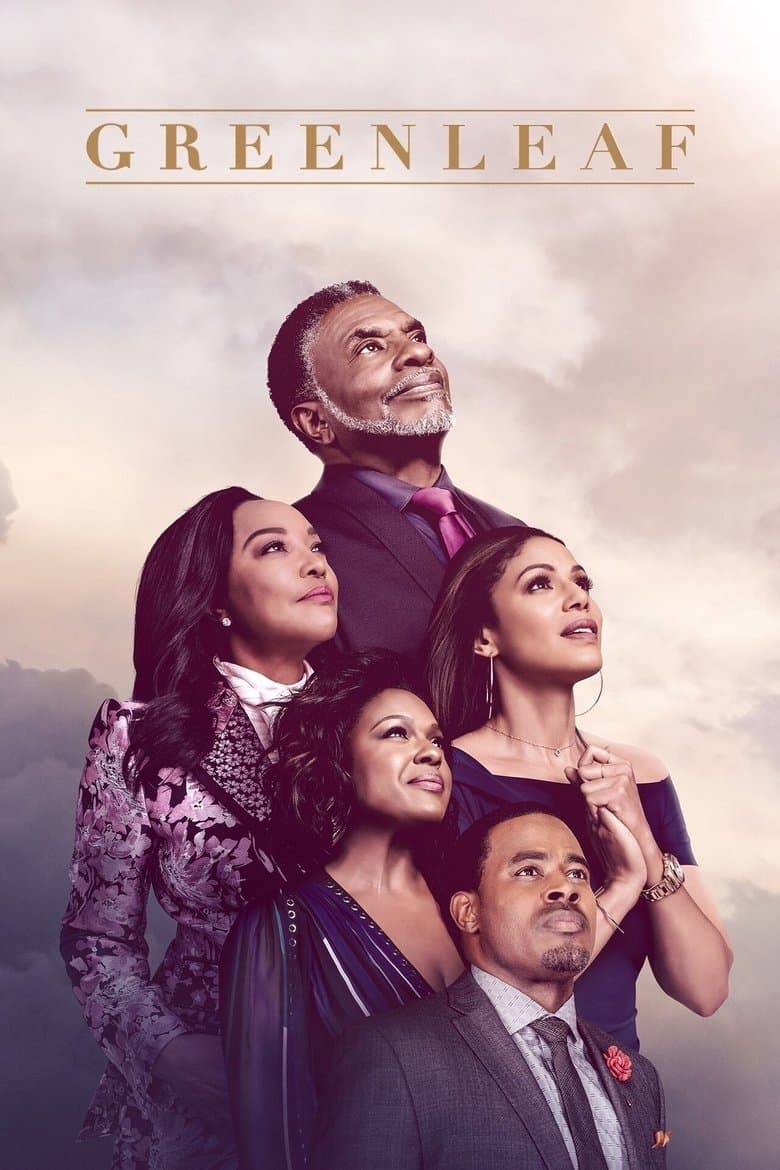
Started June 21, 2016 · Ended · Based on 5 seasons, 61 episodes through August 11, 2020 · TV-14 · 42 min
Greenleaf is a five-season soap-style drama about the Greenleaf family and their large Memphis megachurch. It centers on scandals, secrets, adultery, greed, sibling rivalry, and a major cover-up of sexual abuse by a family member. Prominent storylines follow Kevin coming out as gay and struggling with church expectations plus Carlton, an openly gay choir director who faces firing after marrying his partner. Creator Craig Wright has spoken about using the show to normalize queerness in black church settings and examine male power structures.
Community feedback
Was our 60% Woke rating accurate?
Breakdown
These are the editorial factors and ratings behind our score for Greenleaf.
Woke representation / casting
The show uses a predominantly African-American cast to portray a black megachurch family and congregation in Memphis, matching the core premise and setting. Oprah Winfrey and OWN highlighted it as an opportunity for authentic representation of African-American families. No race or gender swaps of established characters or obvious quota-style mismatches with the story world.
25%
Woke political dialogue
Characters frequently quote scripture and debate faith, forgiveness, and church leadership amid scandals. Some episodes include sermons or talks on inclusivity and acceptance. Dialogue stays rooted in dramatic personal and family conflict rather than sustained modern activist lectures.
15%
Identity-driven story themes
Significant recurring arcs involve Kevin coming out as gay, conversion therapy attempts, and divorce under church pressure, plus Carlton as an out gay choir director fired for marrying his partner. Creator statements explicitly reference goals of normalizing queerness in black communities and shifting power away from traditional male authority toward women like Lady Mae.
67%
Western institutional / cultural critique
The series repeatedly depicts megachurch leaders as hypocritical, greedy, and complicit in covering up sexual abuse and misconduct. It questions traditional male dominance and power structures inside the church. Critiques remain focused on this specific religious institution and family dynamics rather than broad attacks on Western society, capitalism, or whiteness.
31%
Woke character or canon changes
Not relevant. This is an original drama series with no source material, established canon characters, or real historical figures being reinterpreted along identity lines.
0%
Anti-woke backlash and complaints
Some Christian viewers and parents objected to the scandal-heavy, negative portrayals of church leadership, sexual content, and gay storylines as anti-Christian or damaging to faith. Complaints exist but appear limited in scope and mostly framed around traditional religious values rather than explicit accusations of DEI, representation quotas, or left-wing identity politics. No major organized anti-woke campaigns surfaced in coverage.
18%
Creator track record context
Oprah Winfrey has a documented pattern of prioritizing representation of black families and people of color in her media work. Craig Wright has discussed deliberate creative choices around queerness and male power in the black church. Directors include figures with queer cinema histories (Gregg Araki, Rose Troche) and feminist/black cultural focuses (Rachel Raimist cached at 59/100). Other team members show milder or no such patterns.
48%
Production
TV Show · 2019
In the early 1990s in New York, during the height of the crack cocaine epidemic, a visionary musician named Bobby Diggs aka The RZA begins to form a super group of a dozen young…
TV Show · 2023
The story of Bass Reeves, the legendary lawman of the wild West, is brought to life. Reeves worked in the post-Reconstruction era as a federal peace officer in the Indian…
TV Show · 2016
The love story of young Countess Natasha Rostova and Count Pierre Bezukhov is interwoven with the Great Patriotic War of 1812 against Napoleon's invading army.
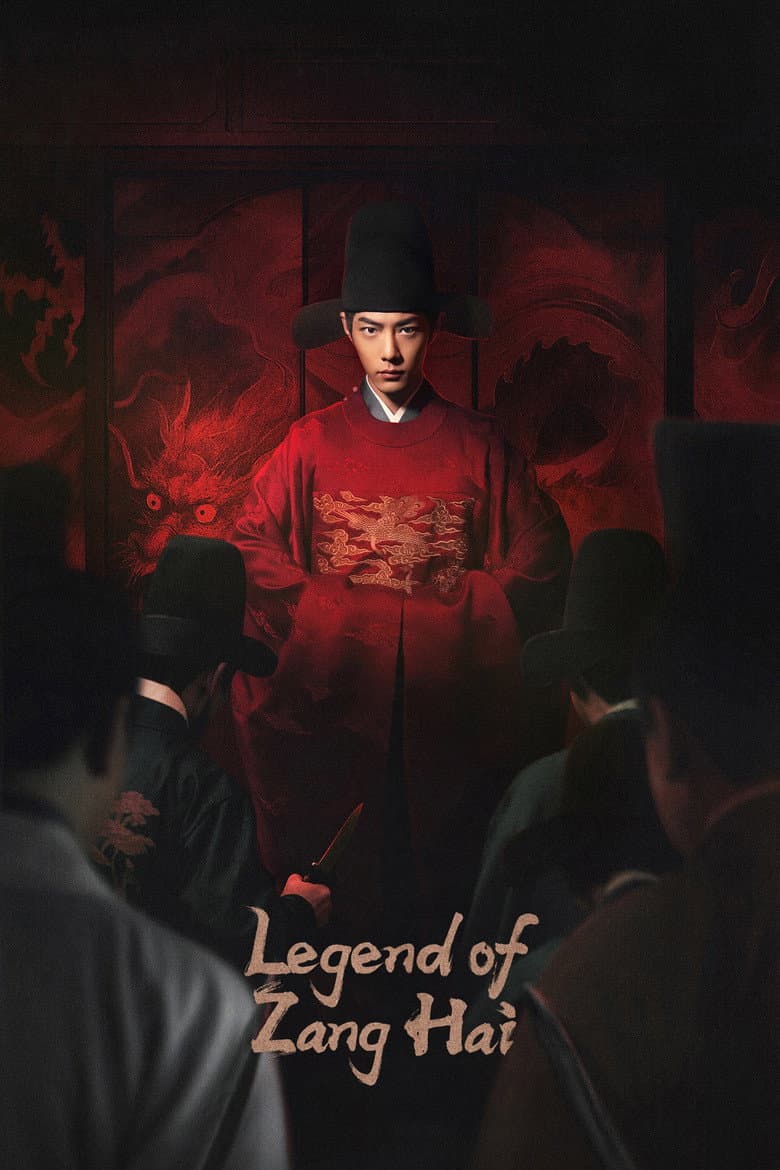
TV Show · 2025
"Legend of Zang Hai" follows the son of Imperial Astronomer Kuai Duo. Consumed by vengeance, he spends a decade honing his skills.
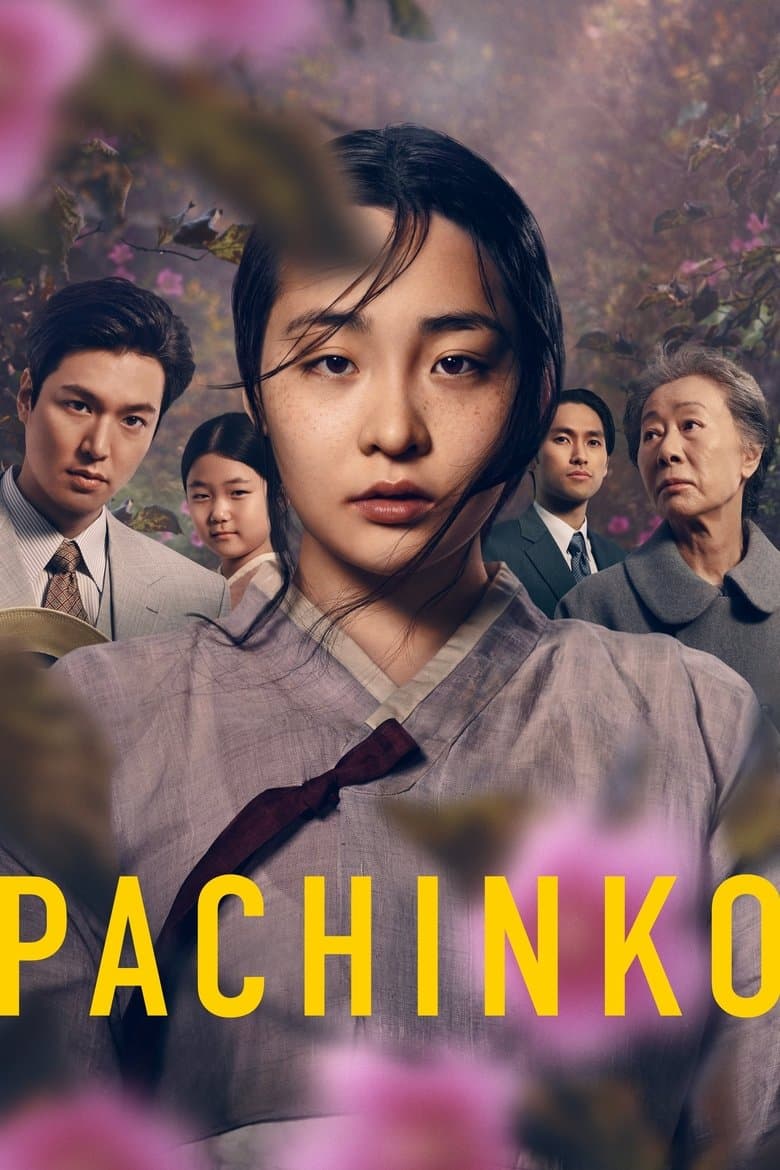
TV Show · 2022
This sweeping saga chronicles the hopes and dreams of a Korean immigrant family across four generations as they leave their homeland in an indomitable quest to survive and thrive.
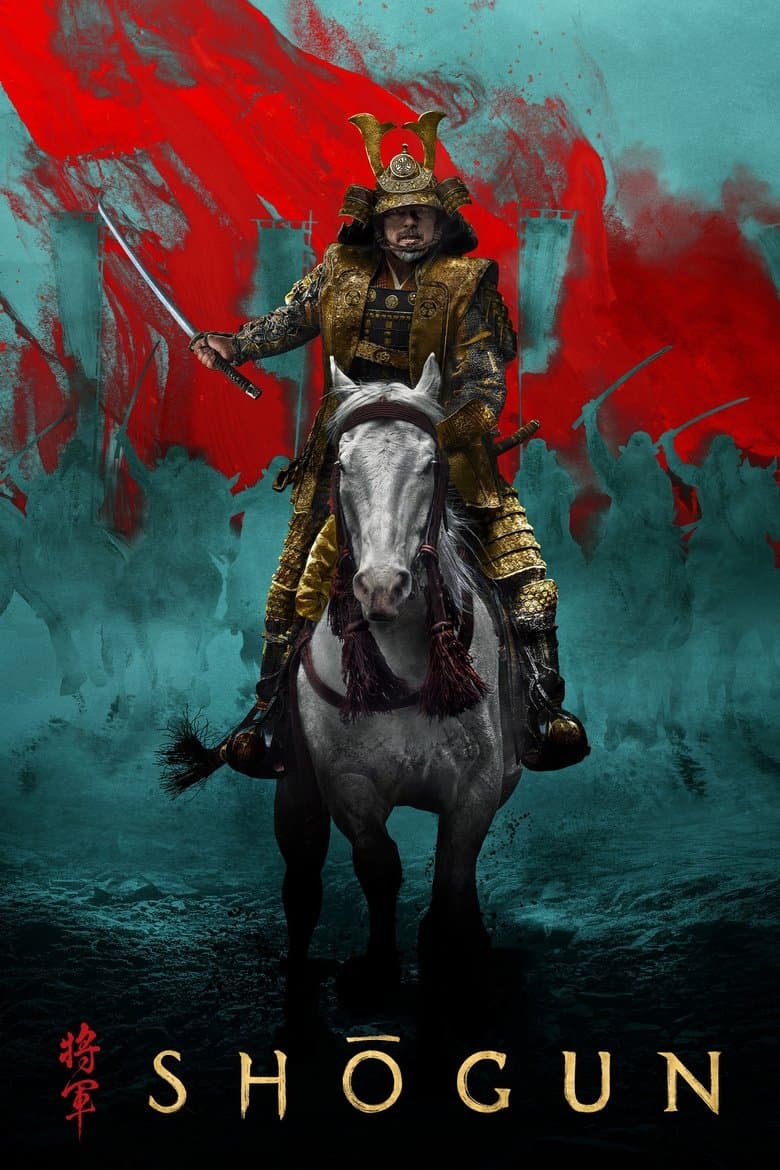
TV Show · 2024
In Japan in the year 1600, at the dawn of a century-defining civil war, Lord Yoshii Toranaga is fighting for his life as his enemies on the Council of Regents unite against him…
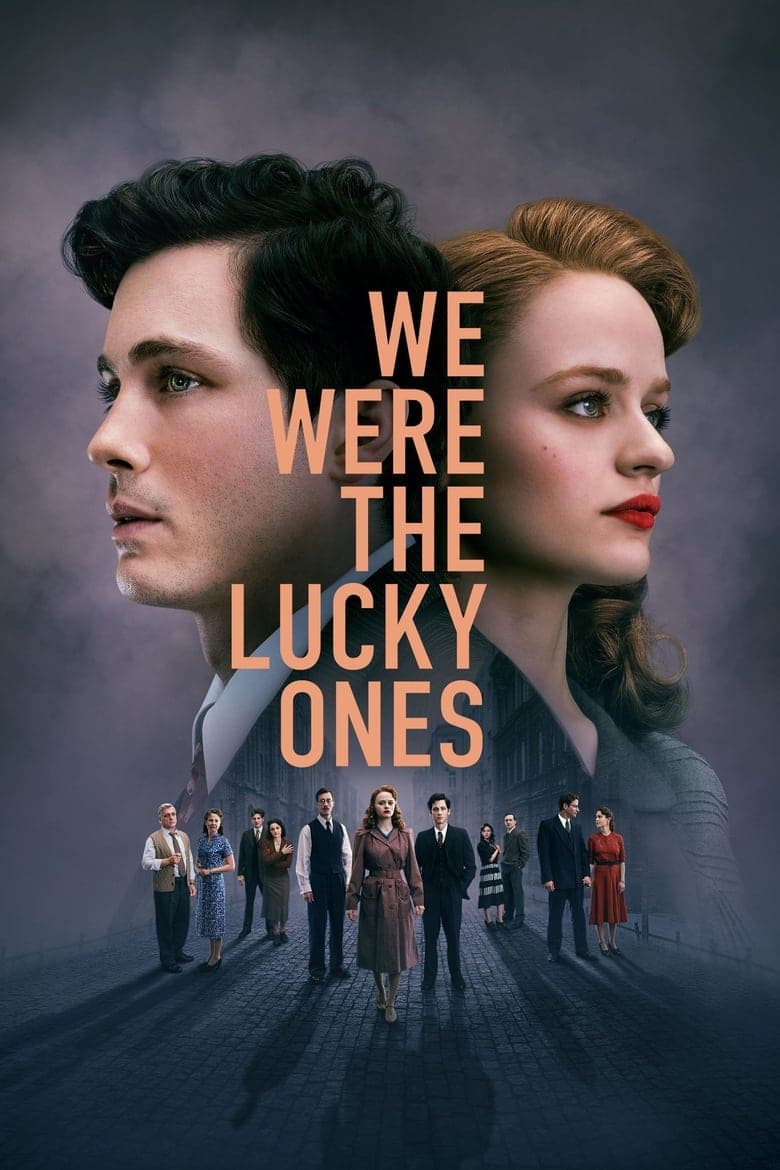
TV Show · 2024
The true story of one Jewish family separated at the start of World War II, determined to survive—and to reunite.
TV Show · 2020
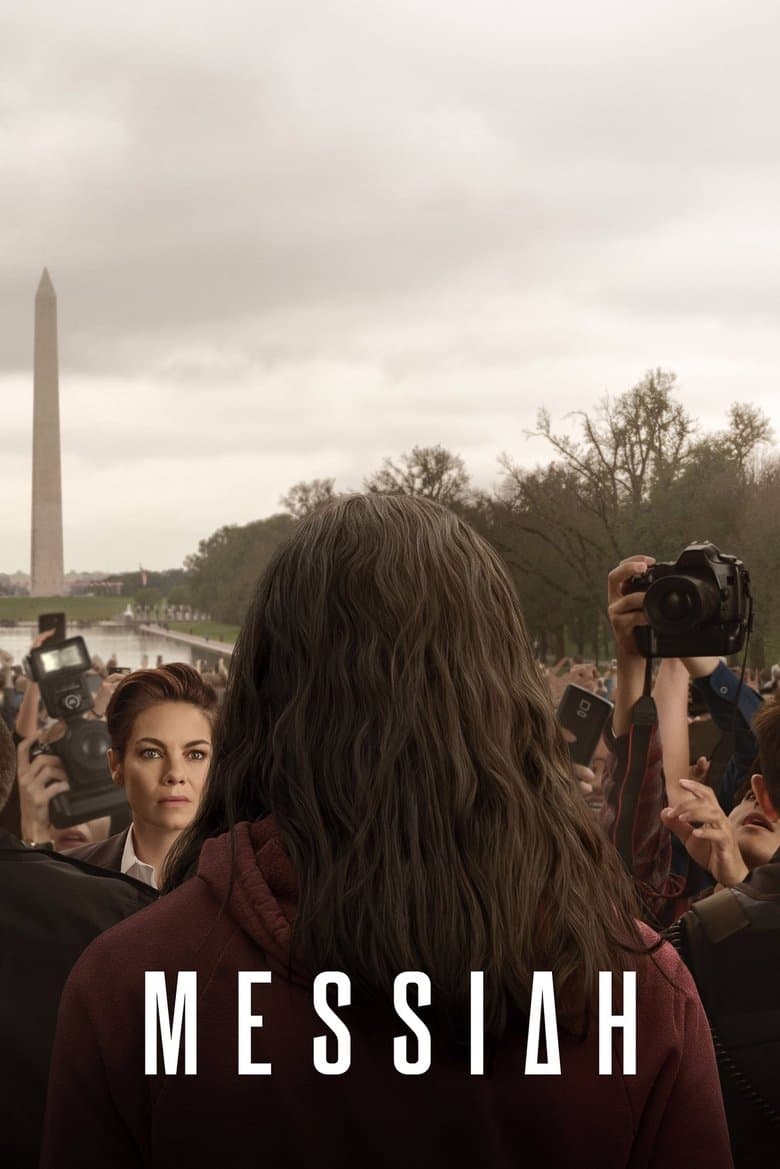
A wary CIA officer investigates a charismatic man who sparks a spiritual movement and stirs political unrest. Who exactly is he? And what does he want?
