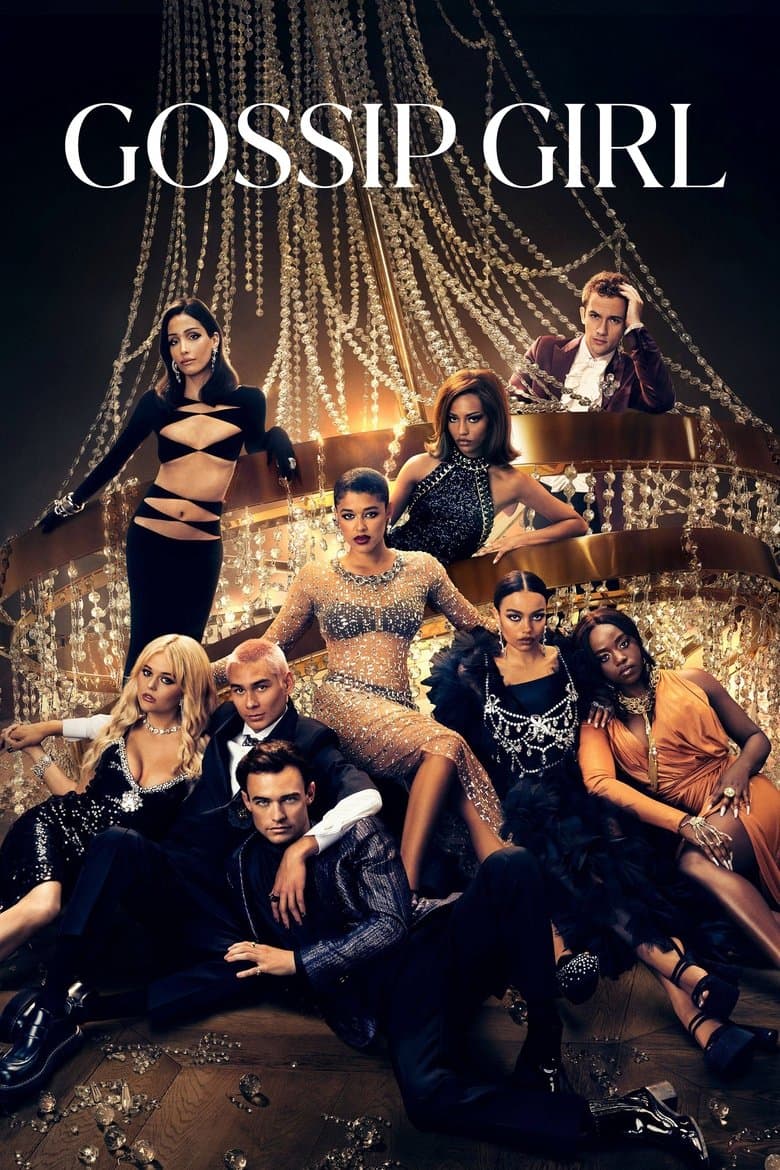
Started July 8, 2021 · Canceled · Based on 2 seasons, 22 episodes through January 26, 2023 · TV-MA
This drama series follows a new generation of ultra-wealthy teenagers at a New York private school who find themselves targeted by a gossip blogger on Instagram. The show focuses on their friendships, romances, and social scandals. The series features a highly diverse cast with prominent black, trans, and queer characters. It heavily highlights topics like social privilege, wealth inequality, gender roles, and LGBTQ+ issues.
Community feedback
Was our 99% Woke rating accurate?
Breakdown
These are the editorial factors and ratings behind our score for Gossip Girl.
Woke representation / casting
The series features an extremely diverse main cast explicitly designed to prioritize intersectional representation. The lead sisters are black, and multiple prominent characters are openly queer, including a bisexual male lead and a pansexual lead. A transgender actress plays one of the main popular girls. This casting was heavily marketed by creators as a deliberate correction to the original show's mostly white, straight cast. The emphasis on identity over story logic is very visible throughout.
95%
Woke political dialogue
The characters regularly engage in heavy-handed conversations about social justice, privilege, and political activism. Dialogue frequently includes buzzwords like "the patriarchy," "white privilege," "gentrification," and references to progressive movements. Characters often deliver lectures on systemic inequality, climate change, and labor rights. Instead of focusing on dramatic escapism, the show uses its characters as mouthpieces for modern progressive political talking points.
Production
85%
Identity-driven story themes
The plot heavily revolves around identity politics and social consciousness. The central characters constantly feel guilty about their immense wealth and actively try to dismantle their own privilege. Major story arcs focus on a polyamorous "throuple" relationship, coming out, and exploring fluid sexualities. Traditional teen drama elements are continually sidelined to focus on characters attempting to be socially responsible and politically correct.
90%
Western institutional / cultural critique
The show presents a relentless critique of capitalism, high society, and systemic privilege. Unlike the original series, which celebrated lavish wealth as a fantasy, this version portrays traditional institutions, wealthy private schools, and old-money families as corrupt and harmful. Traditional family structures and gender roles are constantly criticized as outdated or toxic, while alternative relationship models are framed as superior and progressive.
80%
Woke character or canon changes
Not present in this title.
0%
Anti-woke backlash and complaints
The show faced massive backlash from audiences and online commentators who criticized it for abandoning the fun, catty escapism of the original in favor of performative social justice. Viewers complained that the characters were too focused on "wrestling with their privilege" and that the constant lectures on political correctness ruined the entertainment value. When the series was canceled, critics and audiences widely pointed to its heavy-handed ideological lecturing as the reason for its failure.
85%
Creator track record context
Showrunner Joshua Safran has openly stated his goal is to make all his projects highly progressive and intersectional, focusing heavily on queer storylines and diverse casting. Other key writers like the James twins and Ashley Wigfield have strong records of advocating for BIPOC and LGBTQ+ representation. Prominent directors like Kenny Leon and Craig Johnson also have extensive backgrounds in activist theater and queer-centric filmmaking.
80%
TV Show · 2021
A detective in a small Pennsylvania town investigates a local murder while trying to keep her life from falling apart.
TV Show · 2020
A family's lives are irreparably disrupted when the 14-year-old son is accused of murdering a fellow classmate.
TV Show · 2026
The mayor of a New England town resolves to turn it into the next tourist hot spot, despite local warnings that it's cursed.
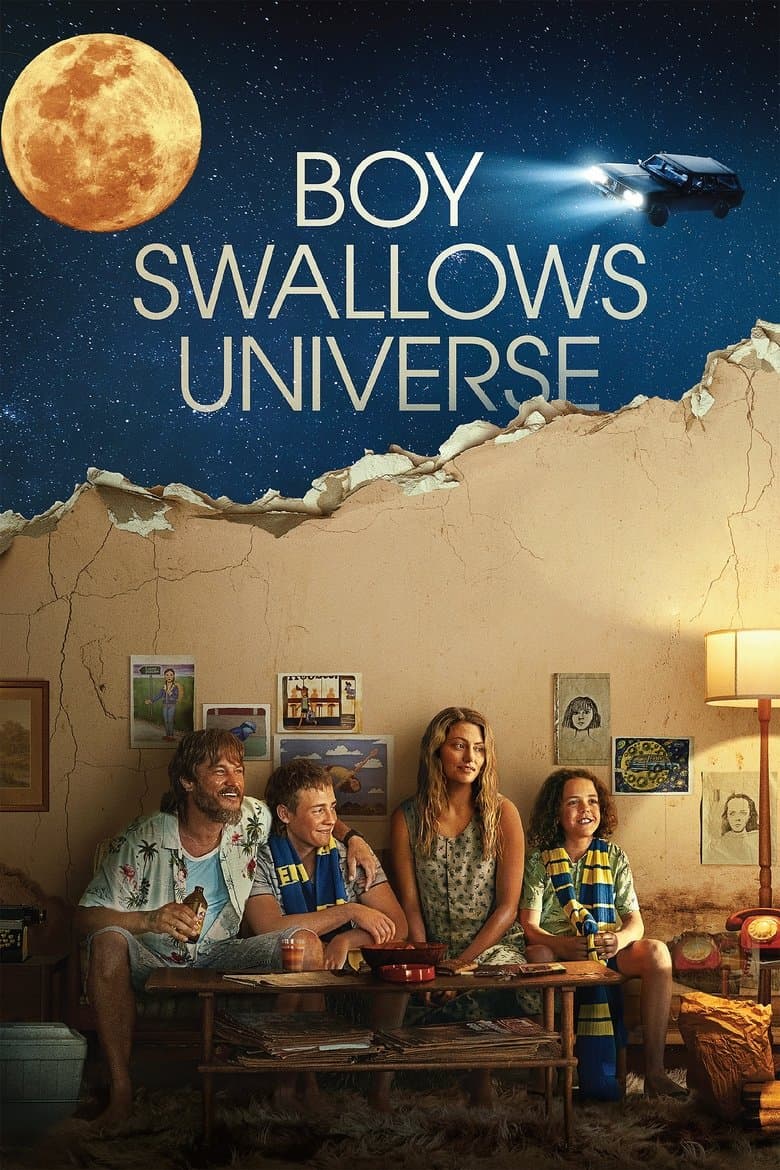
TV Show · 2024
A young boy growing up in the suburbs of 1980s Brisbane faces the harsh realities of life — and the looming dangers that threaten his family.
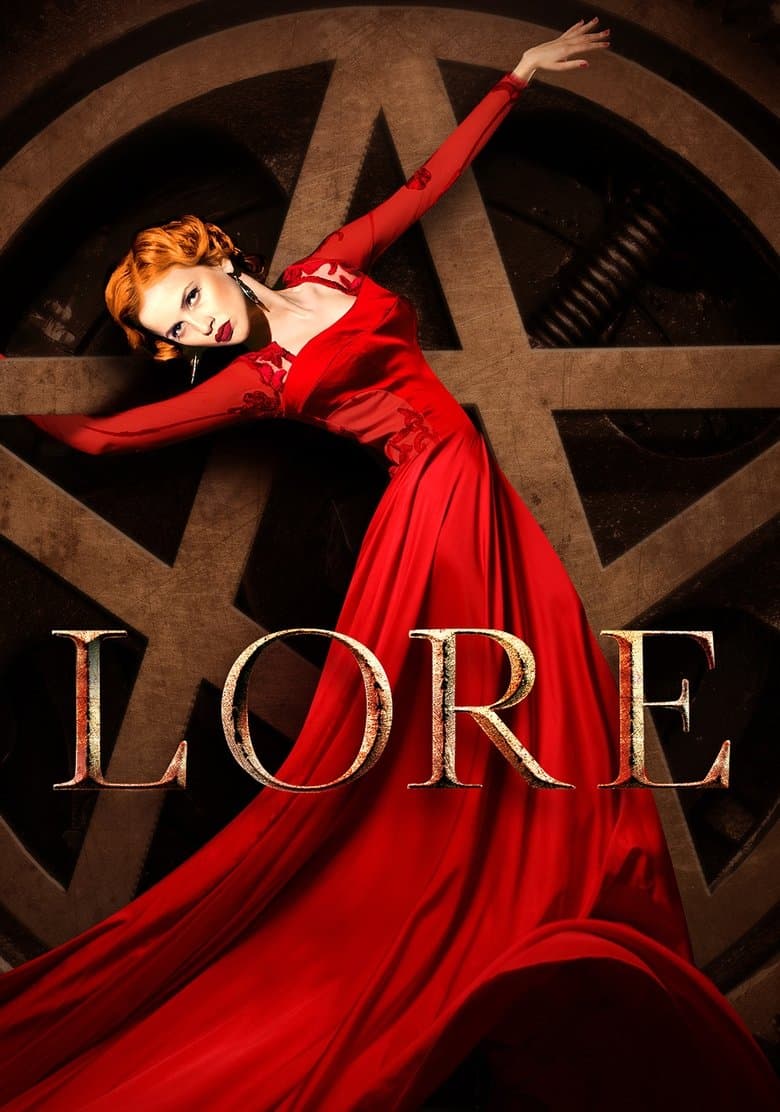
TV Show · 2017
This anthology series brings to life Aaron Mahnke's titular podcast and uncovers the real-life events that spawn our darkest nightmares.
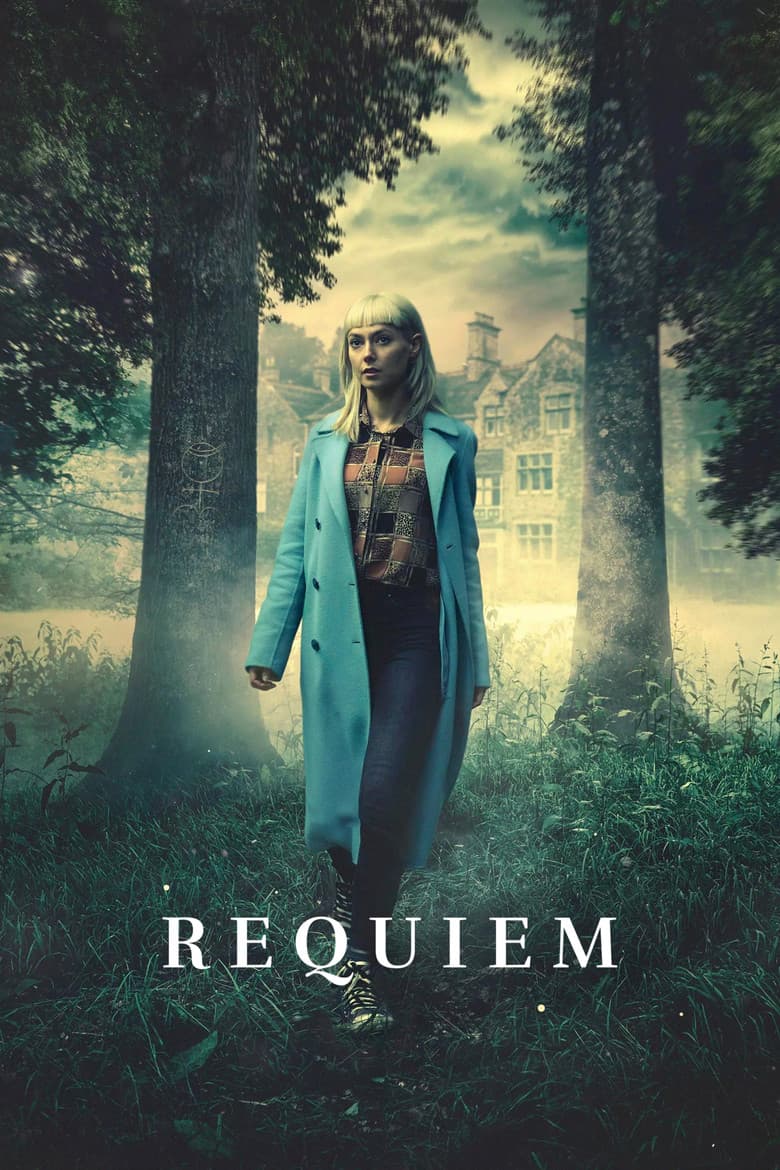
TV Show · 2018
In 1994, a toddler disappeared from a small Welsh village, never to be seen again. 23 years later, in London, the mother of rising cello star Matilda Gray commits suicide, without…
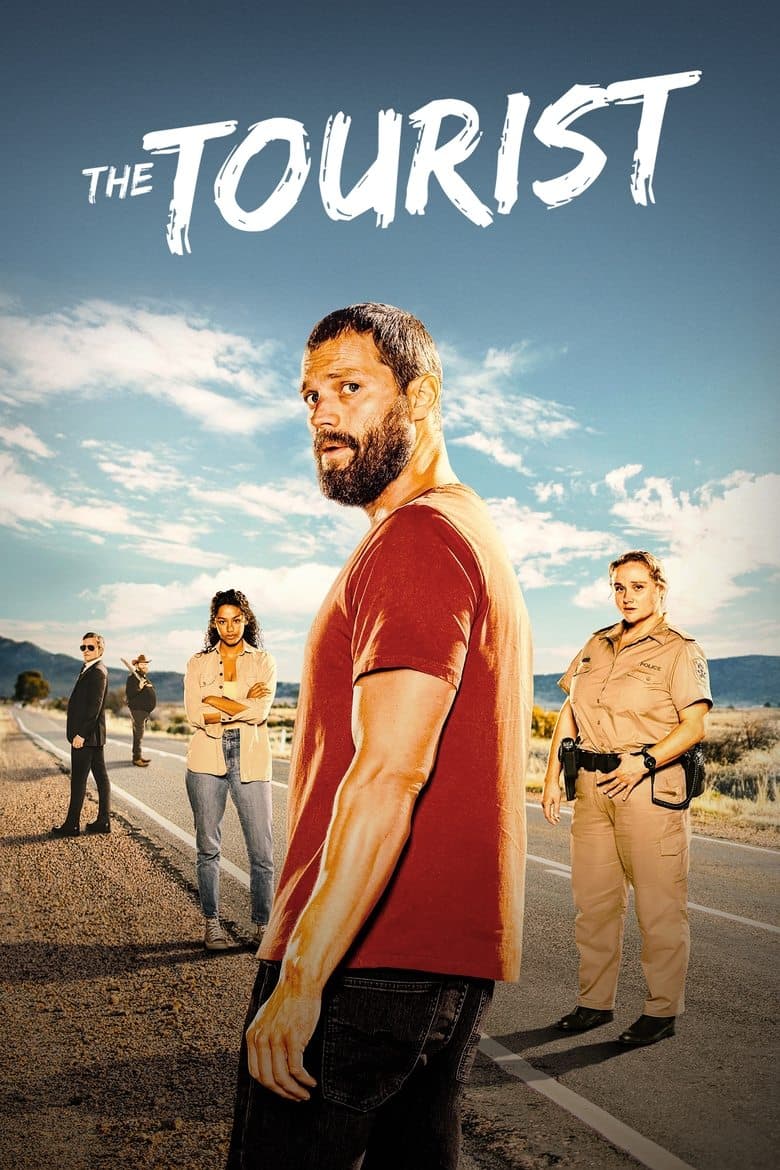
TV Show · 2022
When a man wakes up in the Australian outback with no memory, he must use the few clues he has to discover his identity before his past catches up with him.
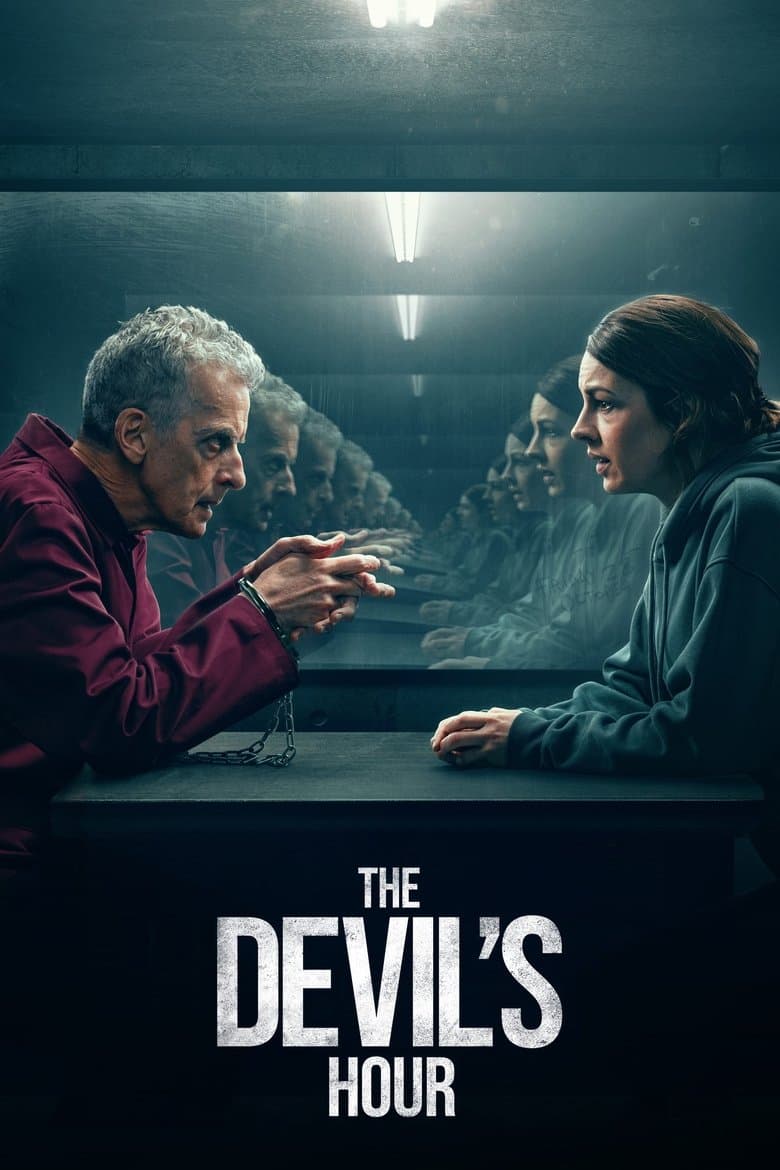
TV Show · 2022
Lucy wakes every night at exactly 3:33am. Nothing in her life has made sense for a long time. But the answers are out there, somewhere, at the end of a trail of brutal murders.
