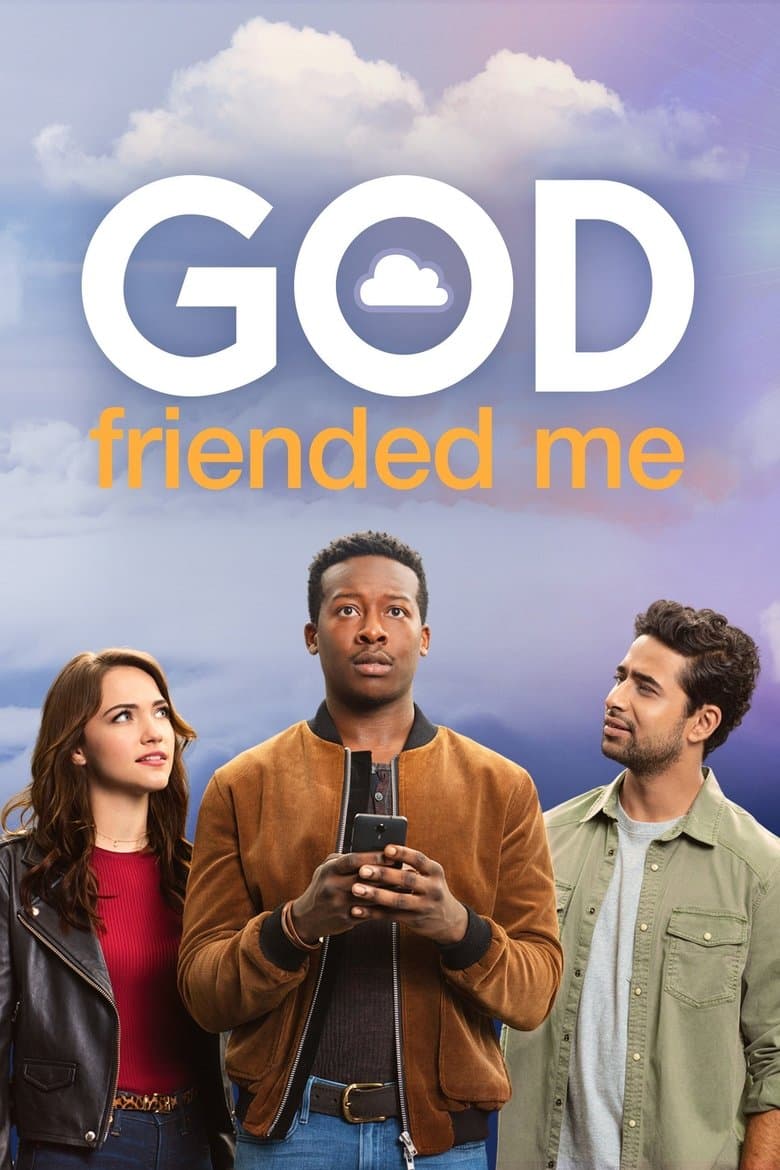
Started September 30, 2018 · Canceled · Based on 2 seasons, 42 episodes through April 26, 2020 · TV-PG · 42 min
God Friended Me is a drama series about Miles Finer, an atheist podcaster who is sent on missions to help strangers after receiving a Facebook friend request from an account claiming to be God. While the core premise focuses on mystery and uplifting deeds, the series incorporates noticeable progressive social justice themes. These elements become highly visible in the second season. The storyline heavily features a lesbian character exploring her faith and attending an LGBTQ-affirming church led by a transgender pastor. The show also critiques conservative religious views, framing traditional theology as exclusionary.
Community feedback
Was our 74% Woke rating accurate?
Breakdown
These are the editorial factors and ratings behind our score for God Friended Me.
Woke representation / casting
The series features a highly diverse cast, with several prominent minority leads. More significantly, it places a heavy emphasis on LGBTQ+ casting. The lead character's sister, Ali, is an openly lesbian character played by Javicia Leslie. In Season 2, the show actively highlights trans representation by casting drag queen and transgender activist Peppermint to play Pastor Olivia, a trans woman leading an inclusive church. This clear prioritization of progressive identity representation elevates the score.
68%
Woke political dialogue
While many episodes are standard family-friendly procedurals, the show frequently engages in progressive lectures about acceptance and identity. The dialogue includes explicit discussions on reconciling queer identity with spiritual faith. In several scenes, characters actively debate religious doctrines, with the narrative clearly favoring progressive, gay-affirming theological views over traditional ones.
45%
Identity-driven story themes
The narrative places a strong focus on modern identity politics, especially during the second season. A major multi-episode story arc revolves around the lead's sister leaving her father's traditional congregation to explore and join a queer-friendly church. Themes of gender, sexuality, and the struggle for institutional LGBTQ+ acceptance are key drivers of the characters' choices and emotional growth.
62%
Western institutional / cultural critique
The show presents a clear critique of traditional Christian structures and conservative theology. It portrays conservative church board members as hypocritical, narrow-minded, and mean-spirited when they try to block the progressive pastor's leadership. Traditional religious views are framed as outdated obstacles to true compassion and acceptance.
46%
Woke character or canon changes
Not present in this title.
0%
Anti-woke backlash and complaints
The show faced noticeable pushback from conservative and faith-based viewers who felt the second season abandoned its neutral, uplifting tone in favor of progressive preaching. Many reviews pointed out that the addition of the trans pastor storyline and the heavy emphasis on LGBTQ activism felt forced and preachy.
35%
Creator track record context
While the primary creators, Bryan Wynbrandt and Steven Lilien, have a neutral track record with low woke scores, the surrounding production team includes prominent progressive voices. Actor and director Joe Morton has a high score for his representation activism, while other contributors like Kyra Sedgwick and Steve Harper lean strongly into social justice themes.
28%
Production
TV Show · 2017
The early life of child genius Sheldon Cooper, later seen in The Big Bang Theory.
TV Show · 2016
In 1935, financially strapped widow Louisa Durrell, whose life has fallen apart, decides to move from England, with her four children (three sons, one daughter), to the island of…

TV Show · 2025
As Christmas approaches, a blundering-all-the-way dad juggles housesitting a posh London penthouse with an unexpected pickle: caring for a lost baby.
TV Show · 2024
John Taylor lives in quiet solitude, designing puzzles for a living, under the nom-de-plume of 'Ludwig'. When his identical twin, James, disappears off the face of the earth, John…
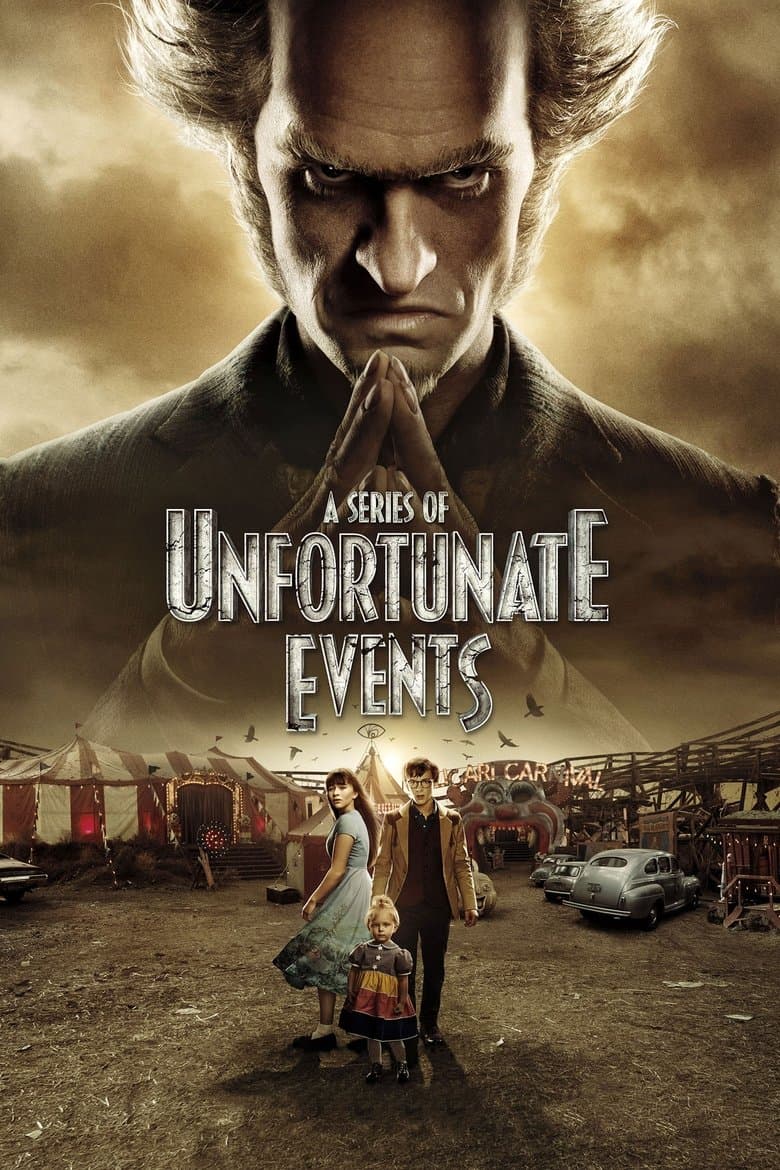
TV Show · 2017
The orphaned Baudelaire children face trials, tribulations and the evil Count Olaf, all in their quest to uncover the secret of their parents' death.
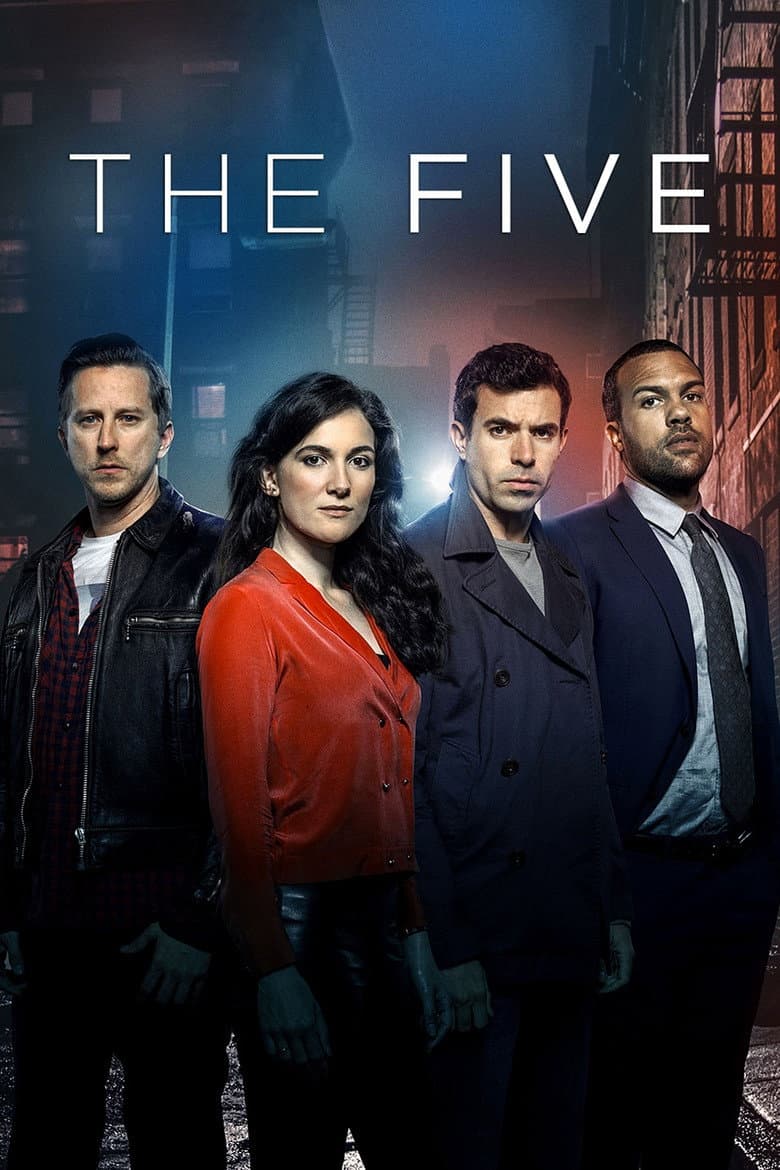
TV Show · 2016
When they were twelve years old, Mark, Pru, Danny and Slade were out together in the park. Mark’s five-year-old brother, Jesse, was annoying them.
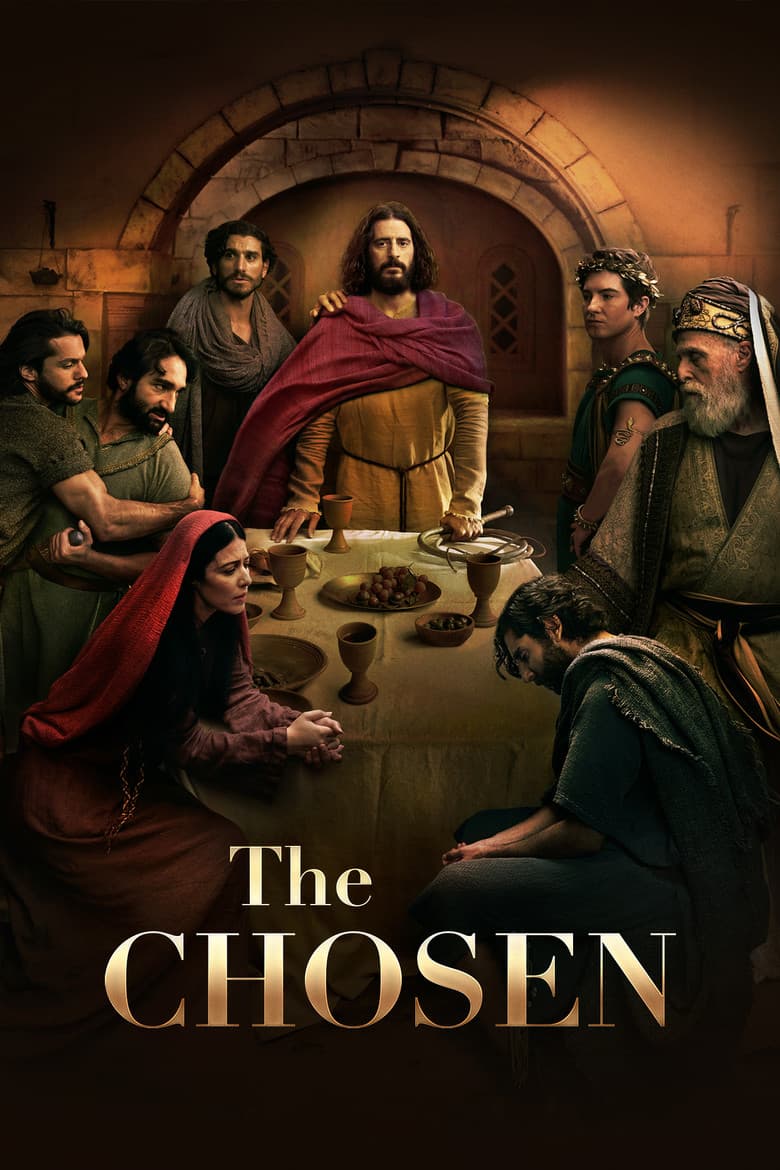
TV Show · 2019
The life of Christ through the eyes of those who encountered him.
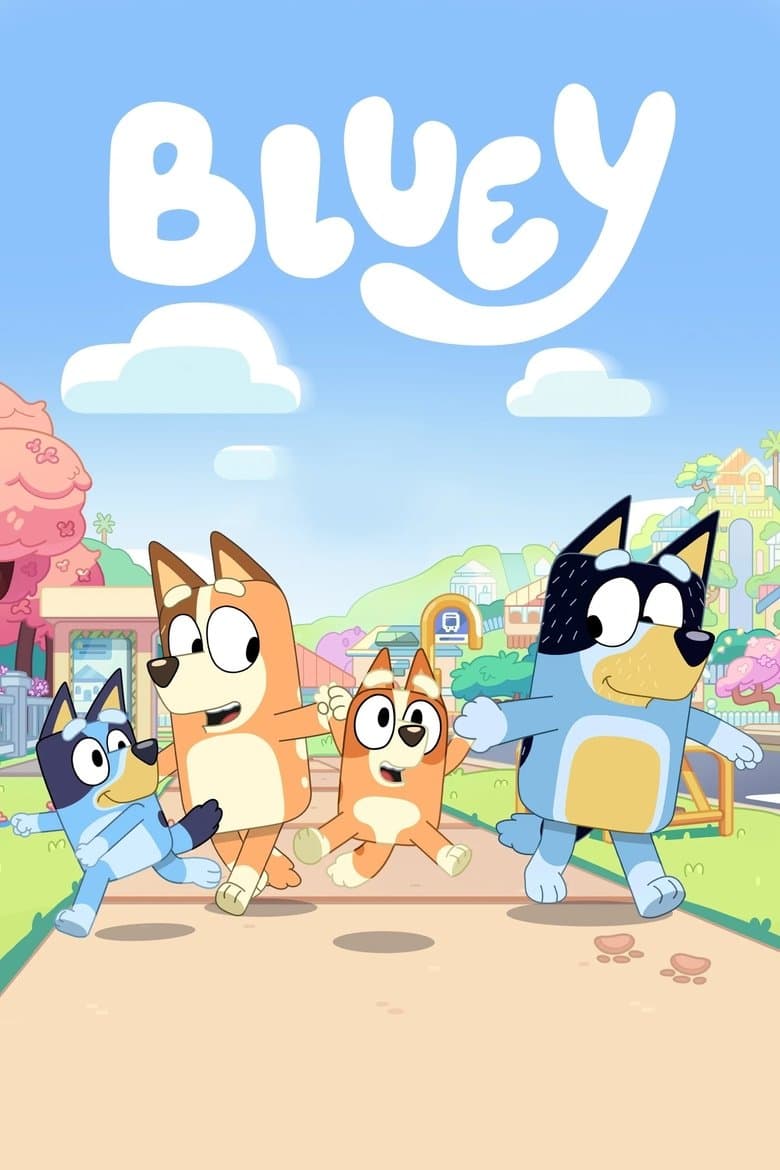
TV Show · 2018
Bluey is an inexhaustible six year-old Blue Heeler dog, who loves to play and turns everyday family life into extraordinary adventures, developing her imagination as well as her…
