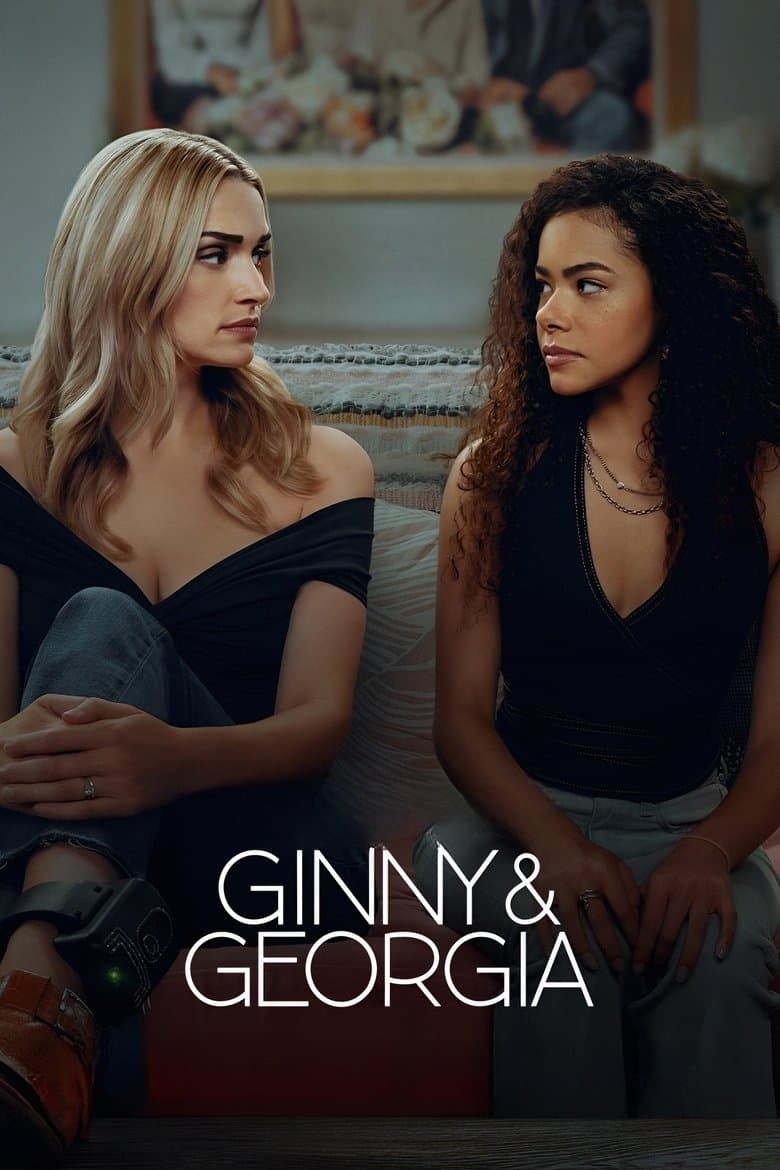
Started February 24, 2021 · Returning Series · Based on 3 seasons, 30 episodes through June 5, 2025 · TV-14
Ginny & Georgia follows single mother Georgia Miller, who has a violent past, and her biracial teenage daughter Ginny as they move to a quiet New England town with young son Austin to start over. The Netflix dramedy spans multiple seasons of family secrets, romances, high school drama, mental health struggles, and Georgia’s criminal trial. Audience-visible elements include Ginny navigating her mixed-race identity and microaggressions at school, a prominent season 1 argument about race and privilege, and a queer friend in the main group, though these stay secondary to soapy plots and trauma recovery arcs.
Community feedback
Was our 43% Woke rating accurate?
Breakdown
These are the editorial factors and ratings behind our score for Ginny & Georgia.
Woke representation / casting
Biracial lead whose racial background is built into the family premise and school story; diverse friends group with visible queer member.
40%
Woke political dialogue
One extended season 1 scene with explicit race, privilege, and stereotype arguments that critics labeled contrived; other identity mentions stay occasional and character-based.
32%
Identity-driven story themes
Ginny’s mixed-race identity, mental health arcs, generational trauma, and supporting queer elements appear regularly but remain secondary to family secrets, romance, and personal agency plots.
38%
Western institutional / cultural critique
Small-town gossip and family power issues show up, yet no sustained modern activist framing of patriarchy, capitalism, traditional norms, or Western institutions.
12%
Woke character or canon changes
Not present in this title.
0%
Anti-woke backlash and complaints
Scattered online criticism of specific scenes as fake-woke or poorly handled diversity; no major organized right-leaning backlash or widespread claims of pushing identity politics.
15%
Creator track record context
Lead creator Sarah Lampert prioritizes mental health storytelling with no activist history; contributing writer Mike Gauyo founded a mentorship program explicitly supporting black writers and marginalized narratives.
22%
Production

TV Show · 2019
A paragliding mishap drops a South Korean heiress in North Korea -- and into the life of an army officer, who decides he will help her hide.
TV Show · 2019
In a city of coaching centers known to train India’s finest collegiate minds, an earnest but unexceptional student and his friends navigate campus life.

TV Show · 2020
The heartwarming and humorous adventures of a young country vet in the Yorkshire Dales in the 1930s. A remake of the 1978 series.
TV Show · 2019
Tony had a perfect life. But after his wife Lisa suddenly dies, Tony changes. After contemplating taking his own life, he decides instead to live long enough to punish the world…
TV Show · 2019
Following an emotional breakup, tough but tender FBI super-agent Will Chase (codename: “Whiskey Cavalier”) is assigned to work with badass CIA operative Frankie Trowbridge…
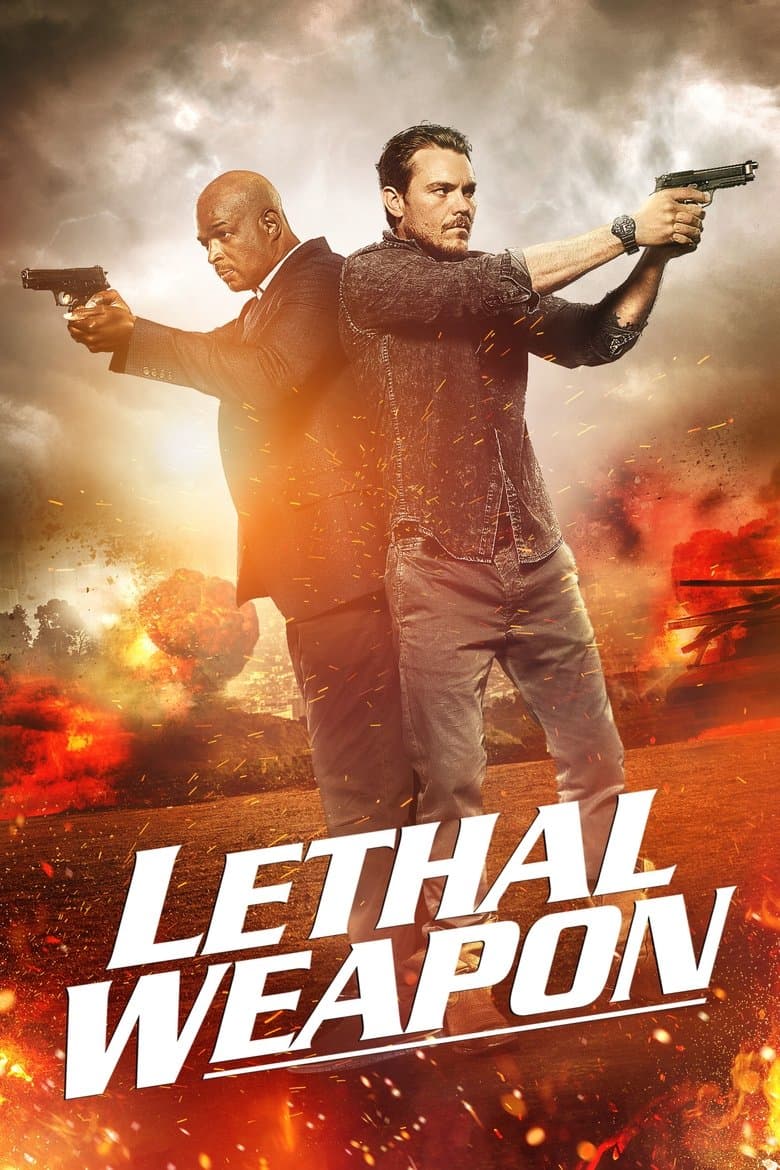
TV Show · 2016
A slightly unhinged former Navy SEAL lands a job as a police officer in Los Angeles where he's partnered with a veteran detective trying to keep maintain a low stress level in his…
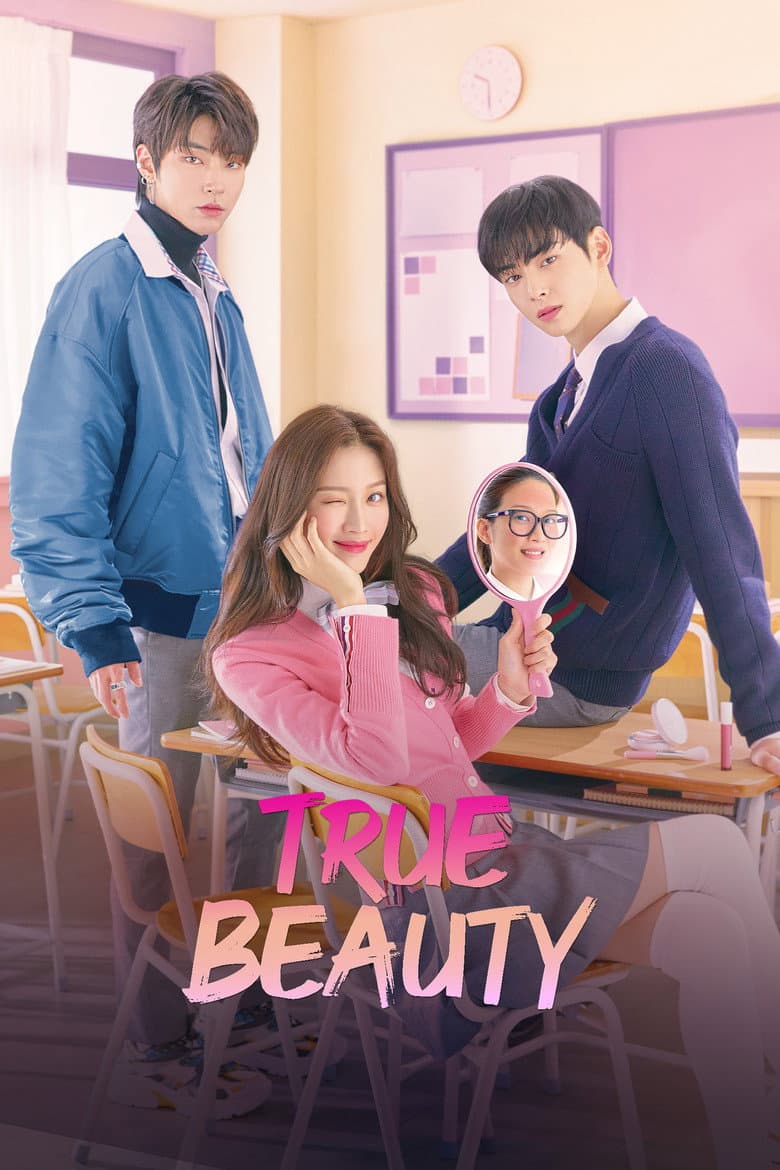
TV Show · 2020
After being bullied and discriminated because of her ugly looks, a high school girl transforms herself into a gorgeous "goddess" and quickly rises to fame after mastering the art…

TV Show · 2018
Puberty Syndrome—a rumored, mysterious syndrome that only affects those in their puberty. For example, a bunny girl suddenly appeared in front of Sakuta Azusagawa.
