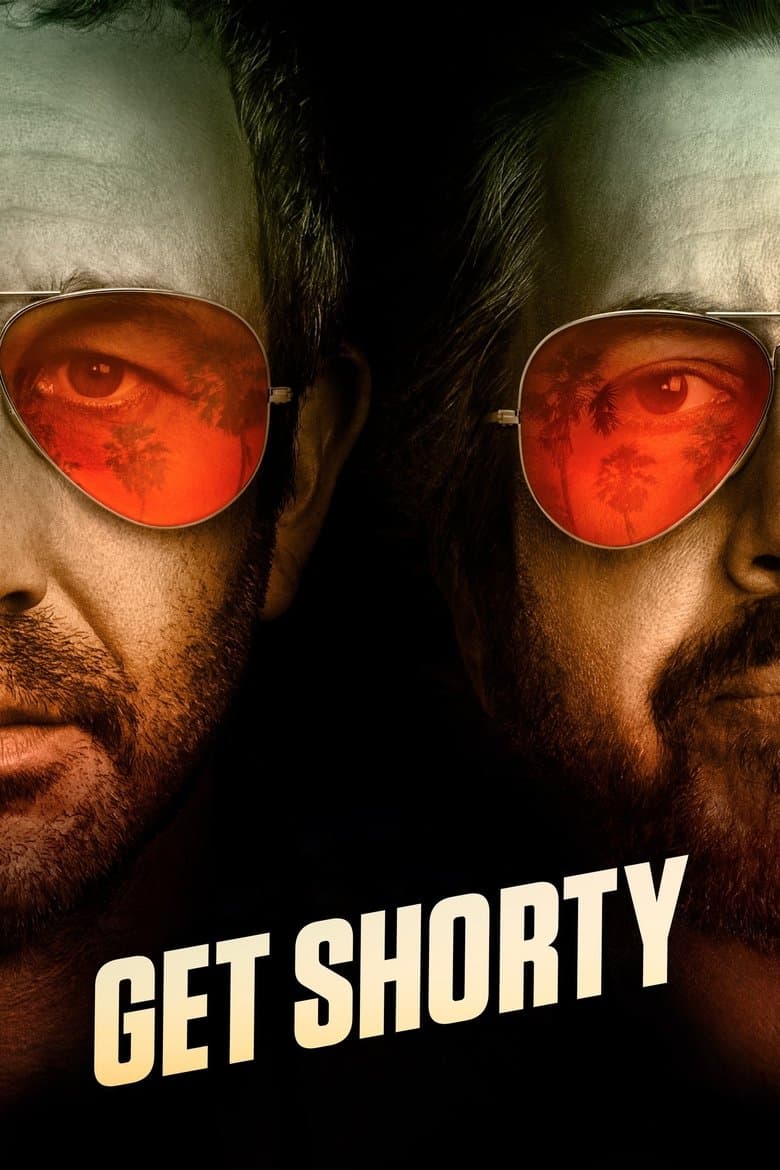
Started August 13, 2017 · Ended · Based on 3 seasons, 27 episodes through November 17, 2019 · TV-MA · 49 min
Get Shorty is a dark comedy crime show about a Nevada hitman who tries to become a movie producer in Hollywood. He uses criminal methods like money laundering and blackmail to get his films made. The show features a powerful female mob boss and an identity-driven subplot about a young actor working as a gay prostitute. It also includes a major storyline in season three that highlights predatory male behavior and sexual harassment in Hollywood. These modern themes are clearly visible but are told with a cynical, comedic tone.
Community feedback
Was our 43% Woke rating accurate?
Breakdown
These are the editorial factors and ratings behind our score for Get Shorty.
Woke representation / casting
The show avoids standard corporate quota-style casting but includes a prominent Hispanic female mob boss who controls a gang of men. More notably, it features a recurring plotline in season one involving a young actor who works as a gay prostitute for closeted Hollywood leading men. Under our rules, this confirmed LGBTQ+ representation significantly raises the score. However, most characters are cast to fit the gritty, realistic crime world, so the diversity elements do not feel entirely out of place for a modern Los Angeles setting.
35%
Woke political dialogue
The series generally relies on gritty, hardboiled crime talk and cynical dark humor. However, it features occasional modern political talking points. This includes a scene where characters discuss why a Halloween photo involving blackface is highly offensive and career-ruining. Season three also features dialogue touching on sexual harassment, casting couches, and the abuse of power in Hollywood, aligning with modern activism. Still, the dialogue remains mostly natural to the characters and lacks heavy-handed moral lecturing.
25%
Identity-driven story themes
The core story focuses on a hitman trying to make movies. However, several identity-related subplots exist. Season one features a plotline about a young male actor who performs sexual favors for closeted male stars to get ahead. Additionally, season three integrates a prominent storyline about Hollywood sexual harassment and predatory male behavior, mirroring real-world movement themes. These elements are highly visible but framed within a cynical crime-revenge narrative.
38%
Western institutional / cultural critique
The show is primarily a dark satire of Hollywood corruption and greed. Rather than relying on generic rich-people-are-corrupt tropes, season three directly incorporates themes of systemic male privilege and the abuse of women in the entertainment industry. The downfall of a predatory executive mirrors modern feminist critiques of institutional patriarchy and the casting couch. While it is delivered with a dark, cynical comedic tone rather than sincere activism, the critique of traditional power structures is noticeable.
35%
Woke character or canon changes
Not relevant. The show does not use any of the characters from the original Elmore Leonard novel or the 1995 film adaptation. It tells an entirely original story with new characters. Therefore, no woke character swaps or canon changes occurred.
0%
Anti-woke backlash and complaints
The show aired on Epix, a relatively obscure premium cable network, which kept its overall viewership low. As a result, it did not attract any major political backlash or mainstream anti-woke internet campaigns. A few viewers noted the inclusion of the sexual misconduct and gay prostitution storylines, but these did not spark any significant controversy or coordinated online complaints.
10%
Creator track record context
The primary creator, Davey Holmes, has a neutral track record with a score of 0. However, the wider writing and directing team is highly mixed. Openly lesbian screenwriters Jennifer Hoppe (score 50) and Nancy Fichman (score 45) wrote for the show, and So Yong Kim (score 78), who is known for feminist and queer cinema, directed episodes. Other episodic directors like Daisy Meyer (score 40) also have a history of female-led and queer-inclusive projects. This creative mix explains the presence of the LGBTQ+ and feminist themes in the series.
25%
Production
TV Show · 2019
Following an emotional breakup, tough but tender FBI super-agent Will Chase (codename: “Whiskey Cavalier”) is assigned to work with badass CIA operative Frankie Trowbridge…
TV Show · 2017
When Daniel Glass is misdiagnosed with a fatal disease he begins to notice how everyone around him treats him better.
TV Show · 2021
A seemingly ordinary British couple become the focus of an extraordinary investigation when two dead bodies are discovered in the back garden of a house in Nottingham.
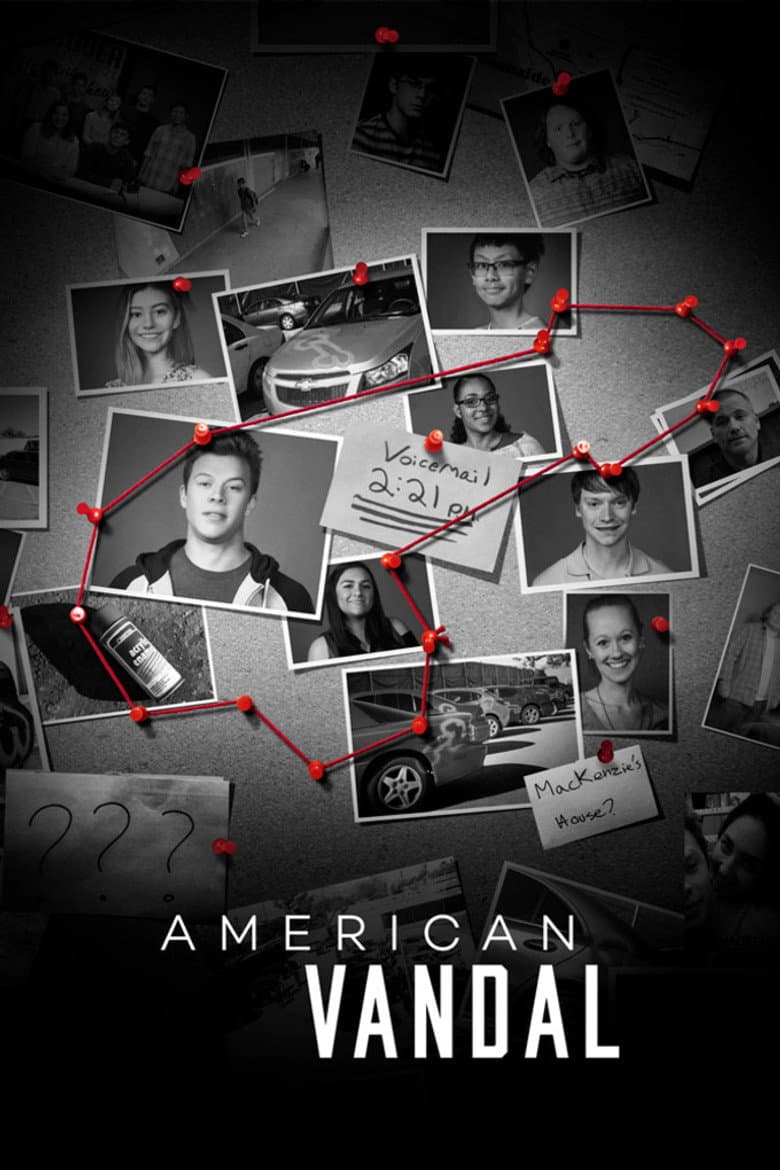
TV Show · 2017
In the wake of their first documentary's success, Peter and Sam seek a new case and settle on a stomach-churning mystery at a Washington high school.
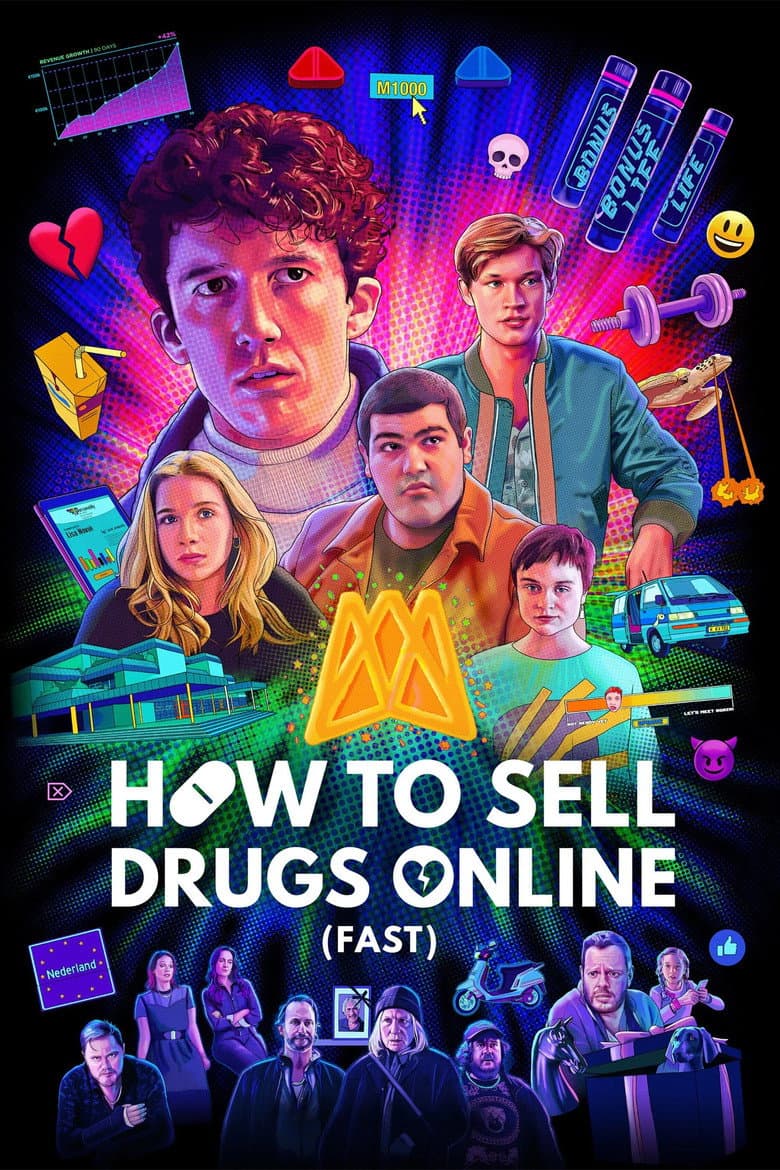
TV Show · 2019
To win back his ex-girlfriend, a nerdy teen starts selling ecstasy online out of his bedroom -- and becomes one of Europe's biggest dealers.
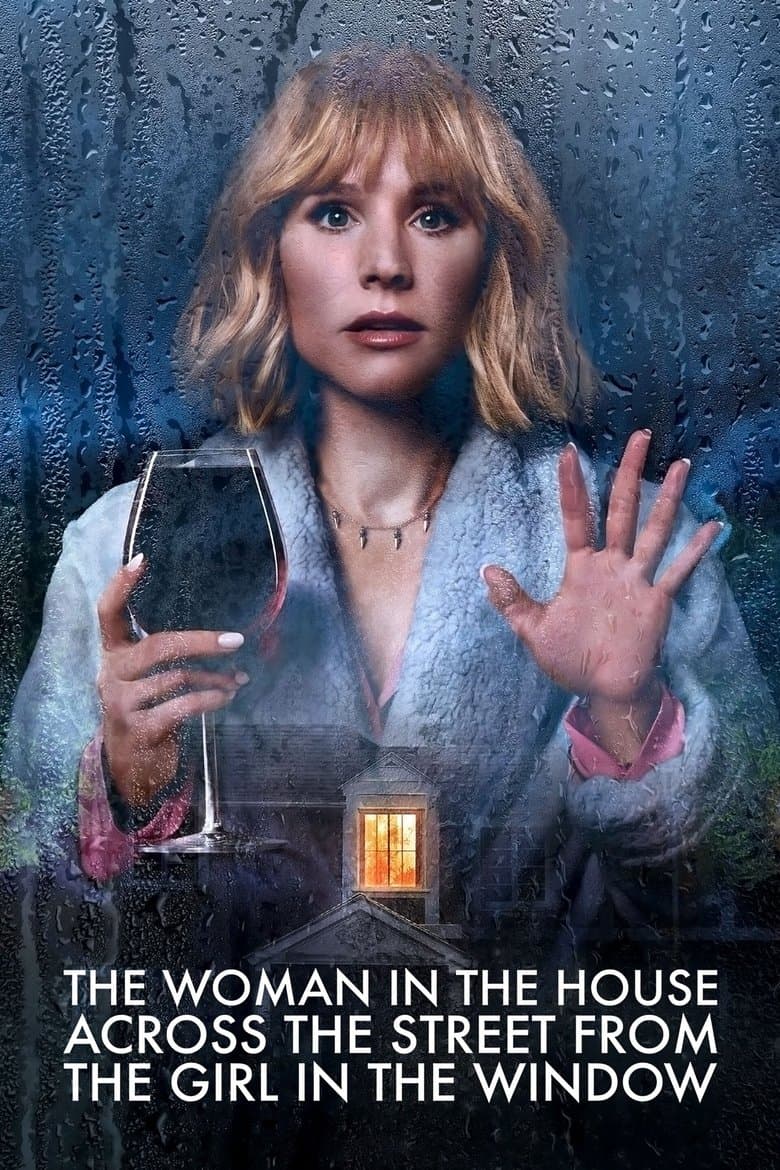
TV Show · 2022
For Anna, every day is the same. She sits with her wine, staring out the window, watching life go by without her.
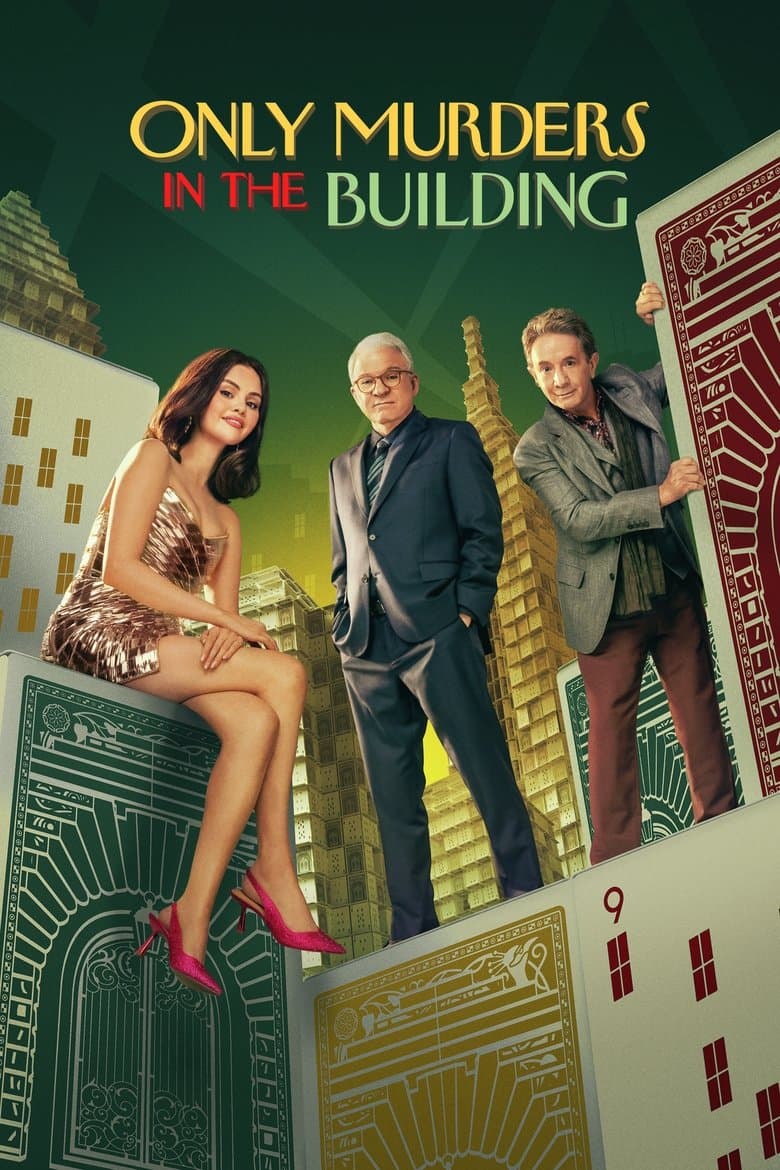
TV Show · 2021
Three strangers share an obsession with true crime and suddenly find themselves wrapped up in one.
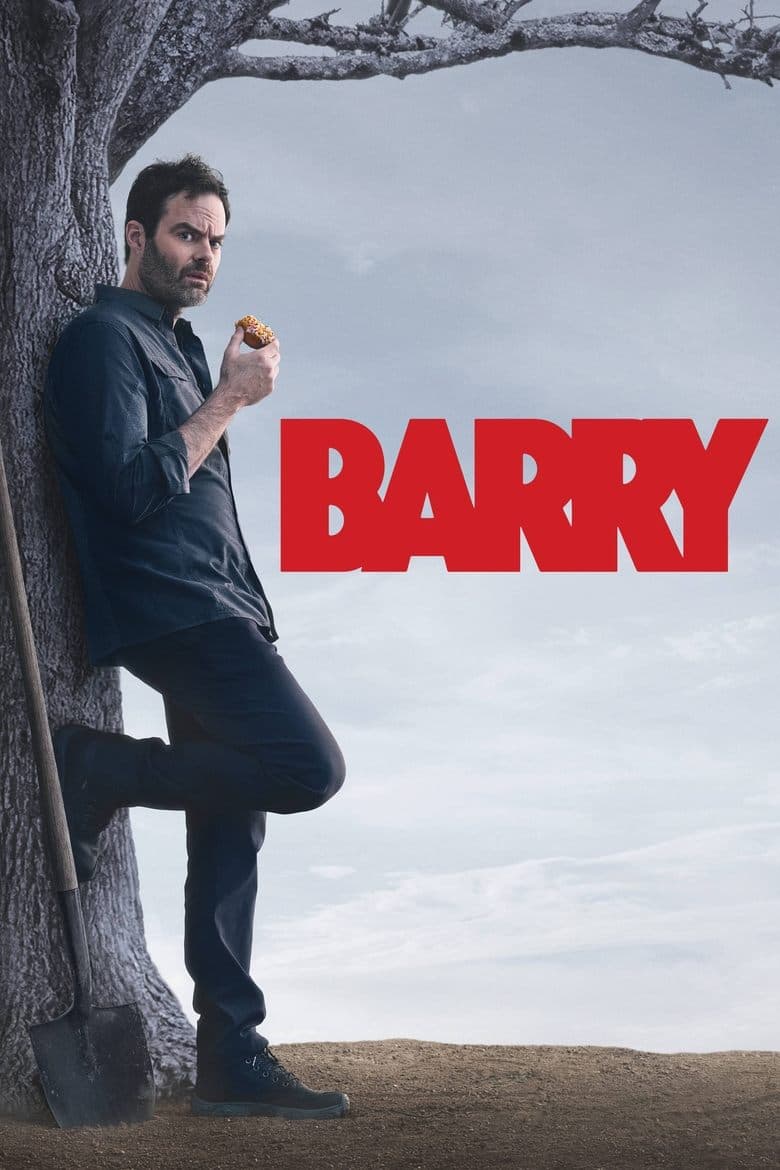
TV Show · 2018
A hit man from the Midwest moves to Los Angeles and gets caught up in the city's theatre arts scene.
