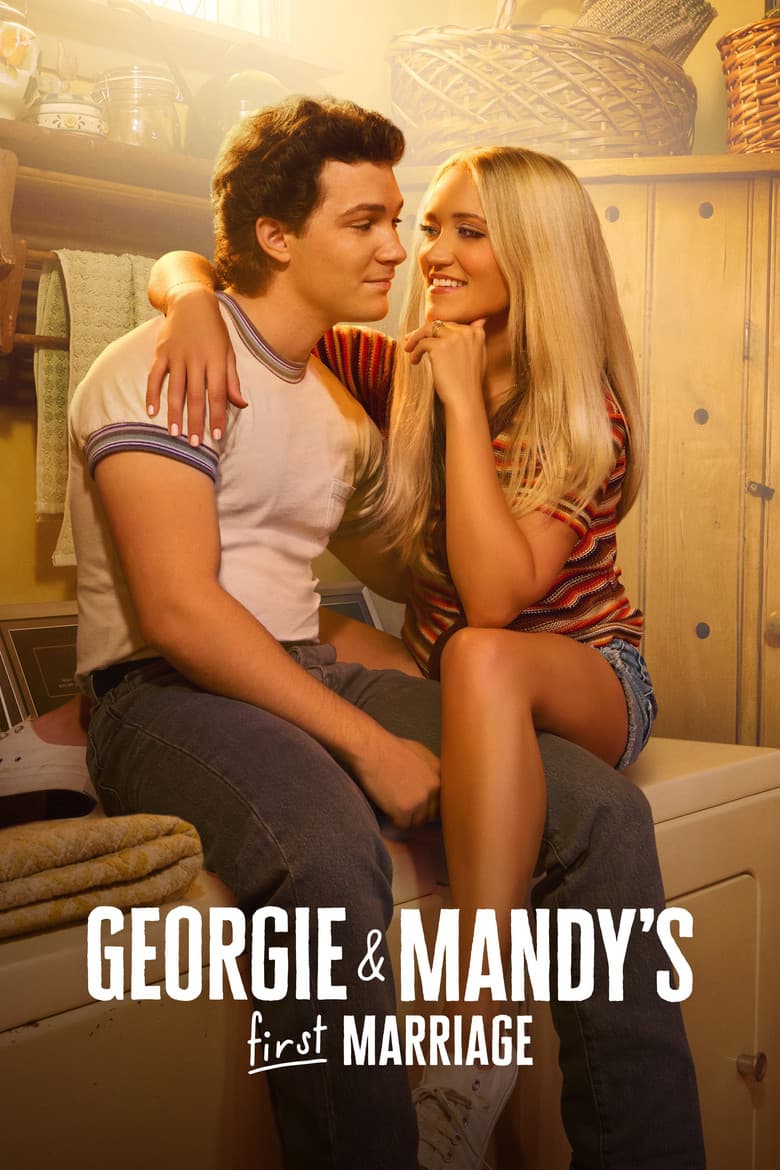
Started October 17, 2024 · Returning Series · Based on 2 seasons, 44 episodes through May 21, 2026 · TV-PG
Georgie & Mandy's First Marriage is a multi-camera sitcom spin-off from Young Sheldon that follows Georgie Cooper and Mandy McAllister, who have an 11-year age gap and a young daughter. They live with Mandy's parents in 1990s small-town Texas while Georgie works at a tire shop and Mandy takes a job at a local news station, dealing with marriage, parenting, in-laws, and family life. In season 2, Mandy makes on-air comments suggesting God may be a woman or that God would be lucky to be a woman, which sparks controversy, hate mail, and family clashes over her views, and reviews note her recurring feminist outlook creating tension with traditional family expectations.
Community feedback
Was our 40% Woke rating accurate?
Breakdown
These are the editorial factors and ratings behind our score for Georgie & Mandy's First Marriage.
Woke representation / casting
Predominantly white cast that matches the 1990s small-town Texas setting and Cooper/McAllister family from source material. Ruben Alvarez (Puerto Rican descent) is a visible recurring/main ensemble member and later co-owner at the tire shop, adding ethnic diversity in a working-class, sarcastic comic-relief role that gains some serious backstory. No audience-visible quota-style casting, "brilliant" identity leads in mismatched high-status positions, race/gender swaps, or heavy marketing emphasis on representation. The central age-gap dynamic is established canon from Young Sheldon.
8%
Woke political dialogue
Season 2 includes a clear episode ("The G Word and a Blaspheming Bimbo") where Mandy, working as a news reporter/weather personality, makes on-air remarks that God may be a woman or "God would be lucky to be a woman," doubles down amid controversy, and receives hate mail labeling her "Satan Barbie." Audrey (Catholic mother-in-law) objects; Georgie offers awkward support linking divine temperament to "plagues and floods." Reviews note Mandy's "more feminist outlook clashing with everybody, especially Audrey," and her boss pushing controversial feminist-oriented pieces. These elements are episodic rather than wall-to-wall but audience-visible in clips and complaints.
38%
Identity-driven story themes
The core premise and most episodes focus on relatable young marriage struggles, parenting a baby, in-law conflicts, small business pressures, and small-town Texas family life in the 1990s. Season 2 increases attention to Mandy's news career ambitions and tensions with traditional gender/family roles and expectations. Viewer feedback explicitly flags "women’s liberation themes" and "feminist coded" shifts as noticeable and sometimes heavy-handed. These do not dominate the narrative or reframe the entire show around identity politics.
30%
Western institutional / cultural critique
The setting is a conservative, religious small-town Texas world (Baptist and Catholic families, small business ownership, traditional household dynamics) that is often portrayed straightforwardly or affectionately through the characters' lives. Mandy's career and comments create personal friction with that environment, including plots touching gender roles (e.g., men-only clubs or household labor comments). Conflicts stay at the family and generational level rather than broad modern activist critiques of patriarchy, capitalism, whiteness, or Western institutions as systems. Religious elements and small-town norms appear without being systematically undermined as flawed.
10%
Woke character or canon changes
Not relevant. The series adheres to established Young Sheldon and Big Bang Theory canon for Georgie, Mandy, their backstory (teen pregnancy and age gap), family members (Mary, Missy, Meemaw appearances), and timeline placement between the two shows. No identity-driven reinterpretations, race/gender swaps of legacy characters, or activist reframing of historical or source material elements.
0%
Anti-woke backlash and complaints
Viewer criticism exists in fan spaces, particularly around season 2. Facebook group posts describe the show shifting into "forced liberal politics and women’s liberation themes" that feel "constant and heavy-handed" and more like lectures than entertainment. X posts call it "feminist coded" or complain about repeated "woman stuff" including the God comments and ideas that "women deserves a place everywhere." The God episode drew specific pushback for feeling unrealistic in the 1990s Texas setting. Coverage in faith-based reviews flags the religious/gender dialogue. Complaints treat the material as pushing feminist or liberal messaging via Mandy's arc. Backlash is niche rather than massive or mainstream; the show was renewed for a third season.
38%
Creator track record context
Chuck Lorre has a documented pattern of liberal-leaning public commentary through vanity cards that criticize conservative politicians and policies, though his body of work consists primarily of mainstream multi-camera sitcoms. Co-creators Steve Holland and Steven Molaro have low-profile records with no notable activist or identity-driven history. Directors and most writers are standard industry professionals without public activist patterns. Some contributing writers have credits on shows with cultural or race-clash premises (detailed in crew summaries), but the overall team and this title lean toward traditional family comedy rather than recurring identity or social-justice centered output.
17%
Production
TV Show · 2021
Follow Jeremy Clarkson as he embarks on his latest adventure, farming. The man who on several occasions claims to be allergic to manual labour takes on the most manually labour…

TV Show · 2016
A dad finds out that parenting is harder than he thought after his wife goes back to work and he's left at home to take care of the kids.
TV Show · 2016
Maya DiMeo is a mom on a mission who will do anything for her husband, Jimmy, and kids Ray, Dylan, and JJ, her eldest son with special needs.
TV Show · 2017
The early life of child genius Sheldon Cooper, later seen in The Big Bang Theory.
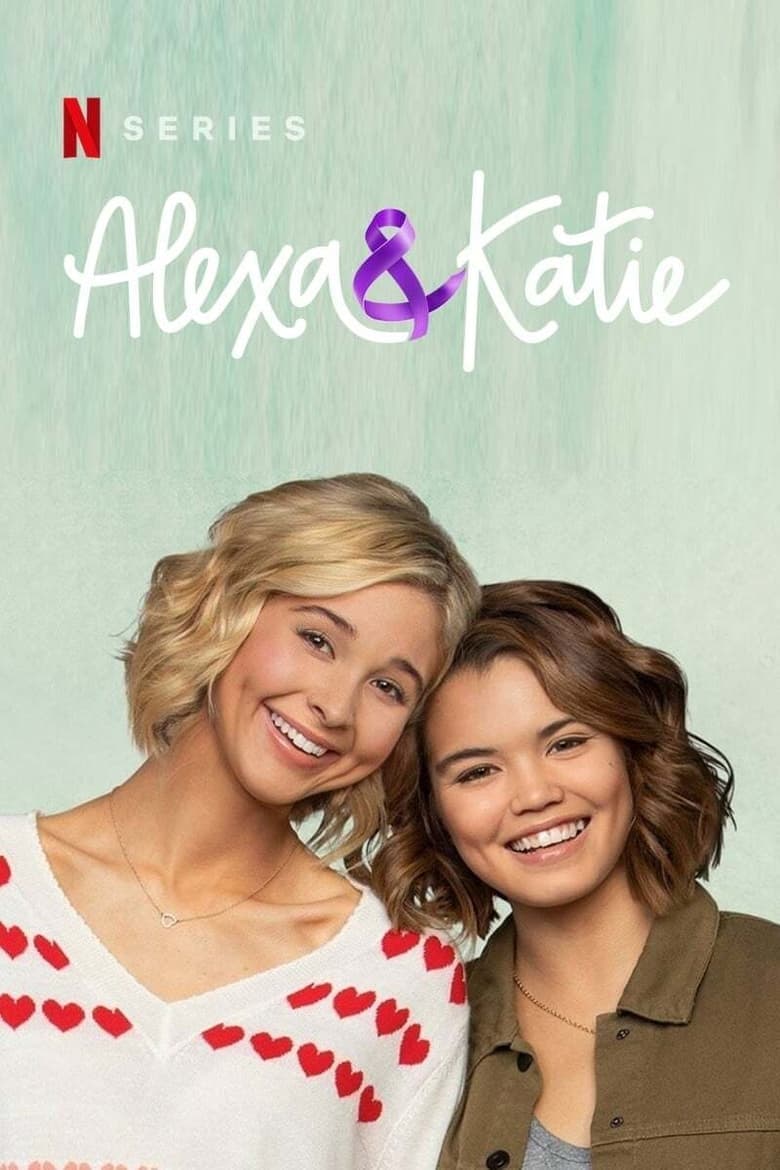
TV Show · 2018
Lifelong best friends Alexa and Katie are eagerly anticipating the start of their freshman year of high school.

TV Show · 2025
As Christmas approaches, a blundering-all-the-way dad juggles housesitting a posh London penthouse with an unexpected pickle: caring for a lost baby.
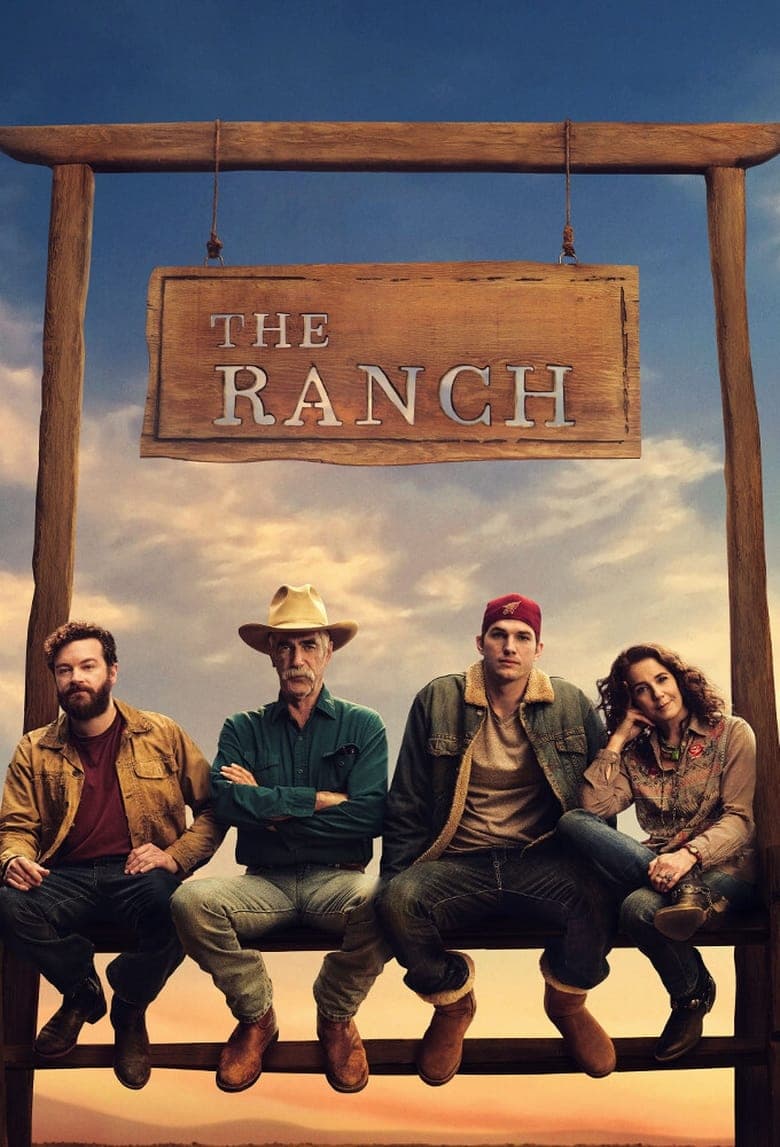
TV Show · 2016
Being a pro athlete didn't pan out for Colt. Now he's helping his dad and brother keep the ranch afloat, and figuring out how he fits into the family.
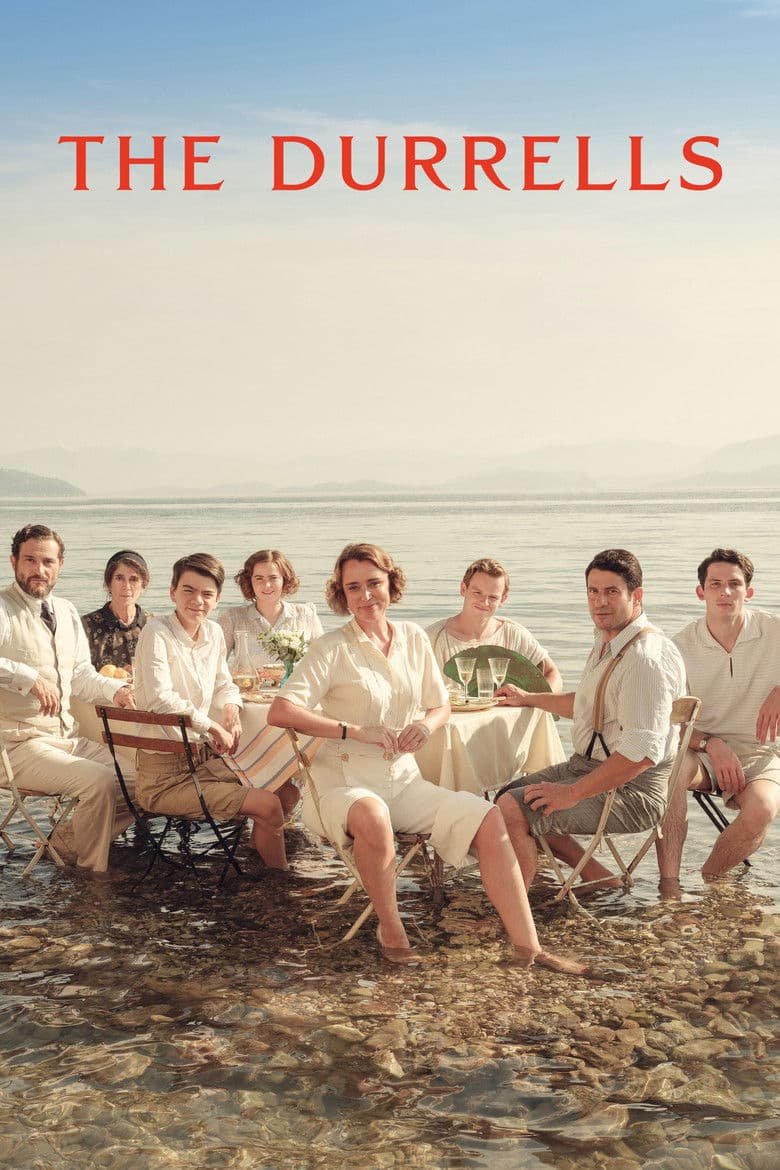
TV Show · 2016
In 1935, financially strapped widow Louisa Durrell, whose life has fallen apart, decides to move from England, with her four children (three sons, one daughter), to the island of…
